Putting A Powerful Bobcat To Work Under The Big Top
When a touring operation moves at the scale of Circus Krone, logistics stop being routine and start resembling a moving infrastructure project. Each new location demands a complete build from the ground up, often under tight time constraints and across unpredictable surfaces. Grass fields, gravel yards, and even asphalt lots must all support a structure that is anything but temporary in its engineering demands.
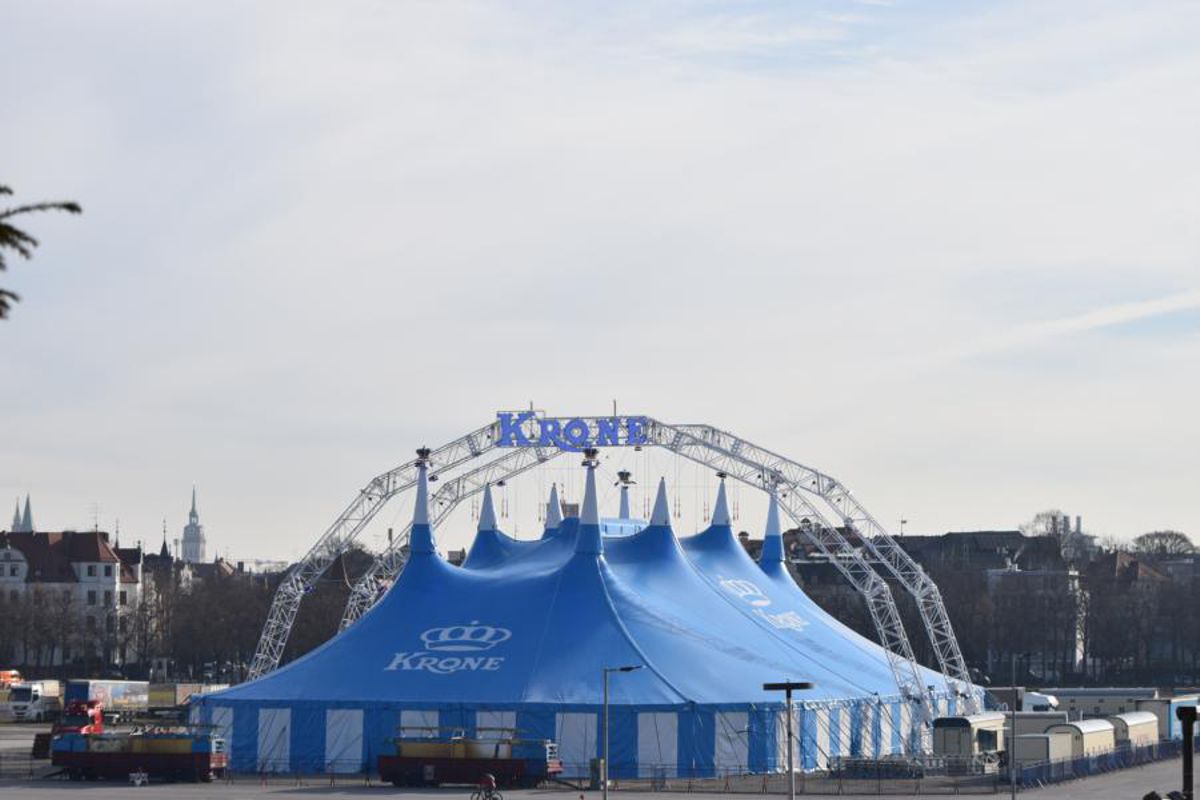
The circus’s travelling tent is a formidable structure by any measure. Rising to 17 metres at the dome and supported by lattice arches reaching 23 metres, it covers approximately 10,000 square metres of canvas. That scale brings with it a serious engineering challenge. Stability cannot be left to chance, particularly when the structure must endure high winds and repeated assembly cycles. At the heart of that stability lies a simple but critical task: driving hundreds of long iron anchors deep into the ground with speed, accuracy and consistency.
What might appear as a niche application carries broader implications for construction and infrastructure professionals. Temporary structures, from event venues to emergency response facilities, rely on anchoring systems that must perform reliably under variable conditions. The solution adopted by Circus Krone demonstrates how compact machinery, when properly adapted, can bridge the gap between mobility and industrial-grade performance.
Briefing
- Circus Krone required a more powerful and precise solution to install 300 deep ground anchors for its touring tent
- The Bobcat S86 was selected for its high hydraulic output and compact footprint
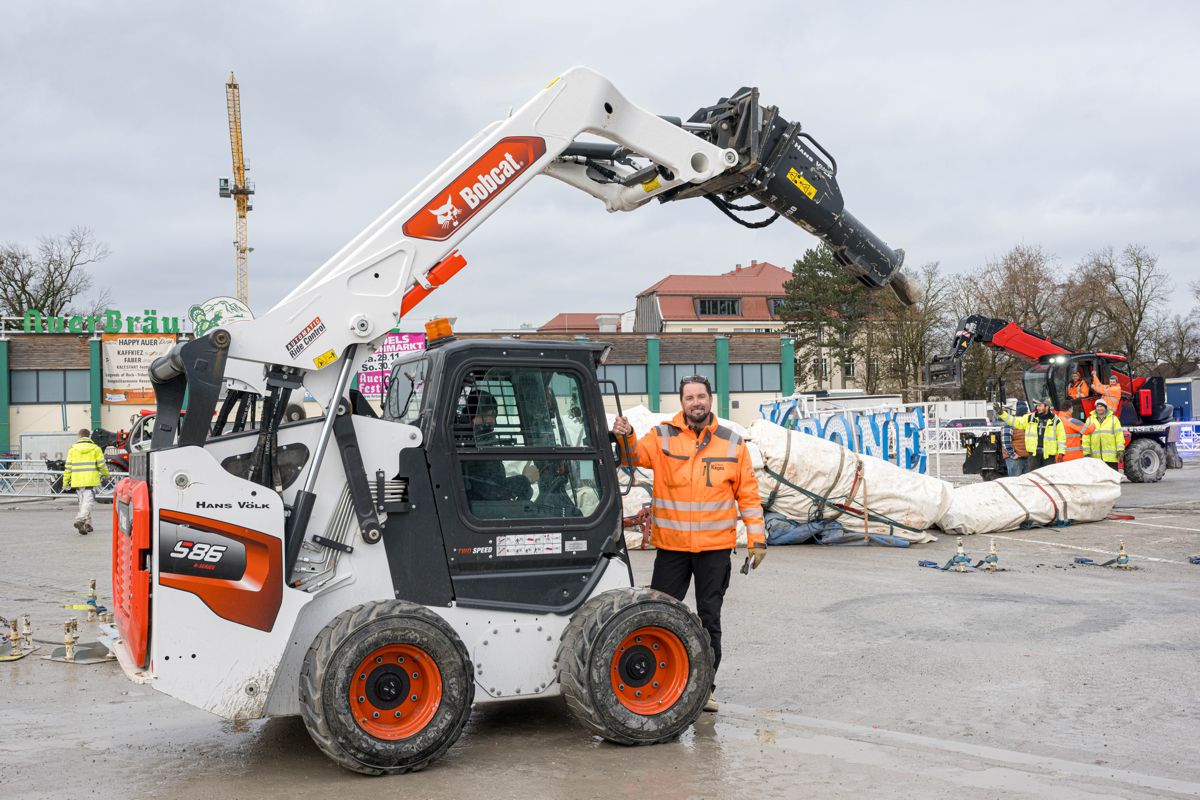
- A custom attachment and hydraulic hammer enabled accurate, vertical anchor installation across varied surfaces
- The system significantly reduced setup time and improved operational efficiency during touring
- A strong European service network and telematics support ensured reliability across multiple countries
Engineering Stability for a Mobile Megastructure
Temporary structures are often underestimated in terms of engineering complexity. In reality, large-scale tents such as those used by Circus Krone must meet many of the same structural integrity requirements as permanent buildings. Wind loads, tensile stresses, and ground resistance all play a role in determining whether a structure can stand safely over extended periods.
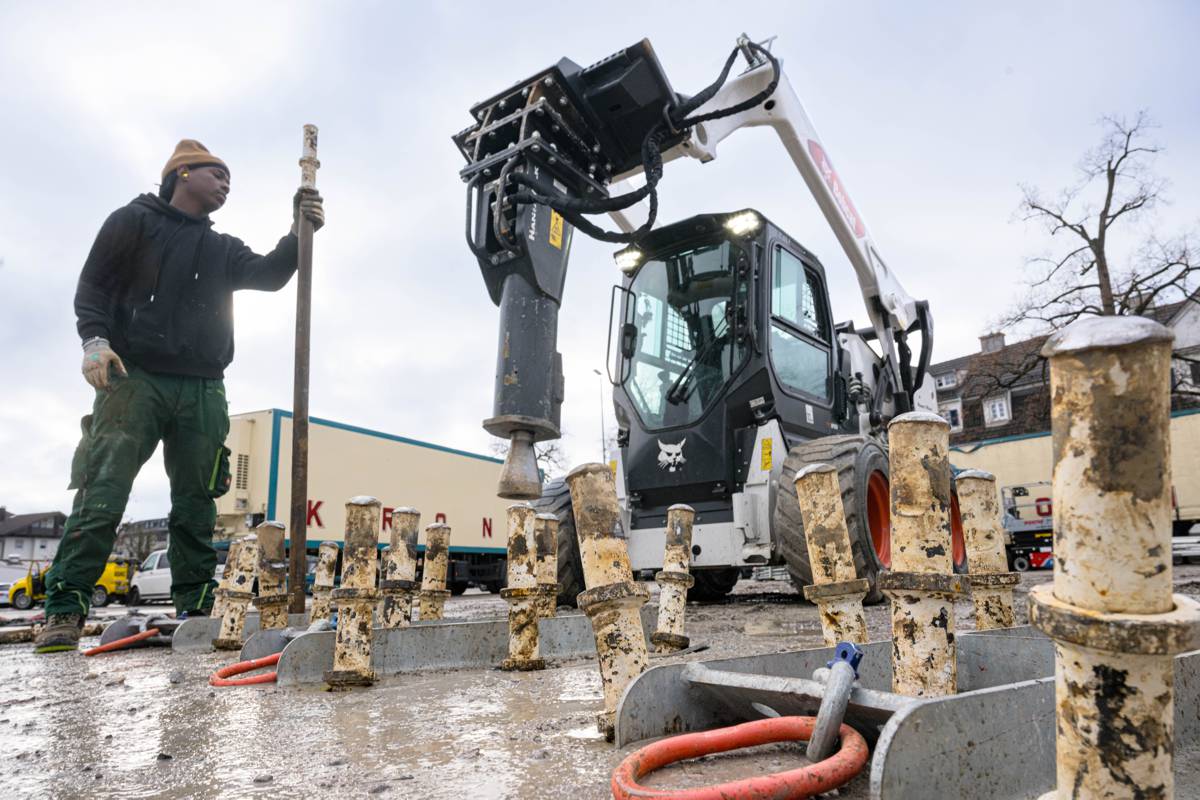
To secure its tent, Circus Krone relies on 300 iron anchors, each driven approximately 1.5 metres into the ground. These anchors form the backbone of the entire structure, distributing loads and preventing movement under stress. With 24 electric winches delivering a combined output exceeding 48 kilowatts, the tent is raised and tensioned into position, but without properly installed anchors, the system would fail to achieve the necessary stability.
Historically, the circus used a modified forklift equipped with a hydraulic hammer. While functional, the setup lacked the power and precision required for the increasing scale of operations. As the tent grew larger and more complex, so too did the demands placed on the anchoring process. A new approach was needed, one that could combine mobility with serious hydraulic performance.
Compact Equipment Steps Into Heavy Duty Territory
The choice of the Bobcat S86 reflects a broader shift in construction equipment trends. Compact loaders are no longer confined to light-duty tasks. Advances in hydraulic systems, engine performance and attachment compatibility have expanded their role into areas traditionally dominated by larger machinery.
With an engine output of 78 kW and a maximum hydraulic flow of 159 litres per minute, the S86 offers capabilities that push the boundaries of its class. This level of hydraulic performance allows it to operate attachments typically reserved for much heavier equipment, including hydraulic hammers designed for excavators in the 10-tonne range.
That combination of power and compact dimensions proved decisive. On crowded or constrained sites, manoeuvrability is just as important as raw force. The S86 can operate efficiently within the limited footprint of a circus setup, moving quickly between anchor points while maintaining the stability needed for precision work.
Customisation Drives Real World Performance
Off-the-shelf solutions rarely meet the needs of specialised applications. In this case, the challenge was not simply to drive anchors into the ground, but to do so with millimetre-level accuracy. Any deviation in alignment could compromise the structural integrity of the tent or damage the anchors themselves.
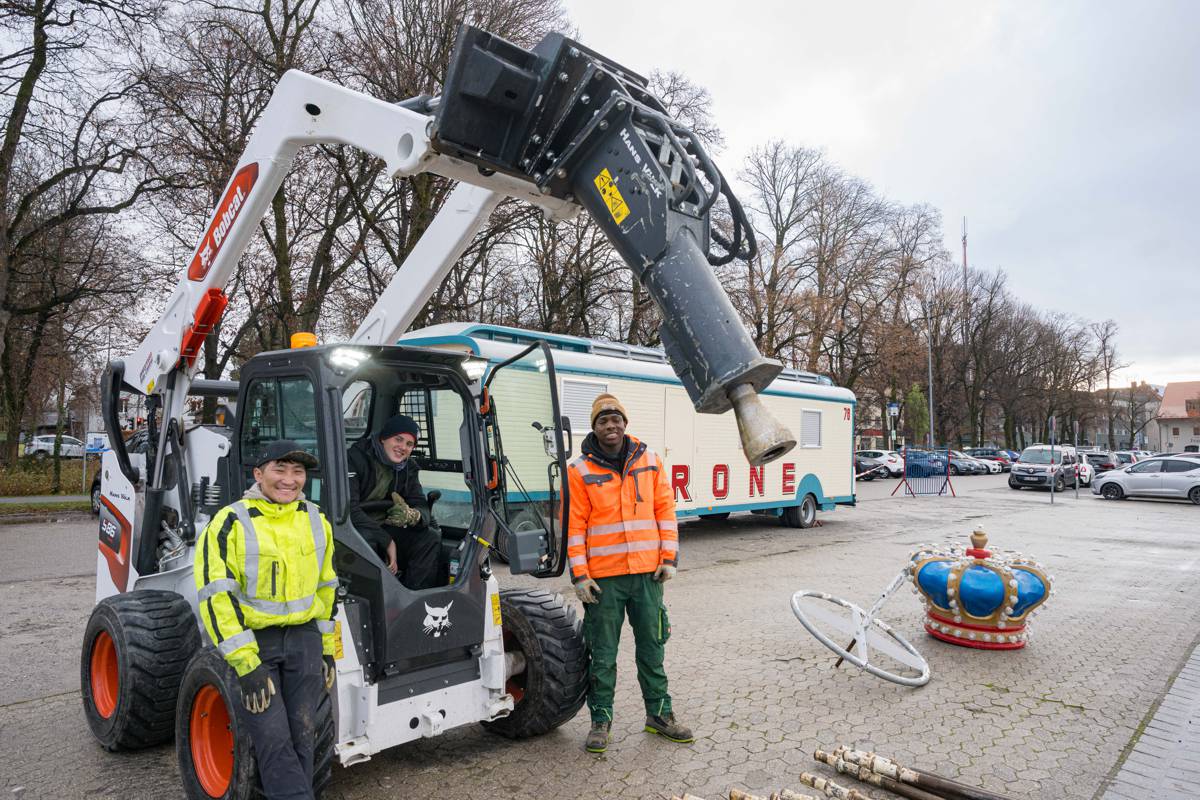
Working in collaboration with a local dealer and the circus’s in-house workshop, engineers developed a bespoke attachment tailored to the anchor design. The system combined a high-powered hydraulic hammer with a guiding mechanism that ensured vertical alignment during operation. A steel wedge was integrated to control the driving angle, preventing lateral movement and ensuring consistent penetration depth.
The speed of development is notable. Within six weeks, the concept had moved from initial discussions to a fully operational solution. That kind of turnaround highlights the value of close collaboration between equipment suppliers and end users, particularly when dealing with unconventional requirements.
Efficiency Gains in a Time Critical Operation
Time is a critical factor in touring operations. Each additional hour spent on setup or dismantling reduces the time available for performances and increases operational costs. The introduction of the new system delivered immediate gains in both speed and efficiency.
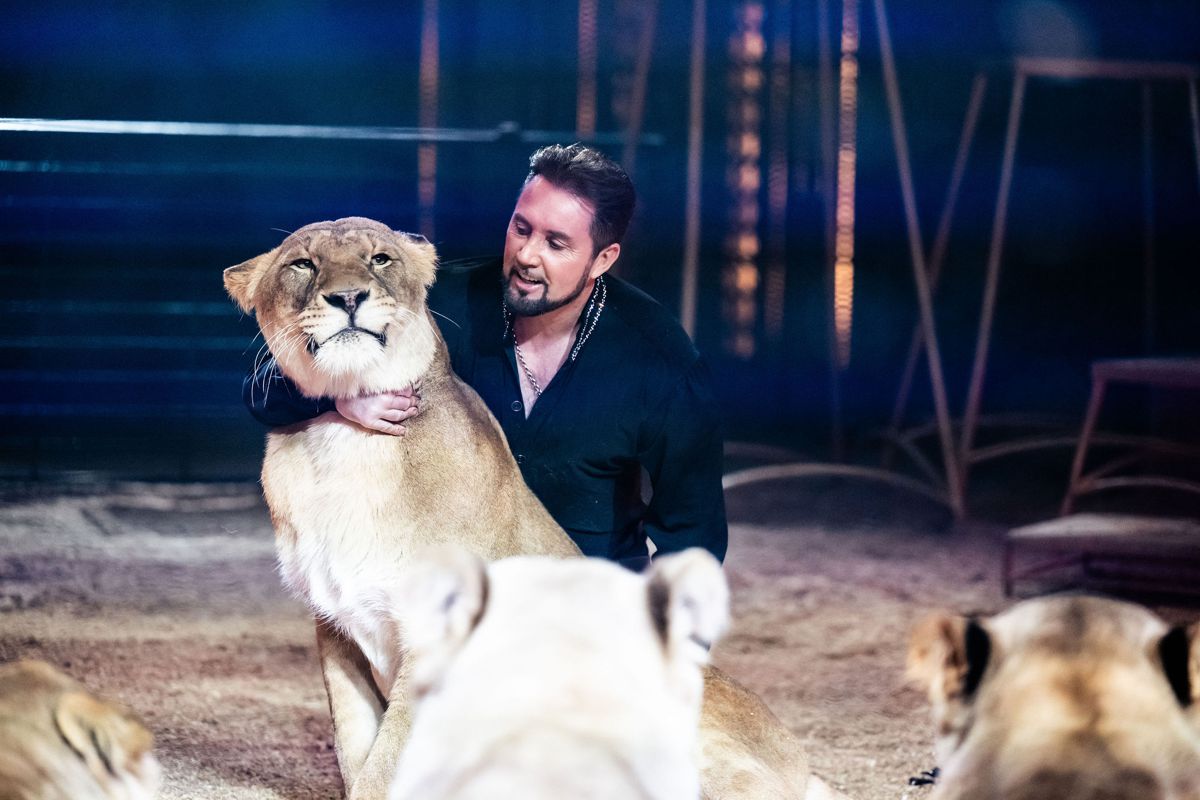
“Until now, we had used a modified forklift with a hydraulic hammer for this task – but it simply didn’t have enough power,” explains Martin Lacey-Krone, Circus Director and big-cat trainer at Circus Krone.
“With our new tent, we urgently needed a more effective solution that works on any surface. There was no ready-made solution.”
The impact was clear from the first deployment. Anchor installation, previously a time-consuming and labour-intensive process, was completed in significantly less time. The improved precision also reduced the risk of rework, further streamlining operations.
“This is a completely different league,” says Circus Director, Martin Lacey-Krone, enthusiastically. “In the past, driving the anchors took a lot of time. Now it’s fast, efficient and requires much less effort. Exactly as I had imagined.”
Reliability Across Borders
For any operation that moves frequently between locations, reliability is not optional. Equipment failures can disrupt schedules, increase costs and compromise safety. Circus Krone’s touring schedule spans around 30 cities annually, making dependable support infrastructure essential.
The availability of a strong service network played a significant role in the decision-making process. Access to maintenance and repair services across multiple countries ensures that any issues can be addressed quickly, minimising downtime. In addition, integrated telematics systems provide real-time insights into machine performance, location and maintenance needs.
“The dense service network was one of the key reasons for us,” emphasizes Lacey-Krone. “Whether we perform in Barcelona, Brussels or Berlin – Bobcat is never far away. If there’s ever a problem, we can rely on fast service. That gives us planning security.”
This level of support is increasingly becoming a standard expectation in the construction sector. As equipment becomes more advanced, the ability to monitor and maintain it remotely offers tangible benefits in terms of cost control and operational continuity.
Broader Implications for Construction and Infrastructure
While the application may seem unique, the underlying principles are widely relevant. The need for reliable anchoring solutions extends across multiple sectors, including temporary bridges, event infrastructure, modular construction and emergency shelters. In each case, the ability to deploy equipment quickly and achieve consistent results is critical.
The use of compact, high-performance machinery also reflects a growing emphasis on versatility. Contractors are looking for equipment that can perform multiple roles without sacrificing efficiency. Machines like the S86 demonstrate how this balance can be achieved, combining mobility with the power needed for demanding tasks.
Furthermore, the integration of custom attachments highlights the importance of adaptability. Standard equipment can often be modified to meet specific requirements, reducing the need for specialised machinery and lowering overall costs. This approach aligns with broader industry trends towards modularity and flexible design.
A Practical Solution Becomes Part of the Team
What began as a technical challenge has evolved into a core component of Circus Krone’s operations. The loader is now an integral part of the setup process, contributing to smoother logistics and improved efficiency across the touring schedule.
The addition of a second machine ahead of the 2025 Christmas season suggests that the solution has delivered consistent value. For an organisation with over a century of history, such decisions are unlikely to be taken lightly. Equipment must prove its worth not just in theory, but in the demanding conditions of daily use.
In the end, the story is less about a single machine and more about the role of engineering in enabling complex operations to run smoothly. Whether on a construction site or under the canvas of a travelling circus, the principles remain the same. Precision, reliability and adaptability are what keep structures standing and projects moving forward.