High Performance Tires: GT Radial Complete Guide & Tire Lineup
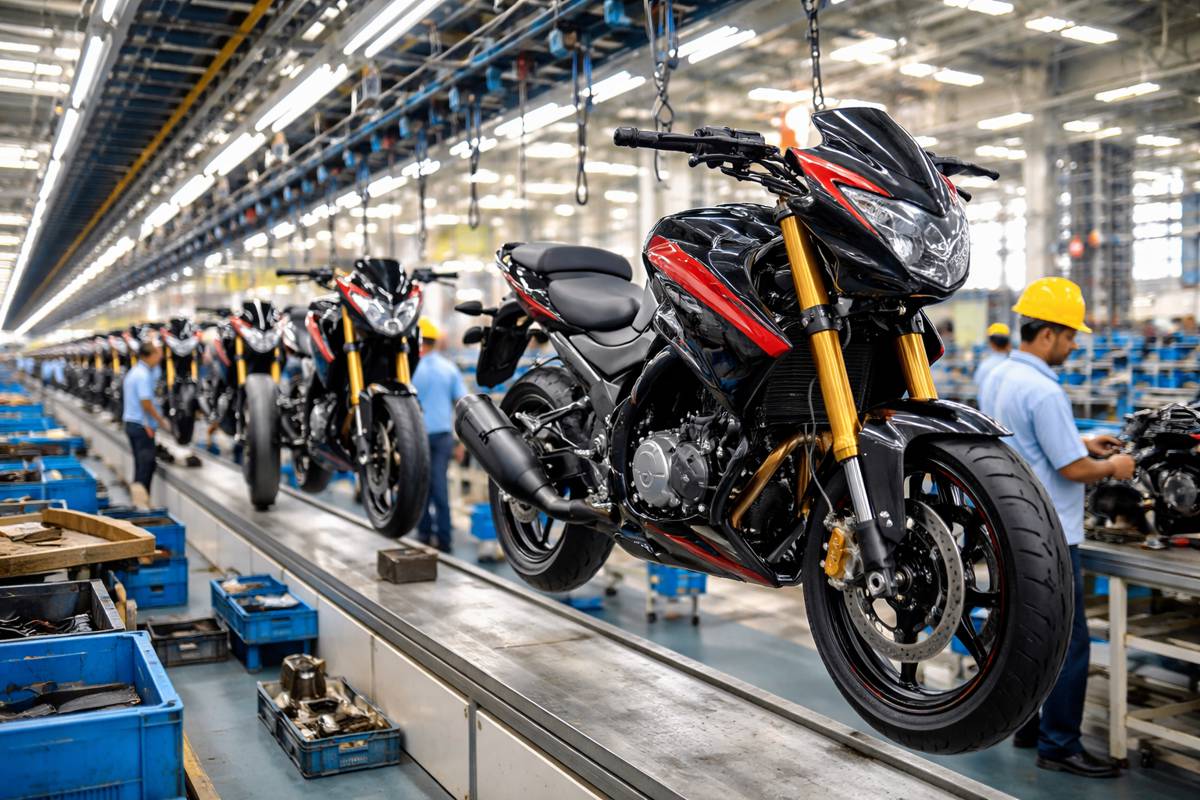
High performance tires are engineered to deliver superior grip, responsive handling, and enhanced cornering stability at higher speeds compared to standard tires. Whether you’re driving a sports car, performance sedan, or simply want to maximize your vehicle’s handling capabilities, choosing the right high performance tire can transform your driving experience. GT Radial, manufactured by one of the leading tire manufacturers in the world, produces a comprehensive lineup of performance tires designed to meet diverse driving needs—from daily commuting to spirited weekend drives.
GT Radial’s OEM contracts with renowned manufacturers such as Citroën, Peugeot, and Dacia reflect the confidence that major automakers have in GT Radial’s engineering and quality standards. The brand distributes tires in more than 130 countries worldwide, bringing proven performance technology to drivers across the globe.
What Are High Performance Tires?
High performance tires are specialized tires designed with advanced rubber compounds, optimized tread patterns, and reinforced internal construction to handle increased speeds, aggressive cornering, and rapid acceleration. Unlike all-season or touring tires, performance tires prioritize grip and handling over tread life and ride comfort.
Key characteristics include:
- Speed ratings of H (130 mph) or higher – Most performance tires carry V (149 mph), W (168 mph), or Y (186 mph) ratings
- Asymmetric or directional tread patterns – Engineered for maximum road contact during cornering
- Softer rubber compounds – Provide better traction but typically wear faster than standard tires
- Wider tread blocks – Increase the contact patch for improved grip
- Lower profile sidewalls – Enhance steering response and stability
GT Radial’s performance tire range features advanced silica-enhanced compounds that maintain flexibility across temperature ranges, delivering consistent performance whether you’re navigating tight corners or highway cruising.
Types of High Performance Tires
Ultra High Performance (UHP) Tires
Ultra high performance tires represent the pinnacle of street tire technology. Designed for high-performance sports cars and luxury vehicles, UHP tires deliver exceptional dry grip and precise steering feel.
Best for: Sports cars, performance sedans, and enthusiasts prioritizing maximum grip and handling precision.
GT Radial UHP Options:
- Speed ratings: W (168 mph) and Y (186 mph)
- Optimized for dry and light wet conditions
- Shorter tread life due to softer compounds (typically 20,000-40,000 miles)
High Performance All-Season Tires
These tires balance performance capabilities with year-round usability. They offer enhanced grip compared to standard all-season tires while maintaining traction in light snow and wet conditions.
Best for: Performance vehicles used as daily drivers in regions with mild to moderate winter weather.
GT Radial All-Season Performance Features:
- M+S (Mud and Snow) rated
- Siped tread blocks for wet and light snow traction
- Moderate tread life (40,000-60,000 miles)
- Speed ratings: H (130 mph) to W (168 mph)
Summer Performance Tires
Engineered exclusively for warm-weather driving, summer performance tires maximize dry and wet grip but become dangerously hard and lose traction below 45°F.
Best for: Dedicated summer driving, track days, and regions with mild winters where drivers swap to winter tires seasonally.
GT Radial Summer Performance Advantages:
- Maximum dry traction
- Excellent wet weather performance
- Designed for spirited driving and high-speed stability
How to Choose the Right High Performance Tire
Assess Your Driving Style
Daily commuters should prioritize all-season performance tires that balance handling with comfort and longevity. If you drive 15,000+ miles annually, tread life becomes a critical factor.
Weekend enthusiasts who enjoy spirited driving on twisty roads benefit from summer performance tires with softer compounds and aggressive tread patterns.
Track day participants require UHP tires with maximum grip, even if it means sacrificing tread life and ride comfort.
Consider Your Climate
Warm climates (year-round temperatures above 45°F): Summer performance tires deliver optimal performance without seasonal tire changes.
Moderate climates with mild winters: High performance all-season tires provide year-round versatility without the need for winter tire swaps.
Cold climates with snow and ice: Even performance all-season tires can’t match dedicated winter tires below freezing. Consider maintaining a separate winter tire set for safety.
Match Speed Ratings to Your Vehicle
Check your vehicle’s door jamb or owner’s manual for the manufacturer-recommended speed rating. GT Radial recommends:
- Sports cars and performance sedans: V-rated (149 mph) minimum, preferably W (168 mph) or Y (186 mph)
- Performance crossovers and SUVs: H-rated (130 mph) minimum, often V-rated for optimal handling
- Modified vehicles: Always match or exceed the OEM speed rating, especially if you’ve increased horsepower
Size Matters: Understanding Tire Specifications
High performance tires often feature plus-sizing—wider tires with lower profile sidewalls mounted on larger diameter wheels. This configuration improves handling but can impact ride comfort.
Popular GT Radial performance tire sizes:
- 225/40R18 – Compact sports sedans
- 235/40R19 – Mid-size performance vehicles
- 245/45R20 – Performance SUVs and crossovers
- 275/35R19 – High-performance sports cars
Lower aspect ratios (the sidewall height as a percentage of tire width) provide sharper steering response but transmit more road imperfections into the cabin.
GT Radial High Performance Tire Technologies
Advanced Silica Compound
GT Radial engineers incorporate high-dispersion silica into performance tire compounds, reducing rolling resistance while maintaining grip across varying temperatures. This technology improves wet traction by up to 15% compared to conventional compounds while enhancing fuel efficiency.
Asymmetric Tread Design
GT Radial’s performance tires feature asymmetric tread patterns with distinct inner and outer zones:
- Outer shoulder blocks: Reinforced for maximum cornering stability
- Inner tread zones: Optimized with lateral grooves for wet weather evacuation
- Center ribs: Continuous contact patches for responsive steering and high-speed stability
Reinforced Sidewall Construction
High-performance driving generates significant lateral forces during cornering. GT Radial performance tires incorporate twin steel belts with spirally wrapped nylon overlays, maintaining tire shape and preventing deformation even under aggressive driving conditions.
3D Siping Technology
Microscopic slits (sipes) molded into tread blocks enhance wet and light snow traction by creating additional biting edges. GT Radial’s 3D sipes interlock when the tire flexes, maintaining block rigidity for improved dry handling while still providing all-weather grip.
High Performance Tires vs. Standard Tires: Key Differences
| Feature | High Performance Tires | Standard All-Season Tires |
|---|---|---|
| Grip & Handling | Superior cornering, braking | Moderate, comfort-focused |
| Speed Rating | V, W, Y (130-186+ mph) | S, T, H (112-130 mph) |
| Tread Life | 20,000-50,000 miles | 50,000-80,000 miles |
| Ride Comfort | Firmer, more road feel | Softer, quieter |
| Wet Performance | Excellent (summer/all-season) | Good |
| Snow/Ice Traction | Limited (all-season only) | Moderate |
| Price Point | $150-$400 per tire | $80-$180 per tire |
The trade-off: High performance tires excel in handling and grip but require more frequent replacement and cost more upfront. Standard tires prioritize longevity and comfort but can’t match the driving dynamics of performance-oriented designs.
Maintaining Your High Performance Tires
Proper Inflation is Critical
Performance tires are less forgiving of incorrect tire pressure. Under-inflation causes excessive sidewall flex, generating heat and accelerating wear. Over-inflation reduces the contact patch, compromising grip.
GT Radial Recommendation:
- Check tire pressure monthly when tires are cold
- Follow vehicle manufacturer specifications (typically 32-36 PSI for performance vehicles)
- Increase pressure by 2-4 PSI for track driving to compensate for heat buildup
Rotation Schedules
Due to softer compounds and aggressive driving, performance tires wear faster than standard tires. Regular rotation extends tread life by ensuring even wear across all four tires.
Rotation frequency:
- Every 5,000-7,000 miles for rear-wheel drive performance vehicles
- Every 6,000-8,000 miles for front-wheel drive and AWD vehicles
- Immediately if you notice uneven wear patterns
Note: Directional performance tires can only be rotated front-to-back on the same side. Asymmetric tires can be rotated in standard patterns.
Alignment Matters More
Performance vehicles often feature aggressive suspension geometry that’s more sensitive to alignment changes. Even minor impacts (potholes, curbs) can knock alignment out of spec, causing rapid tire wear.
Warning signs of misalignment:
- Vehicle pulling to one side
- Uneven wear across tread width
- Steering wheel off-center when driving straight
- Squealing during turns
GT Radial recommends alignment checks every 10,000 miles or immediately after any suspension work or impact.
Storage for Seasonal Tires
If you run summer performance tires and swap to winter tires seasonally, proper storage extends tire life:
- Clean tires thoroughly – Remove brake dust and road contaminants
- Store in a cool, dry location – Avoid direct sunlight and ozone sources (electric motors)
- Keep tires inflated – Maintain manufacturer-recommended pressure
- Stack horizontally or hang individually – Prevents flat spots and sidewall damage
- Cover with tire bags – Protects rubber from UV exposure
Common Questions About High Performance Tires
What’s the difference between high performance and ultra high performance tires?
Ultra high performance (UHP) tires represent the highest tier of street-legal performance tires, featuring:
- Softer, stickier compounds for maximum grip
- Speed ratings of W (168 mph) or Y (186 mph)
- Prioritization of dry handling over tread life and wet weather performance
High performance tires offer enhanced grip compared to standard tires but make fewer compromises in longevity and wet weather capability. Think of UHP tires as track-focused, while high performance tires balance performance with practicality.
Can I use high performance tires year-round?
Summer performance tires: No. These tires lose flexibility and traction below 45°F, becoming unsafe in cold weather regardless of snow presence.
High performance all-season tires: Yes, with limitations. While rated for light snow, they can’t match dedicated winter tires in freezing temperatures. If you live in an area with harsh winters, maintaining a winter tire set is the safest option.
Do high performance tires really make a difference?
Absolutely. Independent testing shows high performance tires reduce 60-0 mph braking distances by 15-25 feet compared to standard all-season tires on performance vehicles. Lateral grip improvements can exceed 0.10g, translating to noticeably sharper cornering.
Real-world impact:
- Shorter emergency stopping distances
- Increased confidence in wet conditions
- More predictable handling at the limit
- Enhanced steering feedback and responsiveness
How long do high performance tires last?
Tread life varies significantly based on compound and driving style:
- UHP summer tires: 20,000-30,000 miles (track use reduces this substantially)
- Summer performance tires: 30,000-45,000 miles
- High performance all-season tires: 40,000-60,000 miles
Aggressive driving, frequent hard braking, and tight cornering accelerate wear. Highway cruising extends tread life.
Are high performance tires worth the cost?
For performance vehicle owners, yes. The enhanced safety margin, improved handling characteristics, and driving enjoyment justify the premium. However, if you drive a standard commuter vehicle primarily in straight-line traffic, standard all-season tires may better suit your needs and budget.
Can I mix high performance tires with regular tires?
Never recommended. Mixing tire types creates unpredictable handling characteristics and can compromise safety, especially in emergency maneuvers. Always replace all four tires with the same make, model, and size.
Exception: Some AWD vehicles with staggered fitments (different front and rear sizes) require manufacturer-approved tire pairings.
GT Radial Performance Tire Lineup Overview
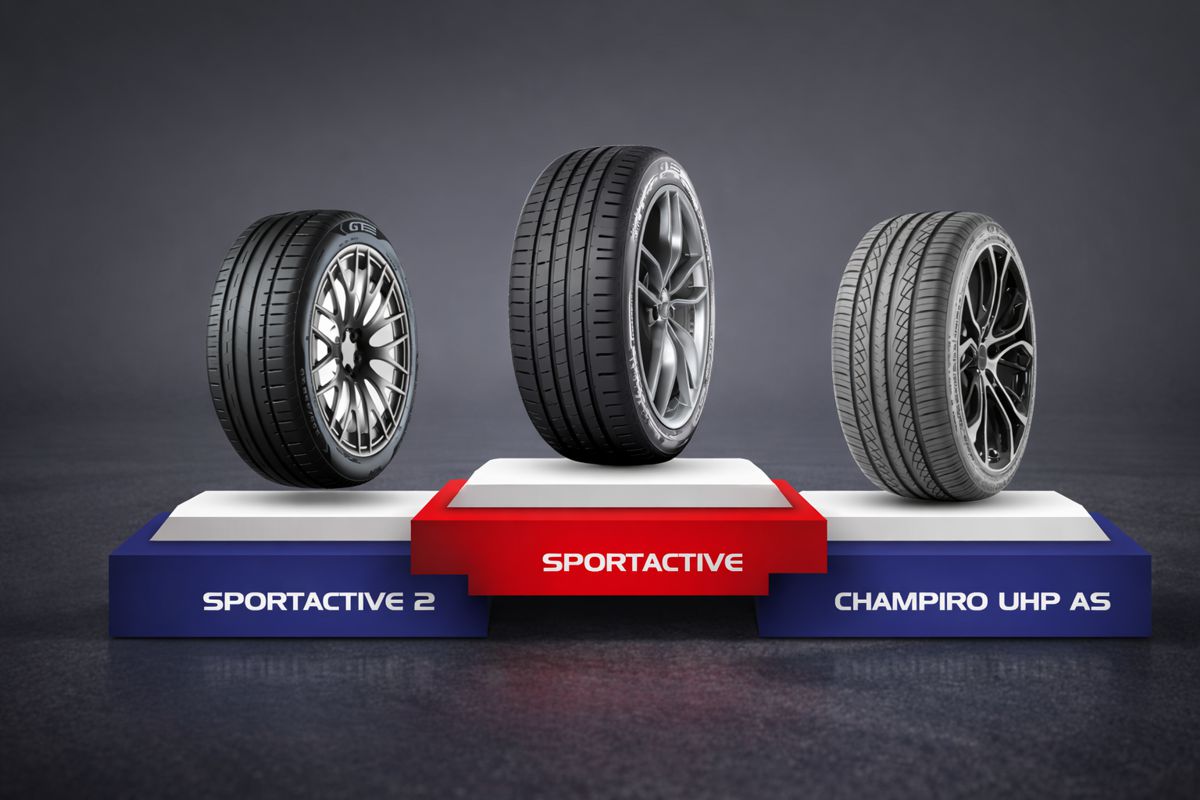
GT Radial SportActive 2
Category: Ultra High Performance
Speed Rating: V-Y (149-186 mph)
Rim Sizes: 16-22″
Key Features:
- 4 wide grooves for exceptional water drainage
- Micro sipes on contact area for additional grip
- Brand new compound for superb grip across wide temperature ranges
- EU wet label “A” rated
- Optimized pattern block geometry for low noise and driving comfort
Best for: Premium and performance vehicles demanding enhanced grip, precise braking, and responsive handling with strong wet weather capabilities
GT Radial CHAMPIRO SX2
Category: Ultra High Performance Summer
Speed Rating: V-W (149-168 mph)
Rim Sizes: 15-19″
Key Features:
- Dual block design with extra wide shoulder blocks for cornering stability
- Wide center rib for improved handling, traction, and braking
- Advanced silica tread compound for dry and wet grip
- Gradient step tire design to reduce noise and heat
- Wide circumferential grooves to reduce hydroplaning
Best for: Drivers demanding maximum grip in touring, slalom, and drift competitions; track-focused performance driving
GT Radial CHAMPIRO UHP AS
Category: Ultra High Performance All-Season
Speed Rating: V-Y (149-186 mph)
Rim Sizes: 15-20″
Key Features:
- Full depth sipes for improved all-season performance throughout tire life
- Rim protector to prevent curb damage
- Advanced tread compound for improved wear life
- Four wide circumferential grooves to reduce hydroplaning
- Center rib design for straight-line stability and crisp steering response
Best for: Drivers seeking ultra-high performance with year-round versatility; strong straight-line stability, responsive cornering, and reliable braking in dry and wet conditions
GT Radial SportActive RunFlat
Category: Ultra High Performance with Run-Flat Technology
Key Features:
- Special sidewalls for low pressure mobility (can drive on flat tire)
- Confidence on wet performance
- Long lasting tread compound
- Excellent water evacuation
Best for: Performance vehicles requiring run-flat technology for continued mobility after tire puncture; ideal for vehicles without spare tires
Making Your Decision: Quick Selection Guide
Choose Summer Performance Tires if:
- You live in a warm climate (year-round temps above 45°F)
- Maximum dry grip is your priority
- You maintain separate winter tires
- You enjoy spirited driving or track days
Choose High Performance All-Season Tires if:
- You need year-round versatility
- Your region experiences mild winters
- You prioritize convenience over maximum performance
- You drive 15,000+ miles annually
Choose Ultra High Performance Tires if:
- You own a sports car or high-performance vehicle
- Handling and grip are paramount
- You’re willing to sacrifice tread life for performance
- You drive primarily in ideal conditions

Installation and First Drive Tips
Break-In Period
New performance tires require a break-in period for optimal performance:
- First 100 miles: Avoid aggressive acceleration, hard braking, and high-speed cornering
- Purpose: Allows release agents from manufacturing to fully dissipate
- Result: Full compound grip develops progressively
Immediate Inspection Points
After installation, verify:
- Tire pressure matches specifications (door jamb or manual)
- Valve stems are new (replace with tire installation)
- Directional tires are mounted correctly (arrows point forward)
- Asymmetric tires show “outside” marking on exterior sidewall
- Balancing weights are properly secured
Adapting to New Performance
Performance tires transform vehicle dynamics. During your first drive:
- Steering may feel sharper – Less input needed for lane changes
- Braking distances reduce – Adapt brake pressure accordingly
- Road noise may increase – Performance compounds and patterns generate more sound
- Ride may be firmer – Lower sidewalls transmit more road texture
When to Replace High Performance Tires
Tread Depth Indicators
Legal minimum tread depth is 2/32″, but performance tires lose effectiveness well before reaching this limit.
GT Radial replacement recommendations:
- Wet conditions: Replace at 4/32″ remaining tread
- Light snow: Replace at 6/32″ remaining tread
- Optimal performance: Replace at 3/32″ remaining tread
Quick check: Insert a penny into the tread groove with Lincoln’s head upside down. If you can see the top of Lincoln’s head, the tire has less than 2/32″ tread and requires immediate replacement.
Age Matters
Even with sufficient tread, tire rubber degrades over time. GT Radial recommends:
- Maximum service life: 6 years from manufacture date (10 years absolute maximum)
- Check DOT code: Last four digits indicate week and year of manufacture (e.g., “2823” = 28th week of 2023)
- Environmental factors accelerate aging: UV exposure, ozone, temperature extremes
Damage Requiring Replacement
Replace immediately if you notice:
- Sidewall bulges or bubbles – Indicates internal structural failure
- Tread separation – Rubber pulling away from tire carcass
- Deep cuts or punctures – Especially in sidewall (not repairable)
- Uneven wear patterns – Suggests alignment or suspension issues requiring correction
Conclusion
High performance tires represent one of the most impactful upgrades for vehicle handling, safety, and driving enjoyment. GT Radial’s performance tire lineup—including the SportActive 2, CHAMPIRO SX2, CHAMPIRO UHP AS, and SportActive RunFlat—offers solutions for every performance need, from daily-driven all-season versatility to track-focused summer compounds.
The key to maximizing your investment lies in matching tire type to your specific driving conditions, maintaining proper inflation and alignment, and replacing tires before they reach critical wear limits. Whether you prioritize year-round usability with the CHAMPIRO UHP AS or maximum grip with the track-capable CHAMPIRO SX2, GT Radial delivers the technology and quality to enhance your driving experience.
Ready to upgrade your vehicle’s performance? Explore GT Radial’s complete high performance tire lineup at your local authorized dealer or visit gtradial.com to find the perfect tire for your driving style. GT Radial’s tire experts can help you select the ideal performance tire based on your vehicle, driving habits, and climate conditions.