ITS World Congress 2027 Opens Calls for Technical Contributions and Live Demonstrations
The 33rd ITS World Congress in Birmingham has opened submissions for its Technical Programme and live technology demonstrations, inviting researchers, transport authorities, engineering consultancies and technology developers to contribute to one of the international transport sector’s major gatherings.
Taking place at Birmingham’s National Exhibition Centre (NEC) from 25 to 29 October 2027, the Congress is expected to attract 15,000 participants from more than 100 countries. Both calls close on 22 January 2027, providing opportunities to present research, share operational experience and demonstrate intelligent transport technologies to an international audience.
The two programmes offer distinct routes into the event. Technical contributions will explore research, engineering developments and the practical challenges of implementing intelligent transport systems, while dedicated indoor and outdoor demonstration areas will allow organisations to show technologies in operation.
Briefing
- The 33rd ITS World Congress takes place at Birmingham’s NEC from 25 to 29 October 2027.
- Organisers anticipate 15,000 participants from more than 100 countries.
- The Technical Programme invites research papers, technical papers, special interest sessions and posters.
- Indoor and outdoor demonstration areas will accommodate operational transport technologies, with demonstrators also required to exhibit.
- Both calls close on 22 January 2027, with separate submission processes.
Intelligent Transport Research and Operational Deployment
Intelligent transport systems encompass technologies ranging from traffic management and roadside communications to automated vehicles, digital infrastructure, multimodal mobility and transport-energy integration. Their implementation increasingly involves combining equipment, software and services across networks operated by different authorities and commercial organisations.
The Birmingham programme is structured around four themes addressing the technical and operational challenges involved.
- Trustworthy and Resilient Systems covers cybersecurity, trusted data sharing, interoperability and infrastructure resilience, including the reliability of interconnected transport networks.
- Next-generation ITS examines artificial intelligence, quantum technologies, robotics, intelligent vehicles and digital twins, with applications intended to improve transport safety, efficiency and sustainability.
- Connected and Integrated Services addresses multimodal transport, connected vehicles, smart logistics, transport-energy integration and alternative fuels.
- Deploying ITS at Scale focuses on infrastructure requirements, operational management, governance, policy and user-centred design, including approaches that can support implementation beyond individual pilot projects.
The themes apply to both the Technical Programme and the Call for Demonstrations, allowing research submissions and practical technology proposals to address related transport challenges.
Four Formats for Technical Contributions
The Call for Contributions provides four submission formats, accommodating different stages of research and operational experience.
Special Interest Sessions will bring together specialists to discuss current challenges, emerging technologies, policy developments and practical experience. Organisers can propose sessions involving contributors with different perspectives on a particular subject.
Technical Papers will concentrate on practical applications, including pilot projects, technology deployments, operational experience and the commercial or institutional aspects of implementing intelligent transport systems.
Research Papers will present original research supported by methodology, analysis and validated findings, with peer review forming part of the process.
Posters are being introduced as a new format for the 2027 Congress, allowing researchers, start-ups, students and project teams to present early-stage findings, pilot projects and emerging technologies through visual displays and direct discussion.
Joost Vantomme, CEO of ERTICO and Chair of the European Programme Committee, said: “Papers and sessions show customers, partners, investors and policymakers that the organisation is contributing credible thinking and practical expertise to one of the world’s most important intelligent transport gatherings.”
Submissions will be assessed by qualified experts, with final selection undertaken by the International Programme Committee. Successful contributors will receive preparation guidance and promotional support, while speakers and moderators will be eligible for reduced registration fees.
Live Demonstrations at Birmingham’s NEC
Alongside the Technical Programme, the Congress has opened a separate Call for Demonstrations, inviting established businesses, start-ups and academic institutions to present technologies, processes and services in operational settings.
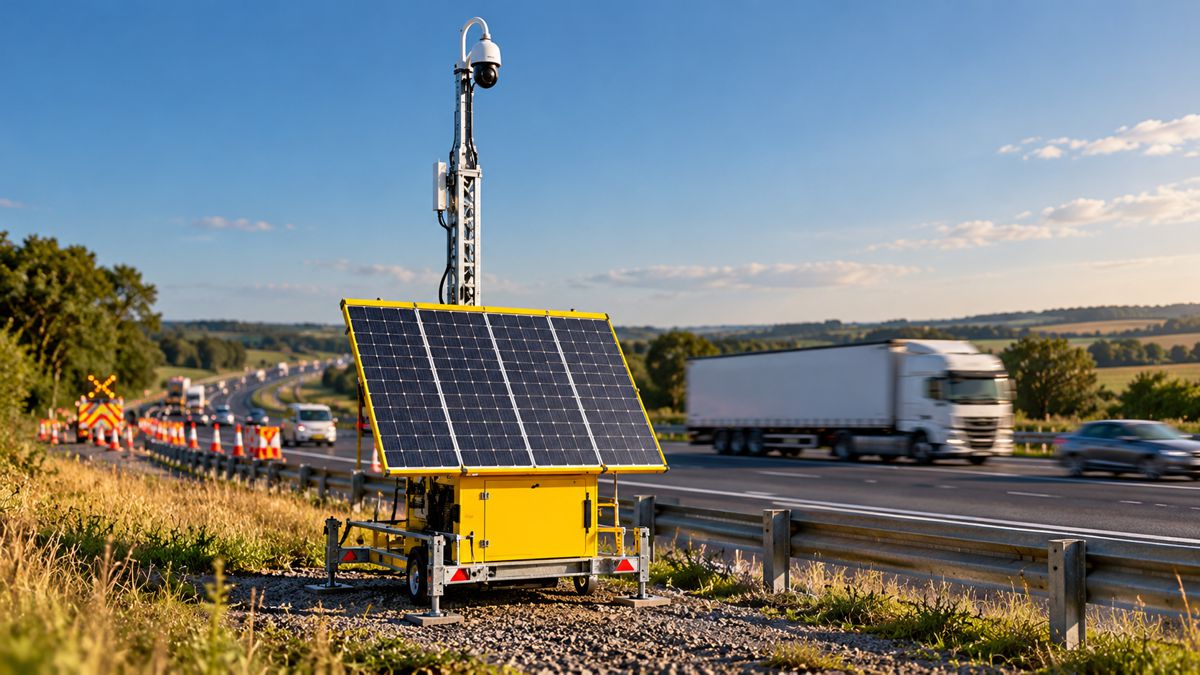
The organisers are seeking proposals covering a broad range of transport applications, including automated mobility, cleaner transport, logistics, digital traffic management and enforcement systems.
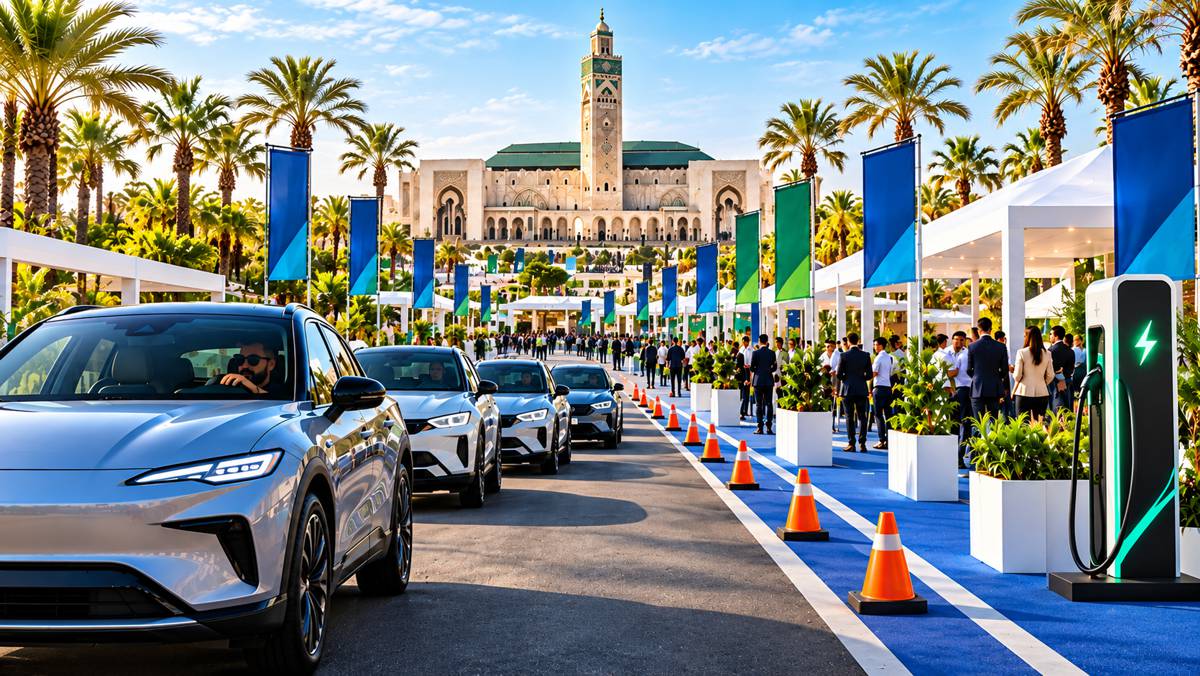
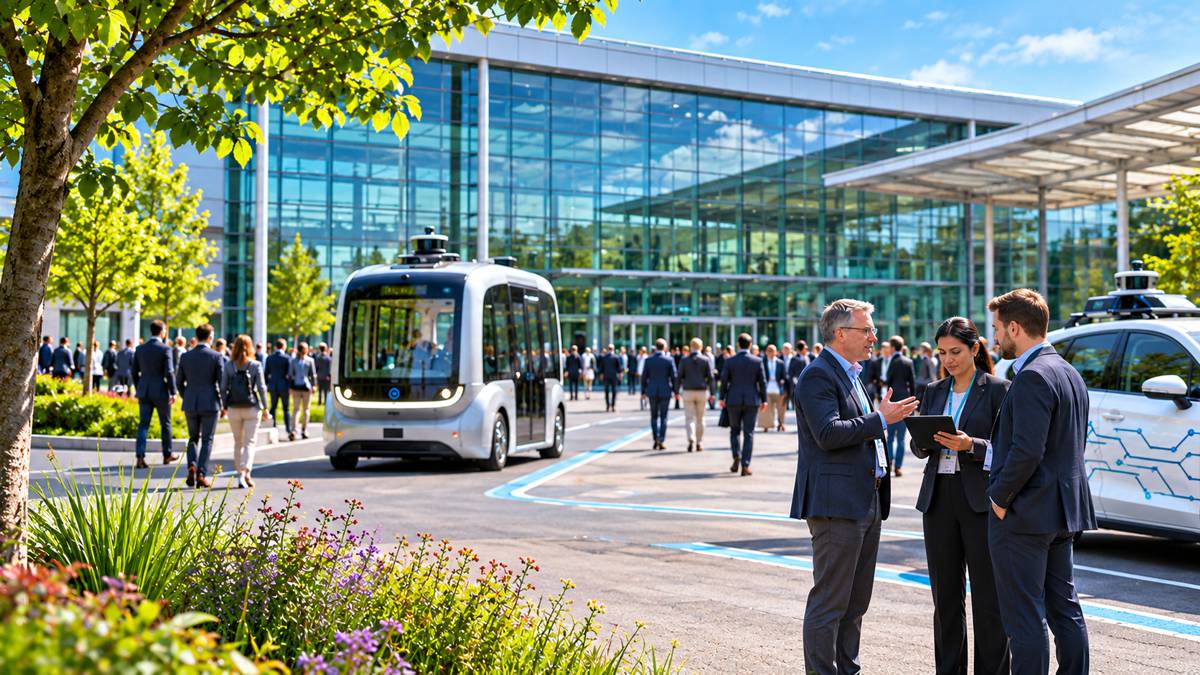
Demonstrations will take place in dedicated indoor and outdoor areas close to the main exhibition and Congress sessions, allowing delegates to move between technical discussions and practical technology displays.
The outdoor area will be enclosed and subject to operating conditions, including weight restrictions. Indoor demonstrations will take place alongside the exhibition and must comply with physical requirements, including height limits. Additional criteria may be introduced as preparations progress.
Organisations wishing to demonstrate must also be exhibitors at the Congress, and space in both demonstration areas will be limited. Applicants will therefore need to consider the suitability of their proposed technology for the available facilities and the associated exhibition commitment.
Live demonstrations provide opportunities to examine how equipment and systems operate, discuss technical requirements with developers and assess their potential suitability for different transport applications.
Demonstrating Technology to International Transport Authorities
The organisers expect the Congress to bring together transport authorities, infrastructure operators, technology suppliers, policymakers and researchers from more than 100 countries.
For companies developing intelligent transport systems, that concentration of technical and commercial expertise offers opportunities to present working technologies to prospective users and potential delivery partners.
Andy Graham of White Willow Consulting, Chair of the Technical Advisory Group, said: “A compelling live demonstration can make the benefits immediately clear: people can experience your technology, engage with the team behind it and understand what it could do for their own roads, cities or customers.”
The demonstration format allows prospective customers to examine operational performance and question developers about integration requirements, infrastructure dependencies and potential applications.
A traffic management system, for example, may need to exchange information with existing roadside equipment and control platforms. Connected vehicle technologies may depend on communications infrastructure, compatible standards and cooperation between multiple organisations.
Presenting a working system can provide a practical starting point for discussing those requirements, although a successful demonstration does not necessarily establish performance across every operating environment.
Supporting Commercial Deployment and Partnerships
Transport for West Midlands, the local host organisation, is supporting the demonstration programme and engagement with prospective participants.
Jordan Cowley, Business Development Executive at Transport for West Midlands, said: “Participation offers the prospect of bringing several business development activities together in one place: demonstrating performance, gathering feedback from potential users, identifying partners and opening discussions about trials or deployment.”
For suppliers seeking to enter new markets, those discussions may involve transport authorities, engineering consultants, systems integrators and organisations responsible for local installation or operational support.
The presence of technical specialists alongside procurement and policy representatives can also help companies understand how requirements differ between transport networks.
Organisers are encouraging applicants to develop demonstrations around identifiable operational problems, such as improving safety, reducing delays or helping transport operators use existing resources more efficiently.
Submission Requirements and January Deadline
The Call for Demonstrations opened on 22 October 2026 and will close on 22 January 2027, the same deadline as the Technical Programme.
Demonstration proposals must address one of the four Congress themes and comply with the conditions applicable to the selected indoor or outdoor demonstration area. Space is limited, and participation requires organisations to exhibit at the Congress.
Full application details are available through the official Call for Demonstrations.
Technical papers, research papers, special interest sessions and posters follow the separate Call for Contributions process. Submissions to both programmes must be completed by 22 January 2027.
Key Industry Questions
- When is the ITS World Congress 2027? The 33rd ITS World Congress takes place at Birmingham’s NEC from 25 to 29 October 2027.
- What is the deadline for submissions? Both the Call for Contributions and Call for Demonstrations close on 22 January 2027.
- What can organisations submit to the Technical Programme? The programme accepts special interest sessions, technical papers, research papers and posters.
- Who can apply to demonstrate technology? Established businesses, start-ups and academic institutions are invited to submit demonstration proposals.
- Must demonstrators also be exhibitors? Yes. Organisations participating in the demonstration programme must also exhibit at the Congress.
- What technologies can be demonstrated? Applications can include automated mobility, cleaner transport, logistics systems, digital traffic management, enforcement technologies and other intelligent transport applications relevant to the programme themes.
- Will outdoor demonstrations be permitted? Yes. The Congress will provide enclosed outdoor demonstration space, subject to operating conditions including weight restrictions.
- How many people are expected to attend? Organisers anticipate approximately 15,000 participants from more than 100 countries.
- Are demonstration spaces limited? Yes. Both indoor and outdoor demonstration areas have limited capacity and are subject to physical and operational requirements.
- Where can organisations submit proposals? Technical submissions can be made through the Call for Contributions, while demonstration proposals use the separate Call for Demonstrations process.
Strategic Takeaways
- The two submission routes serve different purposes, allowing organisations to present research findings, operational experience or working technology according to the maturity of their projects.
- Demonstration applicants must account for exhibition participation and the physical constraints of the available facilities when preparing proposals.
- Cybersecurity, interoperability and infrastructure resilience feature alongside emerging technologies and large-scale implementation.
- Practical demonstrations offer opportunities to discuss integration requirements and operational limitations directly with potential users.
- The international audience may provide access to prospective deployment partners, although commercial outcomes will depend on the technology and its suitability for individual markets.