The Hidden Smart Infrastructure Revolution
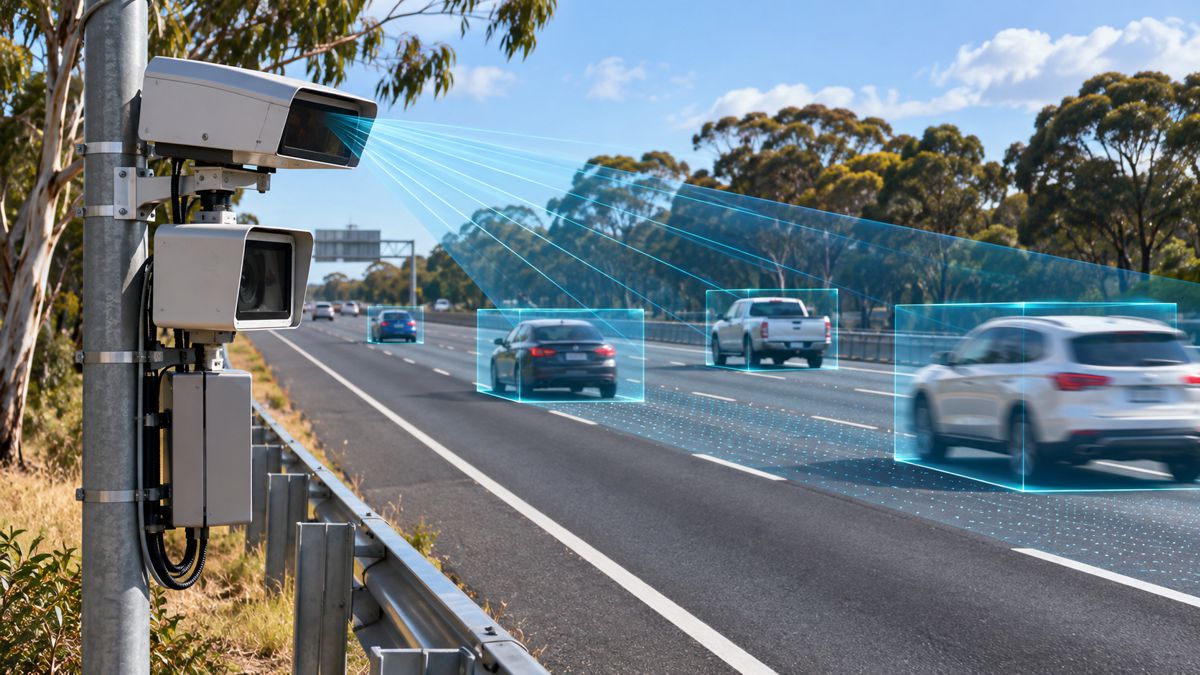
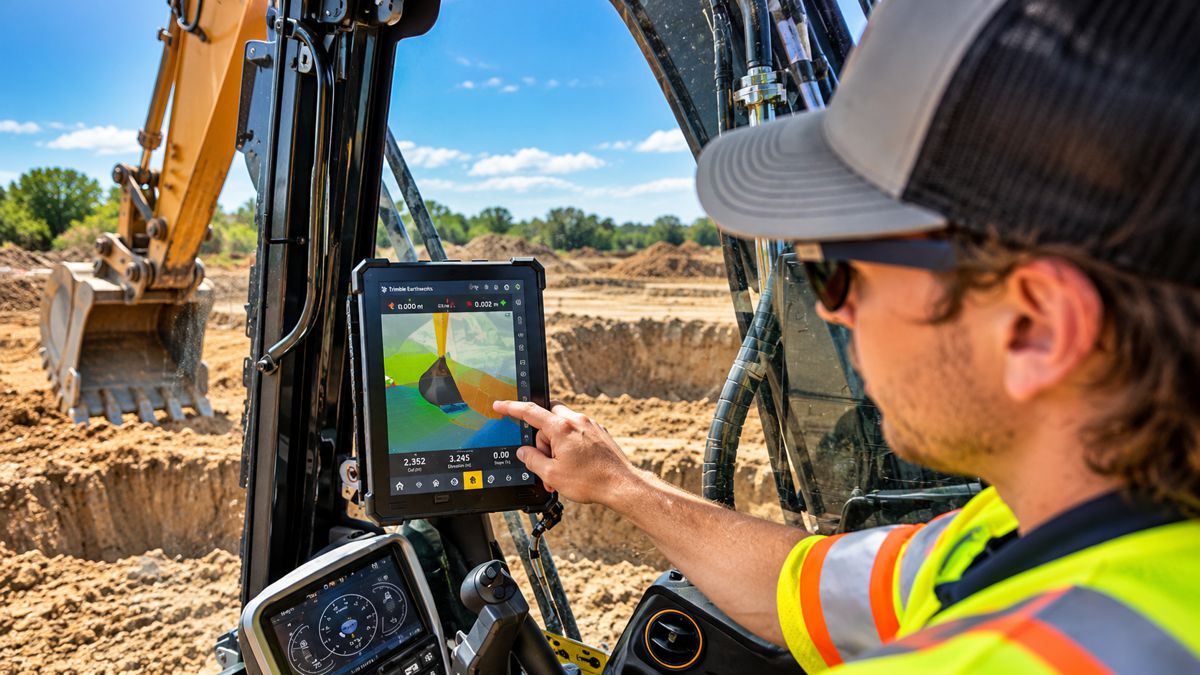
The world’s most important infrastructure transformation is no longer visible from a motorway flyover, airport terminal or towering suspension bridge. Increasingly, it exists beneath city streets, buried alongside water mains, hidden inside substations, routed through fibre ducts, embedded within drainage systems and quietly operating behind the walls of critical infrastructure facilities. While governments continue unveiling megaprojects with ribbon cuttings and political fanfare, the real shift shaping modern civilisation is happening underground and largely out of public view.
Across the globe, infrastructure is evolving from passive physical assets into intelligent, responsive and increasingly autonomous systems. Water networks now detect leaks before utilities know they exist. Power grids self-adjust in milliseconds to fluctuations in demand. Fibre corridors form the invisible nervous system of entire economies. Drainage networks monitor flood conditions in real time. Sensor-equipped pipelines continuously assess structural integrity, while AI-driven operations centres quietly coordinate vast utility ecosystems from behind secure digital walls.
This transformation marks one of the most profound changes in infrastructure since the electrification of cities during the twentieth century. The industrial age focused on building physical networks, whilst the digital age is teaching infrastructure to think, respond and adapt. The implications reach far beyond utilities and engineering. Hidden digital infrastructure increasingly determines economic productivity, national resilience, industrial competitiveness and even geopolitical influence.
Visible infrastructure still matters enormously, of course. Airports, ports, highways and rail systems remain foundational economic assets. Yet the operational effectiveness of those visible systems now depends heavily on invisible digital layers operating beneath and behind them. A modern airport without resilient fibre connectivity becomes operationally fragile. A logistics corridor without intelligent traffic management quickly loses efficiency. A city without responsive utility systems becomes vulnerable during climate stress events.
The future competitiveness of nations increasingly depends not on what can be seen above ground, but on the intelligence operating silently beneath it.
Briefing
- Intelligent underground infrastructure is transforming utilities, transport, communications and energy systems into responsive digital ecosystems.
- Fibre corridors, sensor networks and AI-enabled utility operations are becoming critical economic infrastructure equal to roads, ports and airports.
- Climate resilience increasingly depends on smart drainage, predictive maintenance and real-time infrastructure monitoring.
- Hidden digital systems now underpin autonomous mobility, smart logistics, energy security and modern urban economies.
- Infrastructure competitiveness is shifting from visible megaprojects toward resilient, cyber-secure and data-driven underground networks.
Infrastructure is Becoming Responsive Rather Than Passive
For most of modern history, infrastructure was fundamentally passive. Roads carried vehicles. Pipes carried water. Power lines transmitted electricity. Infrastructure existed largely as static physical systems requiring manual inspection, reactive maintenance and periodic upgrades. Operators only responded once problems became visible. That model is disappearing rapidly.
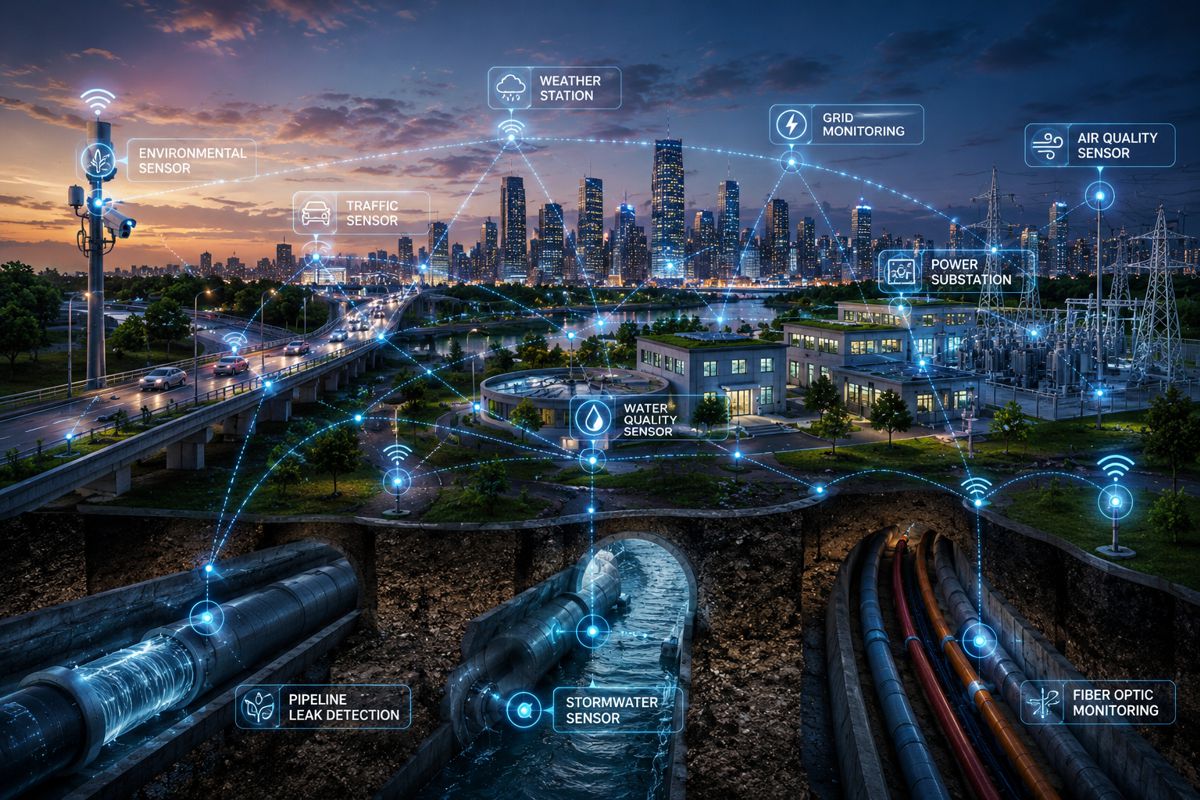
Modern infrastructure increasingly behaves more like a living system than a collection of inert assets. Sensors embedded throughout utility networks continuously transmit operational data. Intelligent control systems analyse pressure fluctuations, temperature shifts, vibration patterns, electrical load balancing and structural movement in real time. Infrastructure is no longer simply carrying resources. It is monitoring itself continuously.
The implications are enormous. A leaking water pipe beneath a city once remained undetected until surface damage appeared or water pressure collapsed. Today, acoustic sensors and AI-powered leak detection systems can identify microfractures long before catastrophic failure occurs. Utilities can pinpoint leaks within metres, dramatically reducing water loss and preventing infrastructure collapse. According to the International Water Association, some cities still lose more than 30 percent of treated water through leakage, making predictive monitoring systems commercially and environmentally essential.
Electricity networks are undergoing a similarly radical transition. Traditional grids operated on fixed assumptions around supply and demand. Intelligent grids now operate dynamically, continuously balancing generation, storage and consumption through automated systems. Renewable energy integration has accelerated the need for responsive infrastructure capable of managing enormous complexity in real time.
This evolution matters because modern economies no longer tolerate infrastructure downtime in the way previous generations once accepted. Digital commerce, automated logistics, cloud computing, financial systems and connected industrial operations depend on uninterrupted utility performance. Infrastructure has therefore become less about physical construction alone and more about operational intelligence.
The Rise of Self Monitoring Infrastructure
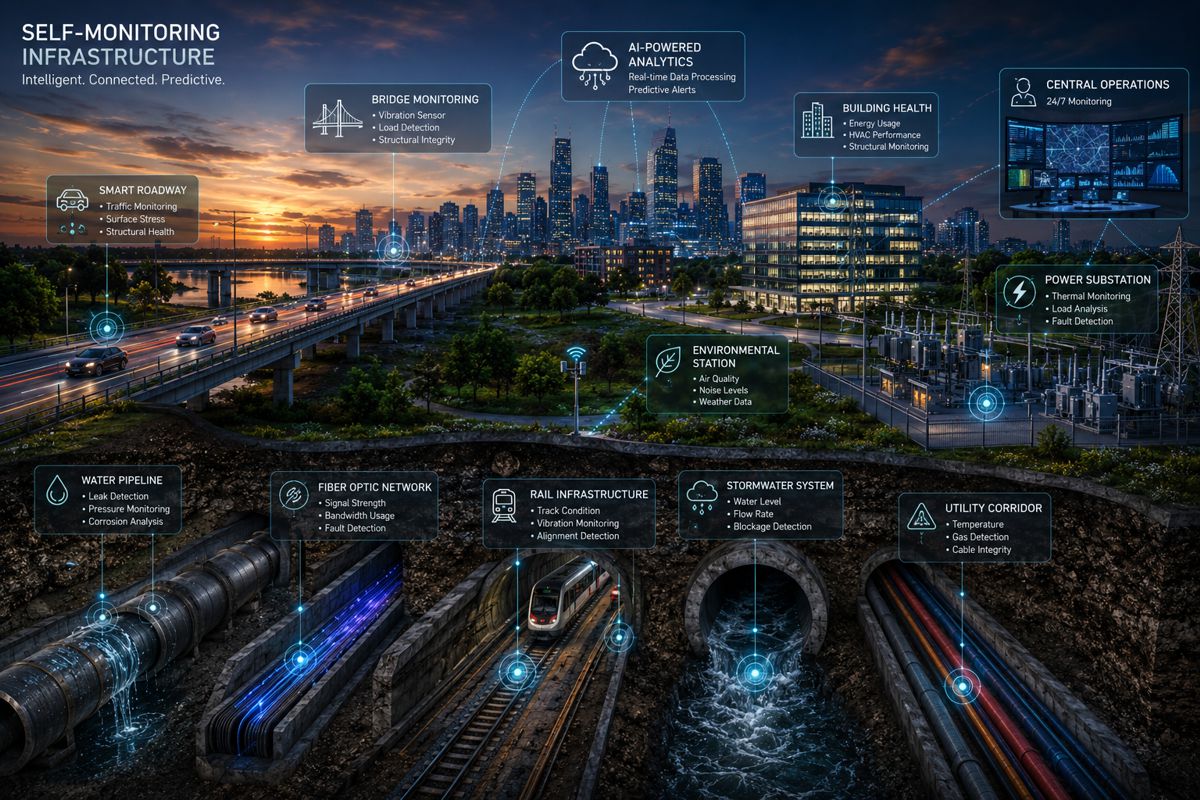
One of the defining characteristics of the hidden infrastructure revolution is the emergence of self-monitoring assets.
Across sectors ranging from rail and water to power transmission and urban drainage, infrastructure operators are embedding sensing technologies directly into physical systems. Pipelines monitor corrosion internally. Bridges measure vibration stress continuously. Underground drainage systems detect rising water levels before floods emerge at street level. Electrical substations track thermal anomalies and equipment degradation automatically.
Historically, infrastructure maintenance relied heavily on scheduled physical inspections. Engineers visited sites periodically, often identifying problems only after deterioration had advanced significantly. Self-monitoring infrastructure changes the economics entirely by shifting maintenance from reactive intervention to predictive management.
Predictive infrastructure maintenance is rapidly becoming one of the most commercially valuable developments in global infrastructure management. AI systems can analyse historical failure patterns, weather conditions, vibration signatures and operational data to forecast equipment failures before they occur. Utilities are increasingly using machine learning to predict faults, identify leaks and optimise maintenance schedules.
The financial implications are staggering. Unplanned infrastructure failures traditionally carry enormous direct and indirect costs, from emergency repairs and service disruption to reputational damage, regulatory penalties and economic downtime. For transport operators, a failed signalling component can paralyse commuter networks within minutes. For utilities, a burst water main beneath a dense urban district can disrupt businesses, damage roads and undermine adjacent infrastructure before engineers even arrive.
Across the rail sector, fibre optic sensing technologies are now being installed alongside tracks to detect vibration anomalies, temperature changes and subtle ground movement beneath rail corridors. Operators can monitor infrastructure conditions continuously over hundreds of kilometres rather than relying purely on periodic visual inspections.
Water infrastructure is experiencing a similar transition. Smart acoustic monitoring systems continuously listen for microscopic leak signatures and pressure fluctuations inside buried pipelines. Combined with AI-driven analytics, utilities can identify weaknesses early enough to schedule targeted repairs before roads collapse or water losses escalate.
Electrical infrastructure may be seeing the fastest transformation of all. Intelligent substations equipped with thermal imaging sensors, digital relays and automated diagnostics can monitor transformer health, detect overheating components and assess power quality continuously. Machine learning systems can identify subtle degradation patterns weeks or even months before equipment failure occurs.
Infrastructure is effectively beginning to generate its own operational intelligence.
Smart Utility Networks Are Becoming Strategic Assets
Utilities were once regarded as slow-moving operational sectors focused primarily on reliability and regulatory compliance. That perception is changing rapidly.
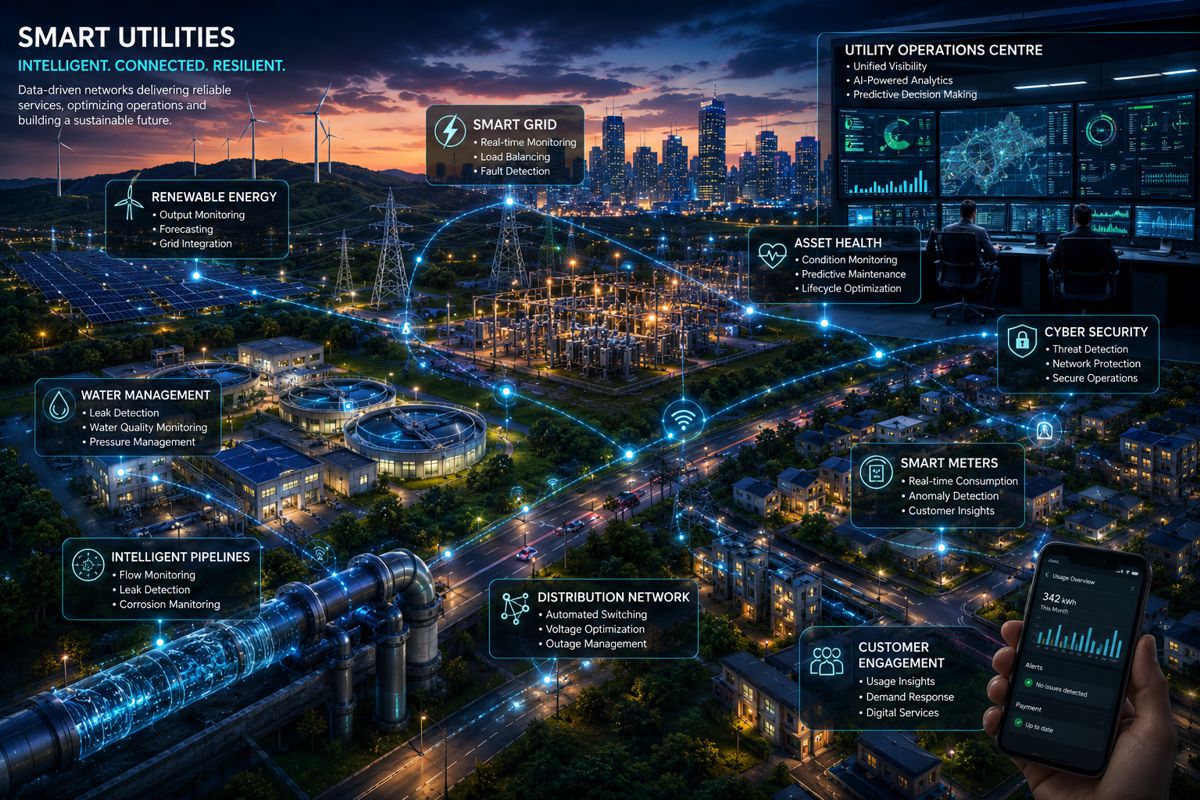
Modern utility networks are becoming highly sophisticated digital ecosystems integrating operational technology, AI analytics, fibre communications and distributed sensing systems. Increasingly, utilities resemble technology platforms as much as physical infrastructure providers.
Power grid intelligence sits at the centre of this transformation. The rapid expansion of renewable energy has introduced enormous complexity into electricity management. Solar generation fluctuates with cloud cover. Wind output changes minute by minute. Electric vehicle charging patterns create unpredictable demand spikes. Traditional grid structures were never designed to accommodate such variability.
Intelligent grids are therefore becoming essential national infrastructure. Advanced substations now incorporate automated switching, predictive diagnostics and real-time monitoring systems capable of balancing demand and supply instantaneously. Smart grid technologies increasingly rely on two-way digital communications infrastructure and low-latency operational networks capable of handling huge volumes of live data.
Countries investing heavily in intelligent energy infrastructure are positioning themselves for long-term economic competitiveness. China has aggressively expanded ultra-high-voltage transmission combined with advanced digital monitoring systems. Singapore has integrated digital utility management across multiple urban services. Northern European countries are embedding grid intelligence deeply into renewable integration strategies.
The strategic logic is becoming increasingly clear. Reliable digital infrastructure underpins economic productivity just as roads and ports once did during earlier industrial eras.
Fibre Corridors Have Become Economic Lifelines
Few pieces of infrastructure illustrate the hidden revolution more clearly than fibre optic corridors.
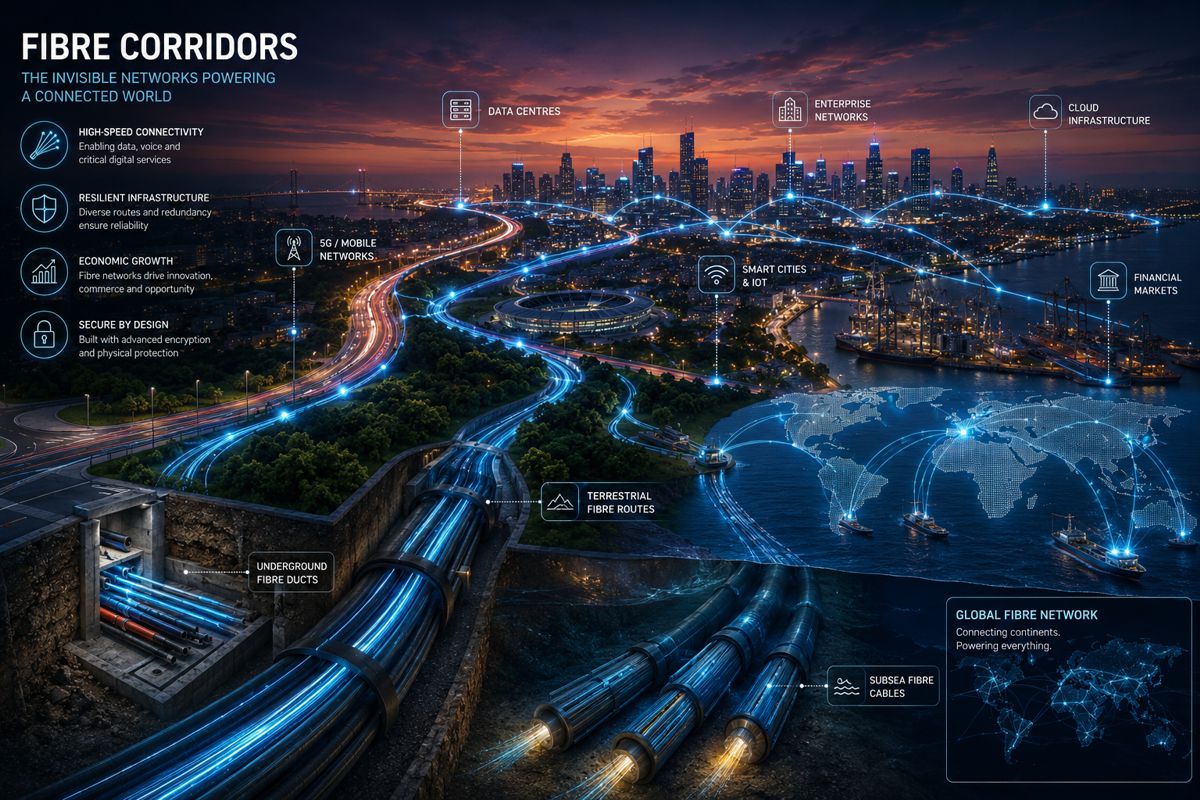
Modern economies now depend on vast underground fibre networks connecting data centres, industrial systems, cloud infrastructure, financial markets, utilities, ports, airports and communications platforms. These corridors are increasingly as strategically important as highways, railways or energy pipelines. Yet most remain almost entirely invisible to the public.
Beneath urban streets, fibre ducts form the nervous system of digital civilisation. Every online transaction, logistics update, remote industrial process, streaming service, traffic management system and AI application depends on these hidden networks operating continuously. The geopolitical significance of digital connectivity infrastructure has intensified dramatically in recent years.
Subsea and terrestrial fibre corridors now influence national resilience, economic security and geopolitical strategy. Egypt, for example, has become one of the world’s most critical digital chokepoints because of the concentration of subsea fibre systems connecting Europe, Asia and Africa through the Red Sea corridor. More than 90 percent of Europe-Asia communications traffic passes through Egyptian-linked cable systems.
When multiple Red Sea subsea cables were damaged in 2024, major connectivity disruption affected global communications traffic, highlighting how dependent modern economies have become on hidden digital infrastructure. As AI adoption accelerates, fibre capacity requirements are expanding rapidly. Autonomous vehicles, industrial automation, edge computing, digital twins and real-time infrastructure management all require ultra-low latency connectivity.
Increasingly, cities and industrial regions compete not only on transport links or labour availability, but on digital connectivity resilience.
Hyperscale data centres illustrate this shift clearly. Operators selecting locations for AI and cloud computing campuses place extraordinary emphasis on fibre redundancy, latency performance and access to multiple network routes. Fibre diversity, once viewed largely as a telecommunications issue, is increasingly regarded as a strategic economic requirement.
The result is a profound redefinition of infrastructure itself. Fibre networks are no longer merely telecommunications assets supporting internet access. They are increasingly foundational infrastructure underpinning AI economies, autonomous systems, industrial automation, financial markets and national resilience.
Digital Water Systems Are Quietly Transforming Urban Resilience
Water infrastructure rarely captures headlines unless systems fail catastrophically. Yet water networks are undergoing one of the most sophisticated digital transformations anywhere in infrastructure.
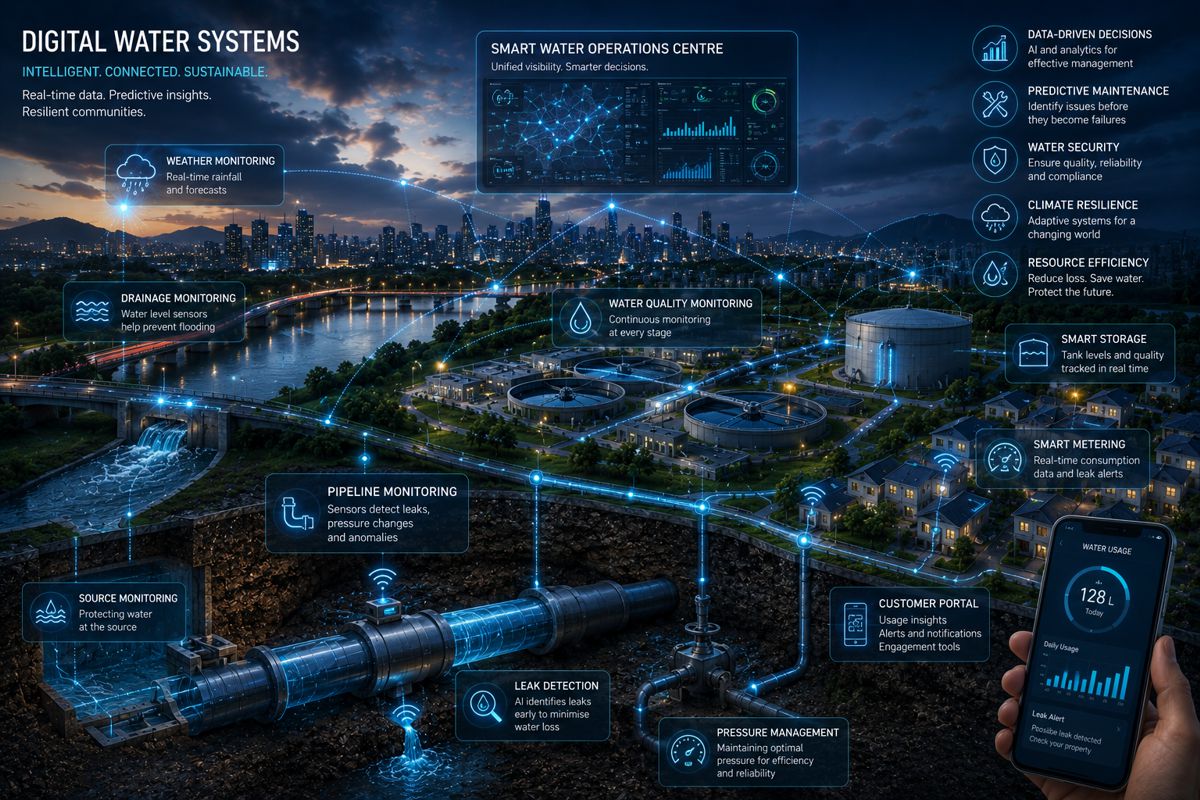
Utilities across the world are deploying intelligent water management systems combining sensors, AI analytics and automated operational controls. Smart meters monitor consumption patterns in real time. Leak detection systems identify pressure anomalies instantly. Water quality monitoring sensors continuously assess contamination risks across networks.
The scale of global water loss explains the urgency. Many cities still lose between 20 and 40 percent of treated water through leaks and ageing infrastructure. In regions facing increasing climate stress, those losses are becoming economically and politically unsustainable.
Acoustic monitoring technologies can now detect leaks invisible to traditional inspection methods. AI platforms analyse consumption patterns to identify abnormal usage behaviour. Predictive maintenance systems allow utilities to replace failing sections before major breaks occur.
Singapore’s water management strategy provides one of the clearest examples of digitally integrated utility resilience. The city-state has combined advanced monitoring systems, intelligent drainage management, desalination infrastructure and water recycling technologies into one of the world’s most sophisticated urban water ecosystems.
Elsewhere, utilities are integrating weather forecasting, flood prediction and drainage management into unified operational platforms capable of responding dynamically during extreme rainfall events.
Water infrastructure is no longer simply about treatment and distribution. It is increasingly about data, resilience and operational intelligence.
Smart Drainage and Climate Resilience
Climate adaptation is rapidly becoming one of the dominant drivers of infrastructure investment globally.
Flooding, heatwaves and severe storms are placing enormous pressure on legacy urban systems originally designed for twentieth-century climate conditions. Cities are therefore turning toward intelligent drainage and flood resilience technologies capable of responding dynamically to changing environmental conditions.
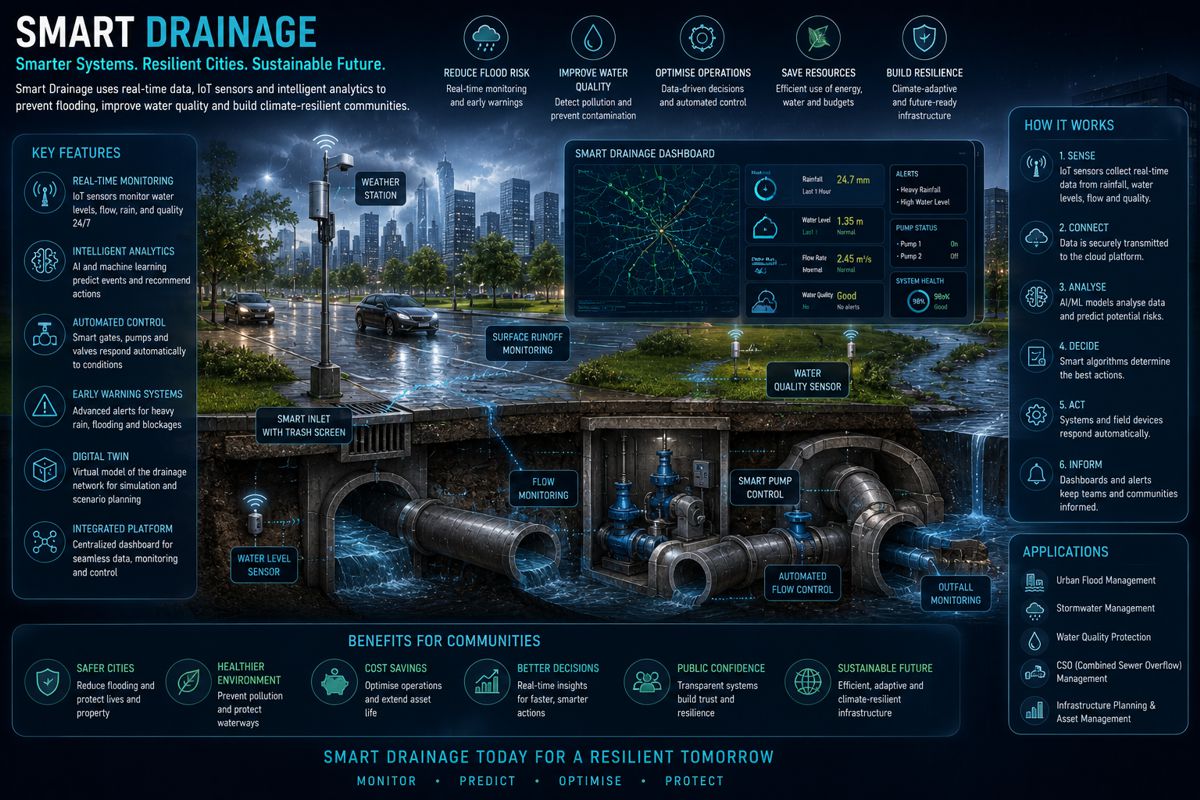
Smart drainage systems now incorporate distributed water-level sensors, rainfall monitoring systems, automated floodgates and AI-driven predictive modelling. These technologies allow operators to identify flood risks in real time and respond before widespread disruption occurs.
Traditional drainage systems operated largely on gravity and fixed engineering assumptions. Modern systems increasingly behave as responsive networks capable of adaptive management during extreme weather conditions. Underground retention systems, digital flood mapping and connected stormwater infrastructure are becoming essential components of urban climate resilience strategies.
The Netherlands has emerged as a global leader in this field, integrating advanced flood monitoring technologies into national water management frameworks. Asian megacities facing monsoon pressures are similarly investing heavily in responsive drainage infrastructure.
Importantly, flood resilience is no longer viewed solely as a public safety issue. It is increasingly regarded as an economic continuity challenge. Financial districts, industrial logistics corridors, ports, data centres and transport hubs all depend on resilient underground systems capable of functioning during climate stress events.
Hidden infrastructure therefore plays a direct role in protecting economic productivity.
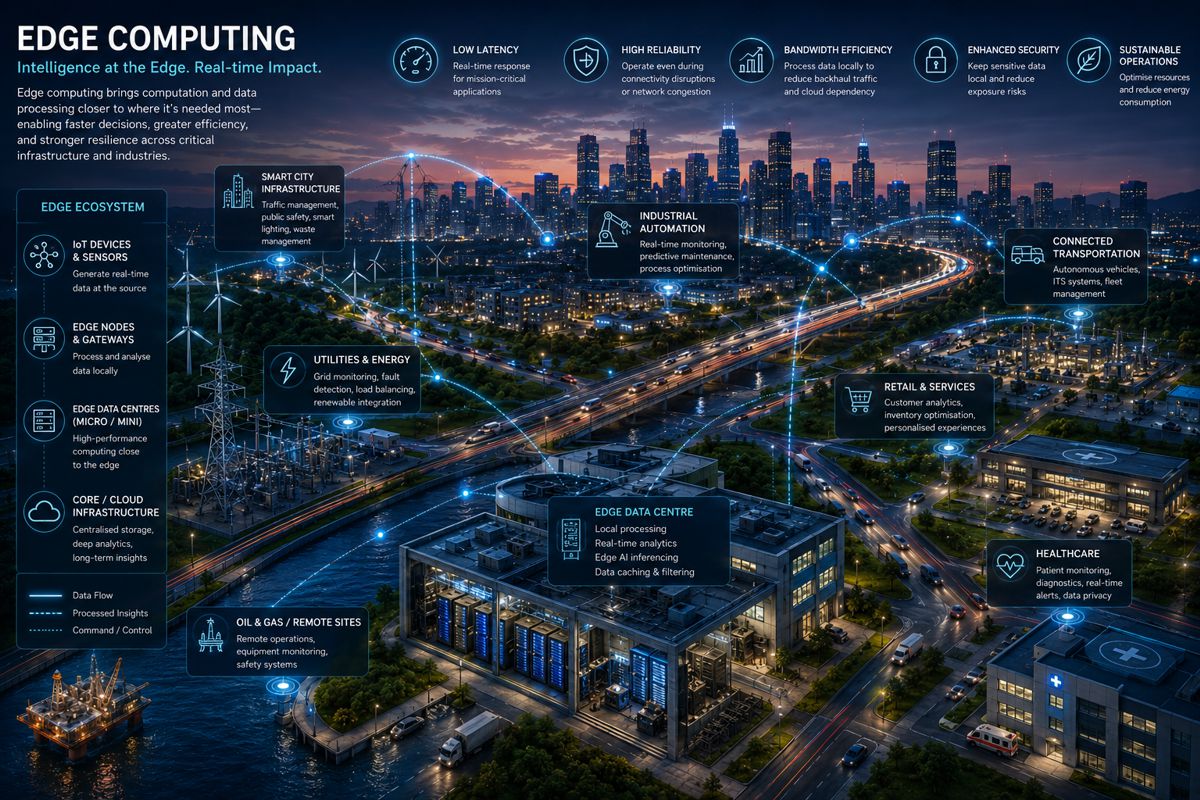
Edge Computing Is Moving Intelligence Closer to the Ground
One of the less visible but highly important developments in modern infrastructure is the rise of edge computing infrastructure.
Historically, infrastructure data was transmitted to centralised control centres or cloud environments for analysis. That model increasingly struggles to support the speed and scale required for autonomous systems, real-time monitoring and AI-driven infrastructure management. Edge computing changes this by moving processing capability closer to physical infrastructure assets.
Small distributed data facilities are now appearing inside utility facilities, transport networks, industrial corridors and urban infrastructure systems. These edge data centres process information locally, dramatically reducing latency and improving operational responsiveness.
Autonomous mobility systems require near-instant data processing. Intelligent traffic management systems must react within milliseconds. Utility fault detection platforms cannot wait for distant cloud processing during critical operational events. Edge computing therefore forms a foundational layer of future infrastructure ecosystems.
This convergence of physical infrastructure and distributed digital computing is creating entirely new infrastructure categories.
Instead of transmitting every data point to remote cloud facilities, local edge nodes analyse information near the source. Only critical insights or summarised operational data may then be forwarded to central systems. The result is dramatically faster response times, lower bandwidth demands and improved resilience.
In effect, infrastructure itself is becoming computational.
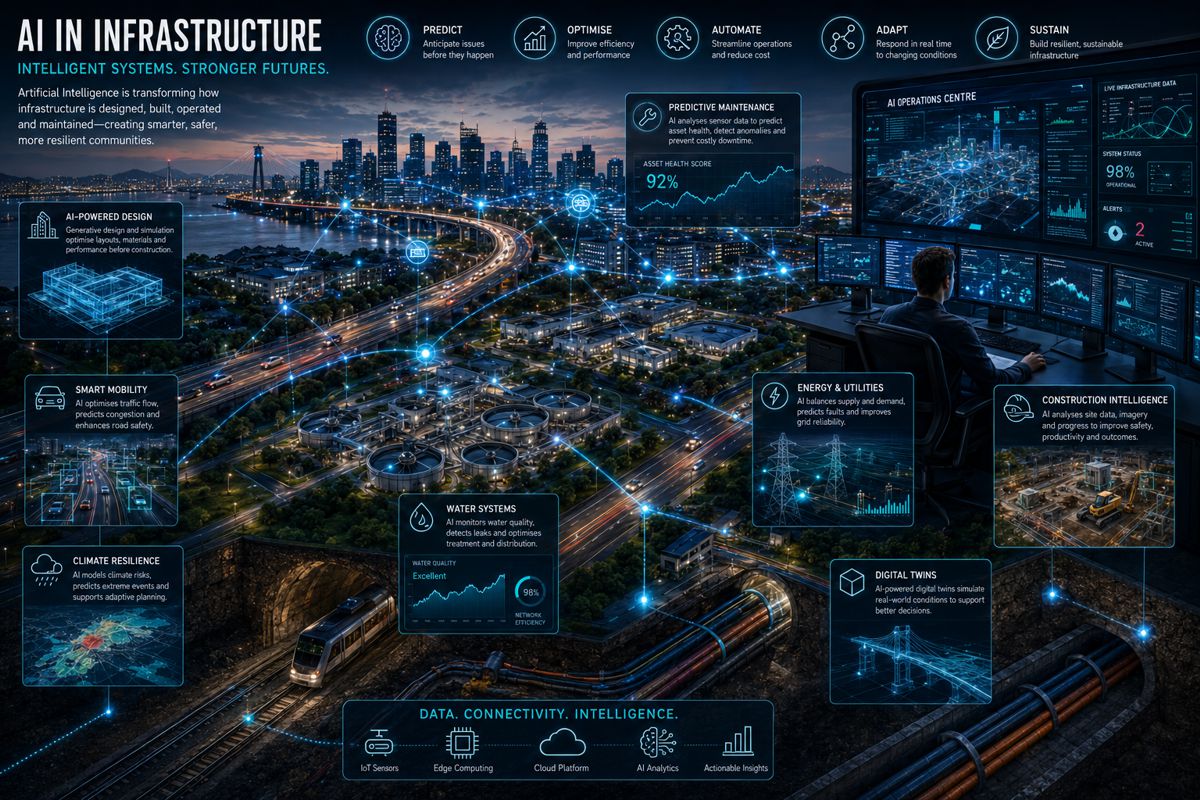
Artificial Intelligence is Reshaping Infrastructure Operations
Artificial intelligence is rapidly transforming infrastructure management, although often in far less visible ways than public discussions around consumer AI applications suggest.
Within infrastructure sectors, AI’s most significant impact lies in operational optimisation, predictive analysis and autonomous system coordination. Utilities are already deploying AI systems capable of forecasting equipment failures, balancing energy demand, detecting anomalies and optimising maintenance schedules.
Importantly, these systems are not replacing engineers. Rather, they are augmenting decision-making by processing enormous volumes of operational data beyond human analytical capacity.
A modern power grid may generate millions of operational data points every second. Water utilities process continuous telemetry from pipelines, pumps, reservoirs and treatment facilities. Urban mobility systems monitor traffic flows, public transport patterns and infrastructure utilisation simultaneously.
AI provides the analytical layer capable of identifying hidden operational patterns and emerging risks within those data ecosystems.
During extreme weather events, intelligent infrastructure systems can dynamically prioritise network protection, reroute resources and optimise emergency response coordination in real time. Infrastructure therefore becomes increasingly adaptive under stress rather than simply vulnerable to failure.
Digital twins are accelerating this transition further. Infrastructure operators are increasingly building real-time virtual models of physical assets and operational networks, continuously updated through live sensor data. AI systems can then simulate failure scenarios, predict cascading impacts and recommend operational responses before problems escalate in the real world.
The future of infrastructure may therefore depend less on how much infrastructure societies build, and more on how intelligently those systems are able to operate together.
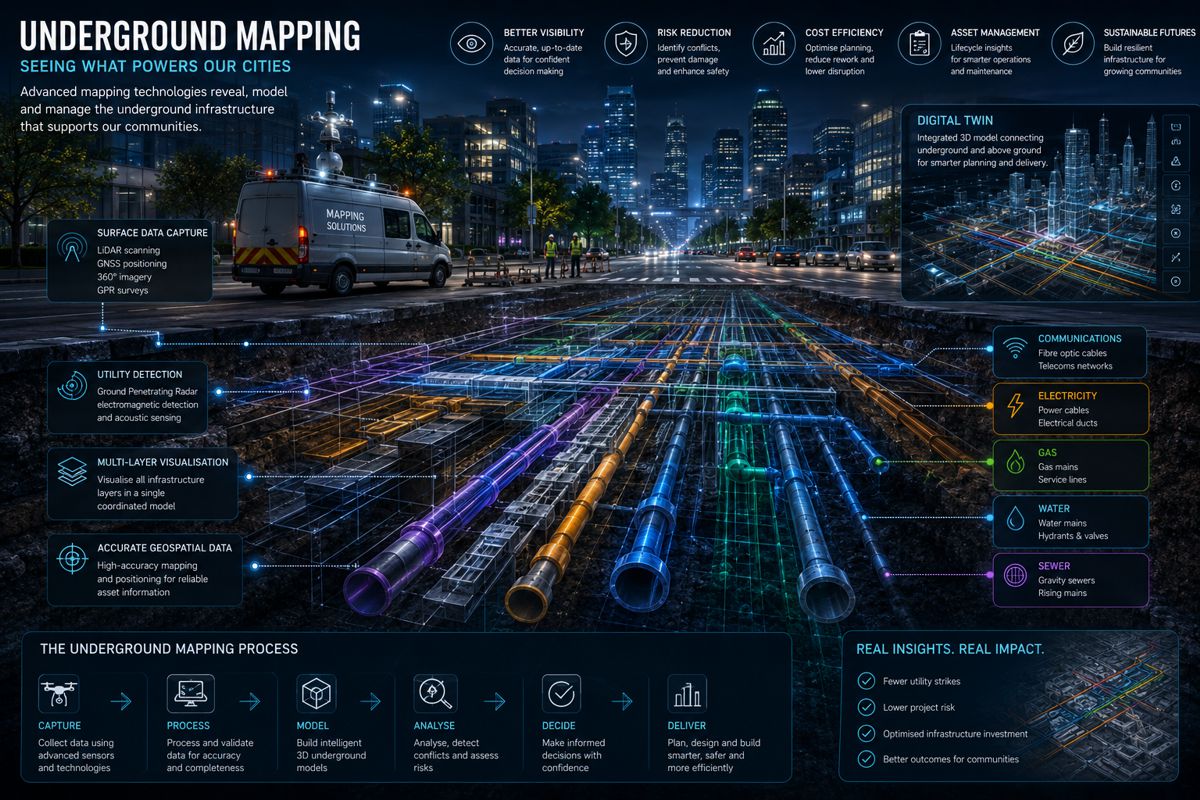
Underground Mapping is Becoming Strategically Essential
One of the longstanding challenges facing infrastructure development has been poor visibility of existing underground assets.
In many cities, decades of overlapping utility construction created fragmented records, incomplete mapping and operational uncertainty. Construction crews routinely encountered undocumented pipes, cables and conduits during excavation works.
Advanced geospatial technologies, ground-penetrating radar, digital twins and AI-assisted infrastructure modelling are changing that rapidly. These systems provide operators with far greater visibility into buried utility networks and underground asset conditions.
Better underground visibility reduces construction delays, lowers infrastructure damage risks and improves coordination between utility operators. It also supports more efficient infrastructure planning for expanding urban environments.
As cities densify further, underground space itself is becoming a strategic resource. Fibre corridors, district energy systems, drainage infrastructure, transport tunnels and utility networks now compete for increasingly limited underground capacity. Managing that complexity requires far more sophisticated digital coordination than previous generations of infrastructure planning ever demanded.
In many major cities, the underground environment is now becoming almost as complex as the city above it.

Cybersecurity Has Become Infrastructure Security
As infrastructure becomes more connected, cybersecurity increasingly becomes inseparable from physical infrastructure resilience.
Traditional utility systems were once relatively isolated from external digital threats. Modern infrastructure ecosystems are deeply interconnected through operational networks, cloud platforms, remote monitoring systems and AI-driven management tools.
That connectivity creates enormous operational advantages, but it also introduces new vulnerabilities. Power grids, substations, water treatment facilities, transport control systems and communications networks now face escalating cyber threats capable of causing real-world disruption.
Infrastructure cybersecurity therefore sits at the centre of modern resilience planning.
The challenge extends far beyond preventing data breaches. Critical infrastructure attacks can disrupt electricity supplies, compromise water quality systems, disable transport operations or interrupt communications networks. The economic and national security implications are profound.
Operators are increasingly adopting layered resilience strategies combining physical security, cyber defence, operational redundancy and AI-assisted threat detection. Infrastructure resilience now depends not only on engineering robustness, but on digital trust.
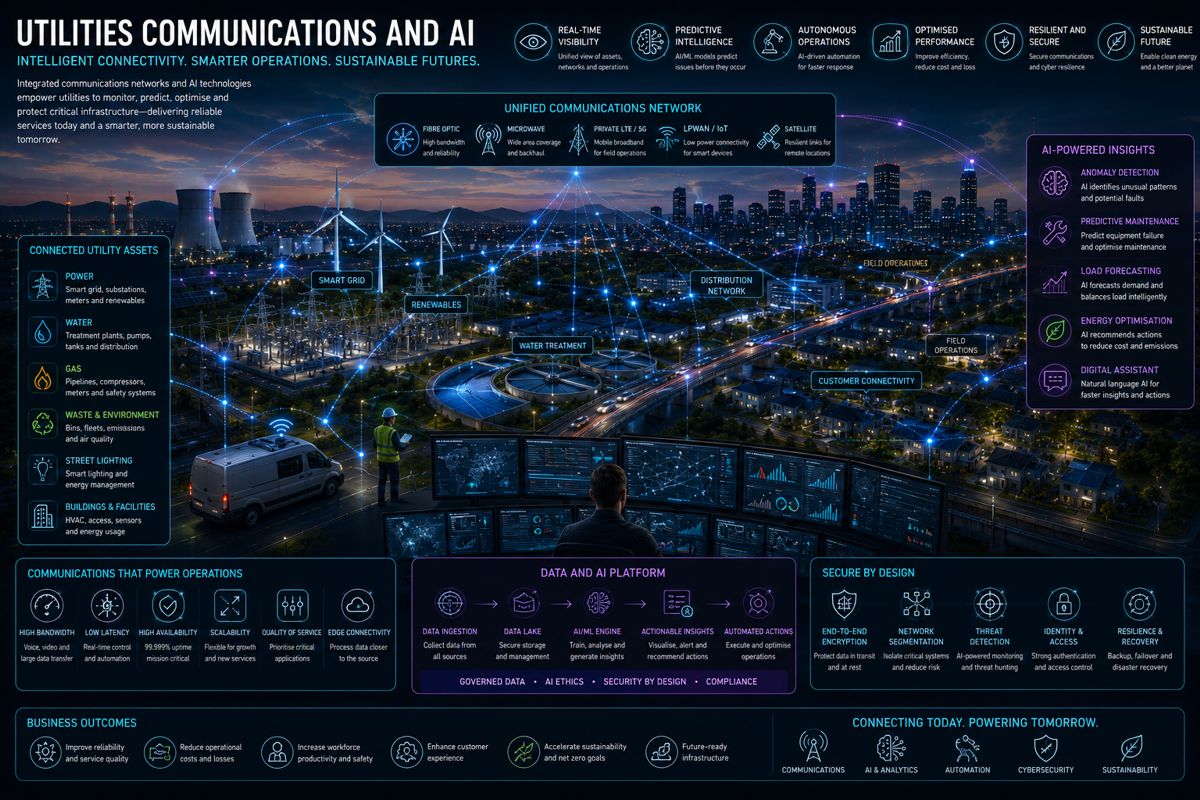
The Convergence of Utilities Communications and AI
One of the most important long-term trends shaping hidden infrastructure is the convergence of previously separate infrastructure sectors.
Utilities, telecommunications, cloud infrastructure and AI systems are increasingly interdependent. A modern intelligent substation depends on fibre connectivity. Autonomous traffic systems rely on cloud processing and edge computing. Water utilities integrate AI-driven operational analysis. Transport networks share data continuously with digital communications systems.
Infrastructure is becoming one interconnected digital ecosystem.
This convergence creates enormous efficiencies, but it also raises strategic questions around governance, interoperability and systemic risk. A major failure within one digital infrastructure layer can rapidly cascade across multiple sectors. Communications disruption can affect utilities. Grid instability can impact data centres. Cyberattacks targeting one operational system may influence wider infrastructure networks.
Increasingly, infrastructure planning requires systems thinking rather than isolated sector management.
The rise of electric vehicles illustrates this convergence clearly. EV charging infrastructure sits at the intersection of transport systems, electricity networks, digital payments infrastructure and communications platforms. What appears relatively simple to consumers is, in reality, a deeply interconnected infrastructure ecosystem involving multiple operational sectors simultaneously.
Infrastructure can no longer be understood purely as physical assets such as roads, substations, pipelines or fibre ducts. Increasingly, infrastructure consists of interconnected physical and digital systems operating together continuously through data exchange, automated coordination and AI-assisted management.
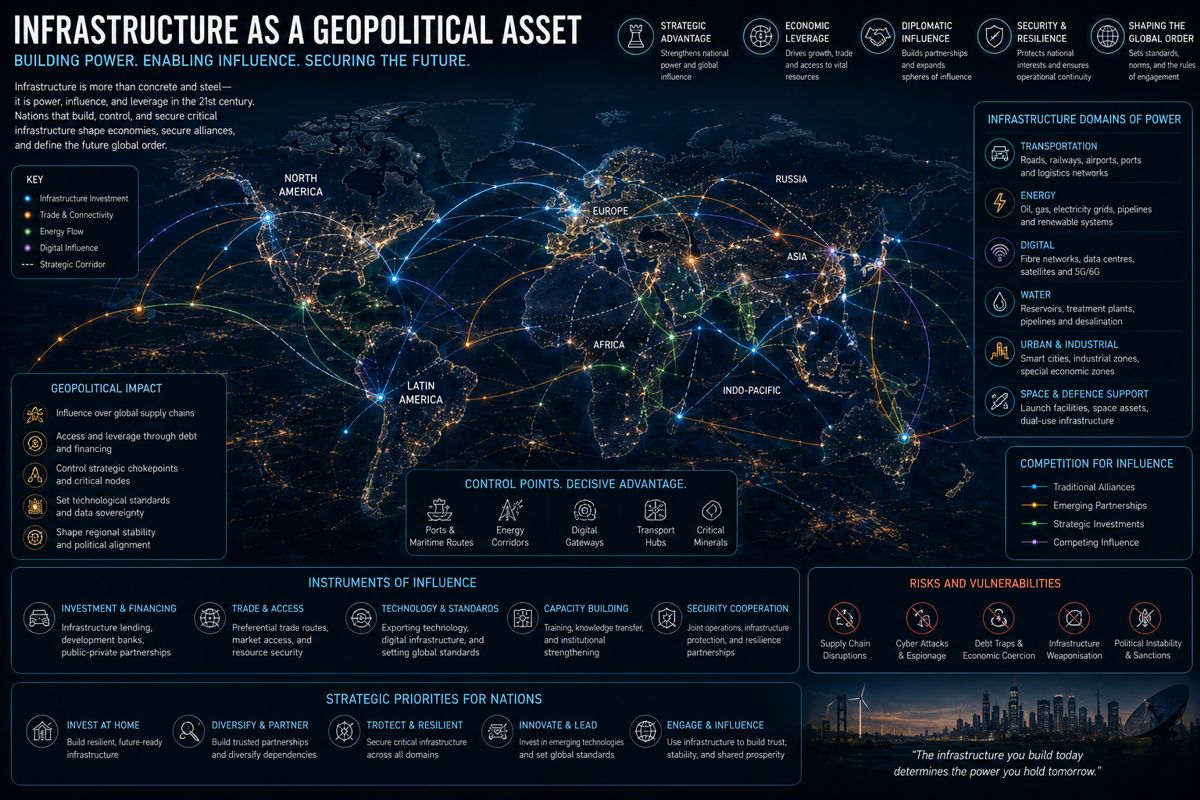
Hidden Infrastructure is Becoming a Geopolitical Asset
The strategic importance of invisible infrastructure extends far beyond cities and utilities.
Nations increasingly compete through digital infrastructure capability, energy resilience and communications connectivity. Fibre routes, subsea cables, intelligent grids and data ecosystems are becoming geopolitical assets comparable to ports, shipping lanes and energy reserves. Infrastructure competition is therefore shifting into the digital domain.
Countries capable of delivering resilient digital infrastructure attract hyperscale data centres, advanced manufacturing, AI investment and technology-intensive industries. Those lacking resilient connectivity risk economic marginalisation.
This explains why governments are investing aggressively in fibre expansion, digital utility modernisation and infrastructure intelligence platforms. The future global economy will increasingly depend on continuous data flows, autonomous systems and resilient digital operations.
Subsea fibre cables illustrate this shift particularly well. Although largely invisible to the public, these cables carry the overwhelming majority of global internet traffic, financial transactions and cloud communications. Modern international commerce depends on them continuously.
As geopolitical tensions intensify globally, concerns around infrastructure resilience, redundancy and sovereignty are accelerating investment in alternative routes and domestic digital capability. Countries are increasingly seeking to diversify subsea cable connections, expand terrestrial fibre networks and strengthen domestic data infrastructure to reduce dependency on vulnerable international corridors.
The infrastructure battles of the future are increasingly being fought through cables, data flows, computational capacity and digital resilience operating silently beneath modern civilisation.
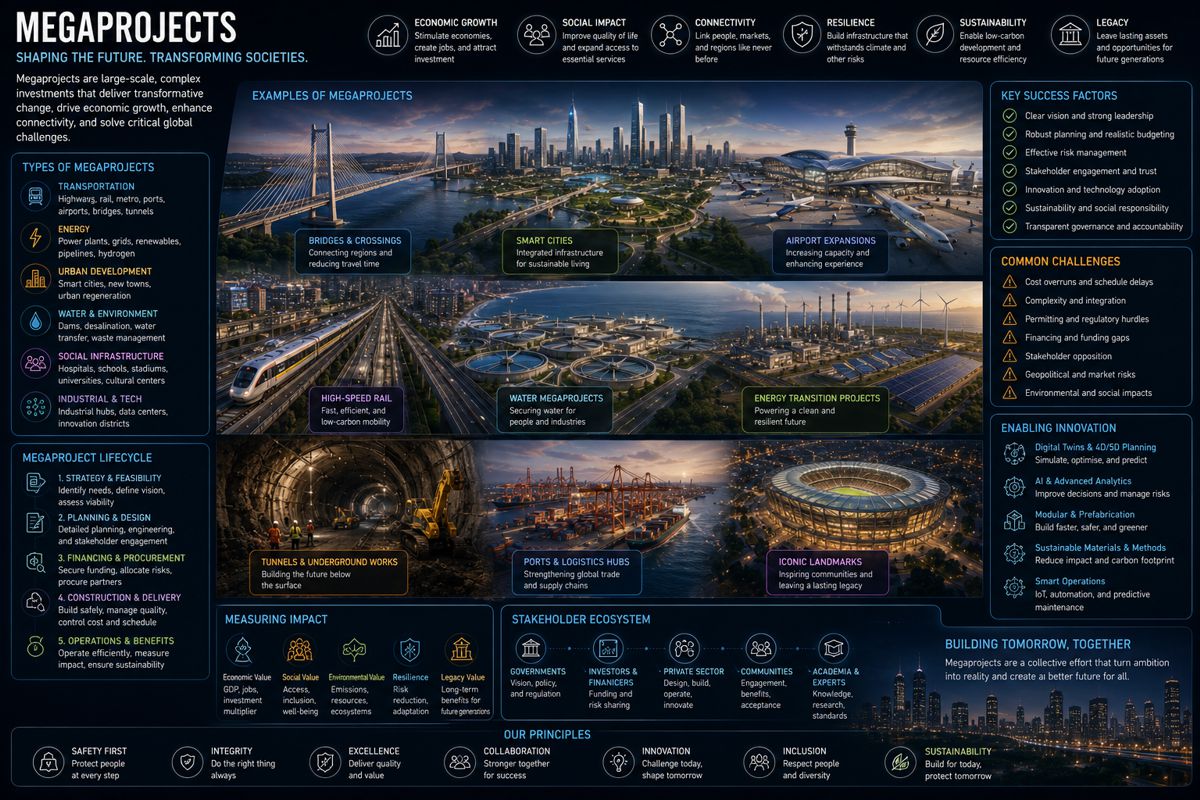
Invisible Infrastructure Is More Than Visible Megaprojects
Visible megaprojects still matter. Airports, ports, rail systems and highways remain essential economic infrastructure. However, their effectiveness increasingly depends on invisible systems operating beneath and behind them.
A modern airport without resilient fibre infrastructure becomes operationally fragile. A transport corridor without intelligent traffic systems suffers reduced efficiency. Industrial zones lacking digital utility management face competitive disadvantages. Logistics hubs without real-time operational intelligence struggle to support automated supply chains.
The infrastructure economy is therefore shifting from purely physical scale toward operational intelligence. Historically, infrastructure prestige focused heavily on visible engineering achievements. Future infrastructure competitiveness may depend far more on digital integration, resilience, redundancy and adaptive operational capability.
In many cases, the most economically valuable infrastructure upgrades are now invisible to the public entirely.
Modern airports provide one of the clearest examples of this transition. Passenger terminals, runways and air traffic systems may remain highly visible assets, but operational effectiveness now depends heavily on hidden digital infrastructure linking airline operations, baggage systems, security platforms and air traffic management into one integrated ecosystem.
The same dynamic is reshaping ports and logistics infrastructure globally. Container terminals once relied heavily on physical scale and geographic positioning. Today’s leading logistics hubs compete increasingly through automation, operational intelligence and digital coordination.
Quietly, the centre of gravity within global infrastructure investment is shifting beneath the surface.
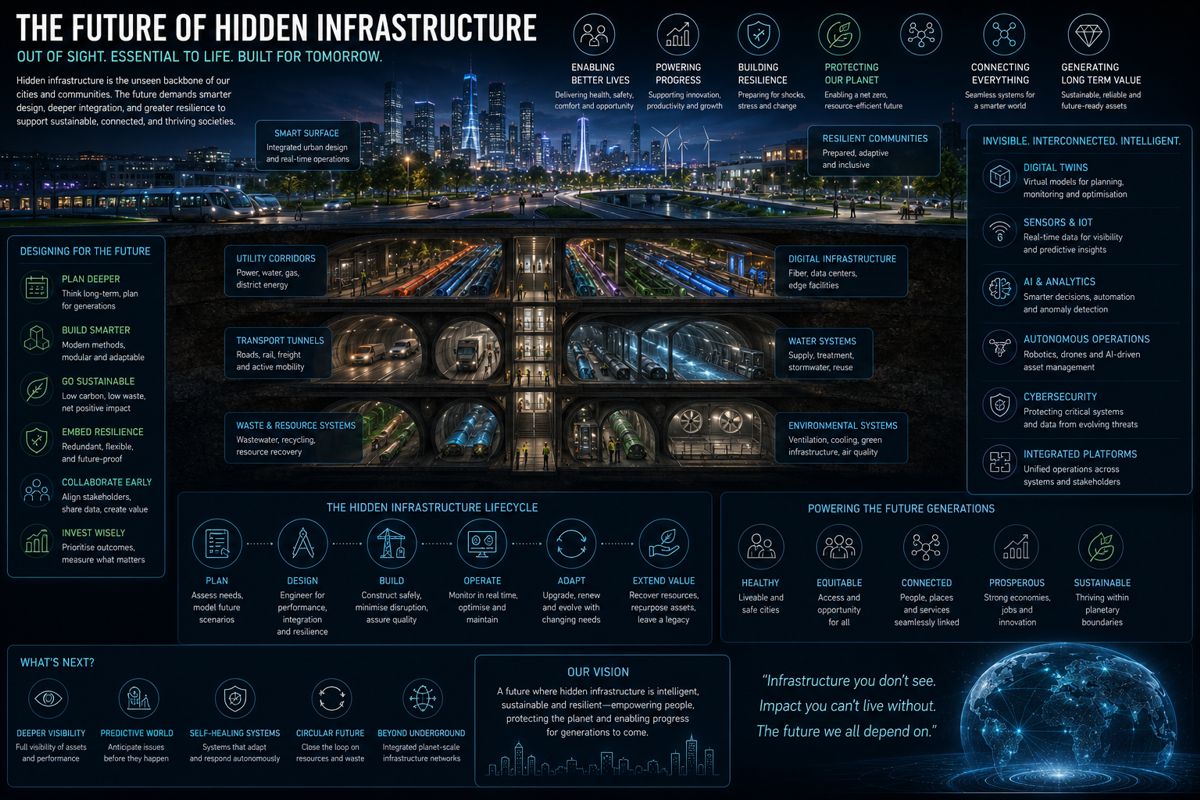
The Silent Foundation of Future Economies
Infrastructure is no longer simply a background utility supporting society passively. It is becoming an active operational platform underpinning economies, cities and national resilience. Autonomous mobility, AI-enabled industry, digital commerce, smart logistics and future energy systems all depend on hidden layers of intelligent infrastructure operating continuously beneath modern life.
The transition remains largely unnoticed by the public because it lacks the visual drama associated with traditional megaprojects. There are no grand unveiling ceremonies for buried fibre ducts, intelligent drainage sensors or predictive maintenance systems. Yet these technologies increasingly determine economic productivity, climate resilience and urban functionality.
What makes this transformation historically significant is that it changes the very role infrastructure plays within society. For centuries, infrastructure functioned primarily as a physical enabler of economic activity. Roads moved goods. Ports enabled trade. Electricity powered industry. Modern infrastructure increasingly behaves as a continuously operating intelligence layer woven throughout economic and urban systems.
In many respects, this represents the emergence of infrastructure as a form of industrial nervous system.
The roads, utilities, transport systems and industrial networks of the future will not merely carry physical flows of traffic, electricity or water. They will continuously process information, analyse conditions and coordinate responses in real time through distributed intelligence operating silently at the edge of the network.
The cities, nations and infrastructure operators that understand this shift earliest are likely to gain significant long-term advantages. Those that continue focusing purely on visible infrastructure risk building impressive physical assets on increasingly fragile digital foundations.
Quietly, beneath streets and behind utility walls, the next era of civilisation is already under construction.