Bentley Sets the Stage for Global Infrastructure with 2026 Awards Programme
The global infrastructure sector is entering a defining phase where digital capability, not just physical scale, determines success. Bentley Systems has just officially opened submissions for its 2026 Year in Infrastructure event and YII Awards, a programme that has steadily evolved into one of the industry’s most credible benchmarks for digital excellence.
While awards programmes often risk drifting into marketing theatre, this one has quietly become something far more consequential. Over two decades, it has tracked the industry’s transition from isolated design tools to fully integrated digital ecosystems. The 2026 edition arrives at a moment when infrastructure owners and contractors are under mounting pressure to deliver more with less, balancing cost, sustainability and resilience in an increasingly volatile global environment.
Submissions are open until May 3, 2026, inviting projects of any scale that utilise Bentley’s software portfolio. Yet the real story lies not in the deadline, but in what these awards now represent: a measurable shift in how infrastructure is conceived, delivered and operated.
From 3D Design to Data Driven Infrastructure
The origins of the programme reflect how far the industry has travelled. What began as recognition for advanced 3D modelling has matured into an evaluation of how data itself is leveraged across the entire lifecycle of infrastructure assets.
Monica Schnitger, founder and principal analyst at Schnitger Corporation, captured that shift succinctly: “Originally, the Bentley awards recognized designers who used 3D technology to drive efficiency. Now they assess how massive projects are building and leveraging rich data assets to create value throughout the entire lifecycle of a project — from initial financial decision-making through design and construction.”
That distinction matters. Infrastructure is no longer judged solely on engineering precision or delivery timelines. Instead, the focus has widened to include how effectively projects capture, structure and reuse data. Digital twins, connected workflows and AI driven analytics are no longer experimental concepts. They are becoming operational necessities.
External research supports this trajectory. According to industry analyses from organisations such as McKinsey and the World Economic Forum, digital adoption in infrastructure can reduce project costs by up to 15 percent and improve delivery timelines significantly when implemented effectively. Yet adoption remains uneven, with many projects still struggling to integrate data across silos. The YII Awards increasingly spotlight those that have overcome this barrier.
A Global Benchmark for Infrastructure Excellence
Few industry initiatives can claim the same breadth of participation. More than 5,500 projects have entered the programme over the past 20 years, spanning continents, sectors and project scales. The diversity of past winners underscores the global nature of the challenge.
From the digital twin used to monitor structural integrity at St Peter’s Basilica in Vatican City to the vast Seine Nord Europe Canal in France, the awards have consistently highlighted projects that push boundaries. The Thames Tideway Tunnel in the UK demonstrated how digital coordination can manage complex urban infrastructure, while Sydney Airport’s expansion showcased how data integration improves operational efficiency in live environments.
These are not isolated success stories. They reflect a broader pattern. Infrastructure projects that embrace digital workflows tend to outperform those that rely on fragmented systems. Improved cost control, better risk management and enhanced sustainability outcomes are recurring themes.
Cate Lochead, chief marketing officer at Bentley Systems, emphasised the practical impact of these innovations: “Around the world, infrastructure professionals rely on Bentley software to design, build, and operate infrastructure that is more resilient, efficient, and sustainable. The YII Awards celebrate real world results from teams that are innovating in areas that include ground informed design, connected data, and AI. It is important to promote this work as best practice as these achievements set a new standard for what’s possible across the infrastructure ecosystem.”
Why Digital Innovation Now Defines Infrastructure Success
Infrastructure has always been a long game. Assets are designed to last decades, often operating under conditions that were not anticipated at the time of construction. This makes adaptability critical, and adaptability increasingly depends on digital capability.
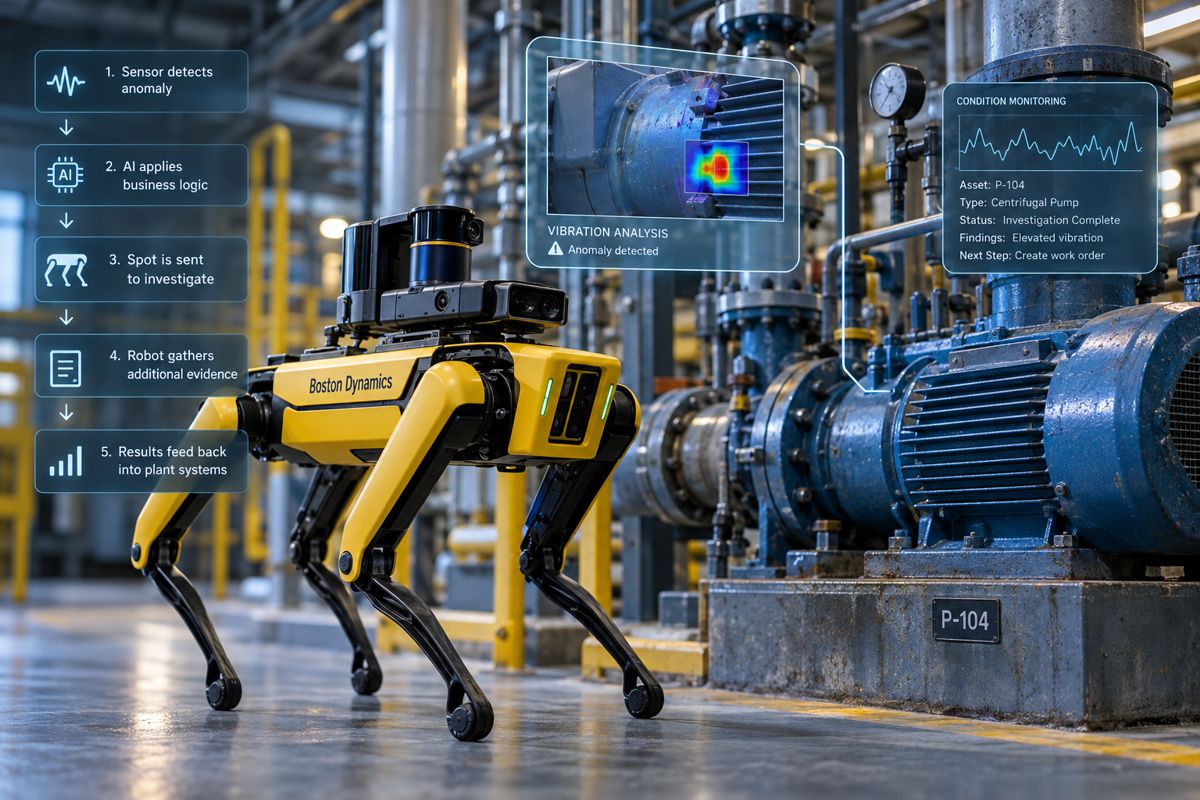
Digital twins are a prime example. By creating dynamic, data rich representations of physical assets, operators can monitor performance in real time, predict maintenance needs and optimise operations. In sectors such as rail, energy and water, this approach is already delivering measurable gains.
The shift is also being driven by external pressures. Climate change is forcing infrastructure owners to rethink resilience. Urbanisation is placing unprecedented strain on transport and utilities. Meanwhile, investors are demanding transparency and performance metrics that traditional systems struggle to provide.
Against this backdrop, software platforms like those developed by Bentley are becoming central to infrastructure strategy. They enable stakeholders to move beyond static models and into continuous, data driven decision making. The YII Awards serve as a lens through which the industry can observe how effectively these tools are being deployed.
Categories Reflect a Fully Integrated Ecosystem
One of the defining features of the 2026 awards is the breadth of categories. Rather than focusing narrowly on design or construction, the programme spans the entire infrastructure lifecycle.
Categories include:
- Bridges and Tunnels
- Cities and Facilities
- Construction
- Energy Production
- Geospatial and Reality Modelling
- Project Delivery
- Rail and Transit
- Roads and Highways
- Structural Engineering
- Subsurface Modelling and Analysis
- Transmission and Distribution
- Water and Wastewater
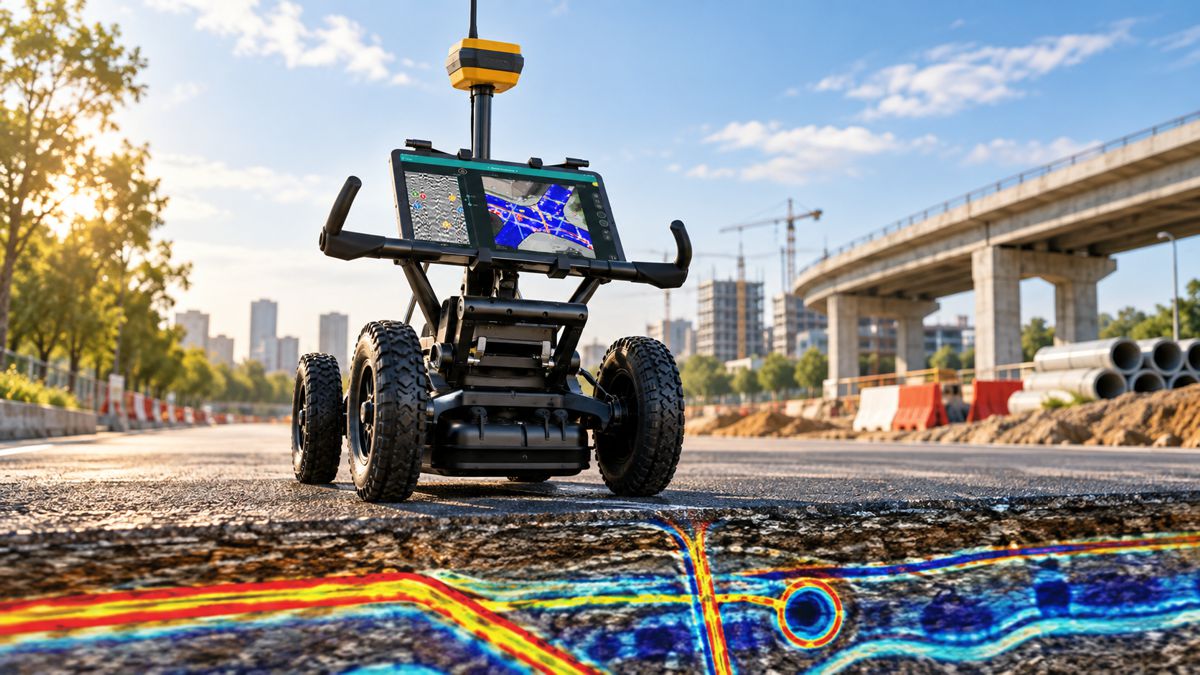
This structure mirrors the increasingly interconnected nature of infrastructure. A road project, for instance, is no longer just about pavement design. It involves geospatial data, traffic modelling, environmental analysis and long term asset management. The same applies across sectors.
By recognising excellence across this spectrum, the awards highlight the importance of integration. Projects that succeed tend to break down traditional silos, enabling collaboration between disciplines and stakeholders.
Independent Judging and Measurable Outcomes
Credibility in awards programmes often hinges on how winners are selected. In this case, submissions are evaluated by independent panels of industry experts, with a focus on tangible outcomes rather than abstract innovation.
Projects are assessed based on:
- Improvements in efficiency
- Cost performance
- Resilience and risk reduction
- Sustainability outcomes
This emphasis on measurable results aligns with broader industry trends. Investors, regulators and clients are increasingly demanding evidence of performance, not just promises of innovation. The YII Awards provide a platform for demonstrating that evidence.
Finalists are announced in August 2026, with selected teams invited to present their projects at the Year in Infrastructure event in Singapore on October 6 and 7. These presentations form a valuable knowledge exchange, offering detailed insights into methodologies, challenges and lessons learned.
Knowledge Sharing as a Strategic Asset
One of the less obvious but most valuable aspects of the programme is the way it disseminates knowledge. Finalist projects contribute detailed case studies, digital playbooks and presentations that are shared with the wider industry.
This creates a feedback loop. Successful approaches are documented and replicated, accelerating the pace of innovation across the sector. For an industry often criticised for slow adoption of new technologies, this kind of knowledge sharing is critical.
It also reinforces the role of digital tools as enablers rather than ends in themselves. The focus remains on outcomes. Better roads, more reliable energy networks, resilient water systems and efficient urban environments are the ultimate goals. Technology is simply the means to achieve them.
Singapore Event Signals a Global Shift
Hosting the 2026 event in Singapore is more than a logistical choice. It reflects the growing importance of Asia in global infrastructure development. The region is investing heavily in transport, energy and urban systems, often with a strong emphasis on digital integration.
Singapore itself has positioned itself as a leader in smart infrastructure, leveraging data and technology to manage urban complexity. Holding the event there reinforces the global nature of the conversation and highlights where much of the future growth will occur.
At the same time, the awards continue to draw participation from Europe, North America, the Middle East and beyond. This global mix ensures that the insights generated are broadly applicable, not confined to a single region or market.
Setting the Pace for the Next Decade of Infrastructure
As infrastructure challenges become more complex, the need for effective digital strategies will only intensify. Projects must deliver on multiple fronts, balancing cost, performance and sustainability while adapting to changing conditions.
The Year in Infrastructure Awards have evolved into a barometer of how well the industry is meeting these demands. They highlight what works, expose what does not, and provide a roadmap for future development.
For infrastructure professionals, investors and policymakers, the message is clear. Digital capability is no longer optional. It is the foundation on which modern infrastructure is built and operated.
Bentley’s 2026 programme does not just celebrate innovation. It reflects a sector in transition, one where data, connectivity and intelligence are reshaping the very definition of infrastructure.