Why J1939 Gauges Are Critical in Heavy Equipment Instrument Clusters?
Modern heavy vehicles and machines, such as tractors, buses, and construction equipment, rely on advanced technology to operate safely and efficiently. One of the most important components of these machines is the instrument cluster, the dashboard that displays all the key information operators need while working.
Over the years, the instrument cluster has evolved from simple analogue dials to fully digital solutions, supported by innovative communication systems. Instrument clusters use data transmitted over the SAE J1939 protocol to provide operators with critical information, helping heavy-duty vehicles run safely and efficiently.
Understanding SAE J1939 and Its Role in Instrument Clusters
J1939 is a communication protocol developed by the Society of Automotive Engineers (SAE). It is based on the Controller Area Network (CAN) standard and enables different components of a heavy vehicle, such as the engine, transmission, and brakes, to communicate with each other.
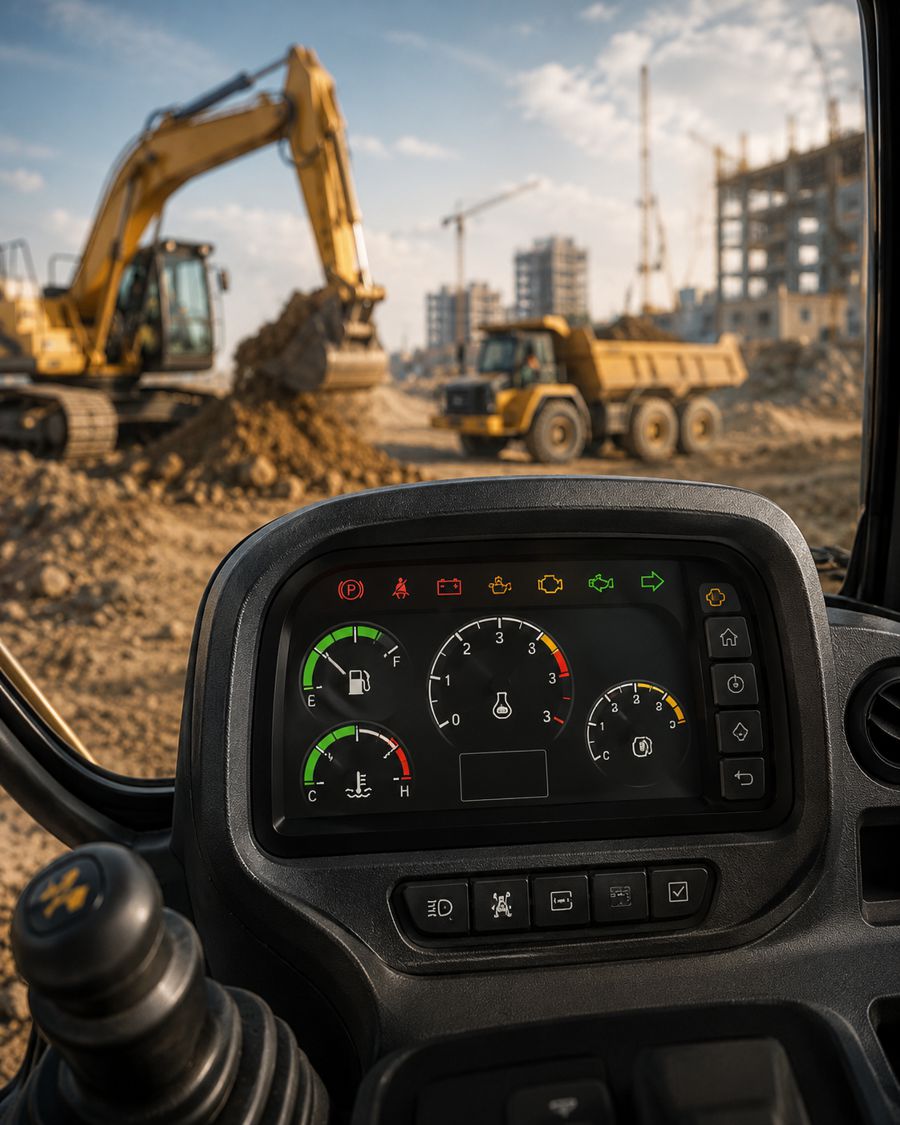
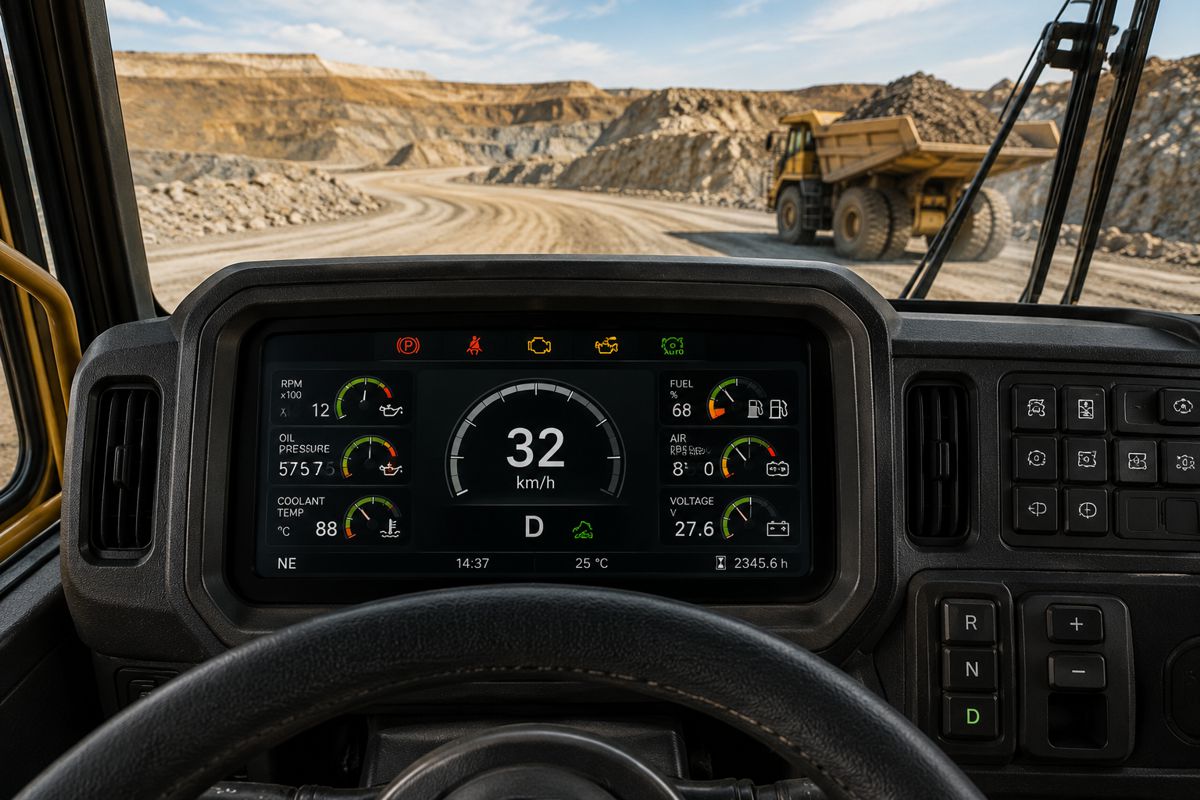
The data from these systems is then presented on the instrument cluster using gauges that interpret J1939 signals. These gauges display information such as speed, engine temperature, fuel levels, battery status, tyre pressure, and warning messages. J1939 standardizes data transmission via Parameter Group Numbers (PGNs), but display logic depends on cluster firmware. In short, they serve as the vehicle’s voice, ensuring the driver or operator always knows what is happening under the hood and around the machine.
Why Does Heavy Equipment Need Advanced Instrument Clusters?
Heavy machinery, whether it is an agricultural tractor or a bulldozer on a construction site, operates in harsh conditions. Operators need reliable, real-time information to make quick decisions. Traditional analogue gauges do not always provide the level of detail required for today’s complex vehicles.
This is where instrument clusters with gauges that display information from J1939 signals make a difference, not unique to J1939, as similar features exist in CAN-based systems. They collect signals from multiple vehicle systems and present the data in a simple, clear format. For example:
- A fuel gauge connected through J1939 ensures the operator knows exactly how much fuel remains.
- An engine temperature gauge alerts the driver if the engine is overheating, preventing damage.
- Warning lights connected to the J1939 system immediately show faults in brakes, transmission, or hydraulics.
Without these connected gauges, operators would have to rely on guesswork or delayed manual checks, which could lead to breakdowns, costly repairs, or even accidents.
Key Benefits of Using J1939 Data
Here are the key benefits of leveraging J1939 data in heavy vehicles:
1. Real-Time Data Sharing
Instrument clusters that receive data via the SAE J1939 protocol provide operators with timely information. By continuously communicating with the vehicle’s electronic control units (ECUs), operators always have access to the latest information about their machine.
2. Improved Safety
While the protocol transmits vehicle data, the instrument cluster interprets it and can alert operators to potential issues, such as low oil pressure, overheating, or brake system faults. These alerts allow operators to act quickly, preventing accidents and equipment damage.
3. Simplified Diagnostics
By standardizing error codes and system messages, J1939 enables instrument clusters to display diagnostic information efficiently. This helps mechanics identify the exact issue faster, reducing downtime and repair costs.
4. Standardisation Across Vehicles
Because J1939 is an industry standard, clusters using this protocol can be used across different types of heavy vehicles. Whether it is a truck, bus, or tractor, the gauges provide a consistent way of showing information, making it easier for operators and technicians to work with multiple machines.
5. Future-Ready Technology
As heavy equipment becomes increasingly connected through telematics and fleet management systems, J1939-compatible clusters seamlessly integrate into this ecosystem. They are already designed to share information across systems, making them ready for integration with modern digital tools.
Applications in Different Sectors
Here’s how J1939 data is used across different types of heavy vehicles:
Agricultural Equipment
Farmers rely on tractors and harvesters that operate for extended periods in the field. Instrument clusters using J1939 data provide vital information such as fuel consumption, hydraulic pressure, and power output, ensuring operations are efficient and safe.
Construction Machinery
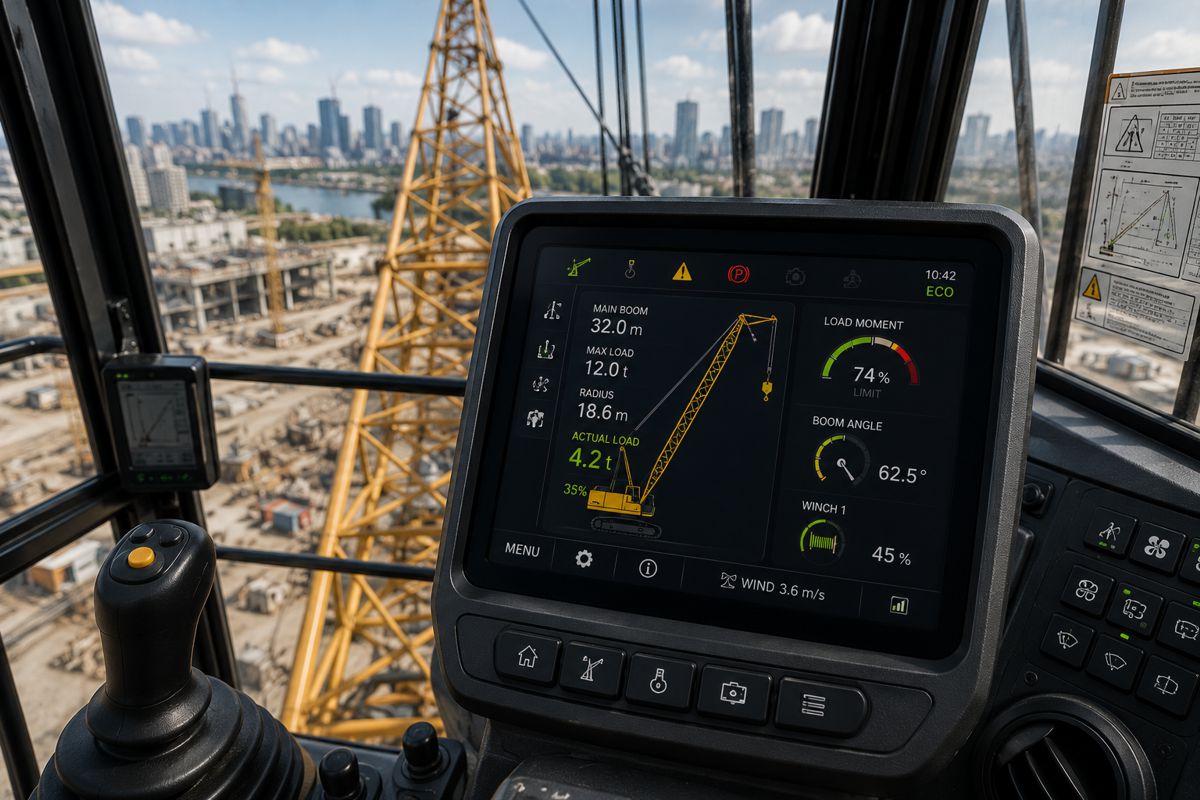
Bulldozers, loaders, and cranes need constant monitoring due to the heavy loads they handle. Construction equipment instrument clusters that interpret J1939 signals display engine performance, load levels, and fault alerts, reducing the risk of breakdowns during critical tasks.
Commercial Vehicles
Bulldozers, loaders, and cranes need constant monitoring due to the heavy loads they handle. Construction equipment instrument clusters that interpret J1939 signals display engine performance, load levels, and fault alerts, reducing the risk of breakdowns during critical tasks.
Electric and Hybrid Vehicles
As the industry shifts towards cleaner energy, instrument clusters in electric and hybrid vehicles use J1939 data to monitor battery levels, energy use, and motor performance. These clusters provide operators with key information to manage energy consumption and charging efficiently.
Exclusive Features of Instrument Clusters Using J1939 Data
Here are the key features enabled by J1939 data in instrument clusters:
- Dynamic display: Information updates in response to driving or working conditions, using data transmitted via J1939, ensuring operators view what matters most at the right time.
- Scalability: New functions can be added through software upgrades, thereby extending the cluster’s lifespan.
- Customisation: Manufacturers can design clusters with branding and unique layouts without affecting the standard J1939 communication.
- Durability: Instrument clusters that display J1939 data are designed to withstand dust, vibration, and harsh weather conditions, making them ideal for use in heavy-duty applications.
How J1939 Gauges Enhance Operator Experience?
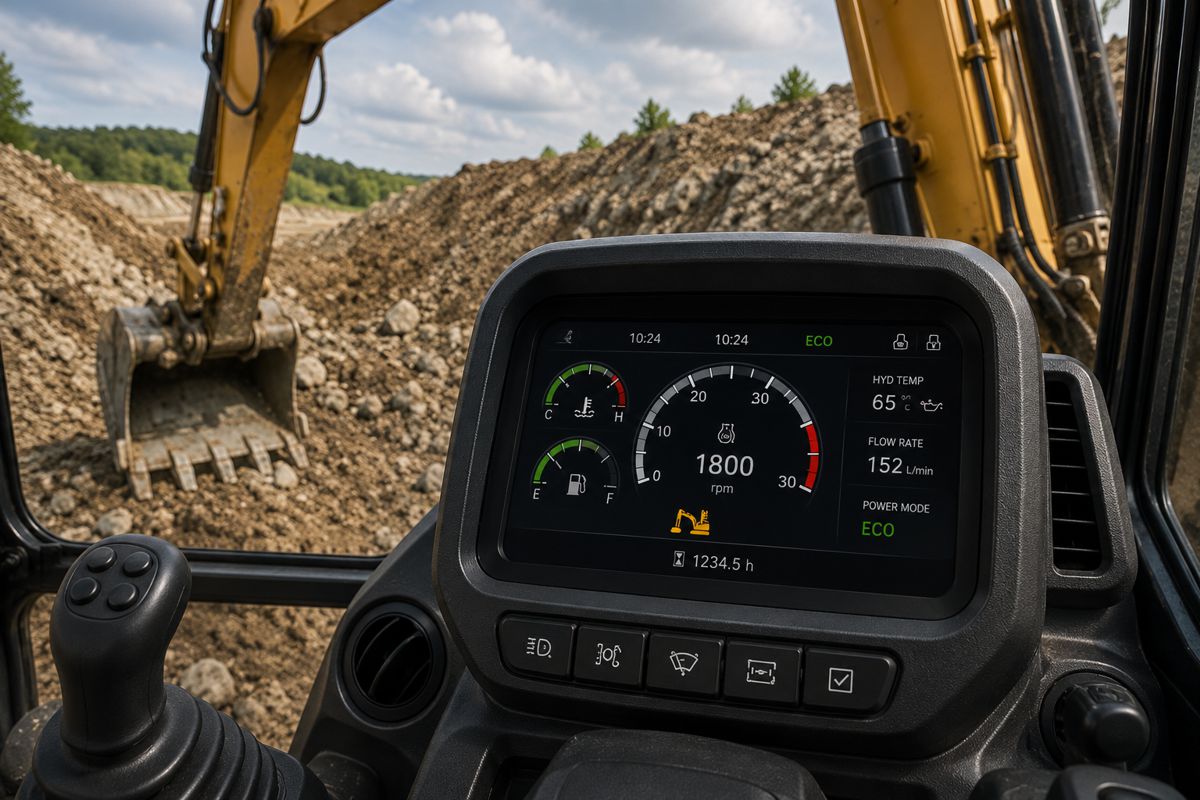
For the operator, the most significant advantage of J1939 gauges is clarity. Instead of multiple analogue dials scattered across the dashboard, all critical information is displayed in a single, easy-to-read digital display. These clusters reduce distractions, keep operators focused on the task, and provide timely information that helps ensure the vehicle runs smoothly. Companies like Indication Instruments Ltd. are creating such models that will enhance the life of the automobile, extending its lifecycle with increased safety and reduced damage.
By combining performance data with safety alerts, these gauges create a more comfortable and controlled driving or operating experience. This is particularly important for long shifts on farms, construction sites, or highways, where fatigue can set in.
Looking Ahead
The role of instrument clusters using J1939 data in heavy equipment is set to grow further. As vehicles become increasingly intelligent and automated, they will integrate with advanced driver assistance systems, cameras, and telematics, using the data transmitted through J1939.
While the protocol provides standardized data, it does not itself predict maintenance needs, warn about potential failures, or support autonomous operations; these functions are handled by software or telematics systems.
Conclusion
Instrument clusters using J1939 data are more than just digital meters. They are the backbone of modern heavy equipment instrument clusters, bringing together safety, efficiency, and convenience. By standardising communication between vehicle systems, these clusters ensure that operators receive timely, accurate information to perform their work safely and effectively.
Indication Instruments Ltd. has played a key role in advancing digital instrument clusters and J1939 technologies, helping industries adopt more innovative solutions that improve performance and reliability. As heavy equipment continues to evolve, the importance of instrument clusters using J1939 data will only increase, making them a critical part of the future of mobility and industrial operations.