Scotland Expands Trenchless Capabilities with First GRUNDODRILL 28N Plus
Across the UK’s infrastructure sector, trenchless technology is moving steadily from specialist utility work into a critical delivery method for modern network upgrades. Ageing water infrastructure, expanding fibre networks, increasingly congested urban corridors and tighter environmental regulations are all pushing contractors towards low disruption installation methods capable of handling more difficult ground conditions with greater efficiency.
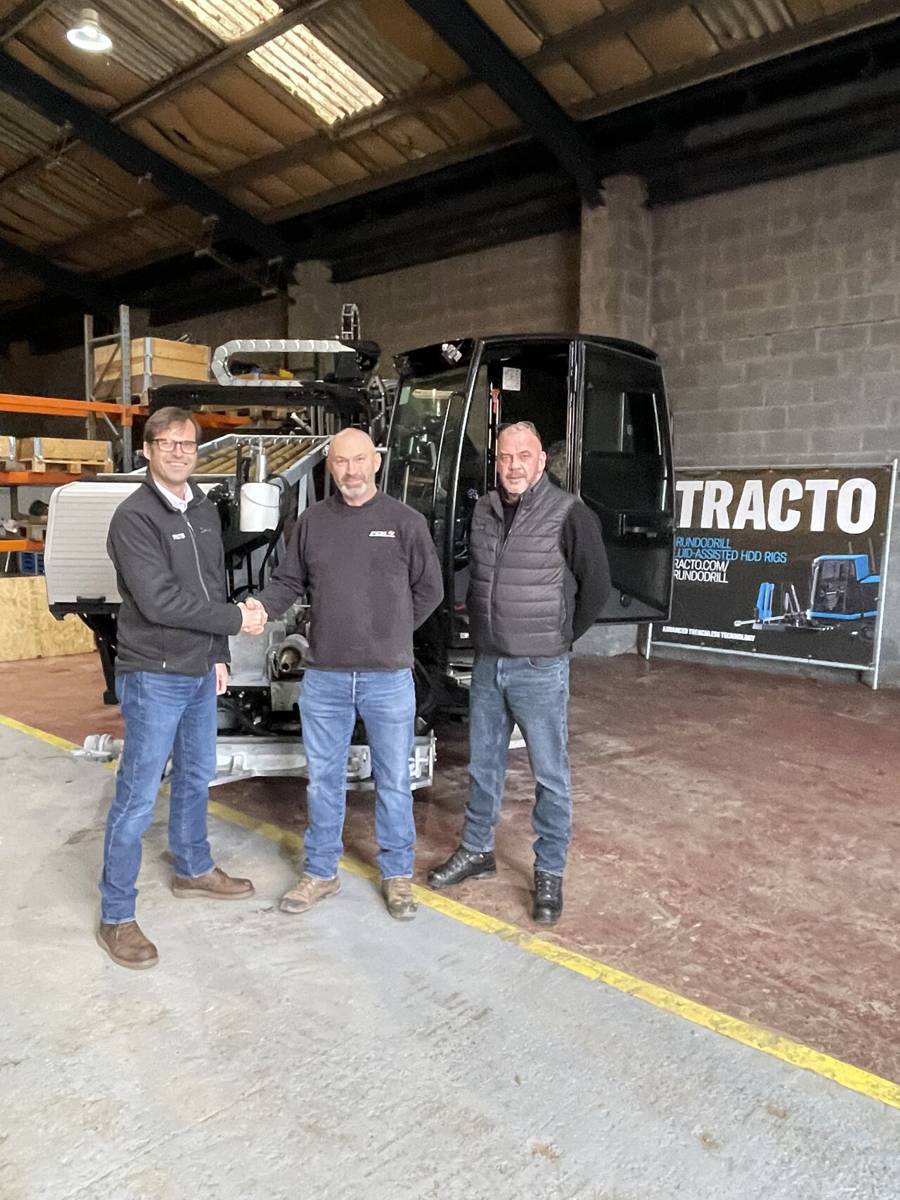
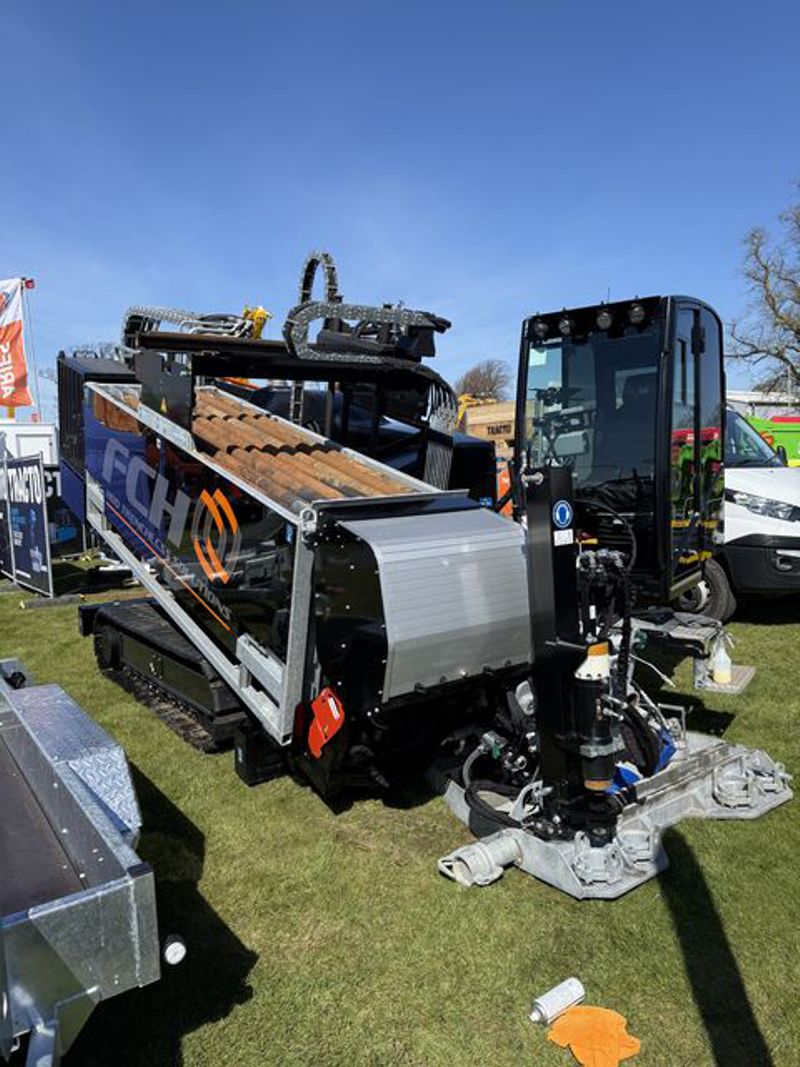
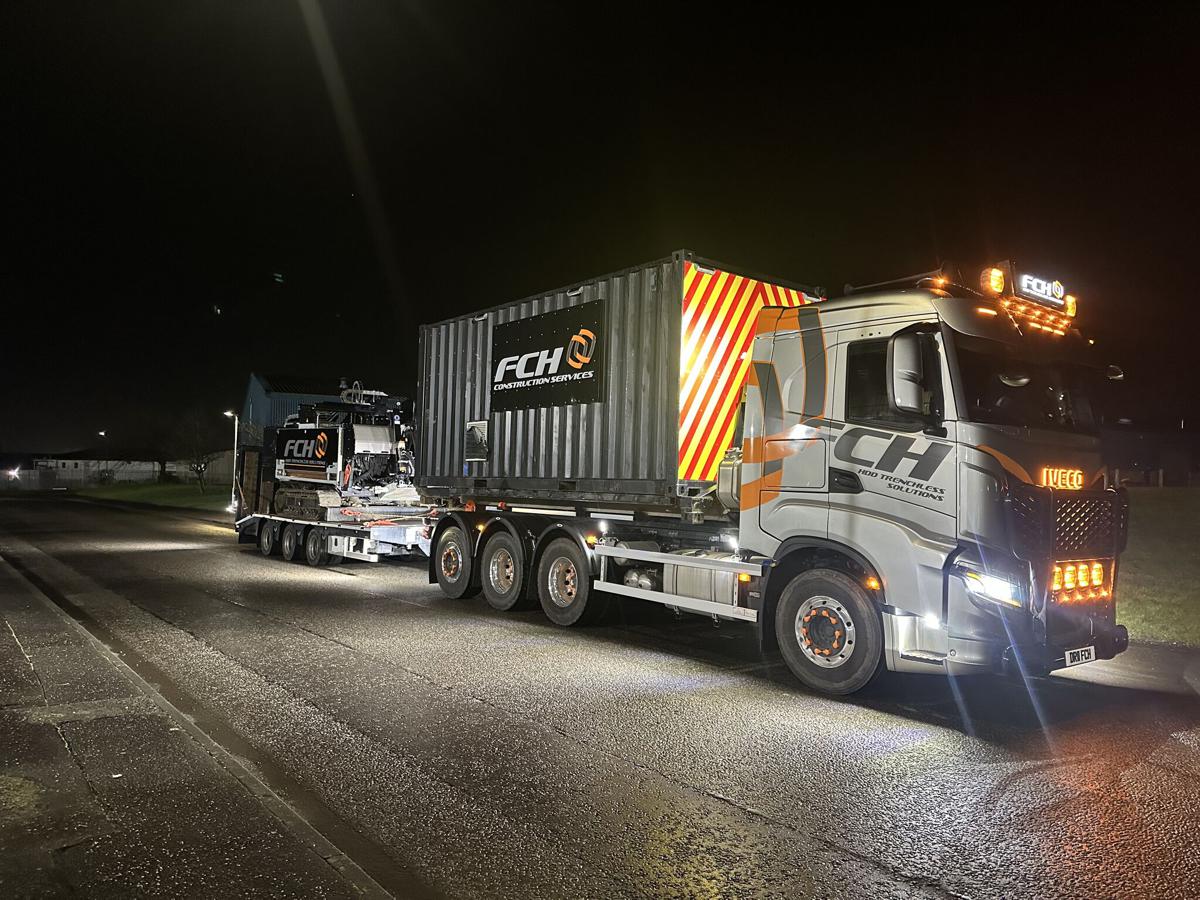
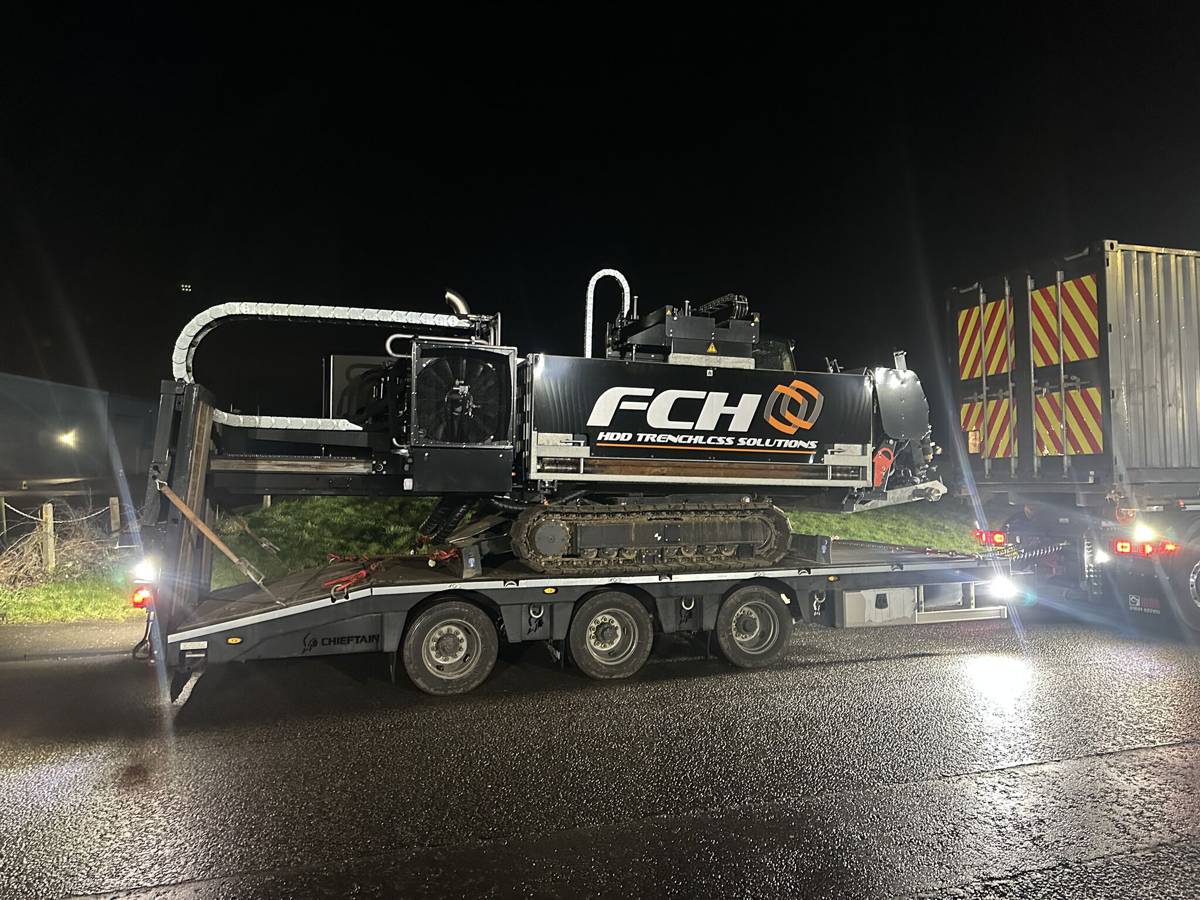
The arrival of the first GRUNDODRILL 28N Plus in the UK signals more than a routine equipment purchase, the new horizontal directional drilling rig, delivered to Scottish contractor FCH HDD Trenchless Solutions, reflects growing confidence in the long term demand for larger, more capable trenchless systems across Britain’s infrastructure market.
The machine has already entered operational service on a technically demanding Scottish Water project beneath the River Urie, where it installed a replacement pipeline through mixed geology including sand, gravel, cobbles and soft rock. For contractors operating in Scotland and northern England, where ground conditions can change rapidly and remote project locations often complicate logistics, that kind of capability carries significant commercial value.
The wider market conditions support the investment. According to industry analysis from organisations including the UK Society for Trenchless Technology and global infrastructure research firms, trenchless construction continues to gain momentum worldwide as governments seek to modernise underground infrastructure while minimising traffic disruption, environmental damage and carbon intensive excavation works. Water utilities, in particular, are increasingly relying on directional drilling to replace vulnerable pipelines beneath rivers, transport corridors and environmentally sensitive landscapes.
Briefing
- FCH HDD Trenchless Solutions has taken delivery of the first GRUNDODRILL 28N Plus rig in the UK
- The machine recently completed its first Scottish Water project beneath the River Urie
- The rig delivers 28 tonnes of pullback force alongside 11,000Nm of torque and a high capacity mud pump
- Scotland’s challenging geology and growing infrastructure demands are increasing the role of trenchless construction
- The investment reflects broader UK demand for lower disruption underground utility installation methods
Trenchless Construction Continues to Reshape Infrastructure Delivery
The growing importance of horizontal directional drilling across Europe is closely tied to how infrastructure owners now assess project risk, environmental impact and public disruption. Open cut excavation remains effective in many situations, but increasingly crowded transport corridors and stricter environmental oversight have made trenchless alternatives more attractive for utilities and contractors alike.
Water infrastructure has become one of the strongest drivers of this transition. Across the UK, water companies face mounting pressure to modernise ageing networks, reduce leakage and improve resilience against extreme weather conditions. River crossings, protected habitats and urban installations frequently require construction methods that minimise excavation while maintaining operational continuity.
Scotland presents an especially demanding operating environment for underground infrastructure contractors. Variable geology, remote terrain and harsh weather can quickly complicate conventional installation techniques. As a result, contractors capable of handling rock, mixed ground and longer bores are becoming increasingly valuable within the market.
FCH HDD Trenchless Solutions has steadily positioned itself within that specialist segment over recent years. Based in Kirkcaldy, the company has expanded its trenchless operations across Scotland and northern England, focusing on technically demanding installations where conventional excavation becomes impractical or excessively disruptive.
The addition of the GRUNDODRILL 28N Plus significantly extends that operational capability.
A Larger Rig Designed for Demanding Ground Conditions
The new drilling system sits within a heavier and more powerful category of HDD equipment increasingly required for modern utility installations. The GRUNDODRILL 28N Plus delivers 224kW of engine power alongside 28 tonnes of pullback and push capability. The machine also carries 288 metres of onboard drill rods, allowing crews to undertake longer installations without repeated interruptions for rod logistics.
Torque remains one of the defining performance metrics for directional drilling in difficult geology, particularly where cobbles, fractured rock or mixed formations can destabilise the bore path. The machine’s continuously variable 11,000Nm torque output is intended to provide improved control and drilling consistency through challenging subsurface conditions.
Fluid management also plays a central role in HDD performance, especially on longer or geologically unstable crossings. The integrated 650 litres per minute mud pump supports higher volume drilling fluid circulation, helping stabilise the bore, remove spoil and reduce the risk of collapse or excessive tool wear during operation.
While headline specifications often dominate equipment announcements, operational reliability frequently determines profitability in the field. Downtime on HDD projects can rapidly escalate costs due to traffic management, environmental controls, subcontractor coordination and utility scheduling constraints.
Fraser Hart, Managing Director of FCH HDD Trenchless Solutions, highlighted those practical considerations directly: “TRACTO machinery provides the strength and performance we need for the arduous terrain we have up here in the north. The units are exceptionally productive and our operators particularly appreciate the simplicity of operation. As with all the equipment we buy ease of maintenance is essential for minimal downtime. Both TRACTO machines have excellent access for all regular checks and servicing.”
Building on Earlier Investment in Specialist HDD Equipment
The purchase also reflects a broader strategic progression for the contractor rather than a one off fleet expansion. FCH previously invested in a GRUNDODRILL 18ACS, commonly referred to within the sector as the “King of Rock”, a machine designed specifically for difficult rock drilling applications.
That earlier rig has reportedly spent the past two years working across Scotland and northern England on demanding trenchless projects involving highly variable geology. The experience appears to have shaped the company’s decision to move into a larger performance class with the 28N Plus.
Importantly, the two rigs now create greater operational flexibility across different project types. Smaller and mid sized bores can continue to utilise the 18ACS, while larger diameter installations or longer crossings can be assigned to the newer machine.
Efficiency gains also emerge through shared support infrastructure. The MA07 Mixing Unit originally acquired alongside the 18ACS will now support both drilling systems, helping streamline fluid management operations and reduce duplicated equipment investment.
This type of staged expansion has become increasingly common among specialist trenchless contractors seeking to scale operations without overextending financially. Rather than building large fleets immediately, many firms are gradually adding capability tiers aligned to evolving project complexity and client demand.
River Crossing Demonstrates Operational Capability
The rig’s first operational deployment offered a useful demonstration of the machine’s intended role within the UK market.
Working for Scottish Water, the contractor installed 100 metres of 315mm diameter pipe beneath the River Urie to replace an existing pipeline that had burst below the riverbed. Water infrastructure crossings of this nature often present difficult logistical and environmental constraints, particularly where river ecosystems or surrounding land use limit excavation access.
According to the supplied project information, the drilling operation encountered sand, gravel, cobbles and soft rock during installation. Mixed geology of that kind can create instability within the bore path, increase steering complexity and accelerate wear on tooling systems.
The new rig reportedly completed the installation approximately four metres beneath the riverbed, allowing the replacement pipeline to be installed without major surface disruption to the surrounding environment.
Projects like this increasingly illustrate why water utilities are expanding their use of trenchless techniques. Traditional excavation beneath rivers frequently requires extensive environmental mitigation, temporary diversions or significant surface restoration works. Directional drilling can substantially reduce those impacts while shortening project timelines and minimising disruption to local communities.
Scotland’s Infrastructure Market Is Driving Demand for HDD Expertise
The investment also reflects wider infrastructure trends emerging across Scotland and the UK.
Water network renewal remains a major priority for utilities facing ageing assets and climate resilience challenges. At the same time, broadband expansion, renewable energy infrastructure and grid modernisation projects are increasing demand for underground utility installation capacity.
Directional drilling has become particularly important for fibre deployment projects where roads, railways, waterways and environmentally protected areas require non invasive crossing methods. Similar demand is emerging from renewable energy developments, where underground cable installation is often necessary across sensitive landscapes.
Scotland’s geography adds another layer of complexity. Mountainous terrain, remote rural networks and variable geology create conditions where specialist drilling expertise becomes essential rather than optional.
That growing reliance on trenchless systems is also reshaping contractor competition. Firms capable of handling complex bores in mixed or rocky conditions increasingly hold an advantage when bidding for technically sensitive utility projects.
Equipment capability alone, however, is rarely sufficient. Experienced operators, fluid management expertise and subsurface planning remain critical factors in successful HDD delivery. The sector continues to face skills shortages across many regions, particularly as larger and more technically advanced rigs enter service.
Underground Infrastructure Moves Further into the Spotlight
For much of the public, trenchless construction remains largely invisible. Yet beneath roads, rivers and urban infrastructure, directional drilling is becoming an increasingly important component of modern utility delivery.
As governments and infrastructure owners prioritise resilience, lower disruption construction and environmental protection, HDD technology is steadily moving from niche specialist work into mainstream infrastructure strategy.
The delivery of the UK’s first GRUNDODRILL 28N Plus may appear modest compared to major transport megaprojects or headline infrastructure announcements. Still, it reflects something broader unfolding across the sector. Underground infrastructure delivery is becoming more technically sophisticated, more specialised and more strategically important to how modern economies function.
For contractors operating in demanding terrain, capability increasingly determines opportunity. Scotland’s challenging geology has long tested underground installation methods. Machines capable of handling those conditions efficiently are likely to become increasingly valuable as utility investment accelerates over the coming decade.