SewerAI Wins Backing to Tackle Trillion Dollar Infrastructure Gap
A funding round that closed in early June has thrown a spotlight on one of the least glamorous corners of the built environment, the pipes nobody thinks about until something goes badly wrong. SewerAI, a Walnut Creek software firm that uses artificial intelligence to read and interpret sewer inspection footage, has secured a major strategic investment led by JMI Equity, the growth-equity investor with offices in San Diego, Washington and Baltimore. Existing backers Innovius Capital, Epic Ventures and Bentley Systems all came back for another bite, and the parties chose not to disclose the size of the cheque.
The timing wasn’t accidental. The National League of Cities’ 2026 Municipal Infrastructure Conditions Report found that water and sewer assets have slid further in condition than any other major category since 2022, even though local governments keep ranking them near the top of their capital priorities. That widening gap, between what’s quietly crumbling underground and what cities can realistically afford to inspect and repair, is exactly the territory SewerAI is trying to claim.
Briefing
- SewerAI raised a strategic round led by JMI Equity on 2 June 2026, with Innovius Capital, Epic Ventures and Bentley Systems all returning; financial terms weren’t disclosed.
- The platform now supports data from more than 2,000 cities, manages over 30,000 miles of pipe, and has completed upwards of 850,000 NASSCO surveys through its AutoCode engine.
- Customers include Houston, the largest sewer collection utility in the United States, alongside Phoenix, KC Water and engineering firms such as HDR and PURIS.
- The raise lands as the EPA pegs national clean-water infrastructure needs at roughly $630 billion over two decades, part of a wider deficit that tops $1.2 trillion once drinking water is added in.
- SewerAI’s roadmap pushes AI beyond inspection into rehabilitation planning, with deeper ties to Esri ArcGIS, Trimble and OpenGov on the way.
A Trillion Dollar Hole Beneath The Streets
The numbers behind all this are sobering. The US Environmental Protection Agency’s most recent Clean Watersheds Needs Survey put the bill for wastewater and stormwater systems at about $630 billion over the next 20 years, a 73 per cent jump on the figure recorded a decade earlier. Fold in the parallel survey covering drinking water, and the combined shortfall comes to more than $1.2 trillion, according to analysis by The Pew Charitable Trusts. The 2021 federal infrastructure law sent roughly $50 billion towards water, with around $13 billion earmarked for wastewater and stormwater, which is real money but nowhere near enough to close the hole.
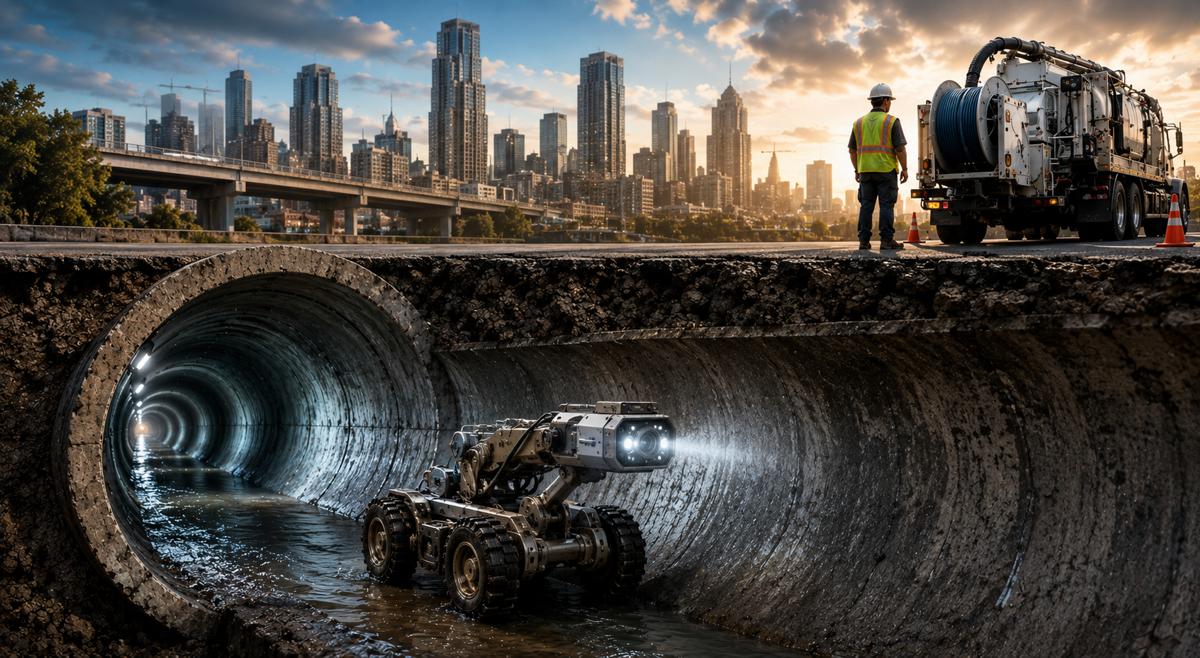
That’s the backdrop SewerAI is selling into, and it explains why investors keep circling. Most of the work of keeping sewers functional, inspecting them, grading the defects, deciding what to fix first, has historically been slow, manual, expensive and easy to get wrong. Crews push a camera through a pipe, a technician watches the footage and codes the faults by hand, and the results often sit in a folder somewhere until the next crisis.
With skilled inspectors in short supply and capital budgets stretched thin, anything that speeds up that grind without sacrificing accuracy has obvious appeal to the people who actually have to keep the taps running and the bayous clean.
From Camera Footage To Capital Plans
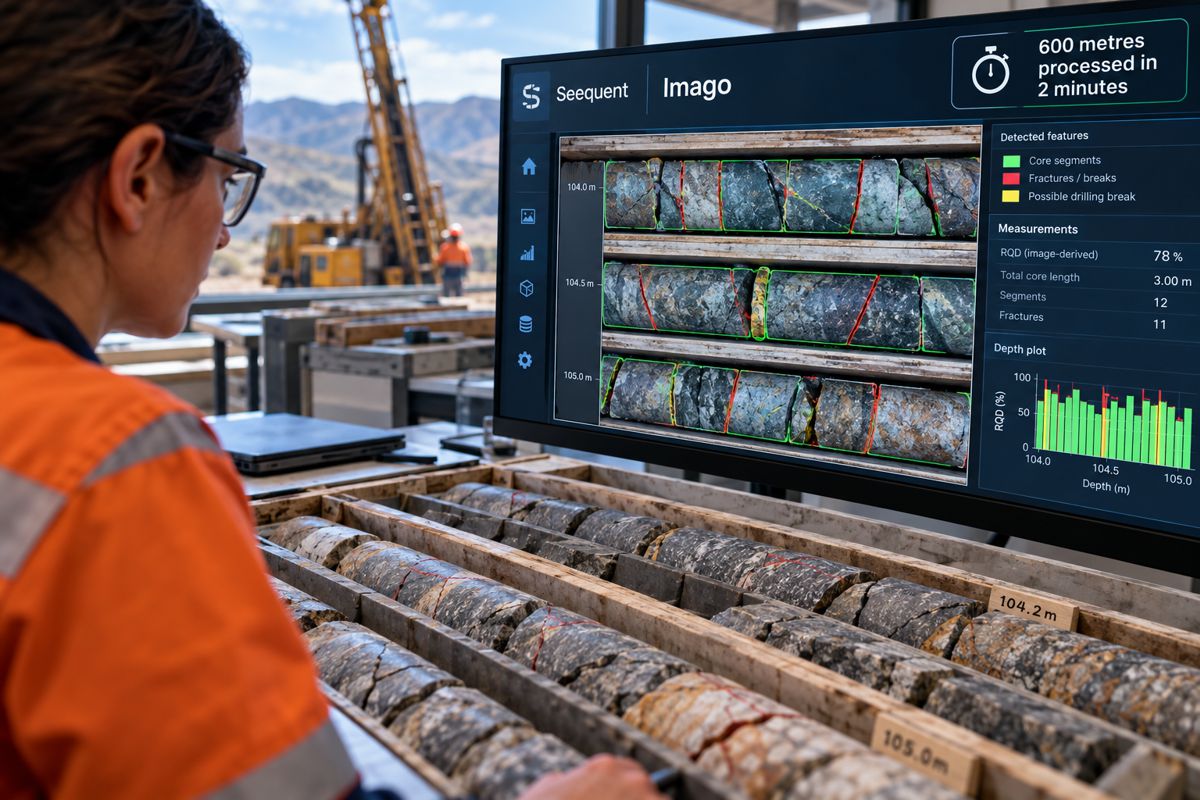
At the heart of SewerAI’s pitch is a platform it calls PIONEER, which strings together field capture, cloud-based data management and AI-assisted coding into a single chain that runs from the manhole to the master plan. Its AutoCode engine handles the painstaking job of classifying pipe defects against NASSCO standards, the industry’s widely used framework for grading the condition of underground assets from CCTV video. Where a human inspector might labour over hours of footage, the software flags cracks, roots, blockages and structural faults automatically, then hands the technician a draft to review rather than a blank screen.
The scale claimed is not trivial. SewerAI says it processes millions of feet of underground data through its workflows every month and has built what it describes as the largest infrastructure inspection dataset in the sector, an asset that tends to make AI models sharper the more they’re fed.
Beyond inspection, the company has been layering on planning tools, including a Smart Project Builder and a Risk & Rehab capability that scores assets and helps utilities decide which rehabilitation projects deserve scarce capital first. That shift, from storing inspection records to actively shaping spending decisions, is the part the new money is meant to accelerate, and it’s where the commercial upside sits.
Where Houston And Phoenix Come In
The customer roster does a lot of the talking. Houston runs the country’s largest sewer collection system, with thousands of miles of mains serving close to two million people, and it’s working under a federal consent decree approved in 2021 that commits the city to an estimated $2 billion of remediation over 15 years to curb sanitary sewer overflows. Agreements of that kind, signed by dozens of US cities over the past two decades, demand relentless inspection, documentation and prioritisation, the precise drudgery SewerAI is built to automate.
For a utility staring down court-mandated deadlines, faster and better-documented assessments aren’t a nice-to-have, they’re how you stay out of trouble.
Phoenix tells a similar story. Patrick R. Womack II, who manages the SDSSR programme at the City of Phoenix Water Services Department, framed the appeal in plain operational terms. “At the City of Phoenix, we manage one of the nation’s largest sewer collection programs, and we’re expected to do more with the same resources each year,” he said. “SewerAI helps us inspect, prioritize, and report at a scale that wasn’t possible before. Just as importantly, it puts our data in one place, making it easier to thoroughly explain inspections and make projections for future capital improvements.”
KC Water sits on the customer list too, as do engineering heavyweights like HDR and contractor PURIS, alongside a broad spread of municipal utilities and CCTV inspection firms across North America.
What JMI Sees In The Pipes
JMI Equity isn’t a name that splashes cash carelessly. Founded in 1992, the firm has backed close to 200 software and AI-driven businesses across more than three decades, and its portfolio represented over $11 billion in combined revenue and around $90 billion in aggregate enterprise value as of December 2025. It also closed an oversubscribed new fund earlier this year that was capped at $3.1 billion, so there’s plenty of dry powder behind the decision to lead this round.
Chase Thomet, a Partner at JMI, was clear about the reasoning. “SewerAI sits at the intersection of several powerful tailwinds: aging pipeline infrastructure, labor constraints, and the rapid adoption of AI-powered automation,” he said. “The company has demonstrated exceptional product-market fit, a rapidly expanding customer base, and a clear vision for transforming how critical infrastructure is managed. We are excited to partner with the SewerAI team as they continue building the category-defining platform for underground infrastructure management.”
The thesis points to a broader bet that private capital is making on so-called GovTech, the unfashionable but enormous market of selling software to public agencies and utilities. These are buyers who’ve long made do with clipboards, spreadsheets and disconnected point solutions, and who now face mounting regulatory pressure with shrinking workforces. Shea & Company, the software-focused investment bank that has advised the likes of OpenGov and Granicus, acted as exclusive financial adviser to SewerAI on the deal, which signals just how seriously the sector’s dealmakers are treating critical infrastructure as the next frontier worth chasing.
The Founders’ Bet
SewerAI’s co-founders weren’t shy about the moment. Billy Gilmartin, Co-Founder and Co-CEO, struck a deliberately defiant note. “Today, we’re not just announcing a fundraise. We’re declaring that the era of neglected infrastructure is over. JMI is one of the most disciplined growth investors in the world, and their investment in SewerAI is a vote of confidence for an entire ecosystem: the cities maintaining the systems beneath our feet, the engineers designing what comes next, the operators in the field every day, and the builders who still believe American infrastructure can be the best in the world. We are incredibly excited for the future,” he said.
His co-chief executive Matt Rosenthal kept the focus on the day job. “We’ve always believed infrastructure professionals deserve technology that helps them work faster, make better decisions, and reduce risk and the total cost of infrastructure,” he said, adding that “Our partnership with JMI allows us to continue investing aggressively in the products and people helping our customers become superhuman.”
The near-term roadmap reflects that intent. Expect continued accuracy and throughput gains in AutoCode, expanded Risk & Rehab features for ranking capital projects, deeper integrations with partner systems including Esri ArcGIS, Trimble and OpenGov, and new workflows aimed squarely at helping utilities hit regulatory and consent-decree obligations on tighter timelines and at lower cost.
The Long Game Below Ground
SewerAI has tripled its customer base over the last two years, which is the kind of momentum that draws disciplined investors off the side-lines. Yet the harder challenge is still ahead. Reading a pipe accurately is one thing; persuading risk-averse public agencies to let an algorithm help steer billions in capital spending is quite another, and that’s the leap the company is now funded to attempt. If it pulls it off, the prize isn’t just better inspection records, it’s a faster, evidence-led way of deciding where the money actually goes.
The implications stretch well beyond the United States. Ageing water networks, stretched budgets and shrinking pools of skilled labour are common to cities from Manchester to Melbourne, and the model SewerAI is sketching out, turning raw field data into prioritised, defensible investment decisions, travels easily across borders.
Out of sight has too often meant out of mind for the systems running beneath our feet, and the deeper story in this deal is that the capital markets are starting to bet that won’t hold for much longer. For policymakers and infrastructure owners weighing how to spend limited funds wisely, that’s a shift worth watching closely.