Remote Controlled Dozers Accelerate Gold Mine Recovery in Canada
Remote and semi-autonomous equipment has been steadily reshaping the mining sector for more than a decade, but the pressure to deploy those systems quickly is becoming just as important as the technology itself. In Northern Canada, where extreme climates, unstable ground conditions and operational risk can quickly escalate into safety and production issues, rapid automation deployment is increasingly viewed as an operational necessity rather than a long-term innovation project.
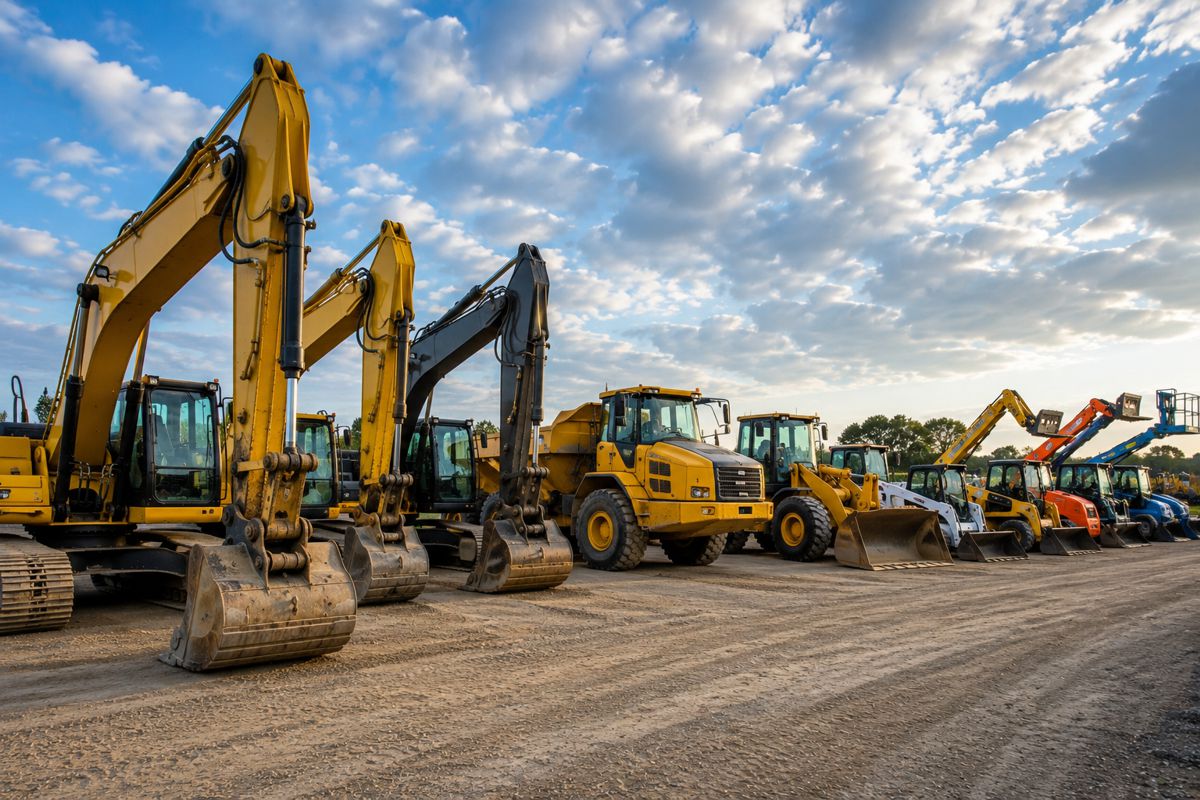
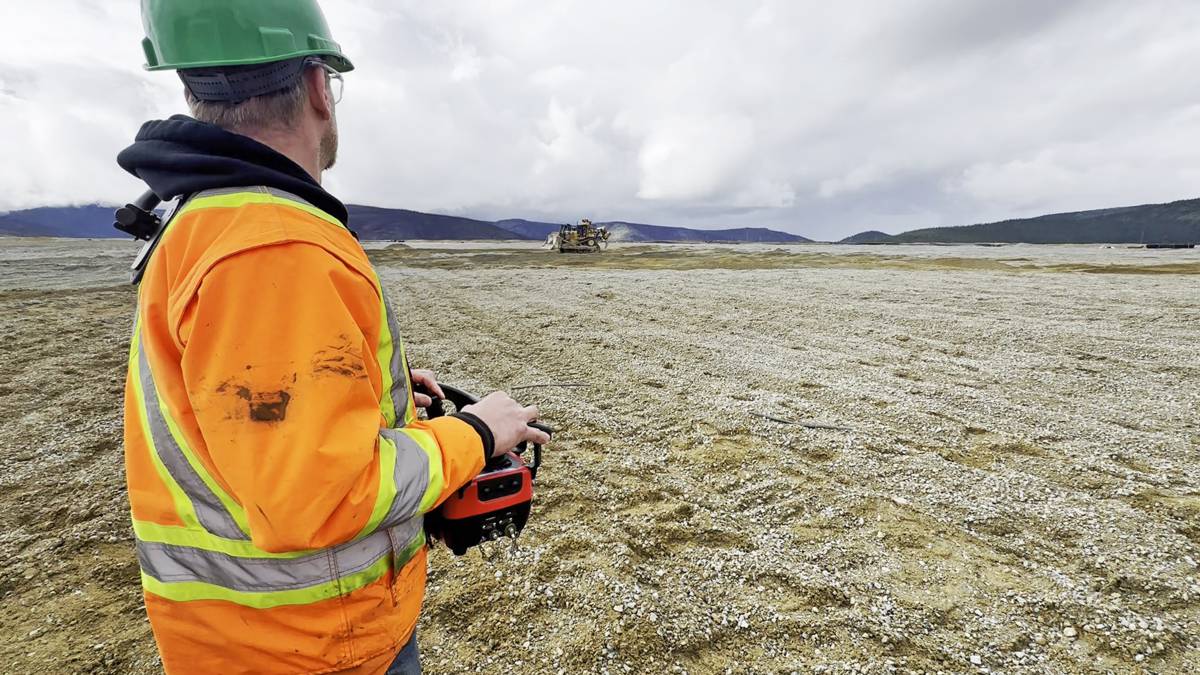
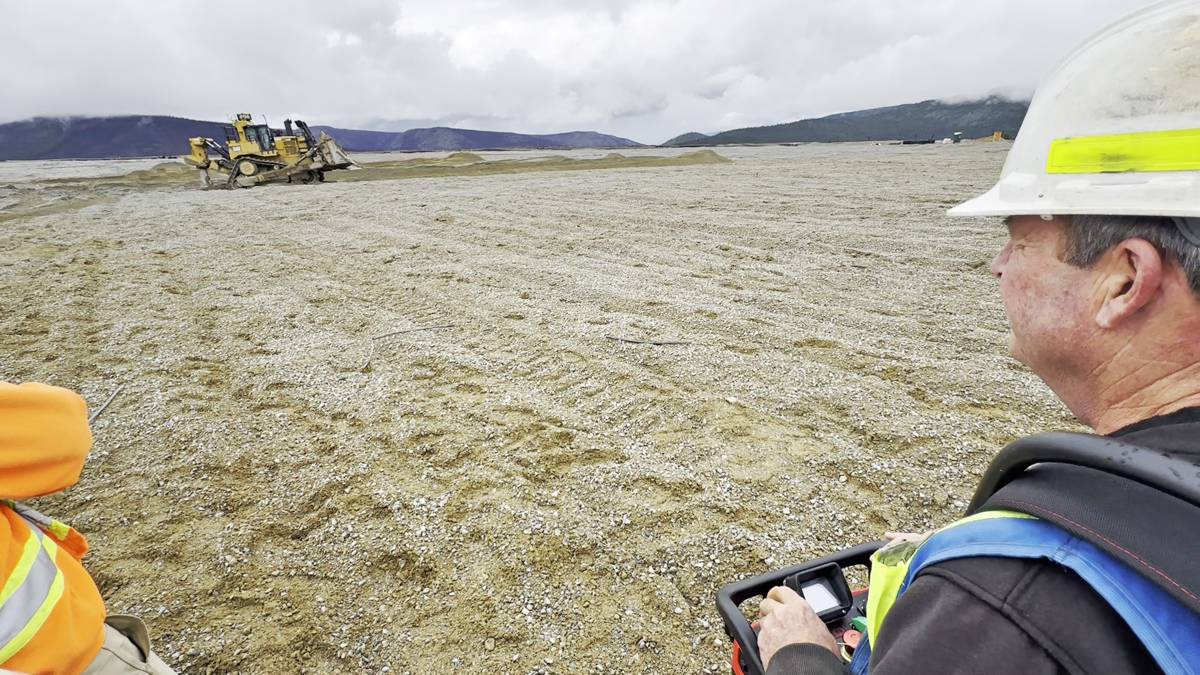
That reality was underlined by a recent project involving Epiroc and its automation division RCT, which completed the accelerated deployment of AutoNav Lite semi-automation systems on two remotely operated Caterpillar D10 dozers at a major gold mining operation in Northern Canada. The project focused on stabilisation and remediation work within controlled operational areas where operators faced elevated exposure risks.
The deployment timeline stands out almost as much as the technology itself. According to RCT, the project moved from approval to commissioning at a pace significantly faster than a conventional automation rollout. In practical terms, that meant equipment manufacturing, assembly, shipping, installation, systems integration, commissioning and workforce training were completed within an unusually compressed timeframe.
For the wider mining and infrastructure sectors, the significance stretches well beyond a pair of dozers operating in remote terrain. Mining firms across the world are under mounting pressure to improve worker safety, maintain production continuity and reduce operational disruptions caused by hazardous conditions. Semi-autonomous systems are increasingly being introduced not only in underground mining but also in surface operations, earthmoving, tailings management and remediation projects where human exposure presents a persistent challenge.
Briefing
- Epiroc and RCT deployed AutoNav Lite semi-automation on two Caterpillar D10 dozers at a Northern Canadian gold mine
- The remotely operated dozers are being used for stabilisation and remediation works within controlled areas
- The project moved from approval to commissioning at unusually high speed compared to traditional automation deployments
- Operators now manage the machines remotely from dual on-site AutoNav Centres, improving safety and operational continuity
- The project reflects accelerating global adoption of semi-autonomous and remote mining technologies across high-risk operations
Mining Automation Moves from Innovation to Operational Necessity
Mining companies have been experimenting with automation for years, particularly in Australia where autonomous haulage systems and remote drilling fleets are already well established. Yet many operations globally still rely heavily on conventional manually operated equipment for earthworks and remediation tasks, especially in difficult or temporary operational zones.
That’s beginning to change. Rising labour costs, persistent skills shortages and increasingly strict health and safety regulations are pushing operators towards technologies that can reduce workforce exposure without compromising productivity. According to the International Council on Mining and Metals, safety remains one of the industry’s biggest operational and reputational concerns, particularly in environments involving unstable ground, contamination risks or severe weather conditions.
Northern Canada presents a textbook example of these pressures. Gold mining operations in remote northern regions often face extreme winter temperatures, isolation from supply chains and challenging terrain conditions that complicate remediation and stabilisation work. Sending operators into controlled or potentially unstable areas can create additional layers of operational risk.
By introducing remotely operated dozers equipped with semi-autonomous capability, the operation can continue critical works while keeping operators removed from the immediate hazard zone. The technology also creates greater consistency in machine operation, particularly during repetitive earthmoving tasks where precision and predictable movement patterns are essential.
Fast Deployment Changes the Economics of Automation
One of the more striking aspects of the project was the speed at which the system was delivered and commissioned. Large-scale industrial automation projects often involve lengthy planning cycles, infrastructure upgrades and extensive operational testing before systems become fully functional.
RCT’s Global Operations Manager Rick Radcliffe acknowledged the unusual pace of the deployment, stating: “This was significantly faster than the typical build and deployment cycle for comparable automation solutions.”
That acceleration matters commercially. Mining companies increasingly want scalable automation systems that can be introduced rapidly in response to operational events, environmental incidents or changing site requirements. Traditional automation rollouts can take months or even years depending on the level of integration required.
Here, the equipment was manufactured, assembled and shipped from RCT facilities in Brisbane and Perth before being transported to Canada for final installation and commissioning. Coordination between Australian manufacturing teams, Canadian site operations and Epiroc technicians required substantial logistical planning, particularly given the compressed schedule and remote destination.
The project demonstrates how mining technology suppliers are adapting their delivery models to support urgent operational requirements rather than treating automation purely as a long-term capital infrastructure exercise.
Remote Operations Continue to Expand Across Surface Mining
Remote operations centres are no longer confined to major autonomous haul truck fleets in Western Australia. Across the global mining industry, companies are increasingly applying remote control systems to a wider range of heavy equipment, including dozers, loaders, excavators and underground machinery.
In this case, the two Caterpillar D10 dozers are operated remotely from dual AutoNav Centres established on site. That setup allows operators to maintain visual and operational control while remaining physically separated from hazardous work areas.
The benefits extend beyond simple operator protection. Remote operation can reduce fatigue, improve operational consistency and allow personnel to work in more controlled environments, particularly during long shifts or severe weather conditions. For remote northern operations where winter conditions can quickly become dangerous, even basic environmental exposure reduction can have significant workforce benefits.
Semi-autonomous systems like AutoNav Lite also offer an intermediate pathway for mines that are not yet ready for fully autonomous fleets. Rather than replacing operators entirely, the technology supports machine guidance, controlled movement and remote supervision while still keeping experienced personnel actively involved in operational decision-making.
That hybrid approach is becoming increasingly attractive to mining operators looking to modernise gradually without undertaking the substantial infrastructure investments required for full autonomy.
Skills Development Becomes Central to Automation Success
The mining sector’s automation transition is not simply a technology challenge. Workforce adaptation remains one of the most important factors determining whether projects succeed operationally.
RCT specialists Andrew Taylor, Keegan Koertzen and Adam Gough led the on-site commissioning and operator training programme during the Canadian deployment. The aim was to ensure operators could transition rapidly to AutoNav Lite operations while maintaining productivity and operational confidence.
Training has become a defining component of modern automation projects. Operators who previously worked directly inside heavy equipment are increasingly transitioning into supervisory and systems-based operational roles. That shift requires different technical skills, stronger digital familiarity and new approaches to operational management.
Mining companies are also discovering that successful automation deployment depends heavily on workforce acceptance. Projects tend to progress more effectively when operators are actively involved in commissioning, training and system familiarisation rather than having technology imposed on them without consultation.
In remote operations, where retaining skilled labour can already be difficult, providing safer and more technologically advanced working environments may also improve long-term workforce retention.
Semi Automation Gains Momentum Across Heavy Industry
The implications of projects like this extend well beyond mining alone. Similar remote and semi-autonomous technologies are increasingly appearing across construction, quarrying, tunnelling and large-scale infrastructure maintenance operations.
Earthmoving contractors working on unstable slopes, contaminated land remediation or post-disaster recovery projects face many of the same safety pressures seen in mining. Remote operation systems could allow critical works to continue while reducing direct personnel exposure to hazardous environments.
Major equipment manufacturers and technology suppliers are investing heavily in these capabilities. Companies including Caterpillar, Komatsu and Volvo Construction Equipment continue expanding autonomous and semi-autonomous offerings across their heavy equipment portfolios.
Meanwhile, digital connectivity improvements, advances in machine control systems and falling sensor costs are making remote operation increasingly accessible beyond the world’s largest mining companies. What was once considered specialist technology reserved for billion-dollar autonomous haulage programmes is gradually filtering into more mainstream industrial applications.
The commercial argument is strengthening too. Insurance costs, workforce safety obligations and operational downtime associated with hazardous works can rapidly outweigh the cost of introducing semi-autonomous systems in high-risk environments.
Automation Is Becoming Part of Core Mine Resilience
Mining operations today face growing scrutiny over operational resilience, environmental performance and workforce safety standards. Investors and regulators alike increasingly expect companies to demonstrate that they can manage operational risk proactively rather than reactively.
Projects like the Northern Canada deployment highlight how automation is becoming intertwined with broader resilience planning. Semi-autonomous equipment can help operations maintain continuity during hazardous conditions, accelerate remediation activities and support safer site management during critical operational phases.
Rick Radcliffe noted the collaborative nature of the deployment, stating: “The project highlights how the team can work together to meet urgent operational requirements at short notice.”
That collaborative delivery model may become increasingly important as automation systems move from experimental deployments into mainstream operational infrastructure. Mining companies are no longer simply buying equipment. They are investing in integrated operational ecosystems involving software, communications systems, remote operations infrastructure and workforce transformation.
The pace of adoption is unlikely to slow. Commodity demand linked to electrification, infrastructure investment and energy transition projects continues driving expansion across mining sectors globally. At the same time, operational pressures surrounding safety, productivity and workforce availability continue intensifying.
In that environment, rapidly deployable semi-autonomous systems are moving from optional innovation to practical operational strategy. Northern Canada’s latest deployment offers another indication that the future of heavy industrial operations may increasingly be managed from remote control rooms rather than directly from inside the cab.