Manitou Targets Indonesia Construction Boom with New Subsidiary
Indonesia’s infrastructure boom is rapidly reshaping equipment demand across Southeast Asia, and global manufacturers are moving quickly to secure their position in one of the world’s fastest-growing construction and industrial markets.
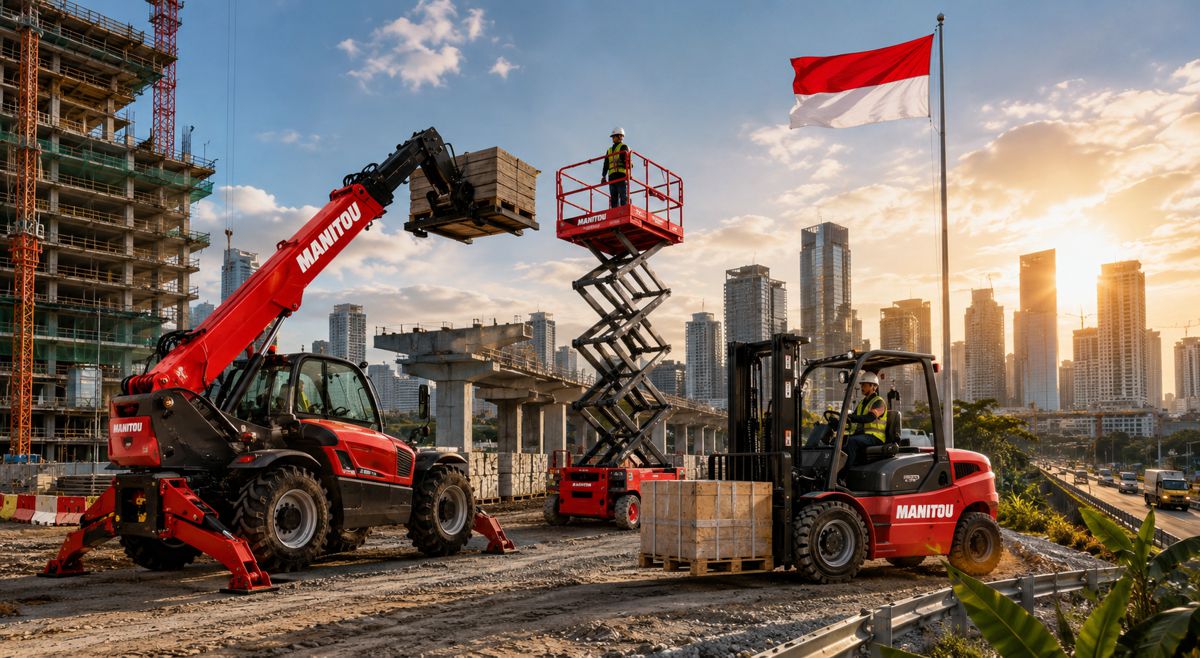
Manitou Group has formally established a new subsidiary in Indonesia, deepening its operational presence in the region and strengthening its access to the country’s fast-growing rental sector.
The decision reflects broader shifts taking place across the global construction equipment industry. Manufacturers are no longer relying solely on dealer networks or export-led strategies in emerging economies. Increasingly, they are building localised operations designed to support rental fleets, improve aftersales responsiveness, shorten supply chains, and maintain closer ties with contractors operating in highly competitive markets.
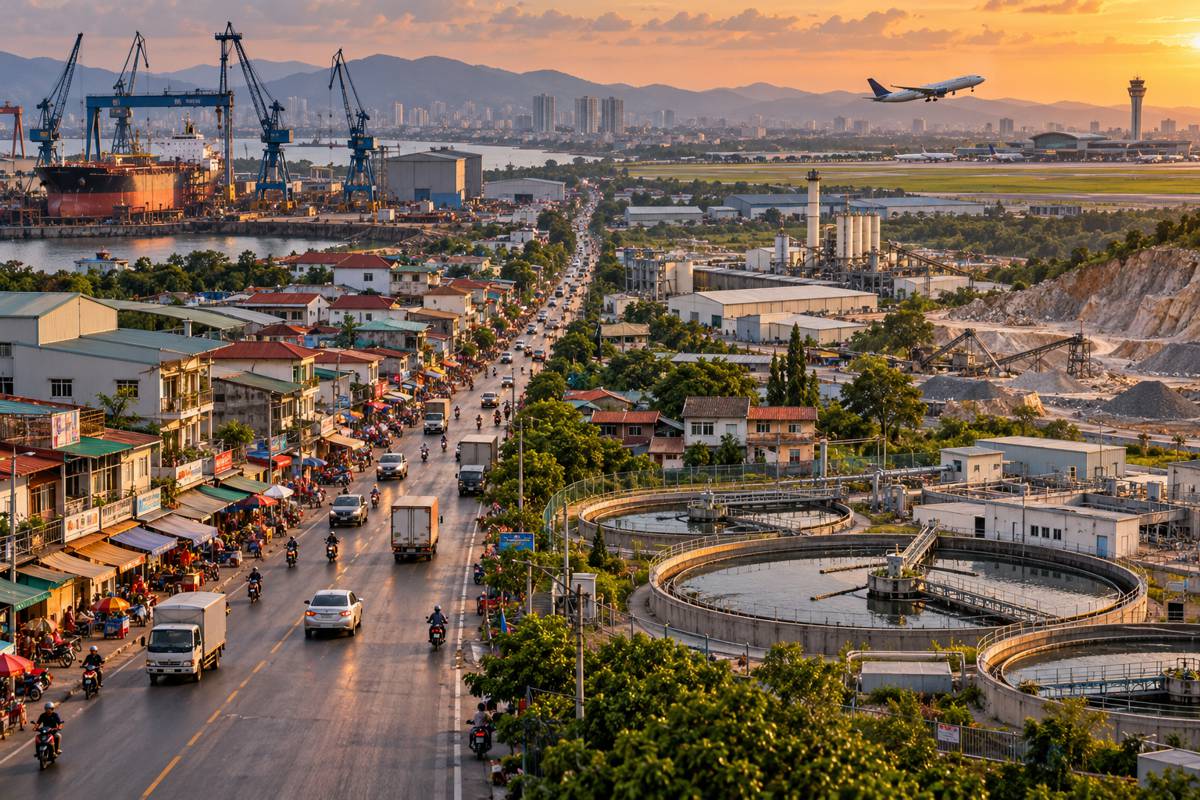
Indonesia sits firmly at the centre of that transition. With a population exceeding 280 million people, a growing manufacturing base, expanding mining activity, and major infrastructure ambitions linked to transport, logistics, ports, energy and urban development, the country has become one of the most strategically important construction markets in Asia. Equipment demand is rising not only in metropolitan areas such as Jakarta and Surabaya, but also across secondary industrial corridors tied to mining, processing, warehousing and regional connectivity projects.
For equipment suppliers specialising in lifting, material handling and compact construction machinery, the timing is difficult to ignore. Rental companies are expanding fleets, contractors are seeking greater equipment flexibility, and infrastructure delivery schedules continue to tighten as both public and private sector investment accelerates.
Briefing
- Manitou Group has inaugurated a new Indonesian subsidiary named PT Manitou Indonesia Perkasa
- The operation will focus on telehandlers, aerial work platforms and forklift segments serving the growing rental market
- Indonesia plans infrastructure investment worth approximately $617 billion between 2025 and 2029
- The Indonesian construction equipment rental market is forecast to approach $795 million by 2029
- The new facility includes a stockyard and workshop in Bekasi near Jakarta to support local dealer and rental operations
Indonesia Becomes a Strategic Battleground for Equipment Manufacturers
Indonesia’s infrastructure expansion programme has become one of the defining growth stories in Asia-Pacific construction. The government’s multi-year investment plans span roads, ports, railways, airports, industrial estates, water infrastructure and energy systems, while the long-term development of Nusantara, the country’s future capital city, continues to draw international attention.
Those projects require more than concrete and steel. They demand a steady supply of material handling equipment, lifting solutions, compact machinery and site logistics support capable of operating in challenging tropical conditions and geographically fragmented environments.
This growing requirement is changing the commercial structure of the market itself. Rather than owning extensive fleets outright, many contractors increasingly rely on equipment rental providers to improve flexibility and reduce capital exposure. That trend mirrors developments already seen across Europe and North America, where rental penetration has become a defining feature of modern construction delivery.
Indonesia’s rental market remains comparatively young but is expanding rapidly. Forecasts suggesting annual growth rates approaching 9% underline how quickly the sector is maturing. Forklift rental demand alone is projected to rise sharply over the next several years as logistics, warehousing and manufacturing investment continues to increase.
That growth matters far beyond Indonesia. Southeast Asia is becoming a major industrial production hub as manufacturers diversify supply chains away from single-country dependency models. Warehousing, ports, logistics parks and industrial processing facilities all require handling equipment, particularly in economies investing heavily in export capability and domestic manufacturing resilience.
Local Presence Increasingly Defines Competitive Advantage
For international equipment groups, regional growth alone is no longer enough. Contractors and rental operators increasingly expect local technical support, spare parts availability, shorter response times and direct operational engagement.
Manitou’s decision to establish PT Manitou Indonesia Perkasa in Jakarta reflects that reality. The facility’s stockyard and workshop operations in Bekasi position the company close to one of Indonesia’s most important industrial and logistics corridors, providing easier access to customers operating in and around Greater Jakarta.
The subsidiary will focus particularly on telehandlers, aerial work platforms for rent-to-rent operations, and rough-terrain as well as industrial forklifts. Those categories align closely with evolving project requirements across industrial construction, warehousing, infrastructure and urban development.
Importantly, the move also strengthens support for the company’s dealer ecosystem. Manitou and Gehl dealers already distribute and service the group’s products in Indonesia, including earthmoving equipment such as backhoe loaders and skid steer loaders. A direct subsidiary provides additional operational depth behind those dealer relationships rather than replacing them.
That distinction is significant. In emerging construction markets, dealer partnerships remain essential due to local relationships, service coverage and procurement familiarity. Yet manufacturers are increasingly supplementing those networks with regional hubs that improve inventory management, technical support and rental coordination.
Rental Markets Continue Reshaping Equipment Strategies
One of the most important aspects of the Indonesian expansion is its clear emphasis on rental-focused operations. Across global construction markets, rental businesses have become increasingly influential in determining equipment purchasing cycles and fleet preferences.
Contractors facing rising material costs, volatile financing conditions and tighter project margins are seeking greater operational flexibility. Renting equipment allows firms to scale fleets according to project needs without committing large amounts of capital to ownership.
That trend has intensified since the pandemic-era supply chain disruptions and subsequent inflationary pressures that affected construction industries worldwide. Equipment utilisation rates, maintenance efficiency and fleet uptime have become critical commercial priorities.
Telehandlers and aerial work platforms are particularly well suited to rental models because of their broad applicability across industrial, commercial and infrastructure projects. From warehouse construction and manufacturing facilities to transport infrastructure and urban development, these machines increasingly form part of core rental inventories.
Indonesia’s industrial expansion further strengthens that demand profile. Manufacturing facilities, logistics hubs and processing plants require handling equipment not only during construction phases but also throughout operational lifecycles.
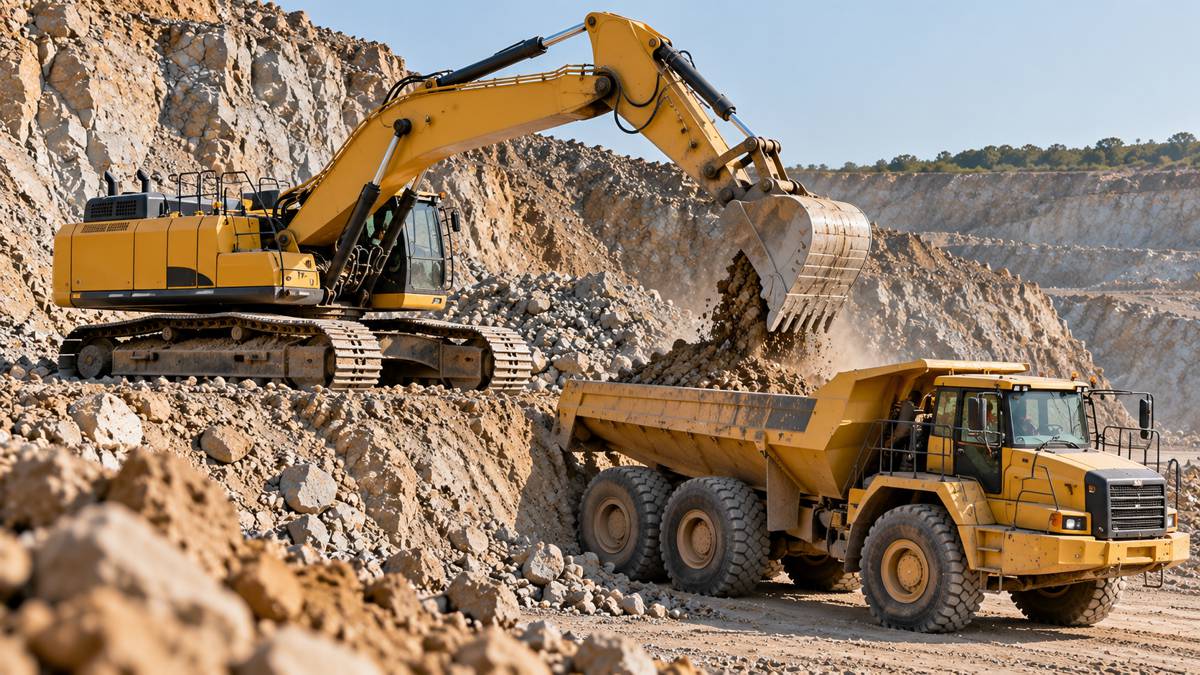
The country’s mining sector also continues to generate demand for rough-terrain handling equipment capable of operating in difficult site conditions, particularly across remote regions where infrastructure remains under development.
Southeast Asia Emerges as a Long-Term Growth Engine
The broader significance of the Indonesian subsidiary lies in what it says about the future direction of construction and industrial equipment markets across Southeast Asia.
For years, China dominated regional construction machinery growth discussions. While China remains a major force, attention is increasingly shifting towards emerging Southeast Asian economies where urbanisation, infrastructure gaps and industrial growth are generating sustained long-term equipment demand.
Indonesia, Vietnam, the Philippines and parts of Malaysia are all seeing rising infrastructure expenditure linked to economic modernisation strategies. Population growth and urban expansion continue to place pressure on transport systems, utilities and housing development.
At the same time, global supply chain restructuring is encouraging investment in industrial parks, logistics infrastructure and manufacturing capacity throughout the region. That industrial diversification supports demand not only for heavy earthmoving machinery but also for handling, lifting and access equipment.
Manufacturers able to establish strong local support structures early are likely to benefit from long-term market positioning advantages as competition intensifies.
Infrastructure Investment Is Driving Equipment Ecosystem Growth
The Indonesian government’s planned infrastructure investment of approximately $617 billion between 2025 and 2029 illustrates the scale of opportunity facing equipment suppliers and rental operators alike.
Roads, bridges, rail corridors, ports and urban transit systems create direct equipment demand during construction phases. Yet the secondary effects may prove even more commercially important.
Infrastructure investment stimulates industrial development, logistics expansion, warehousing growth and urbanisation. Those downstream activities generate sustained equipment utilisation across multiple sectors long after flagship projects are completed.
This creates a broader ecosystem effect that benefits handling and lifting equipment providers particularly well. Warehousing operations, logistics facilities, manufacturing plants and industrial maintenance all require forklifts, telehandlers and access platforms.
The increasing complexity of infrastructure projects also supports demand for specialist machinery and advanced site logistics capabilities. Contractors operating under tighter deadlines and more demanding safety requirements are placing greater emphasis on equipment reliability, uptime and technical support.
Local operational capability therefore becomes a commercial differentiator rather than simply a logistical convenience.
Manitou Strengthens Its Position in a Competitive Market
The Asia-Pacific equipment sector remains intensely competitive, with global manufacturers, regional suppliers and domestic players all seeking market share across expanding infrastructure economies.
Establishing a direct Indonesian subsidiary allows Manitou to position itself more aggressively within segments where customer responsiveness and operational support are becoming increasingly important.
“Our new Indonesian subsidiary reinforces our presence in Southeast Asia within a high-potential market. This new location aligns perfectly with our new LIFT roadmap, with a commitment to being as close as possible to the needs of our dealers and rental customers.” said Bernd Freudenmann, VP APAC at Manitou Group.
Construction equipment markets have become less transactional and more service-oriented over the past decade. Contractors increasingly evaluate suppliers not simply on machine specifications or acquisition costs, but on uptime support, service availability, parts logistics and operational reliability.
In rapidly developing markets such as Indonesia, those factors can heavily influence long-term purchasing decisions and rental fleet partnerships.
Building Regional Capability for the Next Decade
Indonesia’s construction and industrial expansion is unlikely to slow in the near term. Infrastructure demand remains substantial, manufacturing growth continues, and urbanisation pressures are reshaping investment priorities across the archipelago.
For equipment manufacturers, the challenge is no longer merely entering high-growth markets. It is building sustainable operational capability capable of supporting customers through long infrastructure cycles and increasingly demanding industrial requirements.
The establishment of PT Manitou Indonesia Perkasa reflects that wider transformation taking place across the global construction equipment industry. Regional markets once served primarily through exports and distributor relationships are evolving into strategically important operational centres in their own right.
As Southeast Asia’s infrastructure ambitions continue to accelerate, the companies investing in local capability today are positioning themselves for a far larger industrial story unfolding over the next decade.