How Digital Tools Are Transforming Construction Project Management on Major Infrastructure Projects
Major infrastructure work has always carried pressure, but the pace of that pressure is far less forgiving now. A small information gap can move from the project record to the field before the next formal meeting takes place. By then, the team may already be dealing with lost time, unclear responsibilities, and a more difficult commercial discussion.
This is why digital delivery has become a serious project management issue, not a software preference. Owners, contractors, designers, and expert firms offering construction project management services are using digital tools to shorten decision cycles, improve field visibility, and reduce the costly gap between what was planned and what is actually happening on-site.
The best project teams use digital systems to keep decisions close to current evidence. The result is cleaner control, faster response, and fewer assumptions during the most expensive phases of delivery.
Digital Control Starts With a Shared Record
Document control is one of the most serious risks on a major infrastructure project. When teams work from different versions of the same file, the project can quietly lose control. The damage may later appear as rework, delays, or disagreements over which instruction was valid at the time.
A shared digital environment gives the project a controlled record. The current file is clear. The approval trail is visible. The team can see who changed an item and when that change became active. This sounds basic, yet it has a direct effect on field performance.
Good digital control also reduces the daily friction that drains project teams. Managers spend less time chasing missing information. Supervisors get clearer direction. Owners gain a stronger view of the evidence behind progress and change.
BIM Is Becoming Part of Daily Delivery
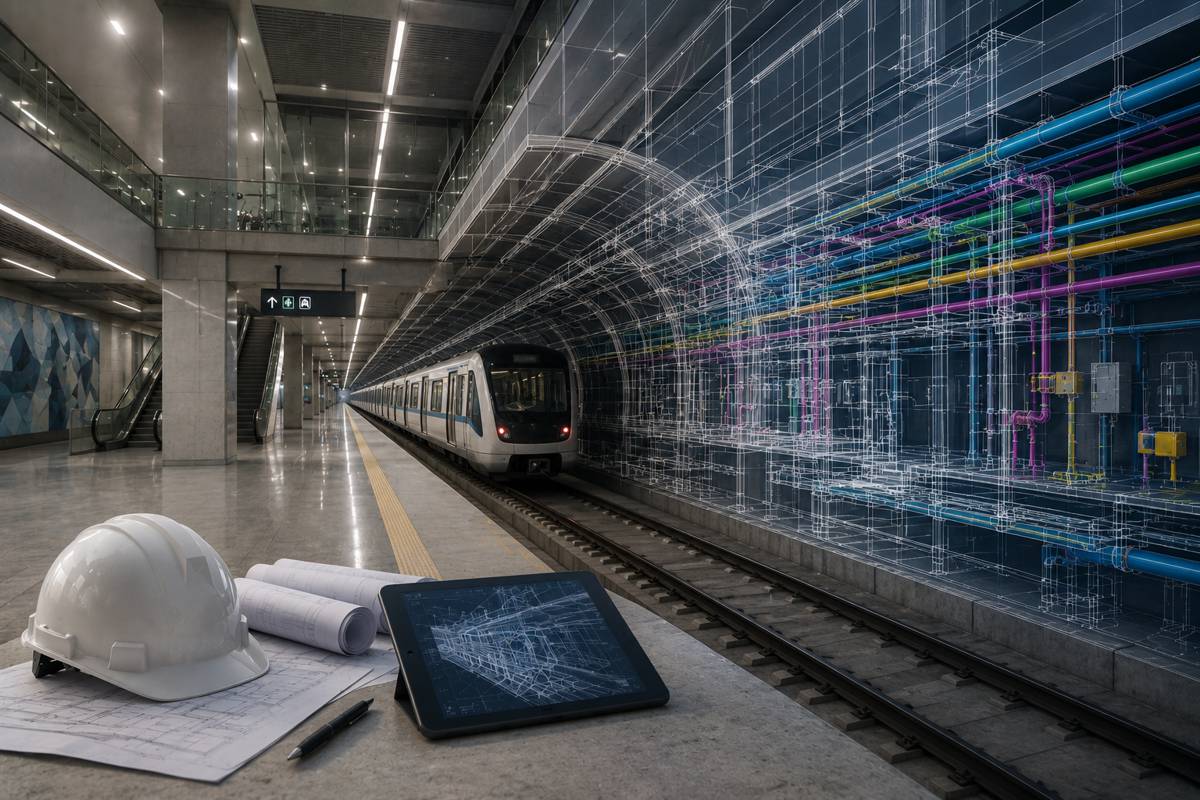
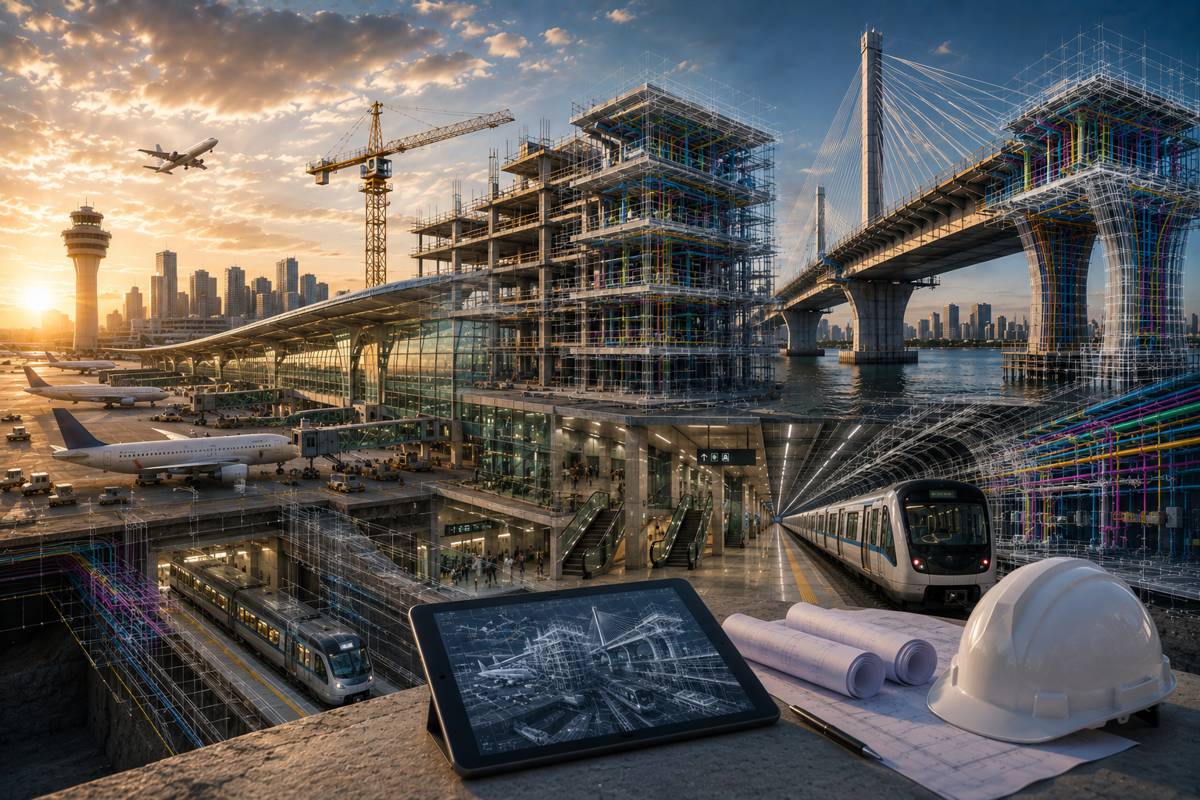
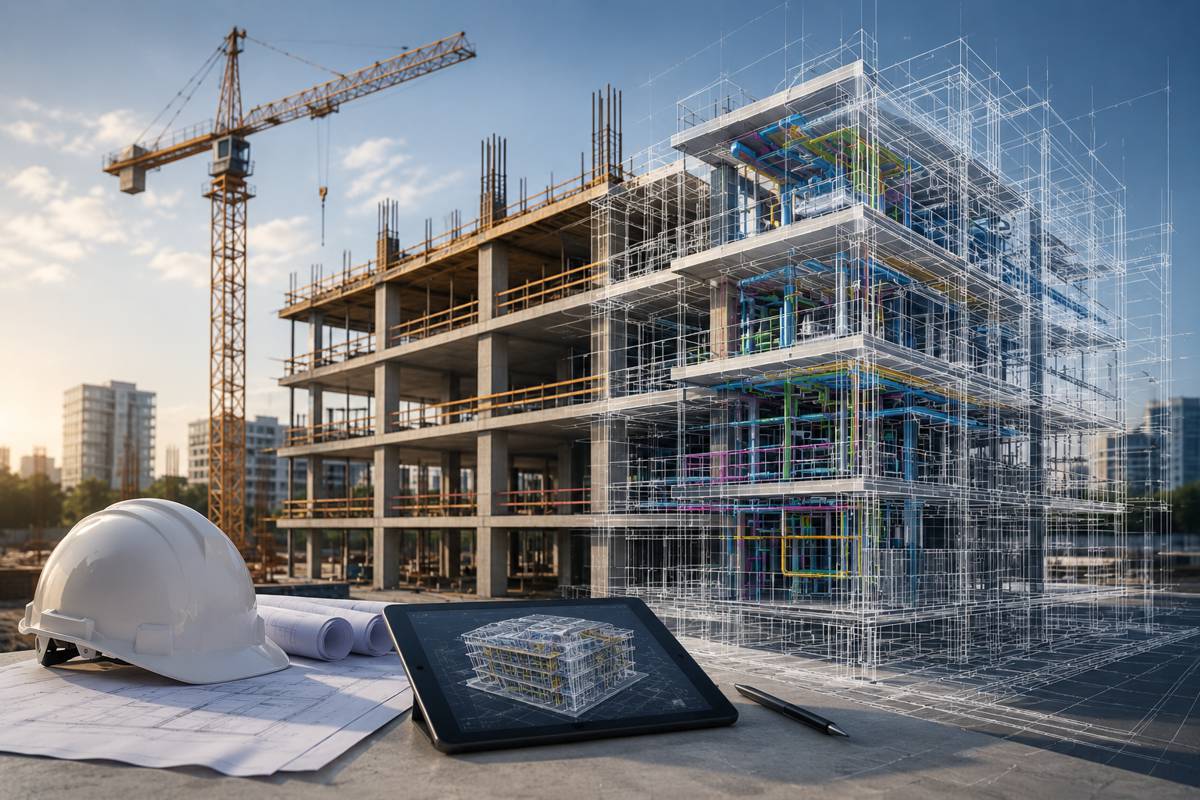
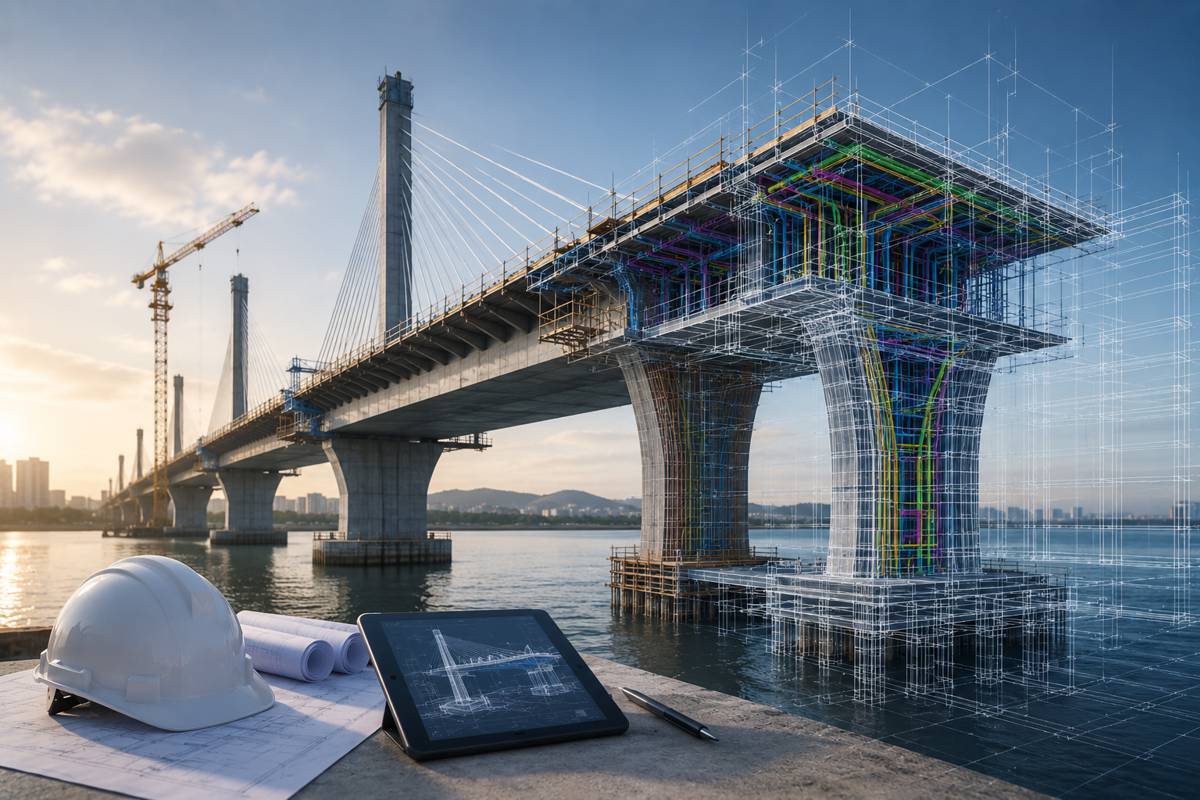
Building Information Modeling is no longer limited to design coordination. On major infrastructure projects, the model is increasingly part of delivery planning. It gives teams a clearer way to study complex work before crews reach the site.
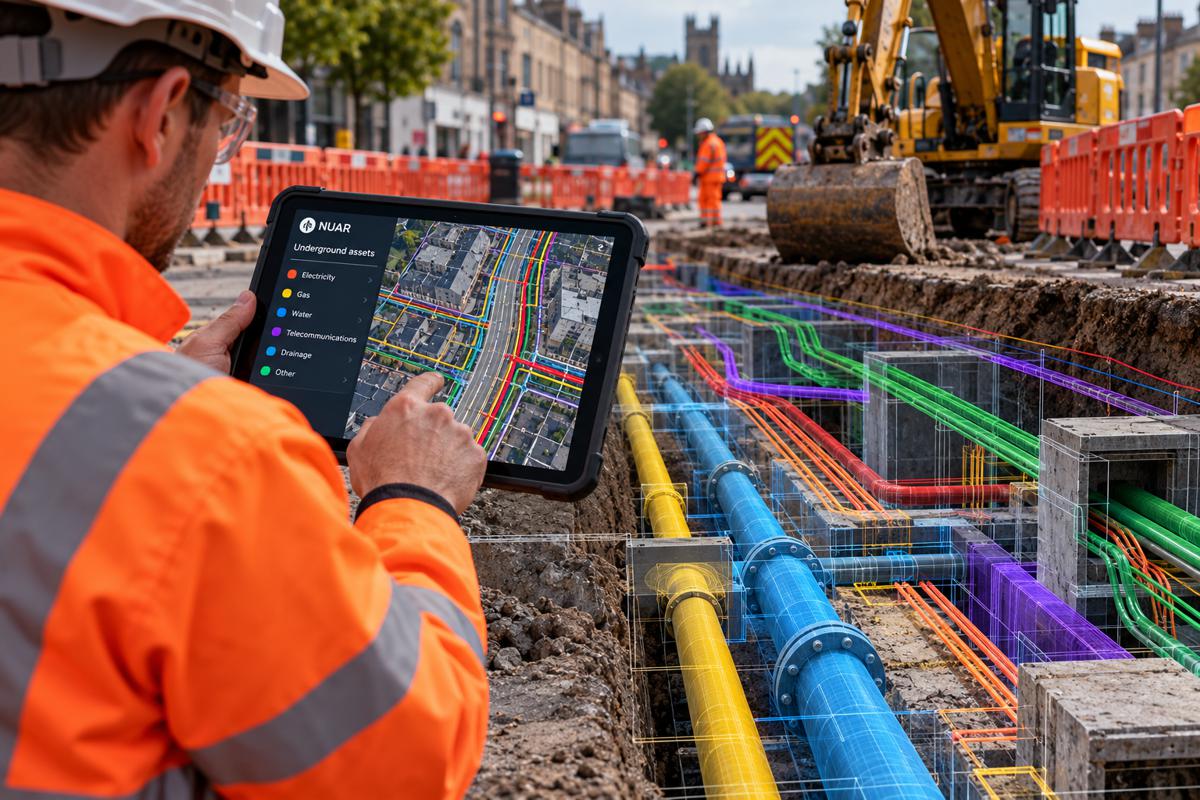
A model can explain difficult geometry better than a stack of drawings. This matters on bridges, tunnels, interchanges, and other projects where small spatial errors can be expensive. Field teams can see the intended result more clearly, which reduces the risk of misreading the design.
The model becomes more valuable when it is aligned with how the project is managed. A time-linked model can help managers test the build sequence. A model tied to quantities can support progress measurement. In those cases, BIM is no longer a design asset kept in the background. It is part of project control.
Field Reporting Is Moving Closer to the Work
Traditional reporting often creates a delay between the jobsite and the decision-makers. A problem may be clear to the site team on Monday, but it may not reach senior leadership in a useful form until the end of the week. On a major project, that delay can be costly.
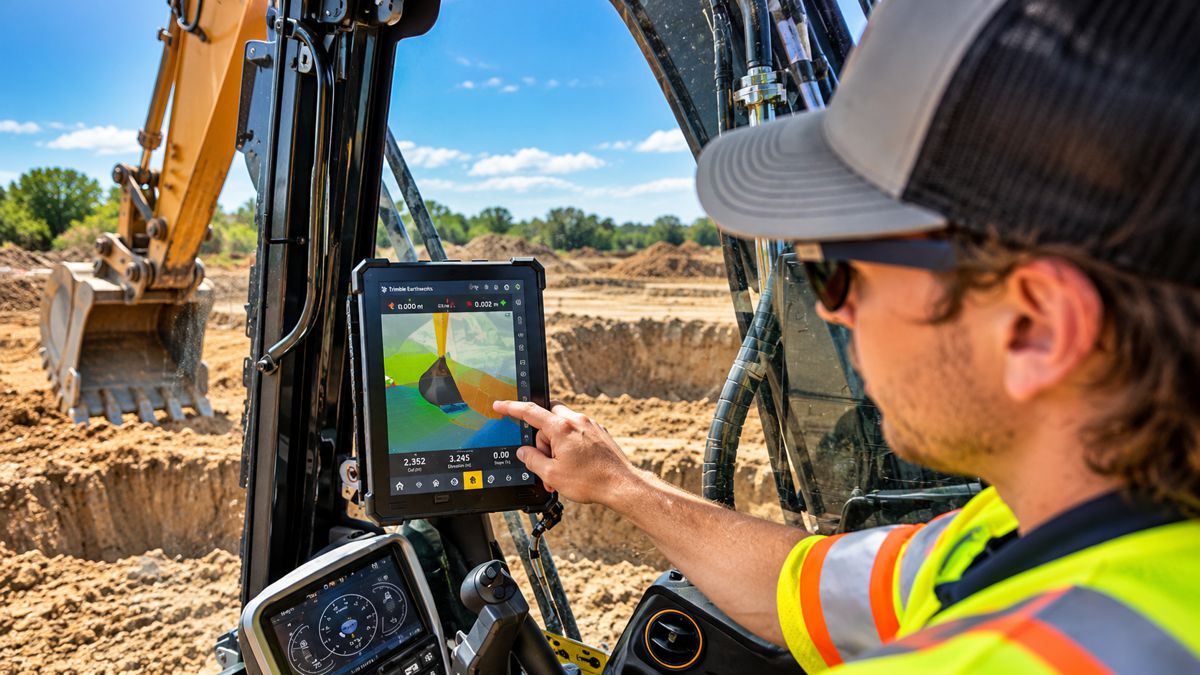
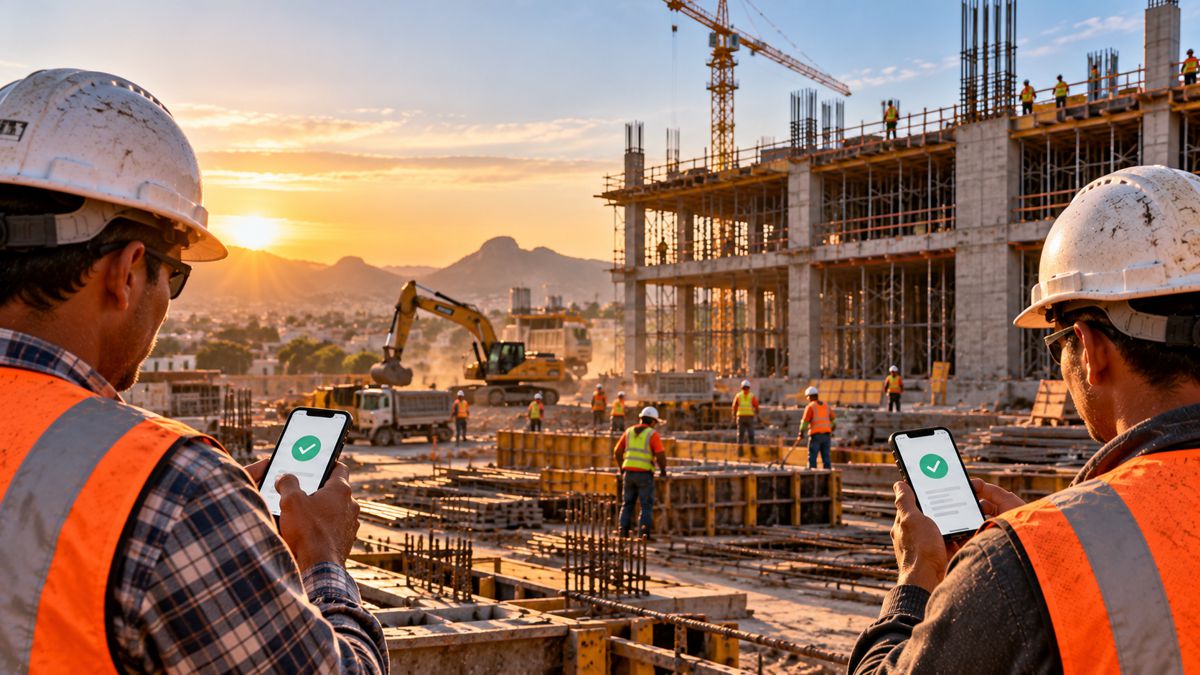
Mobile reporting changes the timing. A supervisor can record field progress while the work is still active. An inspector can capture evidence before conditions change. A project manager can review the issue while there is still time to adjust the plan.
This improves the quality of the project record. A clear field note can explain why a decision was made. A dated image can support a commercial position. A well-kept inspection record can prevent confusion later. The strongest value comes from consistency, because digital records only help when teams use them every day.
Scheduling Is Becoming More Evidence-Led
A schedule is useful only when it reflects the project as it is being built. Major infrastructure programs often change under pressure from access limits, public interface issues, weather, design updates, and production rates. A baseline that no one tests against field evidence becomes a weak management tool.
Digital scheduling gives project managers a more current view of risk. Planned work can be compared with actual progress before the delay becomes formal. This gives teams a better chance to correct course while the schedule still has room to recover.
Visual planning can also improve project discussions. When teams can see the sequence in relation to the work area, disagreements become easier to resolve. The conversation moves away from abstract dates and toward the physical logic of the build.
Cost Control Is Becoming More Transparent
Cost pressure on infrastructure projects builds from slow decision-making, changing conditions, unclear records, and work that needs to be done twice. Digital tools help project teams see that pressure earlier.
A connected commercial system can link a change event to the evidence behind it. This gives project leaders a clearer view of the story behind the number. The issue is no longer a line in a report with little context. It is tied to the event that caused it.
Better cost control also improves trust between project partners. Owners want confidence that claims have a clear basis. Contractors need a fair record when conditions change. Digital evidence cannot remove every dispute, but it can make the discussion more disciplined.
Digital Handover Is Starting Earlier
Closeout has long been one of the weaker points in infrastructure delivery. Project teams often tried to gather asset information after construction was nearly finished. By that stage, some records were incomplete, scattered, or difficult to verify.
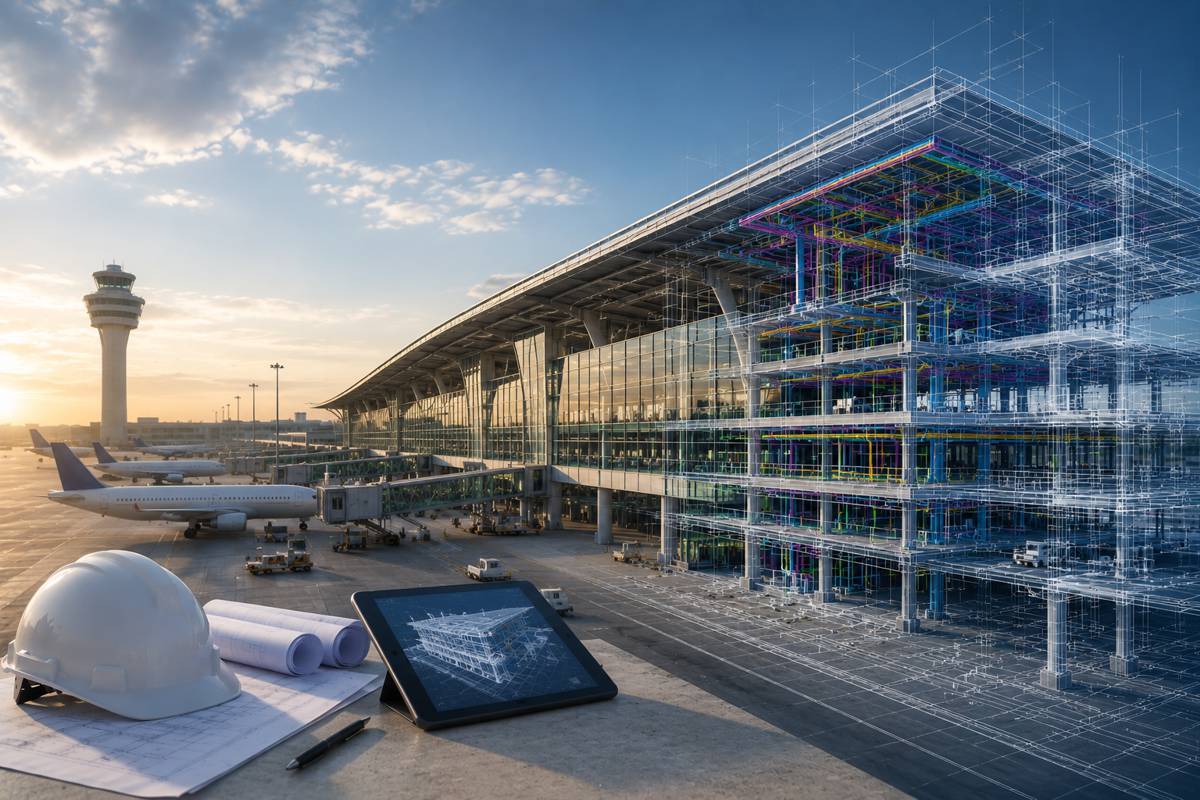
Digital handover changes the timing of closeout. The project team can capture asset information while the work is being completed. Each approved record becomes part of the final project history instead of a document hunt at the end.
This matters for owners because infrastructure assets have long service lives. A clean digital record supports maintenance planning and future upgrades. It also gives operations teams a stronger starting point after the asset opens to the public.
Better Tools Still Depend on Better Discipline
Digital tools are powerful, but they cannot replace project discipline. A platform will not fix vague authority. It will not repair weak reporting habits. It will not make slow decisions any faster unless the project team has agreed on how decisions should be made.
The best infrastructure teams set clear rules early. They decide which system holds the current record. They define how approvals work. They train people to treat digital reporting as part of the job rather than an administrative chore.
The real shift is practical. Digital tools give project teams better evidence at the point where decisions still matter. When that evidence is current and trusted, managers can control risk with more confidence. On major infrastructure projects, digital transformation delivers its value.