Ritchie Bros Spring Auction Signals Strong Demand for Used Equipment
Spring is traditionally one of the busiest periods for construction equipment procurement across Europe, and this year appears no different. With infrastructure programmes accelerating, contractors modernising fleets, and tighter capital expenditure controls pushing many firms towards the secondary market, the demand for quality used machinery continues to strengthen across the UK and Ireland.
Ritchie Bros. is preparing to launch its fourth UK and Ireland auction of the year, bringing more than 1,300 lots of machinery, transport assets and industrial equipment to the market through a timed online sale. The auction arrives at a time when many contractors are balancing project growth with economic caution, making unreserved auctions an increasingly important channel for sourcing equipment quickly and competitively.
The scale of the upcoming sale reflects broader trends shaping the construction and infrastructure sectors. Contractors across Europe are dealing with rising equipment costs, supply chain volatility, longer lead times for new machinery and ongoing pressure to improve operational efficiency. In many cases, used equipment markets have become a practical solution for firms needing to expand capacity without committing to lengthy procurement cycles or significant upfront capital investment.
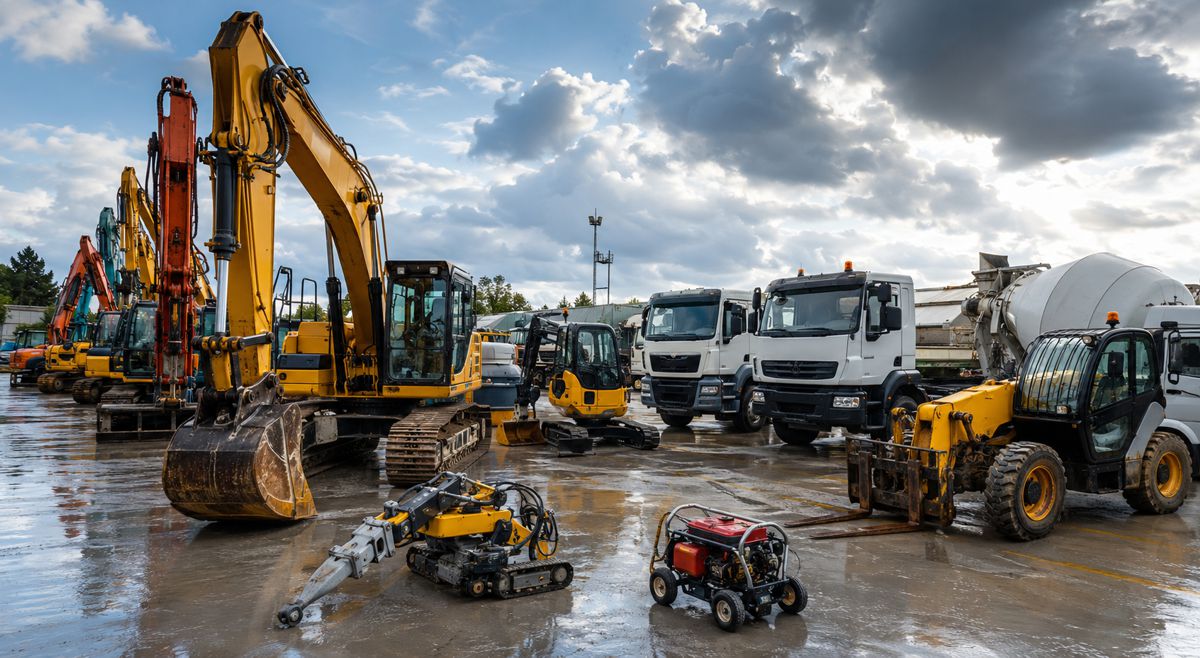
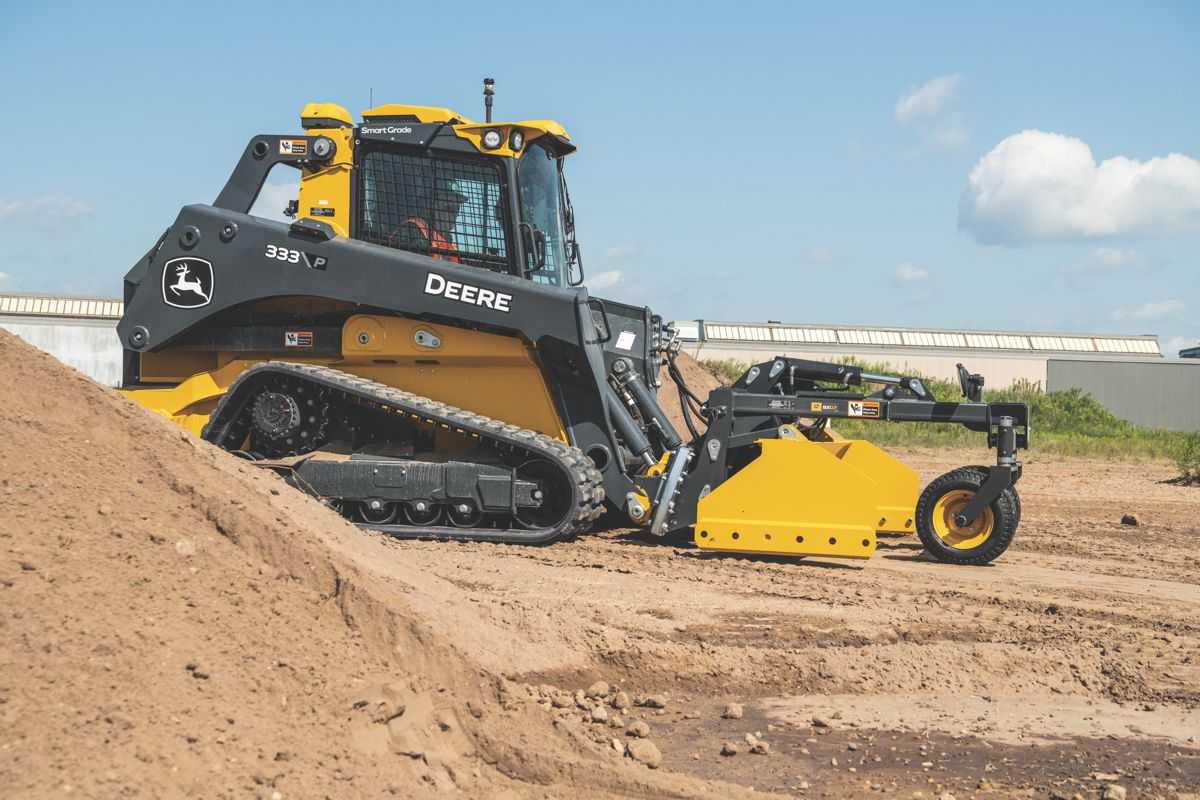
The UK and Ireland auction includes a broad mix of construction machinery, demolition equipment, agricultural assets, transport vehicles and lifting solutions. Among the headline consignments is a large transport fleet renewal package from SRC, featuring tippers, mixers and truck tractors, alongside a substantial selection of excavators and demolition robots aimed at infrastructure and heavy construction applications.
Briefing
- Ritchie Bros. will offer more than 1,300 lots in its latest UK and Ireland timed online auction
- The sale includes excavators, demolition robots, agricultural equipment and a major transport fleet renewal package from SRC
- Inspection days will take place at Maltby in the UK and Mullingar in Ireland on 11 and 12 May
- The auction reflects growing reliance on used equipment markets as contractors manage rising costs and project demand
- Timed online auctions continue reshaping global machinery trading through digital bidding platforms and international buyer access
Used Equipment Markets Continue to Expand
The global construction equipment market has undergone significant change during the past five years. Supply chain disruption following the pandemic, combined with inflationary pressure and higher borrowing costs, has altered procurement strategies throughout the sector. Many contractors that once focused heavily on new equipment purchases are now maintaining mixed-age fleets for longer periods while turning to auctions and secondary marketplaces to source additional machinery.
Industry analysts have noted continued resilience in used equipment values, particularly for earthmoving machinery, articulated haulers, telehandlers and specialist transport vehicles. Demand has remained especially strong in sectors tied to infrastructure investment, quarrying, aggregates, energy projects and logistics.
Digital auction platforms have also transformed how machinery is traded internationally. Buyers no longer need to physically attend auctions to participate competitively. Instead, contractors, dealers and fleet managers can inspect detailed equipment data remotely, compare machinery specifications and bid globally in real time. That shift has widened market access considerably, helping auction houses attract international bidders while giving sellers exposure to broader customer bases.
For many businesses, online timed auctions have become part of routine procurement planning rather than occasional purchasing opportunities. Fleet managers increasingly monitor auctions continuously to secure additional assets as project pipelines fluctuate throughout the year.
Construction Firms Seek Flexible Procurement Options
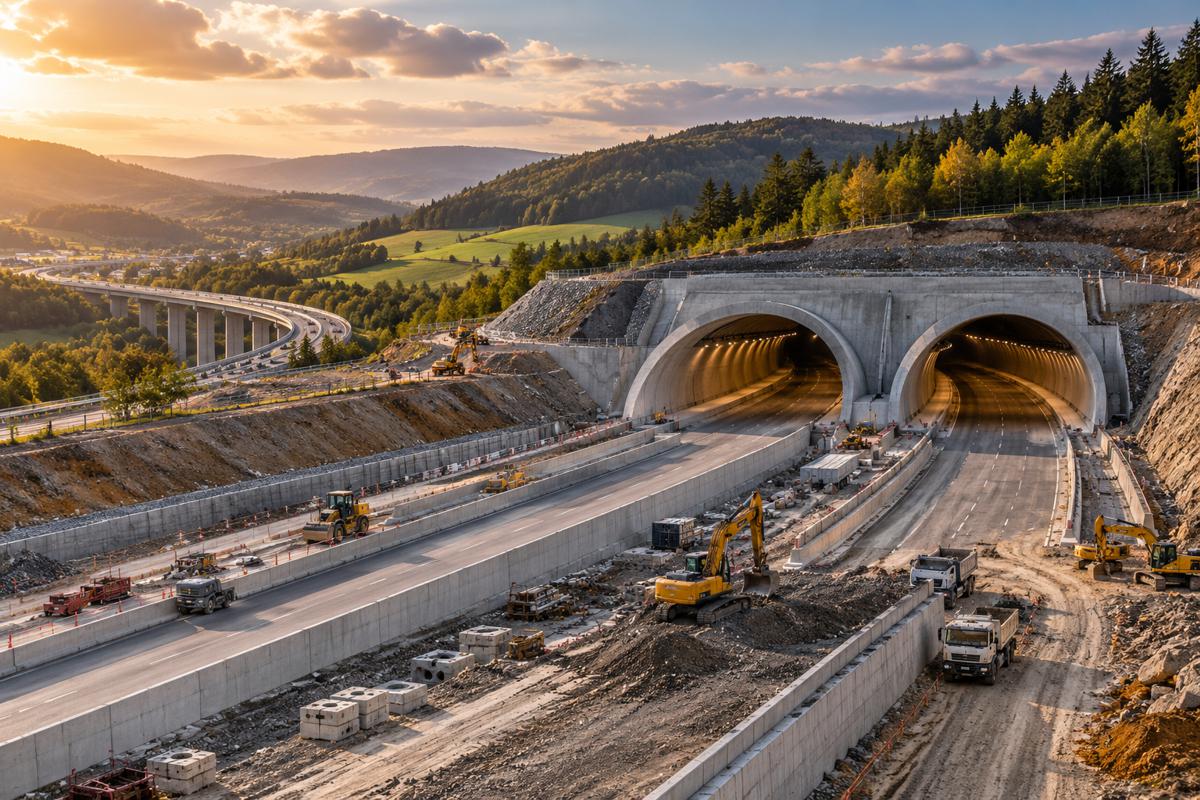
Construction markets throughout Europe remain active despite economic uncertainty in several regions. Governments continue investing heavily in transport infrastructure, utilities upgrades, energy transition projects and housing development, all of which require substantial machinery capacity.
Yet many contractors remain cautious about large-scale capital spending. Financing costs remain elevated compared with pre-2022 conditions, while uncertainty surrounding material prices and labour availability continues affecting project margins. In this environment, used equipment provides a more flexible route to fleet expansion.
Excavators remain among the strongest-performing categories within secondary markets due to their versatility across infrastructure, utilities, demolition and site development work. Demand for medium and large excavators has been particularly strong as contractors continue work on highways, rail upgrades, industrial developments and renewable energy installations.
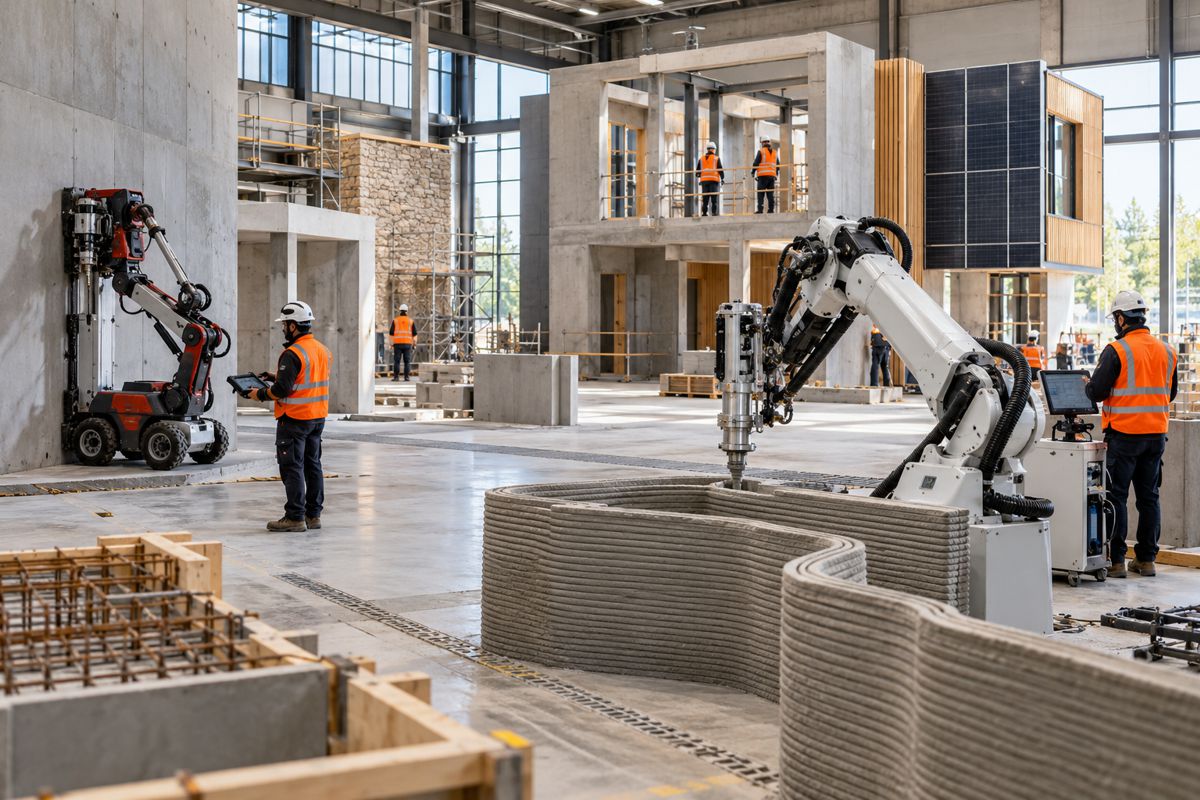
Demolition robots, another highlighted category in the auction, represent a growing niche within specialist construction equipment markets. These remotely operated machines are increasingly used in hazardous environments, confined spaces and complex urban demolition projects where safety and precision are priorities. Their inclusion reflects wider adoption of automation technologies across demolition and industrial contracting sectors.
Transport assets also remain critically important. Fleet renewal programmes involving mixers, tippers and truck tractors indicate ongoing activity within aggregates supply, concrete logistics and large-scale material movement operations. Such equipment is essential to keeping infrastructure projects moving efficiently, particularly as major road and industrial developments continue across the UK and Ireland.
Digital Auctions Are Changing Equipment Trading
Timed online auctions have steadily evolved from supplementary sales channels into mainstream procurement platforms for heavy equipment markets. The format offers operational advantages for both buyers and sellers, particularly in geographically dispersed markets.
Rather than concentrating all bidding activity into a single live event, timed auctions allow participants to evaluate lots over several days before placing bids remotely through websites or mobile applications. The staggered closing process also helps bidders focus on individual assets more strategically.
The use of features such as Priority Bids and Watchlists has introduced greater automation into the auction process. Buyers can set maximum bid thresholds while monitoring selected equipment without remaining online continuously throughout the event.
Transparency remains one of the main attractions of unreserved auctions. With every lot sold to the highest bidder regardless of final price, buyers often view the process as more straightforward than negotiated dealer transactions. Sellers, meanwhile, gain access to a competitive international marketplace capable of generating rapid asset turnover.
Detailed online catalogues have become equally important. High-quality photography, equipment videos, inspection reports and specification breakdowns help reduce uncertainty for remote buyers, particularly those purchasing machinery across borders.
Live Inspection Days in a Digital Market
Despite the rise of online bidding, physical inspections remain an important part of the heavy equipment sales process. Large capital assets still require careful evaluation, especially for buyers investing in high-value machinery or specialist fleet equipment.
To support that process, inspection days will be held on 11 and 12 May at the company’s Maltby yard in the UK and Mullingar yard in Ireland. Buyers will be able to inspect equipment directly before bidding closes on 13 and 14 May.
Even in increasingly digital marketplaces, many experienced buyers still prefer hands-on inspections before committing substantial investment. Machine condition, wear patterns, maintenance quality and operational suitability are often easier to assess in person than through photographs alone.
That said, remote buying confidence has improved substantially in recent years. Auction houses have invested heavily in verification processes, condition reporting and digital asset presentation to support international participation. For global buyers unable to travel, these systems have become essential to maintaining trust within online marketplaces.
Fleet Renewal Reflects Wider Industry Confidence
One of the more notable elements of the upcoming auction is the scale of transport assets entering the sale through SRC’s fleet renewal programme. Large fleet disposals often provide insight into broader market conditions and operational strategies within the construction logistics sector.
Fleet renewal activity typically signals continued confidence in future workloads, even when businesses are restructuring equipment portfolios or modernising operational assets. Companies replacing transport equipment may be responding to emissions regulations, fuel efficiency targets, maintenance cost pressures or changes in operational demand.
Across Europe, fleet operators are facing mounting pressure to reduce operating costs while improving environmental performance. Newer vehicle technologies, alternative fuels and evolving emissions standards are influencing replacement strategies throughout construction logistics and heavy transport industries.
At the same time, secondary markets benefit directly from these renewal cycles. Well-maintained used transport equipment remains highly attractive to smaller contractors and regional operators seeking dependable machinery without the premium pricing attached to new assets.
Global Reach Supports Market Stability
One of the defining features of major international auction firms is their ability to connect regional sellers with global demand. Equipment that may attract limited interest within one market can often command strong competition internationally depending on local infrastructure cycles, currency conditions and sector demand.
Cross-border equipment trading has become increasingly important as infrastructure investment varies between regions. Contractors operating in emerging growth markets frequently source machinery from mature economies where fleet replacement cycles are more advanced.
This international movement of equipment also contributes to longer machinery lifecycles, supporting broader sustainability goals within the construction sector. Extending asset utilisation through secondary markets reduces waste and delays the environmental impact associated with manufacturing replacement equipment.
Rupert Craven, UK & Ireland Sales Director, said: “Spring is a key moment for businesses to refresh their fleets and prepare for upcoming projects. The UK & Ireland auction offers a wide selection of verified machinery and vehicles, giving buyers the confidence to find exactly what they need to keep projects on track and plan for growth.”
The statement reflects the practical realities currently shaping equipment procurement decisions throughout the construction industry. Flexibility, speed of acquisition and operational value are becoming increasingly important as contractors navigate volatile market conditions.
The Secondary Market Has Become a Strategic Asset
Used equipment auctions are no longer viewed simply as disposal mechanisms for ageing machinery. Increasingly, they form part of wider strategic procurement planning across construction, transport and industrial sectors.
As infrastructure investment continues globally, demand for machinery capacity is unlikely to ease anytime soon. Yet procurement decisions are becoming more measured, data-driven and financially cautious. Auctions provide a route to acquire operational equipment quickly while preserving capital flexibility.
The combination of digital platforms, global buyer access and transparent bidding systems has fundamentally reshaped the machinery trading landscape. What was once a largely regional and physical marketplace now operates continuously across international networks.
For contractors preparing for busy summer workloads, the upcoming Ritchie Bros. UK and Ireland sale arrives at a commercially significant moment. With more than 1,300 lots spanning multiple industrial sectors, the auction offers a snapshot of how construction equipment markets are evolving alongside the wider infrastructure economy.