Vision Zero Fund Drives Global Push for Safer Supply Chains
Industrial accidents still represent one of the harshest realities of the global economy. Every year, according to the International Labour Organization, millions of workers are injured or killed through preventable workplace incidents and occupational diseases. While developed economies have steadily improved safety standards over recent decades, large sections of international supply chains continue to operate in environments where regulation, enforcement and worker protections remain inconsistent.
That uncomfortable truth sat at the centre of discussions in Berlin on 28 April 2026, as governments, multinational corporations, trade unions, policymakers and labour organisations gathered to mark the tenth anniversary of the Vision Zero Fund. Established by the G7 and operated through the International Labour Organization’s Safety and Health for All programme, the initiative has become one of the more influential global frameworks focused on reducing serious workplace harm in high-risk industries and developing economies.
The anniversary event arrived at a moment when occupational safety has become increasingly intertwined with wider conversations around sustainability, ethical sourcing, ESG compliance, climate resilience and responsible infrastructure investment. Construction firms, manufacturers, mining companies, logistics operators and industrial suppliers now face mounting scrutiny over how workers are treated throughout increasingly fragmented global supply chains. Safety performance is no longer viewed solely through the lens of legal compliance. Investors, regulators and procurement authorities increasingly see it as a marker of operational quality and long-term commercial stability.
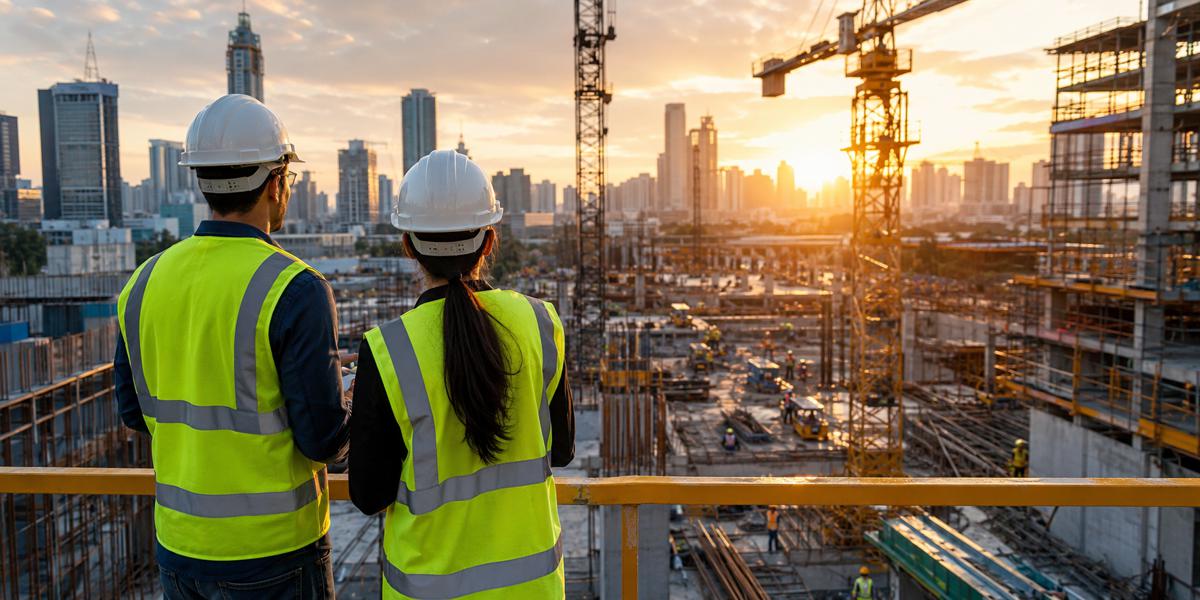
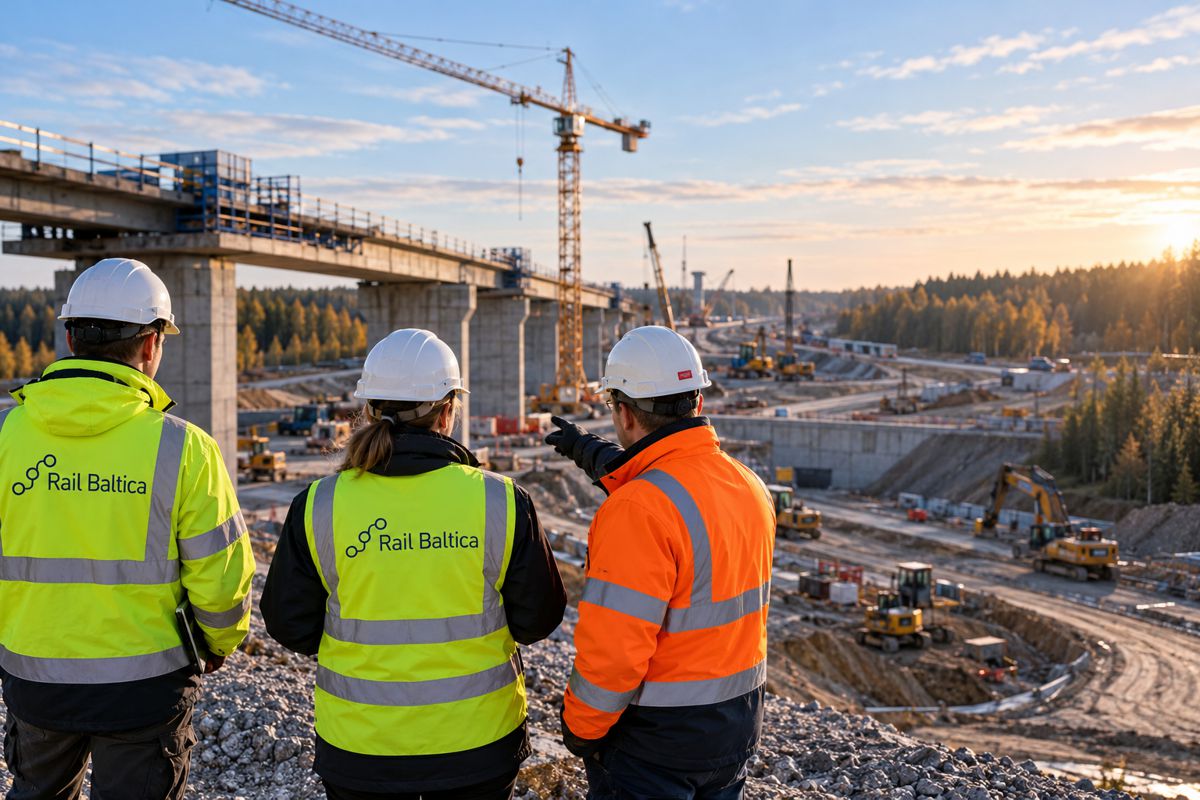
For the infrastructure and construction sectors, the implications are considerable. Major projects rely on extensive international supplier networks involving raw materials, manufacturing, transport, fabrication and site operations spread across multiple jurisdictions. Weak occupational safety standards in one link of the chain can rapidly translate into delays, reputational damage, legal exposure and human tragedy elsewhere. The Vision Zero Fund’s decade-long effort to build collaborative safety systems therefore carries significance far beyond labour policy alone.
Briefing
- The ILO Vision Zero Fund marked its 10th anniversary in Berlin on 28 April 2026 with support from governments, industry and labour organisations.
- The initiative has reached more than 8 million workers through safety interventions across high-risk global supply chains.
- Nearly 3 million workers have received training, awareness or capacity-building support linked to occupational safety and health.
- The programme reflects growing international pressure for safer, more transparent and more sustainable supply chain management.
- Construction, infrastructure, manufacturing and industrial sectors are expected to face increasing scrutiny over worker protection standards.
A Decade of Expanding Workplace Safety
When the Vision Zero Fund was launched by the G7 in 2015, the initiative emerged in response to longstanding concerns surrounding workplace fatalities and unsafe labour conditions embedded within global production systems. Many international supply chains depended heavily on workers operating in hazardous conditions with limited access to training, regulatory oversight or adequate protective systems.
Over the last decade, the programme has concentrated heavily on sectors where risks remain particularly acute, including agriculture, manufacturing, mining and construction. In many developing economies, workplace safety systems often struggle with underfunding, fragmented enforcement structures and informal labour practices that leave workers exposed to preventable harm.
Speaking during the Berlin anniversary event, International Labour Organization Director-General Gilbert F. Houngbo highlighted the scale of the challenge facing the international labour market: “VZF stands out because it addresses one of the most serious challenges in the world of work.”
His remarks reinforced the growing recognition that occupational safety can no longer be separated from broader economic development goals. Serious workplace injuries carry enormous financial consequences through project disruption, productivity losses, compensation claims, reputational damage and labour shortages. In sectors already struggling with workforce recruitment and retention, unsafe working conditions further compound operational pressures.
Houngbo also stressed the programme’s wider achievements over its first decade: “Safer supply chains are not only necessary, they are within reach. The Vision Zero Fund has shown what is possible. With the right partnerships, we can go even further.”
Supply Chains Under Increasing Pressure
Global supply chains have changed dramatically since the Vision Zero Fund first began operating. Geopolitical instability, climate disruption, reshoring strategies, digital transformation and material shortages have reshaped the industrial landscape. Yet despite advances in automation and technology, workplace safety challenges remain deeply entrenched across many industries.
Construction continues to rank among the world’s most dangerous industries. According to ILO estimates, construction workers account for a disproportionately high percentage of fatal occupational accidents globally. Rapid urbanisation across Asia, Africa and Latin America has intensified the demand for labour-intensive infrastructure development, often placing additional strain on already stretched regulatory systems.
Meanwhile, climate change is creating new occupational hazards. Heat stress, flooding, extreme weather events and deteriorating air quality increasingly affect workers operating on construction sites, transport corridors, logistics hubs and industrial facilities. These evolving risks were widely discussed during the Berlin event, where participants acknowledged that occupational safety frameworks must adapt rapidly to changing environmental and economic conditions.
Beate Andrees, ILO Assistant Director-General for the Regions, emphasised the importance of collective action in tackling systemic safety problems: “The Fund was built on a simple but powerful recognition: no single actor can address the root causes of unsafe working conditions in supply chains. The Vision Zero Fund therefore brings all actors together to jointly analyse challenges and develop coordinated, complementary approaches”.
That collaborative model has become increasingly important as multinational infrastructure projects grow more complex. Large-scale transport corridors, renewable energy schemes and industrial megaprojects frequently involve layers of subcontractors, suppliers and logistics partners operating across multiple continents. Establishing consistent safety standards across those interconnected systems remains one of the industry’s toughest operational challenges.
Germany’s Continued Commitment to Worker Protection
Germany has played a prominent role in supporting the Vision Zero Fund since its inception, reflecting the country’s long-standing emphasis on industrial safety and vocational standards. The anniversary event was jointly organised alongside Siemens and the German Federal Ministry of Labour and Social Affairs.
German Labour Minister Bärbel Bas reiterated the government’s support for the initiative during the event: “We stand for this attitude: every work accident is avoidable if all those responsible pull together.”
That philosophy aligns closely with Germany’s wider industrial approach, where workforce protection is often integrated into productivity, engineering quality and operational efficiency strategies. German manufacturing and infrastructure firms have historically invested heavily in workforce training, safety systems and apprenticeship models designed to reduce long-term accident rates.
The private sector’s role also featured heavily throughout the discussions in Berlin. Increasingly, multinational corporations face investor pressure to demonstrate robust environmental, social and governance performance across entire supply chains rather than simply within direct operations.
Judith Wiese, Member of the Managing Board of Siemens AG, highlighted the growing commercial logic behind improved safety performance: “Preventing accidents should not be seen as a legal requirement, but as an obligation to mankind and a matter of economic sense.”
That shift in thinking has become increasingly visible across global infrastructure procurement. Public authorities, financiers and institutional investors now routinely examine labour practices, safety performance and worker protections when evaluating contractors and supply partners. Occupational safety has effectively become part of commercial competitiveness.
Measuring the Fund’s Global Reach
The Vision Zero Fund used the Berlin anniversary event to present the scale of its activities over the past decade. While safety improvements are often difficult to quantify precisely across diverse regions and industries, the programme’s operational footprint has expanded significantly.
According to figures presented during the event, more than 8 million workers have benefited directly or indirectly from interventions linked to the programme. Nearly 3 million workers have been reached through training initiatives, awareness campaigns and capacity-building activities, while more than 18,000 workers received specialised training using Vision Zero methodologies.
The initiative has also produced over 160 knowledge and training products designed to strengthen occupational safety practices across different sectors and national contexts.
Participants attending the anniversary event were also given access to a photo exhibition and virtual reality experience showcasing field operations linked to the programme. These demonstrations highlighted the increasingly practical nature of occupational safety interventions, particularly in regions where access to formal training and safety infrastructure remains limited.
The emphasis on measurable outcomes reflects a wider shift across international development programmes. Governments and investors increasingly demand demonstrable evidence that initiatives deliver operational improvements rather than simply producing policy discussions and awareness campaigns.
The Future of Occupational Safety in Infrastructure
One of the strongest themes emerging from the Berlin discussions centred on the future role of occupational safety within global infrastructure investment. As governments accelerate spending on transport systems, renewable energy, manufacturing facilities and digital infrastructure, workforce protection is likely to become more deeply embedded within procurement frameworks and financing structures.
The European Union has already strengthened legislation surrounding supply chain due diligence and corporate sustainability reporting. Similar regulatory trends are emerging across North America and parts of Asia. Construction companies operating internationally are therefore likely to face stricter requirements surrounding worker safety transparency, subcontractor oversight and operational accountability.
Roundtable discussions involving representatives from the European Commission, the French Ministry of Labour, the Confederation of German Employers’ Associations, the German Trade Union Confederation and Nestlé focused heavily on scaling collaborative safety systems to meet future industrial demands.
For infrastructure investors, the logic is increasingly straightforward. Safer projects generally experience fewer delays, lower compensation costs, reduced disruption and stronger workforce retention. In an industry already struggling with skills shortages and productivity challenges, improving safety standards increasingly supports both social and commercial objectives simultaneously.
Digital technologies are also expected to reshape occupational safety strategies over the coming decade. Wearable monitoring systems, predictive analytics, AI-driven hazard detection, connected machinery and remote site inspections are beginning to transform how risks are identified and managed across construction and industrial environments.
Still, technology alone is unlikely to solve the deeper structural issues affecting vulnerable workers across global supply chains. Many participants in Berlin stressed that lasting progress will continue to depend on political commitment, enforcement capacity, employer accountability and meaningful worker engagement.
Building Safer Industries for the Next Generation
The anniversary celebrations also marked the publication of the commemorative magazine Vision Zero Fund: A Decade of Action – The Power of Partnerships in Building Safer and Healthier Supply Chains. The publication examines the programme’s development, partnerships and operational lessons over its first ten years.
Yet the Berlin event was less about celebrating institutional milestones and more about recognising the scale of unfinished work still ahead. Despite progress, occupational accidents and work-related diseases continue to claim millions of lives globally each year. Many workers in lower-income economies still face unsafe environments, limited training and inadequate access to protective systems.
For the construction and infrastructure sectors, the message was clear. As global investment accelerates into transport, energy and industrial development, the quality of workforce protection will increasingly shape both project outcomes and corporate reputations. Occupational safety is steadily moving from the margins of compliance reporting into the centre of strategic infrastructure governance.
The Vision Zero Fund’s first decade demonstrated that collaborative models can deliver measurable progress across highly fragmented supply chains. The next challenge will involve scaling those gains fast enough to match the pace of global industrial expansion.