Smarter drilling and piling: how machine guidance is reducing risk and rework
With the latest S&P Global UK Construction PMI showing activity contracting in March, and input cost inflation rising at the fastest rate in nearly 30 years, contractors are under growing pressure to work more efficiently. Nowhere is that pressure felt more keenly than in groundworks, where drilling and piling sit at the front end of a project and any mistakes can carry through the entire build.
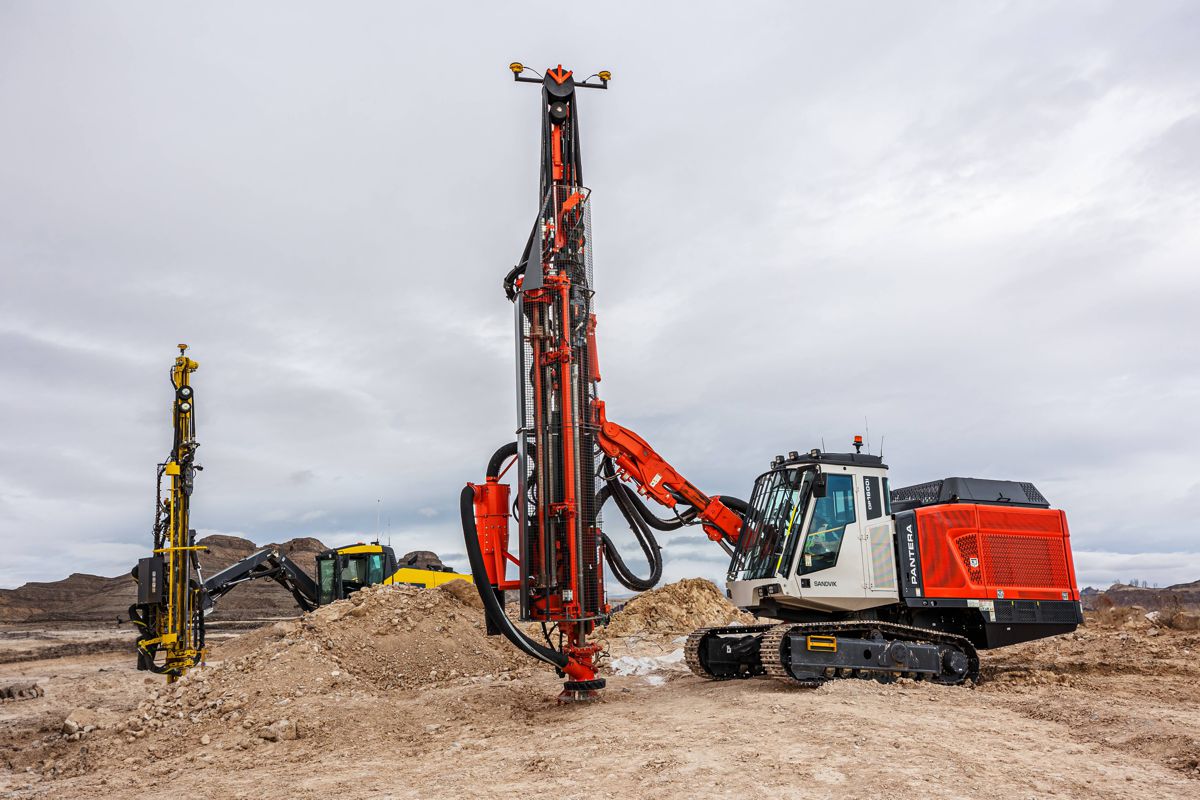
Drilling and piling cover a wide range of applications, from continuous flight auger (CFA) and driven piling through to rigid inclusions, sheet piling and grouting. It includes any operation where a mast is used to put something into the ground or create a hole for further work, forming the basis of everything from our highways and bridges to energy infrastructure and urban development.
However, despite its importance, the process has largely remained unchanged for many years, particularly on sites where digital systems have not yet been adopted. Typically, a setting out engineer marks the positions for pile or drill holes, often across a large area.
The rig then works to those points, before a second check confirms that everything has been installed correctly. Operators then record depth and position manually, with that information later being added to reports for the client.
Challenging the status quo
The major inefficiency with this process is that it includes multiple handoffs and repeated checks, which can add up particularly on larger projects where the number of positions can run into the hundreds or thousands. The bigger challenge for contractors, however, is not just carrying out the work, but proving that it has been done correctly.
With methods such as vibro stone column piling, once the job is complete the surface gives little indication of what has been installed. It can look like a uniform layer of stone, making it difficult to confirm where individual piles sit or how deep they extend. In many cases, that means going back in and scraping away the top layer to try and locate and verify the work.
This is where machine guidance is starting to change the process. While some contractors already use elements of digital measurement and instrumentation, adoption across drilling and piling remains inconsistent. SITECH UK & Ireland, a distributor of Trimble® machine control and positioning technology, supplies drilling and piling guidance systems that are fitted directly onto the rig and can be integrated with a number of drilling and piling OEMs including ABI, Liebherr, Junttan and Epiroc.
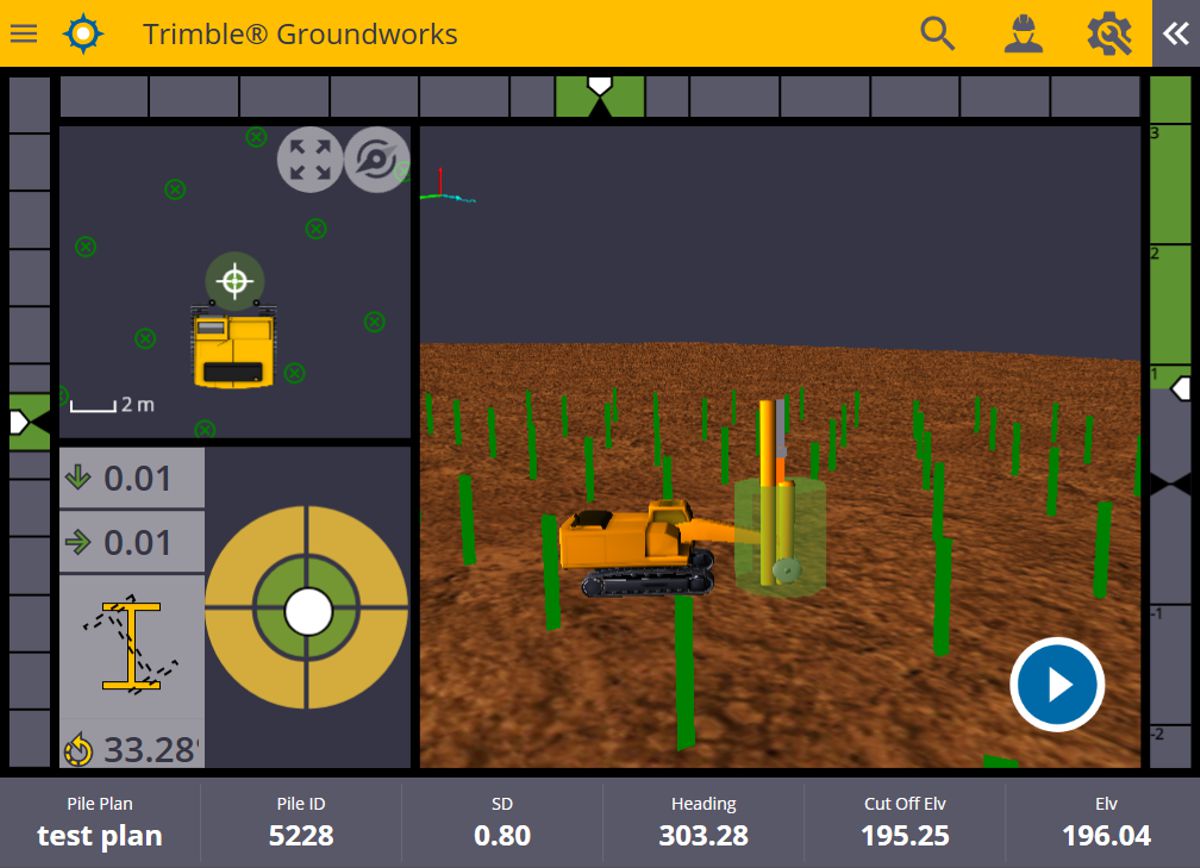
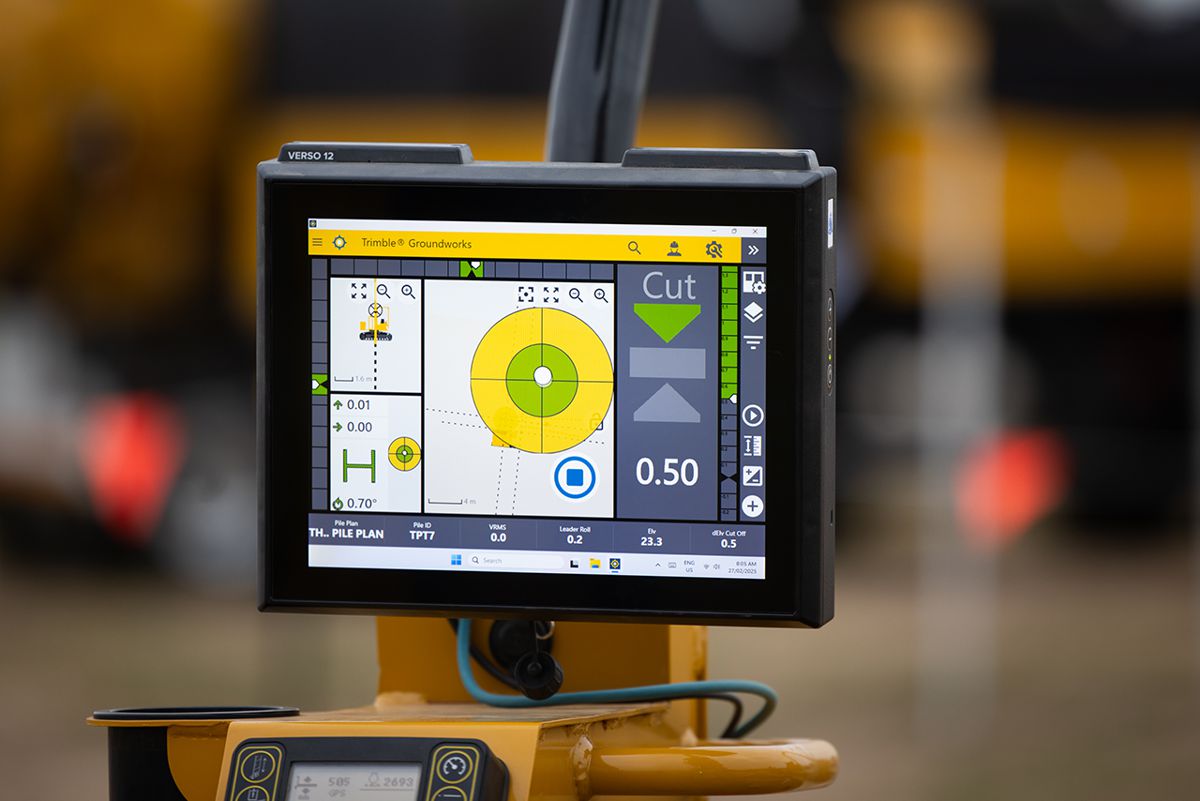
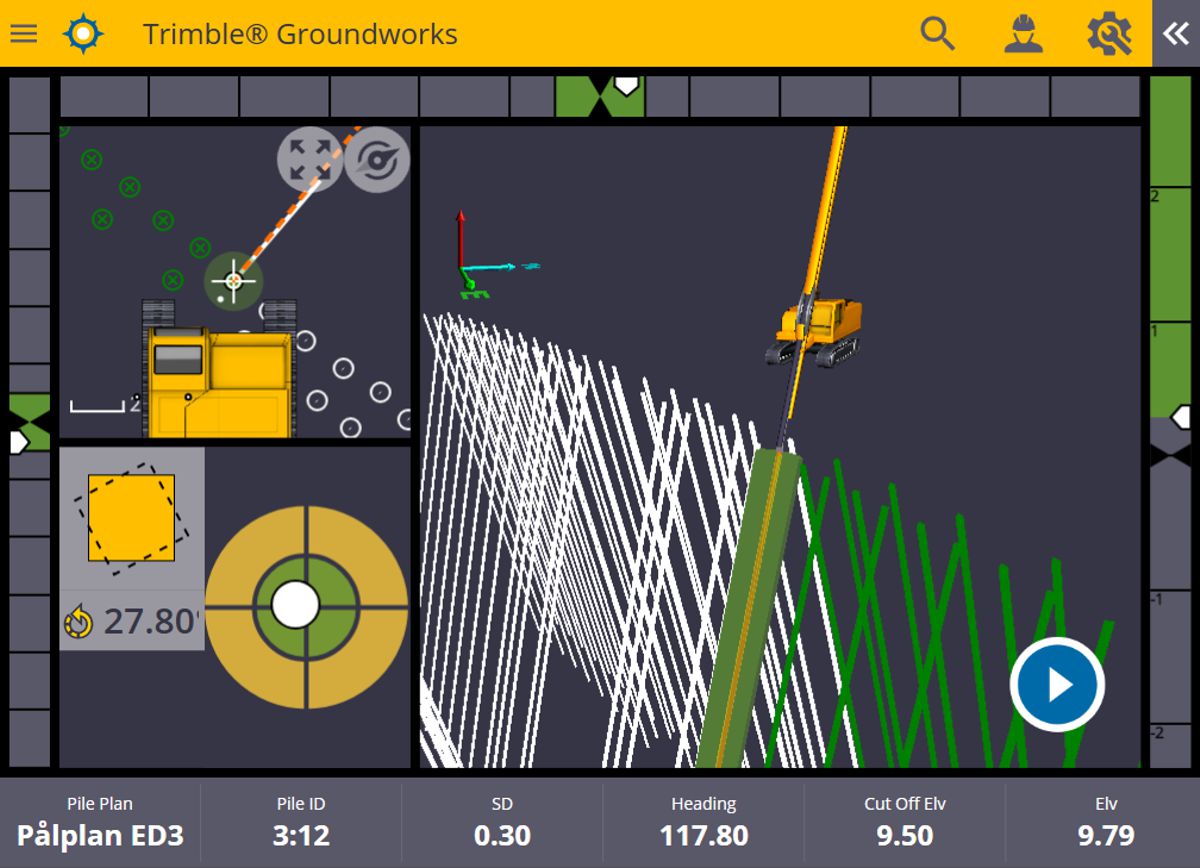
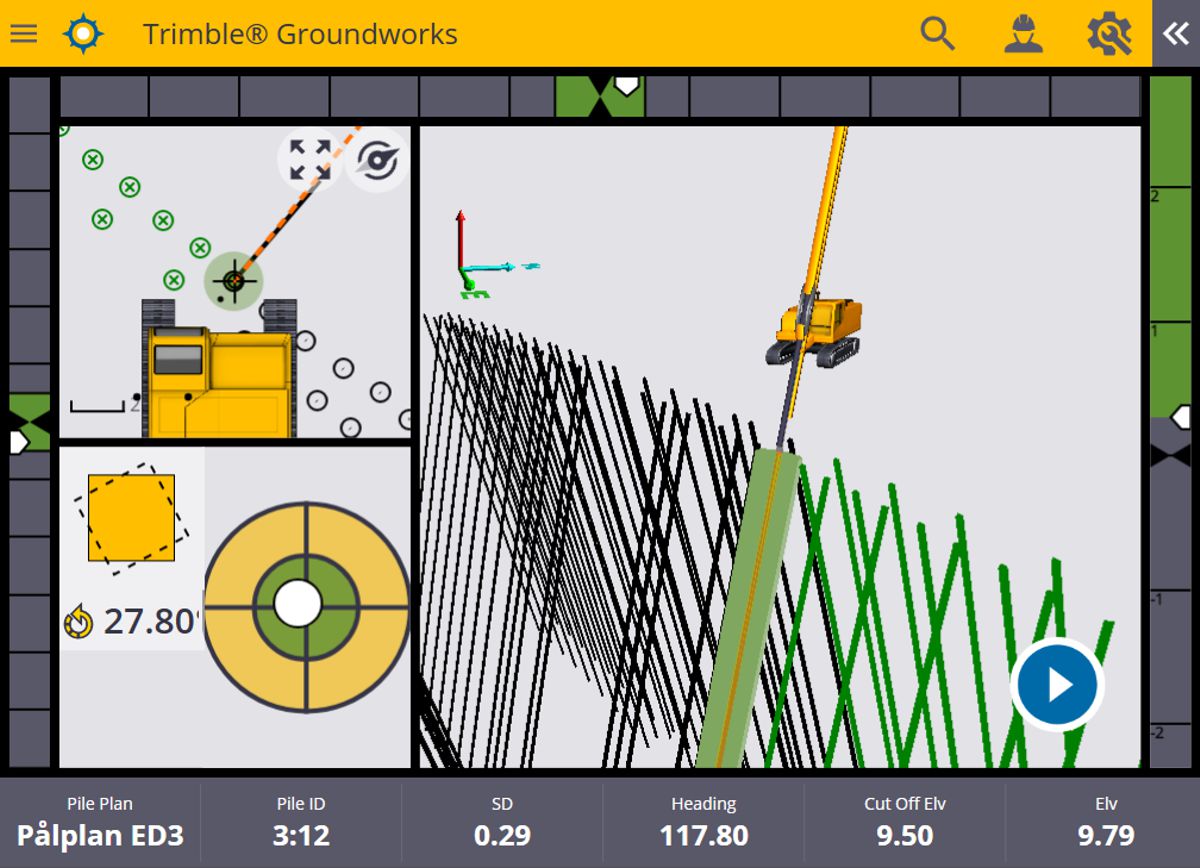
Using sensors and high-precision GNSS positioning to track the drill bit or piling point, a screen in the cab shows the operator where they are against the design, allowing each position to be approached without relying on pins or markings on the ground.
The pile or drill plan is loaded into the machine, either remotely or by file, and worked through from the cab. While it is not always the right approach for every application, for example on smaller schemes, on larger jobs machine guidance removes the need to set out and verify hundreds of individual points, reducing both time on site and the cost associated with repeated checks.
As the work is carried out, position and depth are recorded automatically. That data is sent back to the office through SITECH-supported Trimble platforms, giving engineers visibility of progress without returning to site and manually confirming the location and depth of what’s been installed.
Complex groundworks
However, not all drilling and piling takes place in predictable conditions. On many sites, ground conditions are uncertain, poorly mapped or vary significantly across short distances.
That is made worse when working in parts of the UK with a mining legacy. In places like Stoke-on-Trent, Nottinghamshire and South Wales, large sections of the old mine network remain unmapped even today.
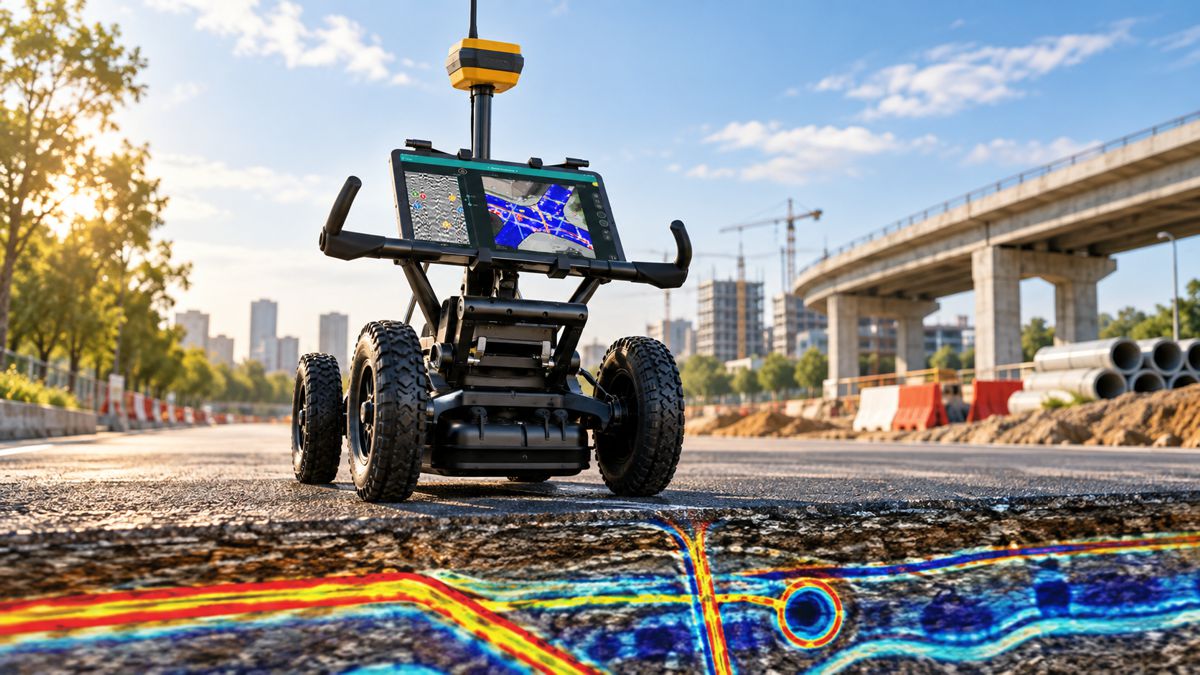
Even with detailed ground investigations, those voids do not always show up until work starts and ground is broken. In these situations, teams will often work across a grid, drilling until they hit a void and then filling it. As that work progresses, the system records where those voids sit and how deep they are, building up a picture that can be shared with the client.
Smart machine guidance
Ultimately, machine guidance helps improve the way work is recorded and signed-off. The technology allows position and depth to be captured as the job is carried out, rather than written down afterwards and passed through multiple steps before reaching the client.
On most sites, operators still keep manual logs of each pile or drill hole, noting depth, position and any issues. That then gets handed over, typed up and turned into an as-built report. Using smart machine guidance, that information is captured automatically and sent straight back to the office, ready to be used.
That gives contractors a clear record of what has been installed, without having to go back and piece it together at the end of the job. Where verification is difficult, it also makes it easier to show what has been done and move on without additional checks.
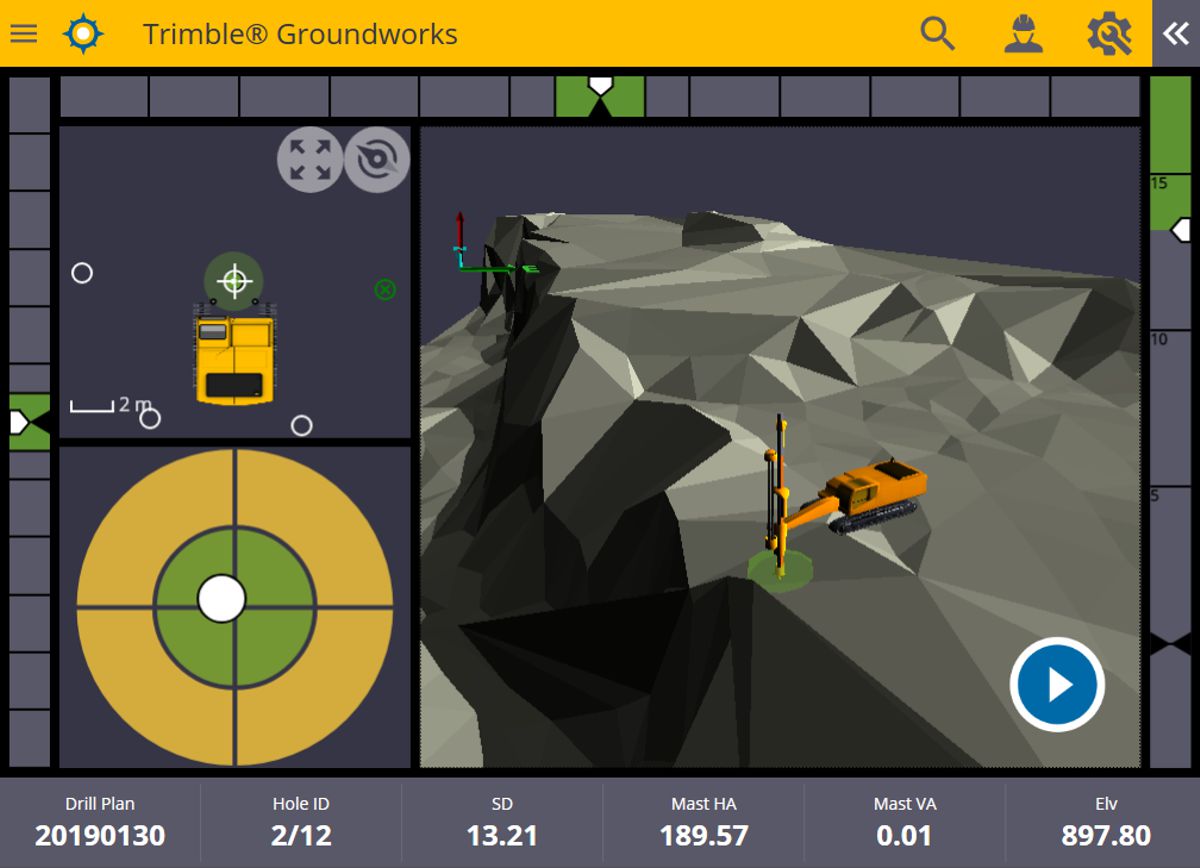
It is also where drilling and piling is starting to catch up with the rest of the jobsite. Machine guidance is already standard on excavators, dozers and graders, but groundworks have been slower to follow. As projects become more complex and the need for clear, reliable data increases, that gap is starting to close.
As a result, the focus is shifting from simply getting the work done to being able to show that it’s been done properly. In drilling and piling, where most of that work sits below the surface, that hasn’t always been straightforward. Smart machine guidance is giving contractors a clearer way to show what’s been done and move on with confidence.
Article by By Ken McMullen, Specialist Application Sales – Drilling and Piling at SITECH UK & Ireland.