Minimising Risk on Busy Sites with Practical Protective Solutions
Busy construction and refurbishment sites are dynamic environments. Multiple trades operate simultaneously, materials are constantly moved, and tight deadlines create pressure. In this context, even small oversights can lead to damage, delays, or injury.
Minimising risk is not only about compliance. It is about protecting profit margins, reputations, and timelines. Practical protective solutions play a vital role in maintaining safe, efficient, and damage-free sites.
Here are key strategies that help reduce risk while keeping projects on track.
1. Protect Floors Before Work Begins
Floor surfaces are among the most vulnerable elements on any site. Finished timber, tiles, vinyl, or newly laid concrete can be damaged by foot traffic, dropped tools, or wheeled equipment.
Installing durable surface protection at the start of a project prevents costly repairs later. Temporary coverings such as Correx Board create a strong barrier against impact, moisture, and debris. These boards are lightweight yet tough enough to withstand heavy site activity, making them suitable for both domestic refurbishments and commercial fit-outs.
Proactive floor protection reduces disputes with clients and avoids unnecessary rework.
2. Use Dust Containment to Reduce Health and Cleaning Risks
Dust is more than an inconvenience. It presents health hazards, increases cleaning time, and can contaminate finished areas. On multi-phase projects, uncontrolled dust can delay handovers and trigger additional labour costs.
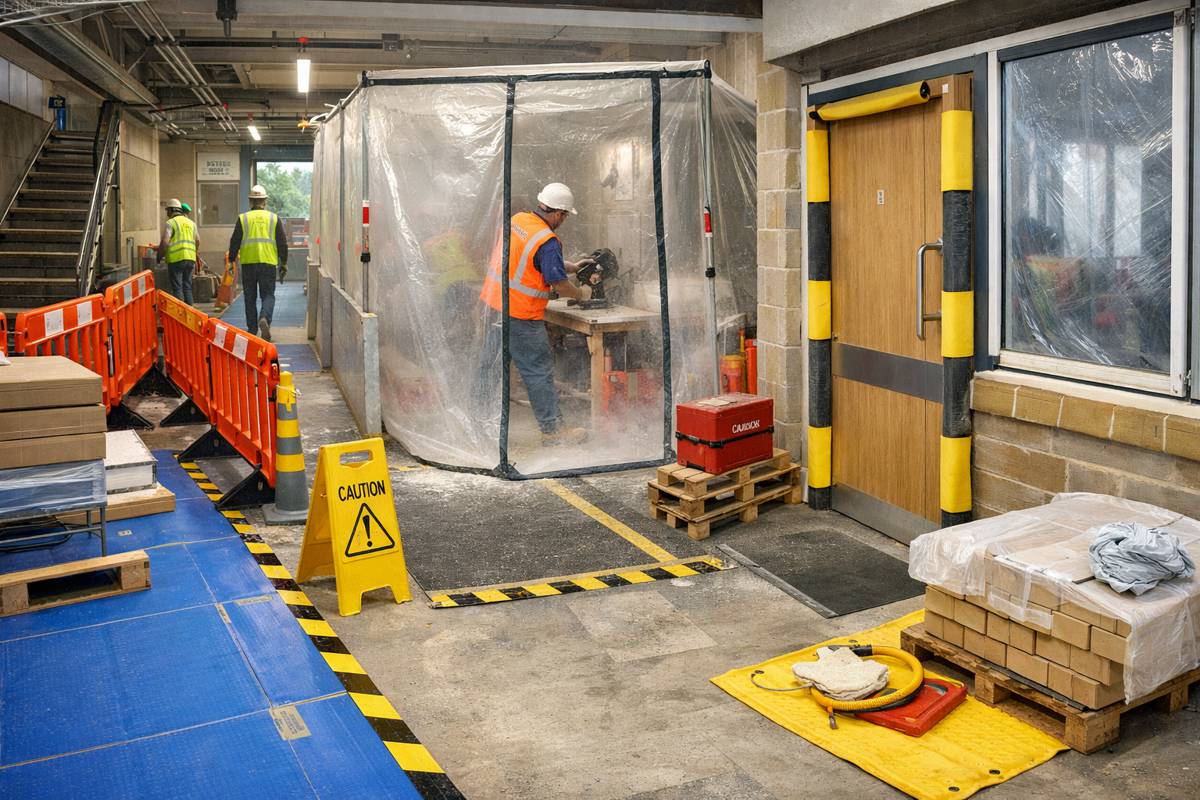
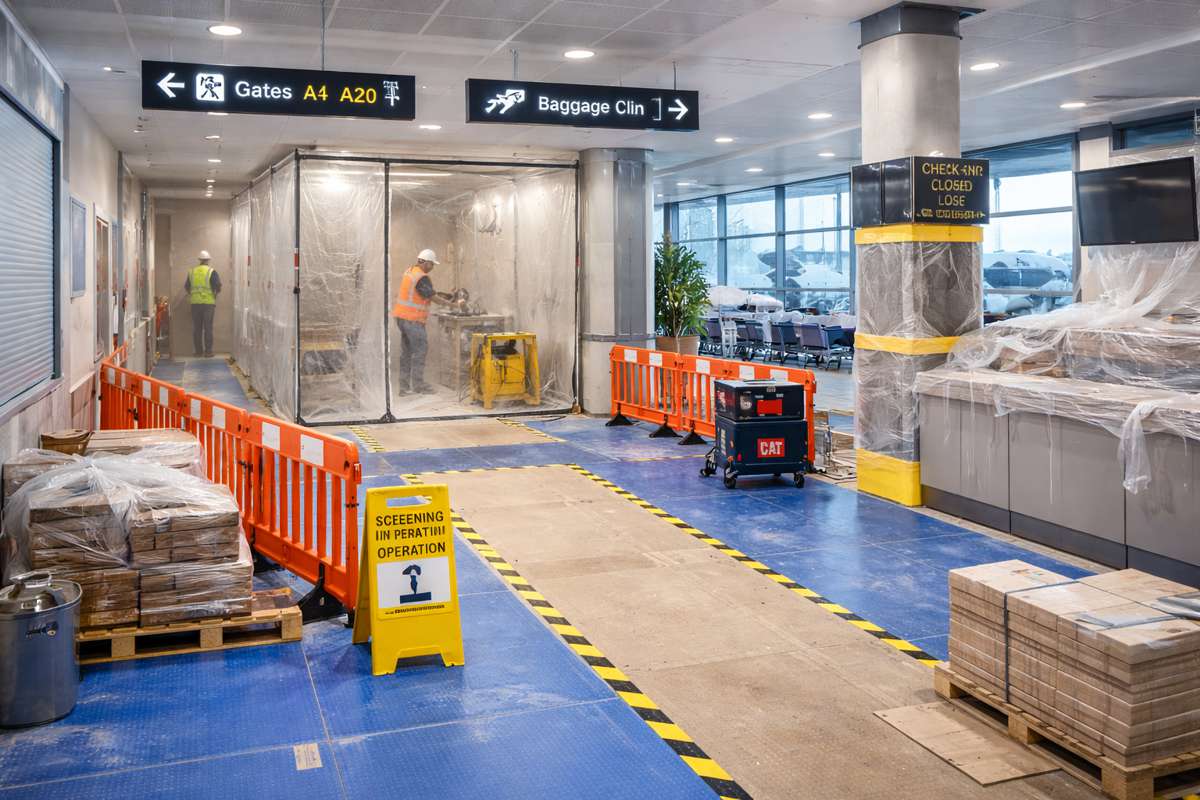
Practical measures such as dust sheets, temporary screening, and sealed doorways help contain debris within designated zones. This protects both workers and completed sections of the property.
Effective dust management reduces cross-contamination and improves overall site professionalism.
3. Clearly Define Walkways and Access Routes
Busy sites often involve overlapping workflows. Without clear walkways, the risk of trips, collisions, and accidental damage increases.
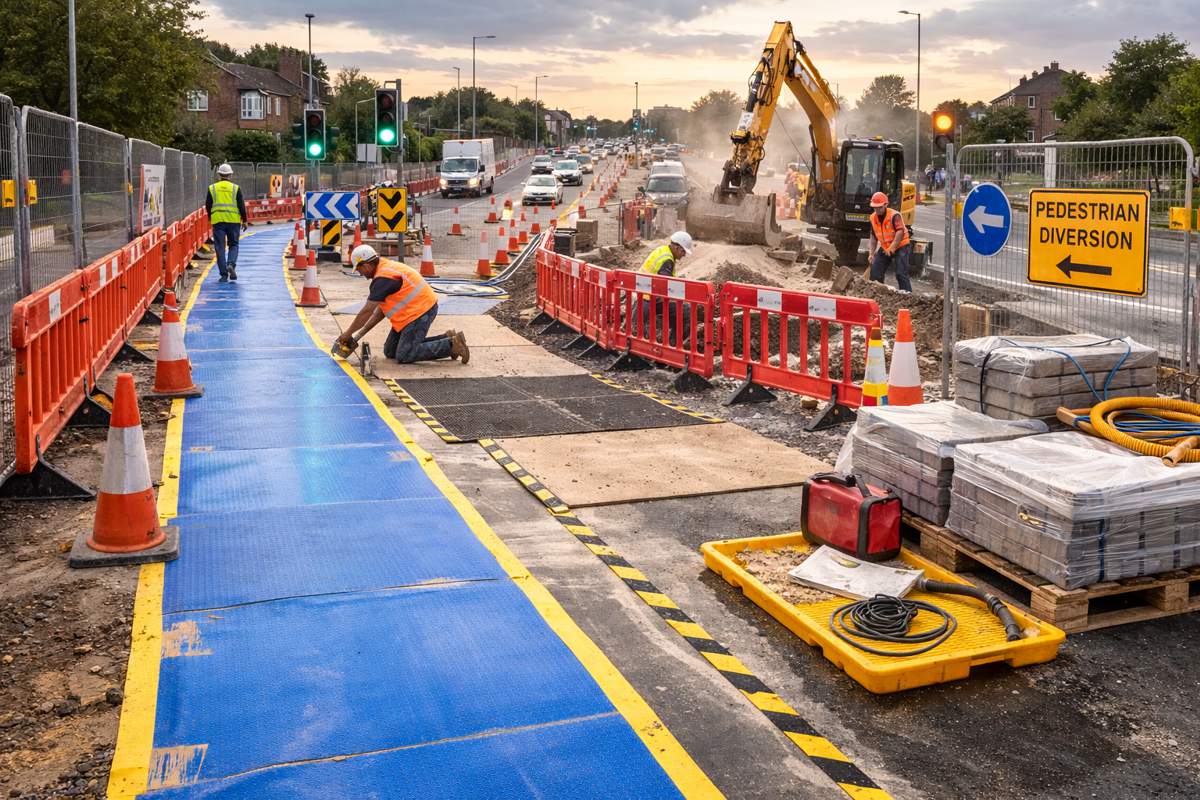
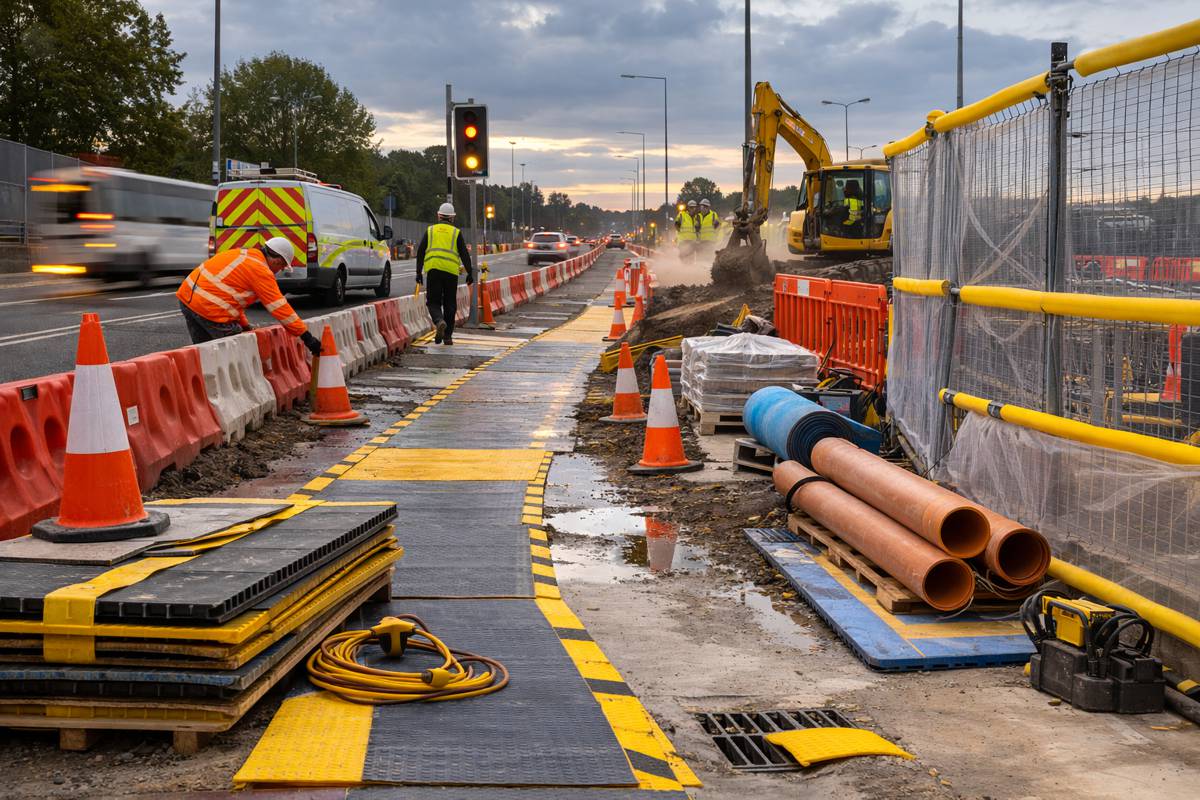
Using temporary barriers, taped routes, or floor coverings to define pedestrian pathways improves movement flow and reduces confusion. Marked routes also protect finished surfaces by directing traffic away from vulnerable areas.
Clear organisation supports safety and productivity simultaneously.
4. Shield Fixtures, Doors, and Windows
Newly installed fixtures are particularly susceptible to damage during later stages of construction. Doors, frames, glazing, and fitted units can easily be scratched or dented by equipment and materials.
Protective wraps, edge guards, and board coverings provide a simple yet highly effective safeguard. Taking time to shield these elements preserves quality and prevents remedial costs at the end of the project.
Clients notice when finishes are delivered without damage.
5. Manage Moisture and Spill Risks
Water ingress and accidental spills can cause long-term issues, particularly on timber floors or newly plastered surfaces. Wet trades working alongside dry installations increase the likelihood of moisture exposure.
Using moisture-resistant protective materials and absorbent coverings helps manage this risk. Prompt containment of spills also prevents slip hazards and structural damage.
A well-prepared site accounts for environmental exposure, not just physical impact.
6. Store Materials Securely and Systematically
Loose materials left in walkways or stacked without structure create both safety hazards and inefficiencies. Poor storage increases the risk of trips, theft, or accidental damage.
Designating specific storage zones and using protective boards beneath heavy items prevents surface indentation and structural stress. Orderly storage reduces confusion and improves workflow across trades.
Organisation is a fundamental form of risk management.
7. Reinforce High-Traffic Areas
Certain zones on busy sites experience constant movement. Entry points, staircases, and corridors are particularly vulnerable to wear and impact.
Reinforcing these areas with heavy-duty protection ensures they withstand repeated use. Durable boards and floor coverings distribute weight and prevent concentrated damage.
Addressing high-traffic areas early reduces long-term repair costs and maintains site safety.