Liebherr Brings High Density Lifting Capability to UK Urban Construction
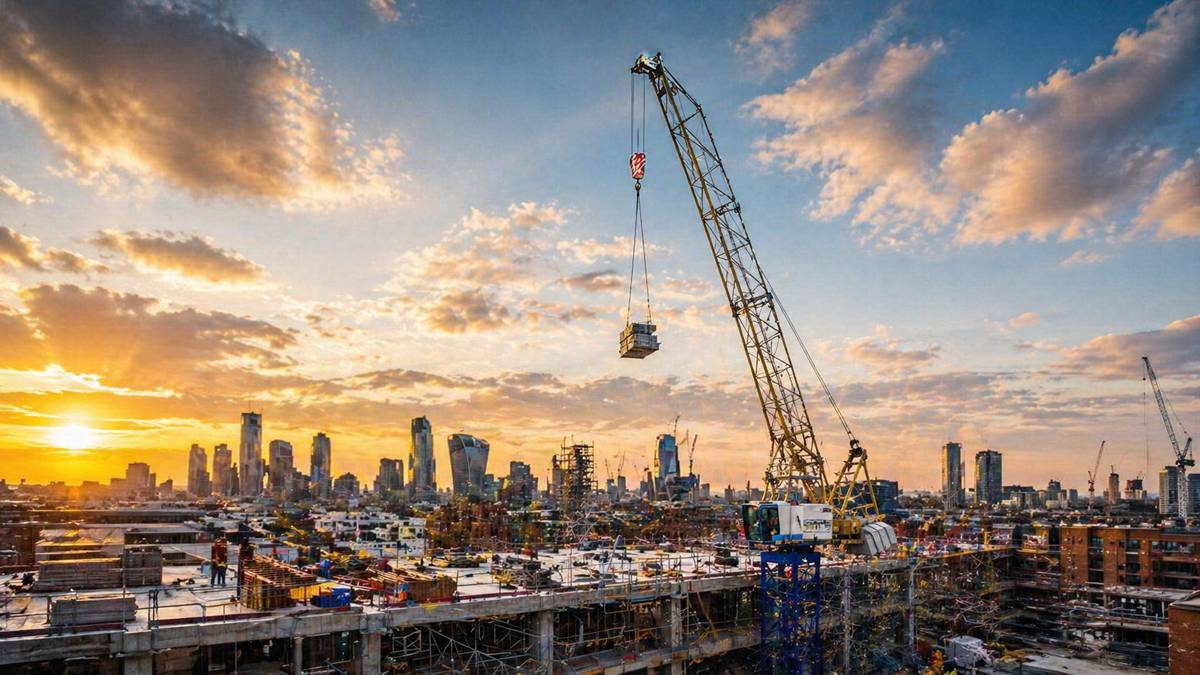
Urban construction in the United Kingdom rarely offers generous working conditions. Sites are tight, logistics are constrained, and expectations around safety, efficiency and disruption management continue to rise. The arrival of a new crane class tends to carry more weight than a routine equipment delivery.
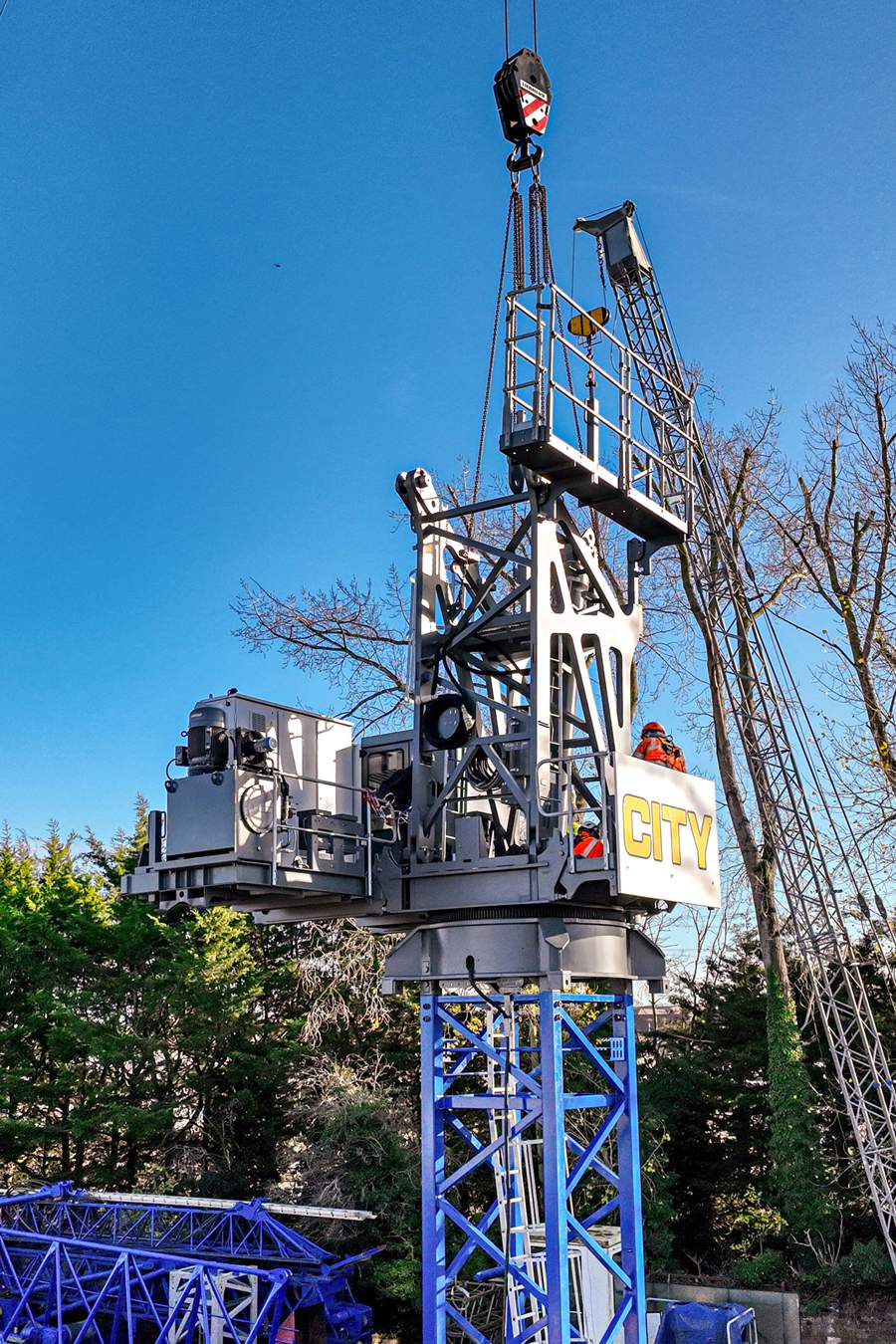
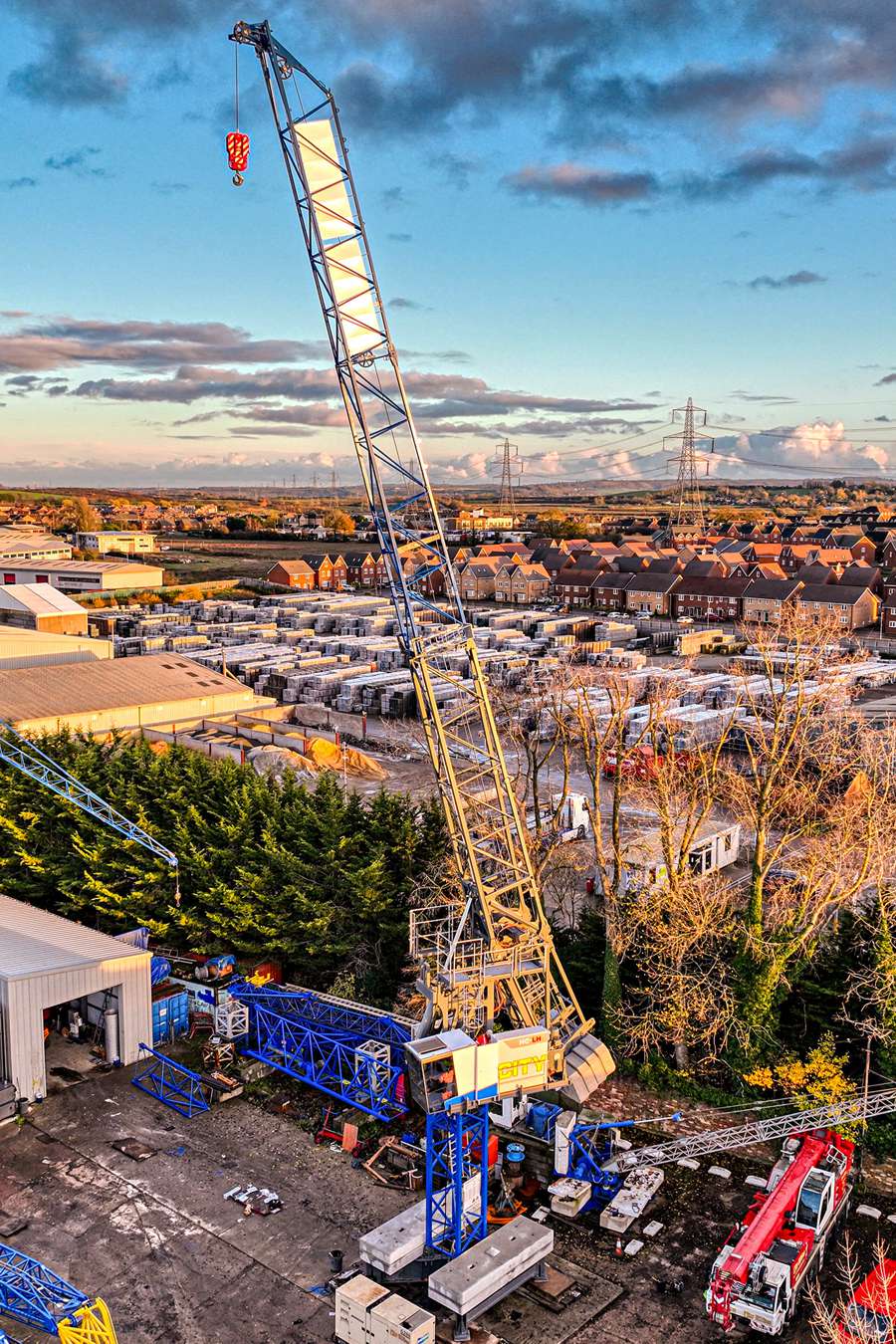
That is precisely the case with the introduction of the first Liebherr 195 HC-LH luffing jib tower crane into the UK market, now operating within the fleet of City Lifting. The Essex-based lifting specialist has taken delivery of the model ahead of its deployment on a housing development project, marking a notable step in the evolution of high-density lifting solutions for constrained urban environments.
The move reflects a broader shift across the construction and infrastructure sectors, where contractors and plant providers are under growing pressure to deliver more within less space. From residential developments in London to complex regeneration schemes across regional cities, the ability to operate efficiently within restricted footprints has become a defining factor in project viability. Equipment that can adapt to those conditions is no longer a niche requirement. It is becoming the baseline.
Briefing
- First deployment of the Liebherr 195 HC-LH tower crane in the UK, expanding urban lifting capability
- Designed for constrained sites with a minimum working radius of three metres and compact out-of-service configuration
- Advanced systems including Load-Plus and Tower Crane OS enhance operational efficiency and control
- Logistics optimised with transport achievable in four vehicles and lighter component weights
- Strong manufacturer support and training programme reduces commissioning risk and supports long-term reliability
A Crane Designed for Constrained Infrastructure Projects
Modern construction in dense environments has evolved into a careful balancing act. Developers are working around existing infrastructure, neighbouring buildings and strict planning conditions, while maintaining tight schedules and cost discipline. In such scenarios, equipment must be both capable and adaptable.
The Liebherr 195 HC-LH has been engineered with precisely these conditions in mind. Its ability to operate at a minimum working radius of just three metres allows it to function in spaces where traditional tower cranes would struggle to manoeuvre. Equally significant is its out-of-service radius of under ten metres, reducing interference with adjacent structures when the crane is idle.
This level of spatial efficiency is not simply a convenience. It directly influences site planning, permitting and overall project timelines. In urban developments, particularly those involving residential or mixed-use schemes, the capacity to minimise crane footprint can unlock otherwise marginal sites. For contractors, that translates into greater flexibility when bidding for work and delivering complex builds.
Engineering Efficiency Through Advanced Luffing Technology
Luffing jib cranes have long been favoured for city-centre construction, but their performance characteristics continue to evolve. The 195 HC-LH incorporates a hydraulic luffing system capable of repositioning the jib in under 90 seconds, allowing operators to adjust quickly to changing site conditions.
This responsiveness has practical implications. Faster luffing movements can reduce cycle times during lifting operations, improving productivity without increasing risk. In an environment where project schedules are under constant scrutiny, incremental gains in operational efficiency can add up to meaningful time savings.
The inclusion of Load-Plus technology further enhances lifting performance by temporarily increasing capacity by up to 25 percent under defined conditions. While such features must always be applied within strict operational parameters, they offer an additional layer of flexibility when handling challenging loads or working at extended radii.
Control systems also play an increasingly important role in crane operation. Liebherr’s Tower Crane OS introduces a more intuitive interface, enabling operators to monitor performance and manage lifting tasks with greater precision. As digitalisation continues to reshape construction equipment, such systems are becoming central to both productivity and safety.
Logistics That Reflect Real World Site Constraints
Transport and assembly often present as many challenges as lifting operations themselves, particularly in urban environments where access is limited and disruption must be minimised. The 195 HC-LH addresses these concerns through a design that allows the crane to be delivered to site using just four transport vehicles.
That reduction in logistics complexity can have a direct impact on project planning. Fewer deliveries mean less coordination with local authorities, reduced traffic disruption and lower associated costs. In cities where construction activity is closely monitored, such efficiencies are far from trivial.
Assembly considerations have also been addressed with a focus on practicality. Individual components weighing no more than eight tonnes allow the use of smaller assist cranes, which are often easier to deploy in confined spaces. Pre-assembled elements further streamline the erection process, reducing time on site and lowering exposure to risk during installation.
These design choices reflect a clear understanding of how cranes are actually deployed in modern construction environments. It is not just about lifting capacity or reach. It is about how efficiently a machine can be integrated into the broader logistics of a project.
Serviceability and Maintenance Built into the Design
Reliability remains a cornerstone of construction equipment performance. Downtime can have cascading effects on project schedules, contractual obligations and cost structures. For crane operators and fleet owners, ease of maintenance is therefore a critical consideration.
City Lifting’s Managing Director, Trevor Jepson, highlighted several design features that influenced the company’s decision to invest in the crane: ‘Several standout features of the crane influenced our decision to acquire the unit. The hoist winch is positioned inside the first jib section, which saves transport and time. Its generously sized drum also means fewer layers of rope are needed for tall buildings. In addition, the winch mounting allows safe and easy access to the brake and gearbox from the fixed working platform for maintenance, whatever the angle of the jib.’
The hydraulic luffing cylinder has also been designed with serviceability in mind, using a bolted construction rather than threaded end caps. This simplifies maintenance procedures and reduces the time required for component replacement or inspection.
A built-in system for self-removal of the cylinder further enhances maintenance efficiency, allowing technicians to carry out essential work without extensive disassembly. In practical terms, these features reduce downtime and support consistent operational performance across the crane’s lifecycle.
Supporting Workforce Capability Through Training and Collaboration
Introducing new equipment into a fleet is not simply a matter of delivery and installation. It requires a transfer of knowledge, ensuring that operators and technicians can use and maintain the machinery effectively from day one.
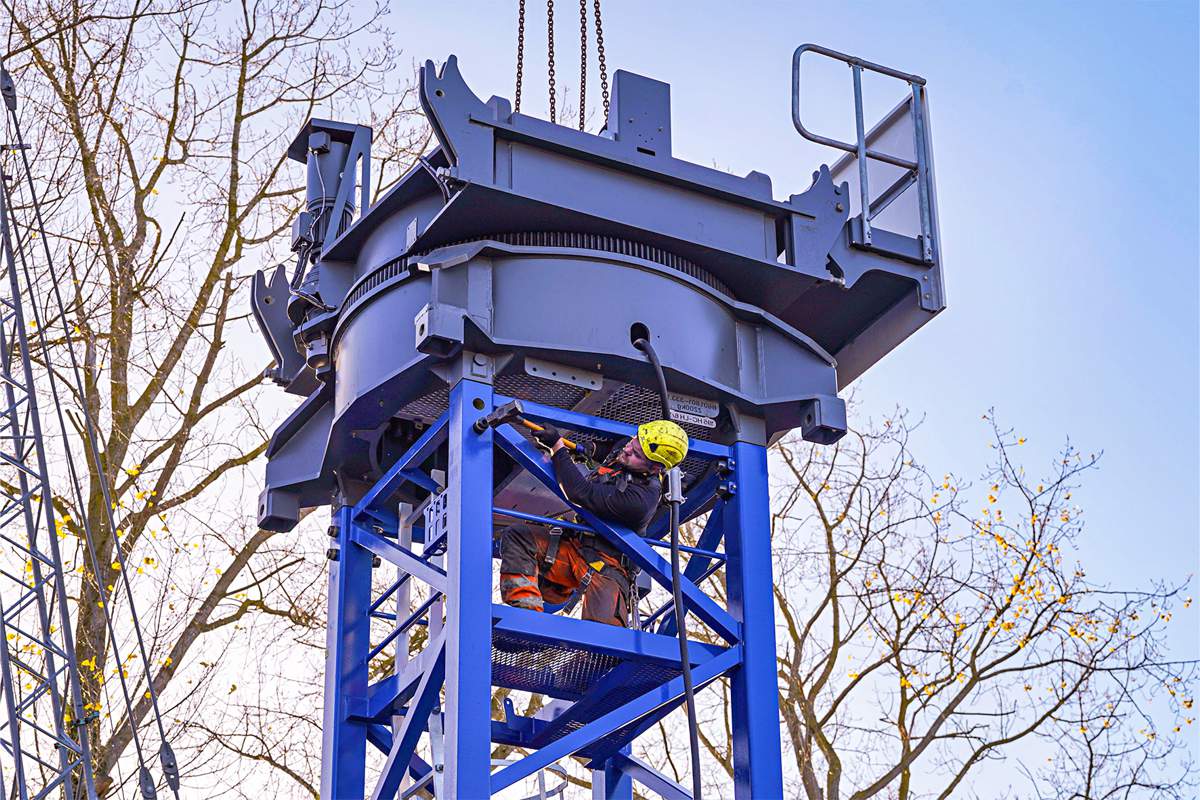
Ahead of its first project, Liebherr provided a week-long familiarisation programme for City Lifting’s technical team at its yard in Leighton Buzzard. This hands-on approach allowed technicians to engage directly with the crane’s systems, gaining a detailed understanding of its operation and maintenance requirements.
Such training initiatives are becoming increasingly important as construction equipment grows more sophisticated. Digital control systems, advanced hydraulics and integrated safety features all demand a higher level of technical competence. By investing in early-stage training, manufacturers and operators can reduce the risk of operational issues and improve long-term performance.
The collaboration between Liebherr and City Lifting reflects a broader trend within the industry, where equipment suppliers are expected to provide not only machinery but also ongoing technical support. This partnership model helps ensure that new technologies deliver their intended benefits in real-world conditions.
Strategic Fit Within a Specialist Lifting Fleet
City Lifting has built a reputation for delivering complex lifting solutions across London and the wider UK, often working on projects where space and logistics present significant challenges. The addition of the 195 HC-LH aligns closely with this operational focus.
The crane’s compact tower width of 1.6 metres enables installation within lift shafts or internal climbing applications, expanding its utility on high-rise projects. This capability is particularly relevant in dense urban developments, where external crane placement may not be feasible.
Counterweight installation has also been simplified, with components transported and fitted in the same orientation. This reduces the potential for error during assembly and improves overall safety on site. Small design refinements such as these can have a disproportionate impact on efficiency when applied across multiple projects.
By integrating the 195 HC-LH into its fleet, City Lifting is positioning itself to address a growing segment of the market. As urban construction becomes more complex, demand for specialised lifting solutions is expected to increase. Equipment that can adapt to those conditions will play a central role in meeting that demand.
Strengthening the Role of High Performance Tower Cranes in Urban Development
The introduction of the 195 HC-LH into the UK market highlights a broader shift in construction technology. Tower cranes are no longer static pieces of infrastructure. They are evolving into highly adaptable systems, capable of responding to the dynamic requirements of modern projects.
Across Europe and other developed markets, urbanisation continues to drive demand for high-density construction. According to data from organisations such as Eurostat, urban populations are steadily increasing, placing additional pressure on housing and infrastructure delivery. This trend is mirrored in the UK, where planning constraints and land availability necessitate more efficient use of space.
In this context, the role of advanced lifting equipment becomes increasingly significant. Cranes that can operate within tight constraints, while maintaining high levels of performance and safety, are essential to delivering projects on time and within budget.
The arrival of the 195 HC-LH is therefore more than a single equipment milestone. It represents a step forward in the capability of the construction sector to address the challenges of urban development. As projects become more complex, the tools used to deliver them must evolve accordingly.
A Forward Looking Step for UK Construction Capability
City Lifting’s investment in the first 195 HC-LH crane in the UK reflects a calculated response to changing market conditions. Rather than reacting to immediate demand, the company is positioning itself to meet future requirements, where flexibility, efficiency and technical capability will define success.
‘Liebherr’s support has been excellent, providing detailed loadings and technical guidance throughout. We look forward to continuing our work with the team in the future.’
That sentiment underlines the importance of collaboration in delivering modern construction solutions. Equipment alone is not enough. It must be supported by expertise, training and ongoing technical engagement.
As the crane prepares to begin work on its first project in Essex, its performance will be closely watched. Not as a standalone machine, but as an indicator of how the industry is adapting to the realities of urban construction. If it delivers as intended, it is unlikely to remain unique for long.