Compact Response Vehicles Redefining Emergency Fleet Capability
Emergency response is evolving, and so too are the vehicles that underpin it. Across fire, medical, and multi-agency operations, there’s a growing need for platforms that can move quickly through congested streets, reach remote locations without hesitation, and carry specialised equipment without compromise. It’s no longer enough to rely solely on large, traditional apparatus. Fleet managers are looking for something more agile, more efficient, and ultimately more adaptable to the unpredictable realities of modern response environments.
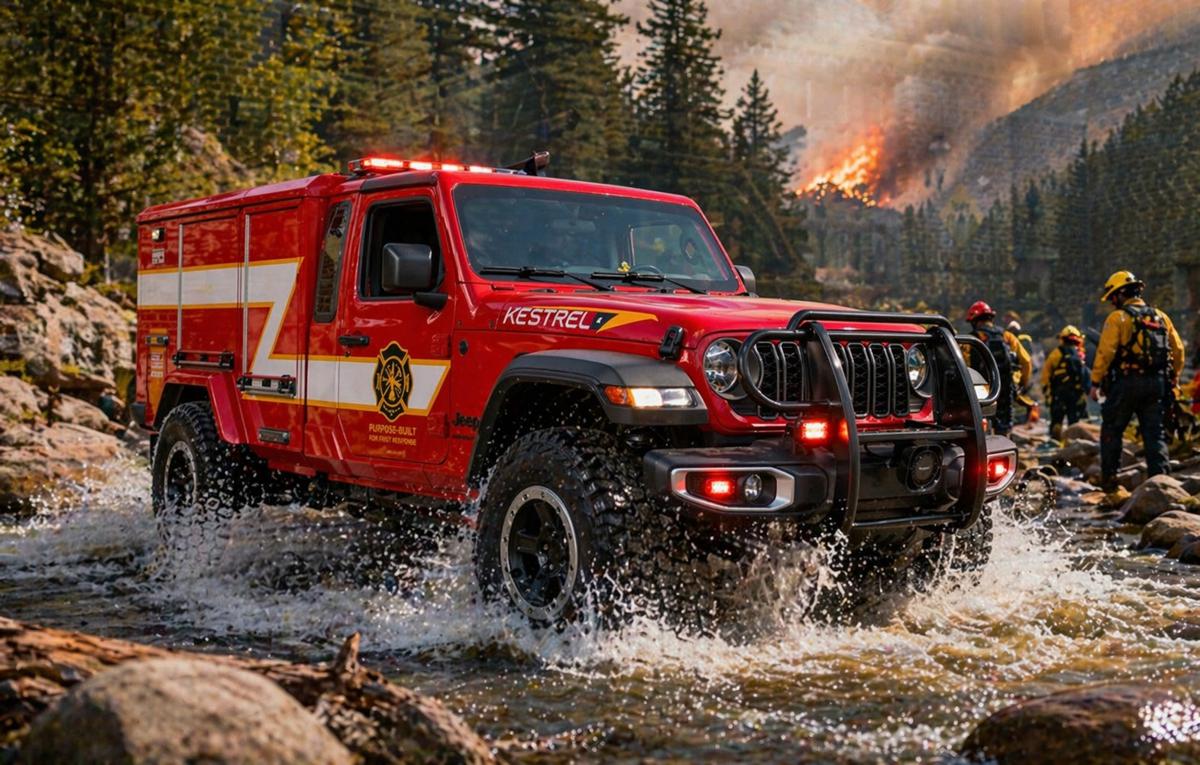
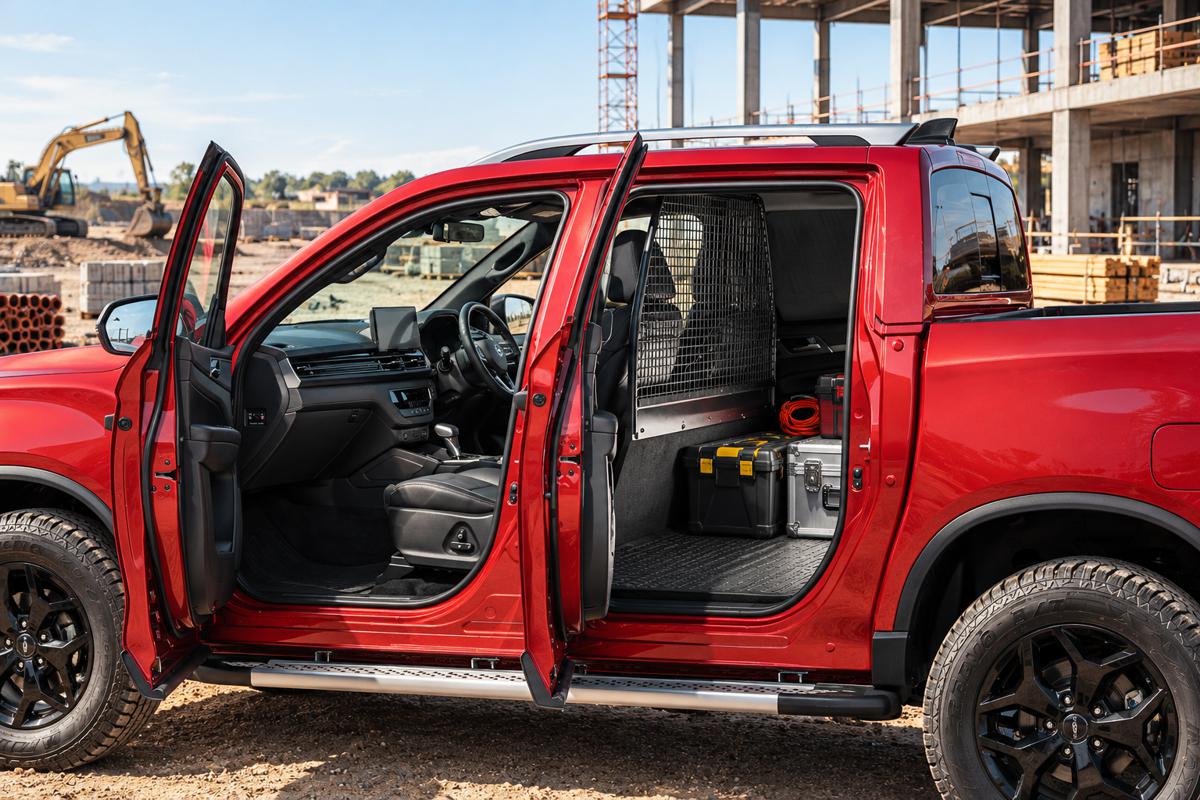
Morgan Olson has introduced the Kestrel platform at FDIC International. Rather than presenting a concept or prototype, the company is putting forward a fully developed, production-ready commercial vehicle engineered specifically for first response roles. The Kestrel sits within a new category of compact, four-wheel-drive Class 2 work trucks, reflecting a broader industry move toward right-sized fleet solutions that balance capability with operational efficiency.
Briefing
- Compact four-wheel-drive Class 2 platform designed for first responder fleets
- Fully engineered and validated commercial vehicle, not a retrofit or concept
- Configurable for multiple emergency roles including fire, EMS, and logistics
- Designed to reduce lifecycle costs through efficiency and simplified maintenance
- Developed with direct input from real-world fleet operators and responders
Rethinking Fleet Design for Modern Emergency Response
Emergency services have traditionally relied on large, highly specialised vehicles, often designed for singular roles. While these remain essential, operational realities are shifting. Urban density is increasing, infrastructure is under pressure, and response times are under constant scrutiny. At the same time, rural and remote incidents demand vehicles capable of navigating difficult terrain without sacrificing payload or reliability.
This dual challenge has prompted a reassessment of fleet composition. Smaller, more manoeuvrable vehicles are becoming critical assets, particularly for rapid response, support roles, and multi-agency coordination. Research across emergency services in Europe and North America has shown that deploying lighter, more agile vehicles can improve response times in congested areas while reducing operational costs associated with fuel consumption and maintenance.
The Kestrel platform reflects this trend. Its compact footprint is designed to navigate tight urban environments, while its four-wheel-drive capability ensures access to off-road or degraded infrastructure conditions. For fleet operators, that combination addresses a longstanding gap between large apparatus and light-duty vehicles that lack the durability required for continuous emergency use.
Built from the Ground Up Rather Than Adapted
One of the persistent issues in emergency vehicle design has been the reliance on retrofitting commercial chassis for specialised roles. While this approach offers flexibility, it can introduce compromises in durability, safety integration, and long-term reliability. Components not originally designed for emergency use may struggle under the demands of constant deployment, heavy payloads, and harsh operating conditions.
Morgan Olson has taken a different route with the Kestrel. The platform has been engineered as a purpose-built commercial vehicle from the outset, incorporating structural, mechanical, and operational considerations specific to first responder requirements. That distinction matters, particularly when it comes to compliance with safety standards and the integration of mission-critical systems.
The vehicle has undergone a series of validation processes, including fuel system integrity crash testing and multi-angle impact assessments. Stability control systems have also been recalibrated to reflect the unique dynamics of commercial emergency applications. These are not cosmetic upgrades or incremental improvements. They represent a comprehensive engineering approach aimed at ensuring consistent performance in real-world conditions.
Operational Efficiency Under Pressure
Emergency response is defined by time pressure, and vehicle design plays a significant role in how effectively crews can operate. Access to equipment, ease of movement around the vehicle, and the ability to deploy quickly all contribute to operational efficiency. In high-stress situations, even small design improvements can translate into meaningful gains in response capability.
The Kestrel has been configured with workflow optimisation in mind. Equipment access points are positioned to reduce unnecessary movement, while the vehicle’s layout supports rapid deployment of tools and supplies. This focus on usability aligns with broader trends in emergency services, where human factors engineering is increasingly recognised as a key component of operational effectiveness.
“First responders don’t have the luxury of uncertainty when it comes to their equipment,” said Joe Rudolph, Morgan Olson’s Vice President of Business Development. “Kestrel was designed and validated to perform in the same harsh, unpredictable conditions they face every day delivering the durability, capability, and confidence required to operate in both urban and remote environments.”
That emphasis on reliability is critical. Equipment failure or operational inefficiency during an incident can have serious consequences, making durability and consistency non-negotiable requirements.
A Modular Platform for Diverse Emergency Roles
Modern emergency response rarely fits neatly into predefined categories. Incidents often involve multiple agencies, evolving conditions, and a need for flexible resource deployment. Vehicles that can adapt to different roles provide a clear advantage, allowing departments to maximise utilisation and reduce the need for highly specialised, single-purpose units.
The Kestrel platform has been designed with modularity in mind. Rather than locking departments into a fixed configuration, it supports a wide range of applications, including:
- Fireground support operations
- Command and communications units
- Emergency medical services and rehabilitation support
- Logistics and equipment transport
- Multi-agency coordination roles
This adaptability reflects a broader shift toward integrated response strategies, where interoperability and flexibility are prioritised. For fleet managers, the ability to reconfigure or repurpose vehicles over time also contributes to long-term value and resilience.
Lifecycle Economics and Fleet Sustainability
Budget constraints remain a constant challenge for emergency services worldwide. Capital expenditure must be balanced against operational needs, maintenance costs, and long-term sustainability goals. In this context, total cost of ownership has become a critical metric in fleet decision-making.
Compact platforms like the Kestrel offer several advantages in this regard. Improved fuel efficiency reduces operating costs, while simplified mechanical systems can lower maintenance requirements and downtime. Over the lifecycle of a vehicle, these factors can have a significant impact on overall expenditure.
There’s also a broader sustainability dimension to consider. As public sector organisations face increasing pressure to reduce emissions and improve environmental performance, smaller and more efficient vehicles can play a role in achieving those targets. While electrification is gaining traction in some areas, many emergency applications still require the reliability and range of conventional powertrains. In the interim, efficiency gains within existing technologies remain an important step forward.
Morgan Olson’s focus on serviceability and parts availability further supports lifecycle performance. Ensuring that vehicles can be maintained and repaired efficiently over extended periods is essential for maintaining fleet readiness and avoiding costly replacements.
Infrastructure Pressures Driving Innovation
The introduction of platforms like the Kestrel is not happening in isolation. It’s part of a wider transformation in how infrastructure systems are designed and managed. Urbanisation, climate change, and evolving risk profiles are all influencing the demands placed on emergency services.
Extreme weather events, for example, are increasing in frequency and intensity, placing additional strain on response capabilities. Floods, wildfires, and severe storms often require vehicles that can operate in challenging and unpredictable environments. At the same time, ageing infrastructure can limit access routes, making manoeuvrability and off-road capability more important than ever.
In this context, vehicle design becomes an integral part of infrastructure resilience. The ability to deploy quickly, navigate complex environments, and sustain operations over extended periods directly influences the effectiveness of emergency response systems. Compact, capable platforms offer a practical way to enhance that resilience without requiring wholesale changes to existing fleet structures.
A Practical Step Forward for Emergency Fleet Strategy
Fleet modernisation is rarely about dramatic leaps. More often, it involves incremental improvements that collectively deliver meaningful gains in capability, efficiency, and reliability. The Kestrel platform represents one such step, aligning with broader industry trends while addressing specific operational challenges faced by first responders.
By combining compact dimensions with four-wheel-drive capability, modular design, and comprehensive validation, the platform offers a balanced approach to modern fleet requirements. It doesn’t attempt to replace traditional apparatus but instead complements existing assets, filling a gap that has become increasingly apparent.
For construction, infrastructure, and transport stakeholders, the implications extend beyond emergency services. The same principles of right-sized design, lifecycle efficiency, and operational flexibility are influencing vehicle development across multiple sectors. As infrastructure systems continue to evolve, the tools used to build, maintain, and protect them will need to evolve as well.
Delivering Capability Where It Counts
What stands out in the Kestrel’s development is its grounding in real-world operational needs. Input from fleet operators and first responders has shaped a platform that prioritises practicality over novelty. That approach resonates in an industry where reliability and performance carry far more weight than design statements.
As emergency services continue to adapt to changing demands, vehicles like the Kestrel are likely to play an increasingly important role. Not as replacements for existing systems, but as complementary assets that enhance overall capability and resilience.
In the end, it’s about delivering the right tool for the job. And in emergency response, getting that right can make all the difference.