Energy on the road: The role of battery energy storage systems in highway fast-charging infrastructure
The brutal reality of highway power grids
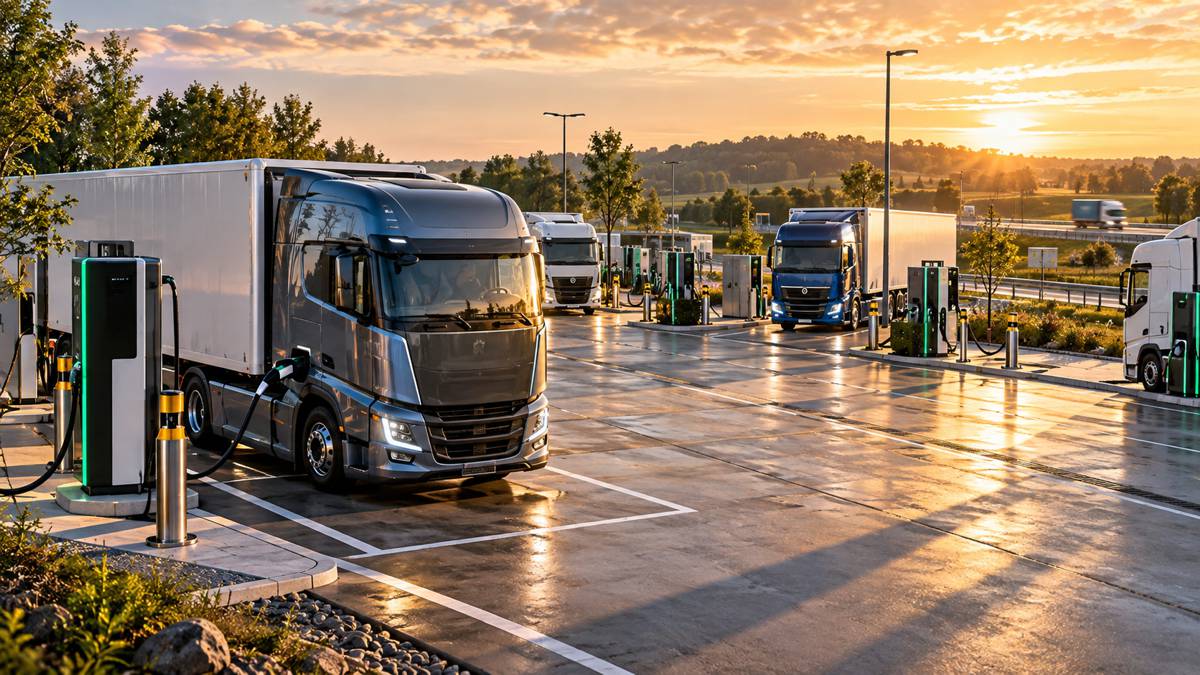
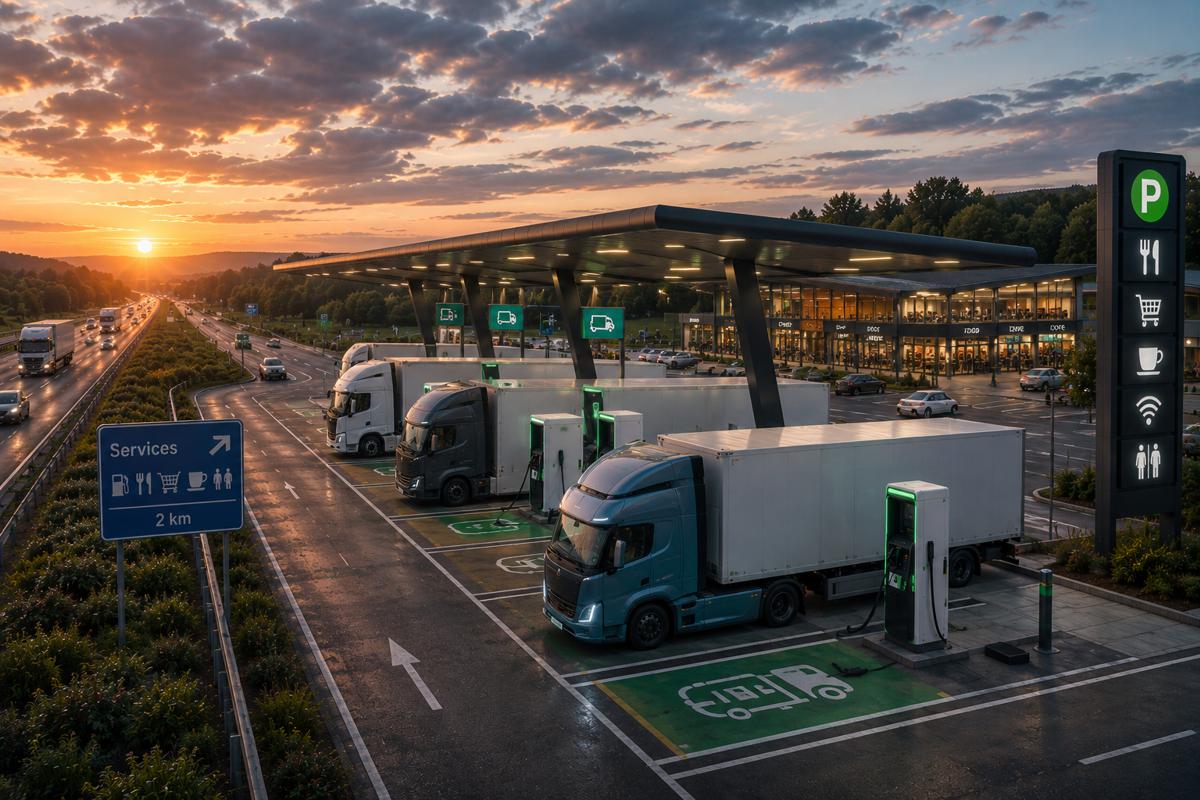
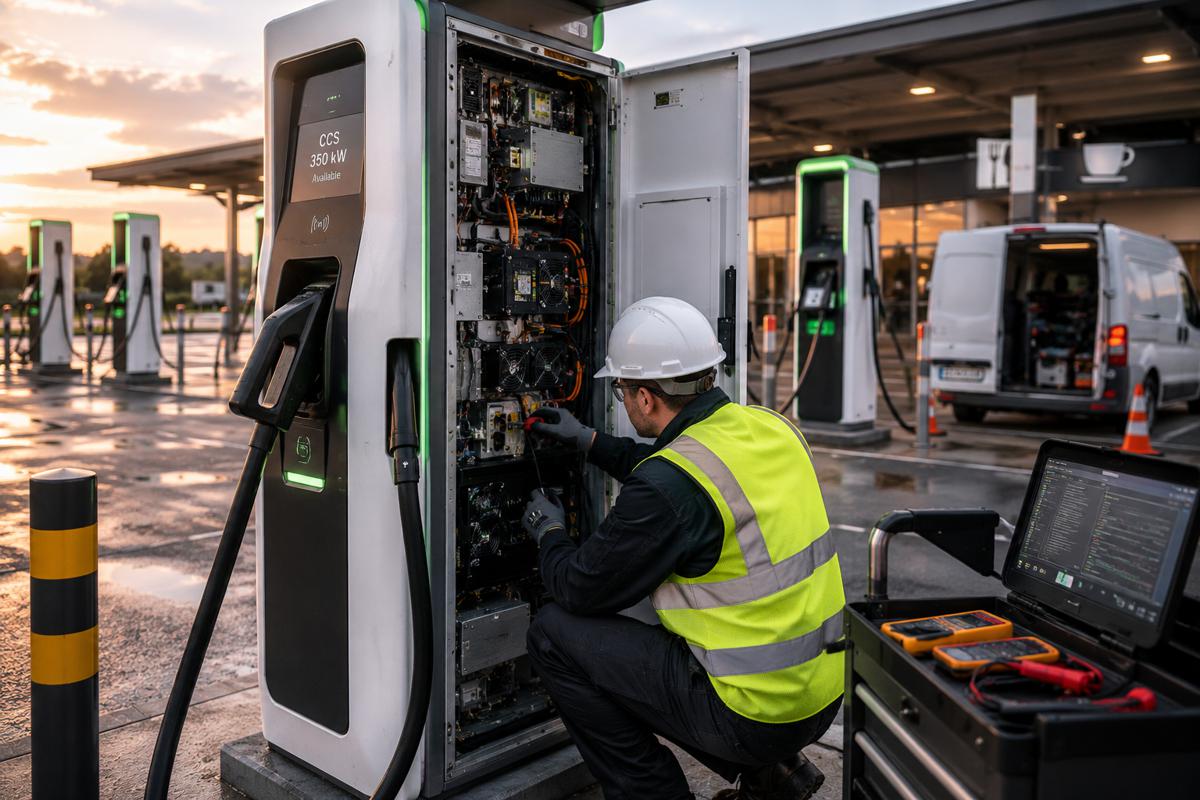
Electrifying highway corridors is much harder than politicians want you to believe. When a driver pulls up to a highway service station, they expect to plug in, grab a quick coffee, and leave with an eighty percent charge in fifteen minutes. This requires ultra-fast chargers. We are talking about dispensers pushing 150 kW, 350 kW, or even more. If four trucks or high-end passenger vehicles plug in simultaneously, that single service area suddenly demands over a megawatt of power.
Most highway rest stops were built decades ago. Their connection to the local grid was designed to run some industrial coffee makers, fryers, heating, and fluorescent lighting. Asking these rural distribution lines to suddenly supply megawatts of power on demand is like trying to force a river through a garden hose. The grid will simply trip. In remote stretches of highway, the nearest high-voltage substation might be miles away. Bringing a dedicated medium-voltage line to a remote rest stop can easily cost millions of dollars and take three to five years of bureaucratic permits. Governments mandate electric vehicle charging networks, yet they ignore the physical limitations of the wires running through the fields next to the highway.
Enter battery storage as a buffer
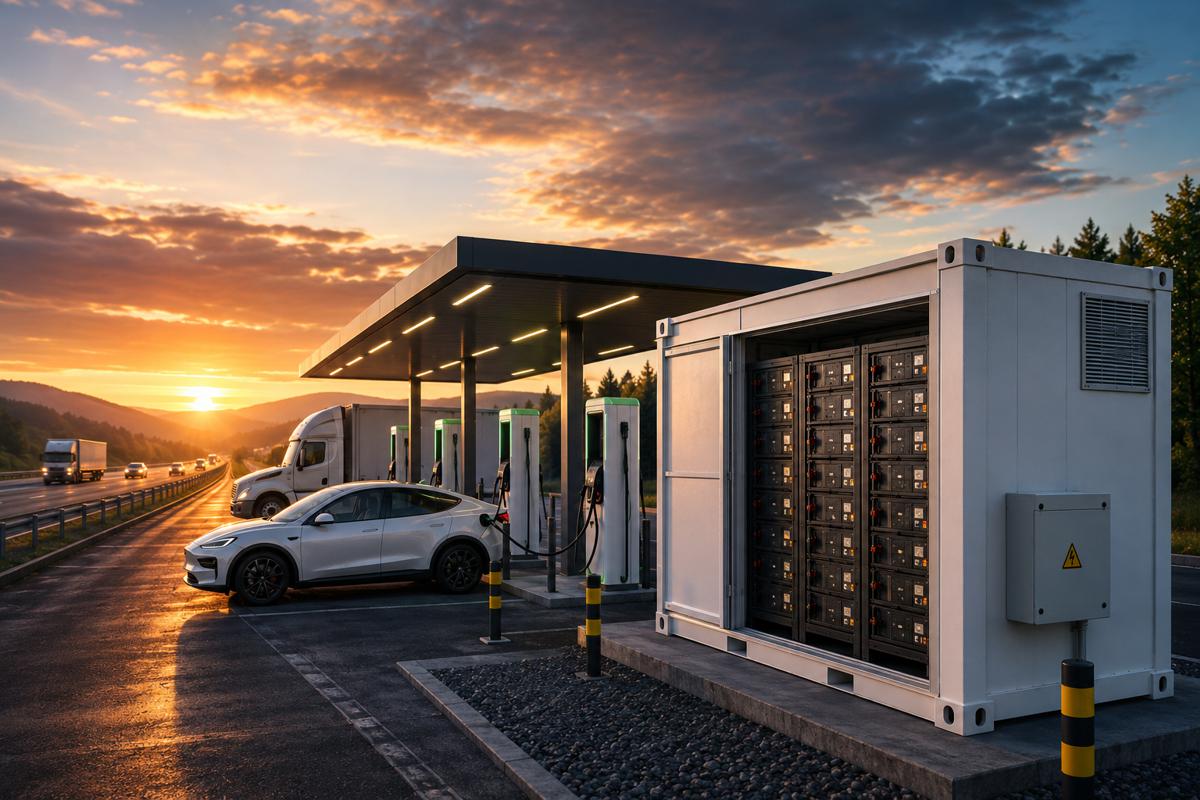
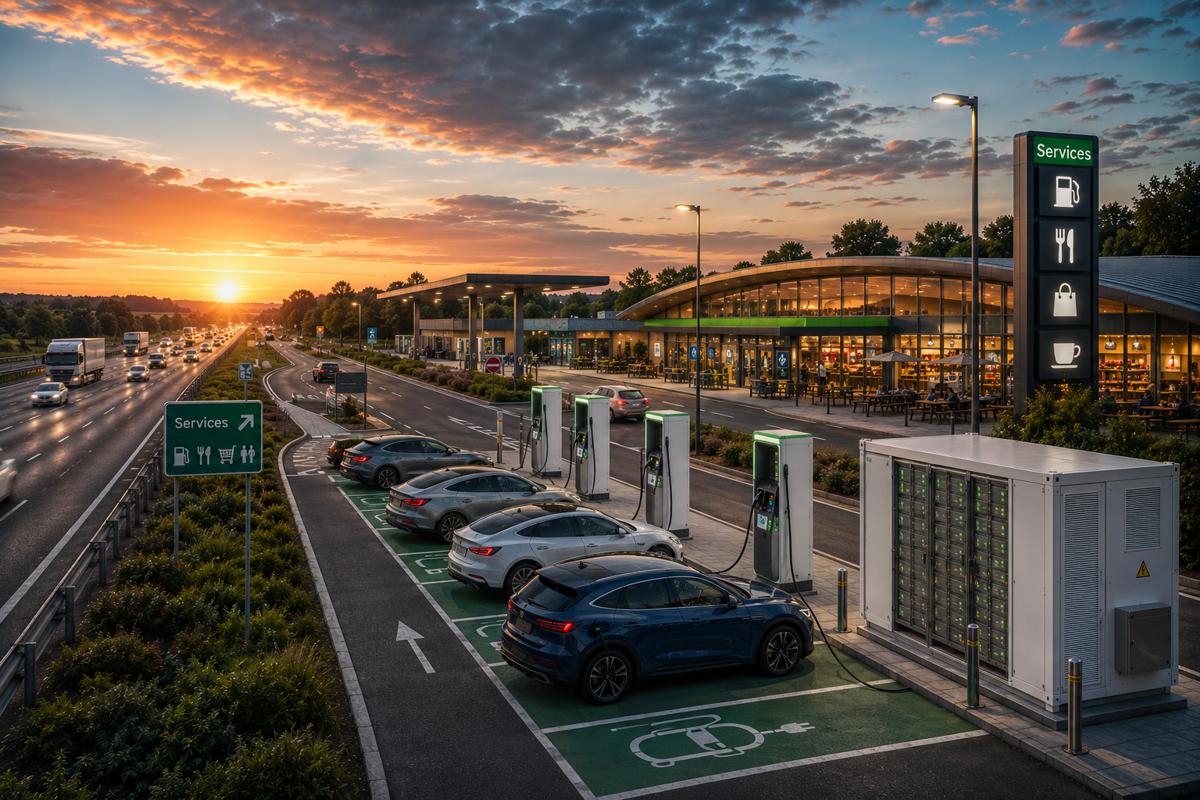
This is where stationary battery energy storage systems, commonly referred to as BESS, enter the equation. Instead of forcing the local grid to supply huge peaks of power every time an EV plugs in, we can use local batteries. The concept is simple enough. The battery charges slowly and steadily from the weak local grid when no cars are parked. When a vehicle initiates a high-power charging session, the battery discharges rapidly to supplement the weak grid connection. It is a buffer. It shaves the peak demand, preventing the local transformer from melting.
For engineers and infrastructure developers, choosing the right battery hardware is a massive headache. The market is flooded with different lithium chemistries, safety certifications, and liquid-cooling designs. To navigate this complexity, developers often turn to specialized directory platforms. Using search directories like bessbase.com allows project planners to filter through global manufacturers, compare storage capacities, and find compatible energy management software. Having a centralized source of technical specifications makes it much easier to match the physical constraints of a highway service station with the correct battery system.
Why conventional grid upgrades fall short
Utilities are slow. If you ask a utility provider to upgrade a transformer in a remote area, you are put at the bottom of a very long queue. Even if funding is secured, the utility has to prioritize residential areas and heavy industrial zones. Highway charging stations are seen as highly volatile, unpredictable loads. A utility company does not want to rebuild a substation just to handle a two-hour peak on Friday afternoons when everyone is driving to the countryside.
Furthermore, the financial burden of demand charges can ruin the economics of a charging station. Many utility companies charge commercial customers based on their peak power draw during a billing cycle. If a single vehicle draws 350 kW for twenty minutes, the station operator might face thousands of dollars in demand charges for that month, even if no other cars use the charger. By capping the grid draw and using a battery to supply the peak, operators can keep their demand charges flat. The numbers simply do not work without a buffer.
The hidden operational math of roadside batteries
But installing a battery is not a magic fix. It introduces its own set of operational challenges. Developers cannot just buy any off-the-shelf container and plug it in. They have to juggle a few frustrating technical compromises:
- The chemistry trade-off. LFP batteries are great because they do not catch fire easily and they last forever, but they are heavy as hell. If space at a busy service station is tight, you might be forced to use NMC batteries despite the obvious fire risks.
- Thermal abuse. A battery sitting on a highway median has to survive freezing winters and scorching summers. If the cells get too cold, they will not charge; if they get too hot, they degrade or, worse, blow up.
- Handling the heavy currents. The system needs high C-rate capabilities to survive back-to-back charging sessions. If four sports cars pull up one after another, the system has to discharge at 1C or more without melting its internal connections.
- The power tax. People forget that liquid cooling systems eat energy. Running huge chillers and heaters continuously drains the very battery you are trying to use, which quickly ruins your calculated efficiency numbers.
Everyone talks about round-trip efficiency on paper, but real-world numbers are always worse. By the time you power the auxiliary chillers, pumps, and heaters just to keep the battery alive, you are losing a massive chunk of your power. If developers do not budget for these hidden operational parasitic draws, the financial projections for the charging station will go down the drain within the first year.
Siting, fire safety, and the lifecycle dilemma
Safety is another major concern for highway operators. A thermal runaway event in a battery pack located next to a busy highway can close the road for hours. Local fire departments in rural areas are often unprepared to handle large-scale chemical fires. This has led to strict setback requirements. Many municipalities require battery enclosures to be placed at least ten to fifteen feet away from other structures and parking spaces. This eats into the valuable footprint of highway rest areas, where truck parking is already at a premium.
The National Fire Protection Association has established guidelines like NFPA 855 to address these installation hazards. These standards dictate everything from active fire suppression systems to deflagration venting. For a highway developer, meeting these codes is not optional, it is a complex engineering task that requires careful planning from day one.
Then comes the issue of end-of-life disposal. A battery system serving a busy highway charger might last seven to ten years before its capacity degrades to eighty percent, at which point it may no longer be able to support peak shaving effectively. Operators need to plan for recycling or second-life applications, such as grid stabilization elsewhere, from the moment they buy the hardware. It is an ongoing cycle of investment, maintenance, and asset management that requires deep industry expertise.