Volvo Construction Equipment Turning Strategy Into Steel At Volvo Days 2026
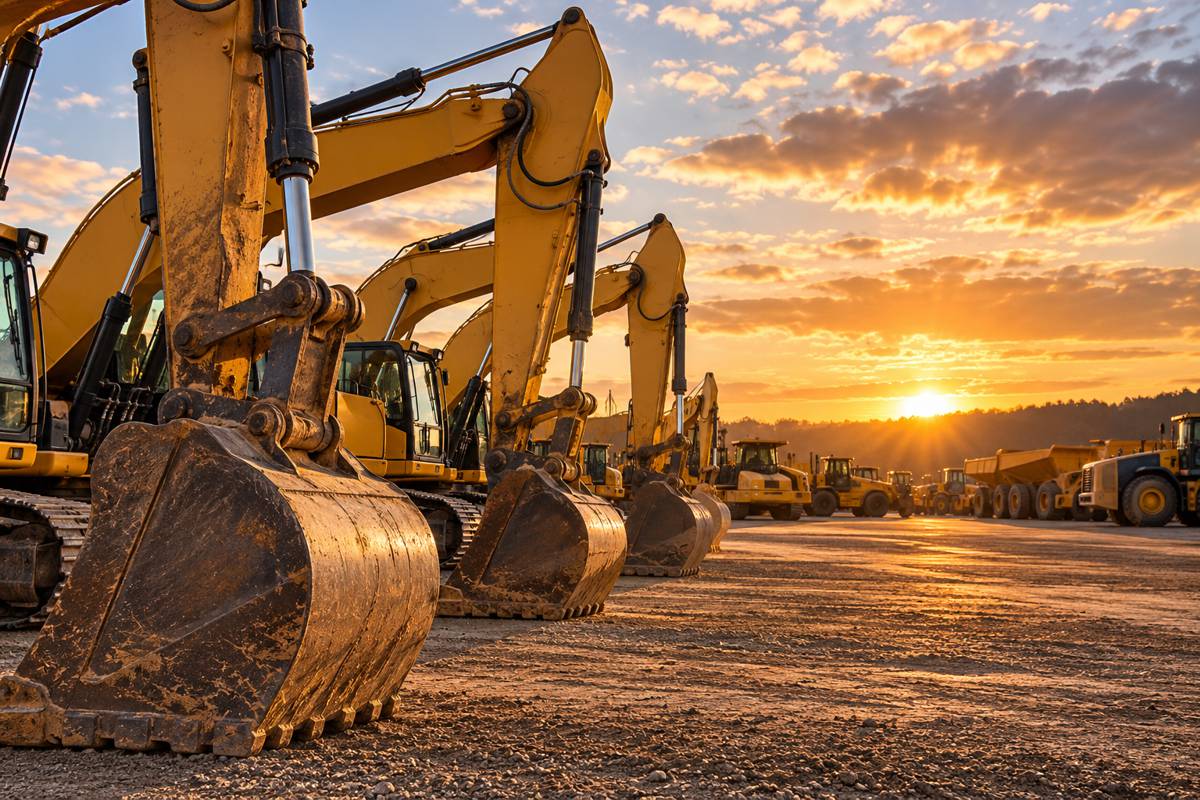
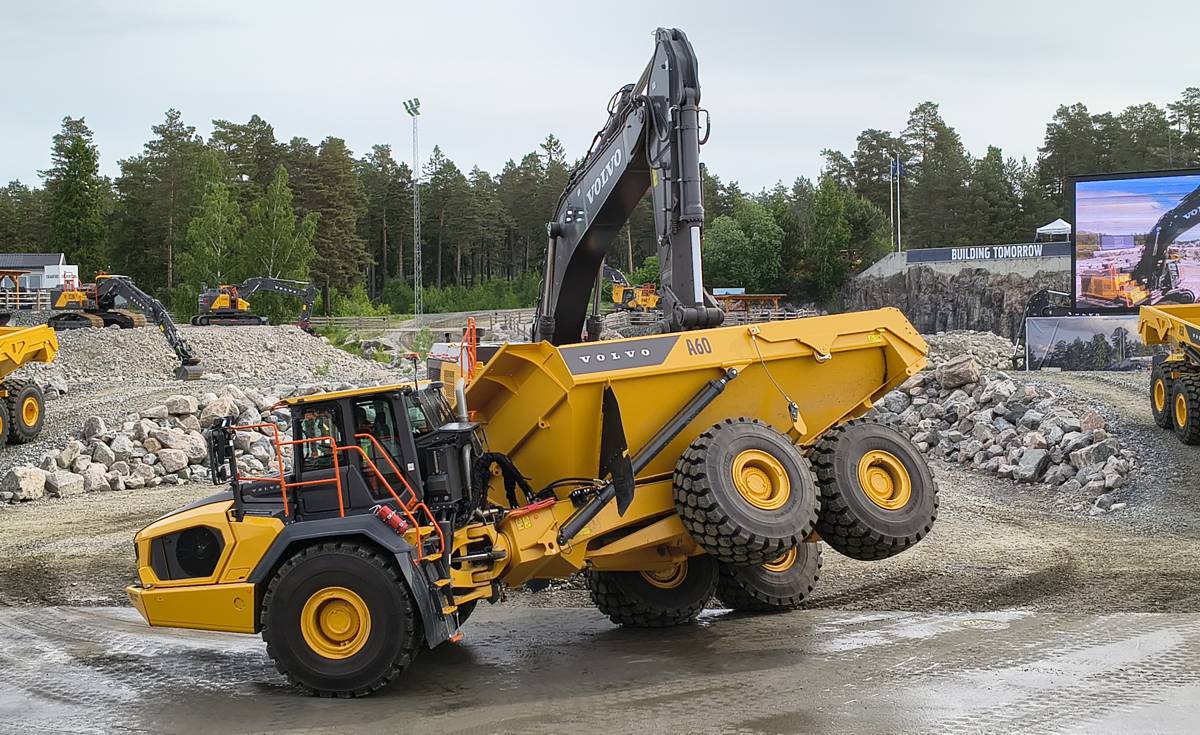
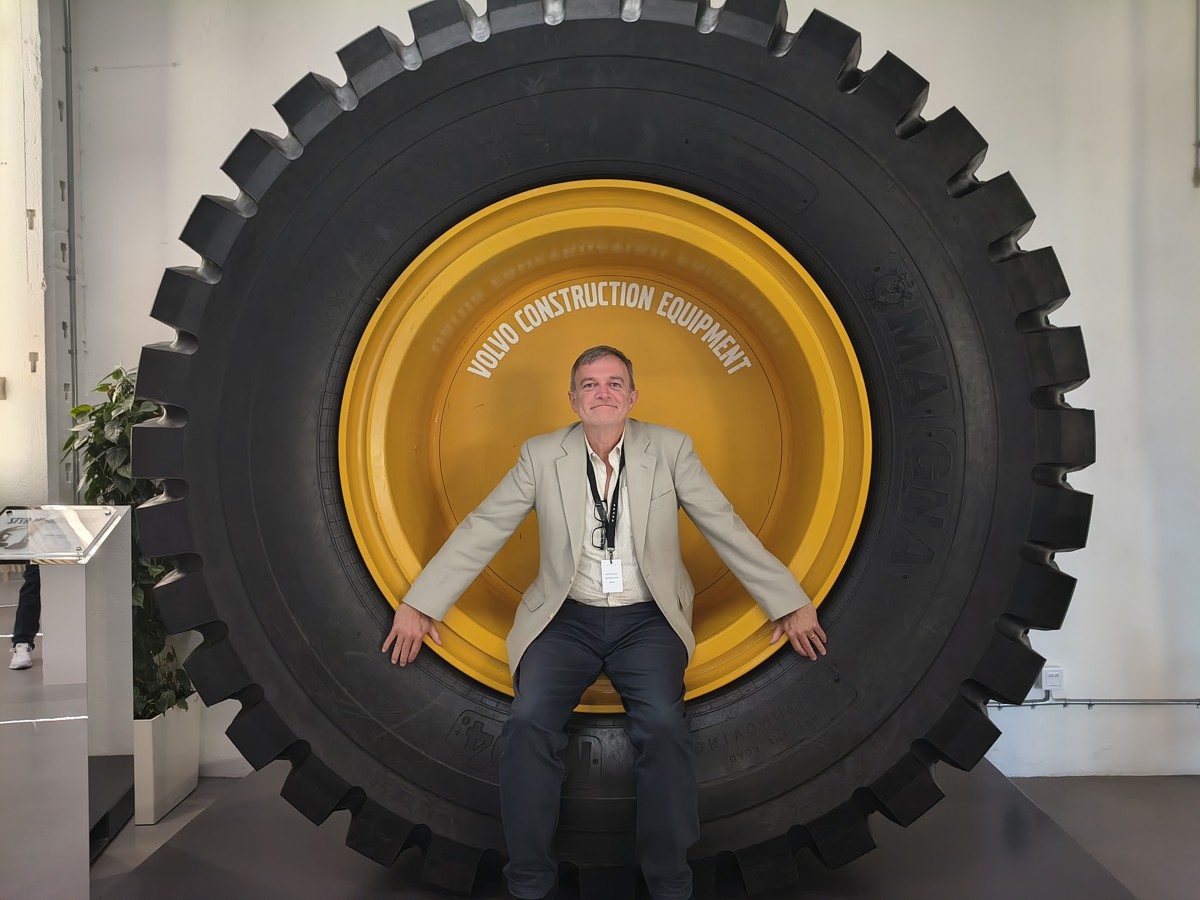
There are worse ways to start a working week than watching a fleet of Volvo excavators and wheel loaders dance across a demonstration field in central Sweden, and I’ll admit the spectacle did its job. I’d landed in Eskilstuna as one of 70 international construction journalists invited to the opening of Volvo Days 2026, fresh off a flight from Tbilisi, where I’d been covering the BituRoad Conference. The tight connection in Amsterdam held, but my suitcase didn’t, vanishing somewhere in the system and leaving me to shoot the whole event on a smartphone. With thanks to Volvo for the invitation, and I can report the phone held up better than expected, and so did the company’s argument that years of heavy investment are now showing up as real machinery, real factories and real changes to how it reaches its customers.
That argument matters well beyond Eskilstuna. Volvo Construction Equipment is one of the sector’s bellwethers, and the choices it makes about where to build, what to electrify and how to sell ripple through contractors, quarry operators and infrastructure programmes across Europe and beyond.
This year’s edition, the biggest in an event that’s been running since 1971 and is now marking its 55th year, draws in customers, dealers, suppliers and media across four weeks in June, with more than 100 machines on the demo field.
Underneath the theatre, the message was about industrial commitment at a moment when supply chains, geopolitics and the energy transition are forcing hard decisions.
Briefing
- Volvo CE confirmed a SEK 9.2 billion European investment programme, including SEK 702 million for a new excavator assembly plant in Eskilstuna, its first excavator manufacturing in Sweden, with production from 2028 and capacity for up to 3,500 machines a year.
- The acquisition of dealer Swecon gives Volvo CE direct control of around 70% of its European retail operations, tightening the link between maker and customer.
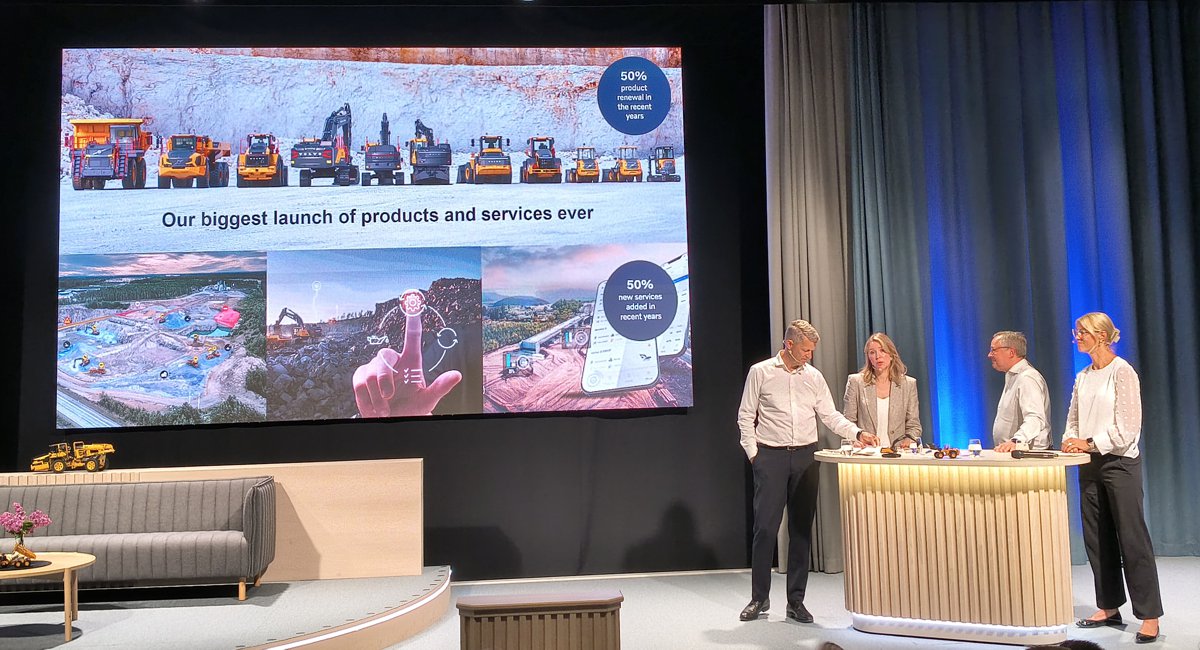
- Around 80 new and updated models have arrived in recent years, with nearly 16,000 new-generation machines now in service worldwide.
- The A40 Electric articulated hauler has entered serial production alongside the A30 Electric, joined by European debuts including the ECR255 and ECR355 short-swing crawler excavators.
- Site Solutions, the firm’s digital and connected-jobsite portfolio, earned a dedicated place on the agenda for the first time.
Concrete And Capital In Eskilstuna
The headline that should hold a policymaker’s or investor’s attention isn’t a machine at all. It’s a building. Volvo CE used the event to spotlight a SEK 9.2 billion investment across Europe, the centrepiece of which is a SEK 702 million excavator assembly facility rising on the edge of Eskilstuna. When it starts production in 2028, it’ll be the first time Volvo has built excavators in Sweden, and capacity is set to climb towards 3,500 units a year as volumes ramp up. The plant footprint runs to around 30,000 square metres, and groundwork is already under way on a site the visiting press were taken to see firsthand.
The logic is defensive as much as ambitious. By manufacturing closer to where its European customers actually work, Volvo reckons it can shorten lead times and blunt the supply-chain shocks that have bruised the whole industry since the pandemic. Carl Slotte, Head of Region Europe, framed the location as a statement of intent. “Eskilstuna is a powerful symbol of our commitment to Europe. By investing closer to our customers, we are strengthening our ability to respond faster, collaborate more closely, and support them in staying competitive in a rapidly changing market,” he said.
The plant also sits within a wider excavator capacity push spanning sites in South Korea, Sweden and North America, so the Swedish facility is one node in a deliberately regionalised network rather than a one-off.
Owning The Last Mile To The Customer
If the factory is the industrial story, the Swecon acquisition is the commercial one, and arguably the sharper move. By bringing the dealer in-house, Volvo CE secures direct access to roughly 70% of its European retail operations, taking control of the customer interface rather than leaving it to a third party. For a manufacturer trying to sell solutions rather than standalone iron, owning that relationship is the difference between shifting a machine and managing a fleet’s whole lifecycle of parts, servicing and uptime.
That shift carries real financial weight. Aftermarket revenue, the services, parts and workshop work that follow a sale, tends to be steadier and more profitable than machine sales, which swing with the economic cycle. Pulling more of that activity under its own roof should give Volvo CE more resilient earnings and a deeper hook into each customer’s operation.
Hanna Ihnatovich, Head of Region International, emphasised the partnership: “Across international markets, our customers face very different realities. Our role is to be a trusted partner, helping them navigate change with the right mix of machines, technologies, and services.”
For contractors, the trade-off is a closer relationship with the maker, though some will watch carefully to see what a more consolidated dealer landscape means for choice.
A Renewed Fleet, And A Quieter One
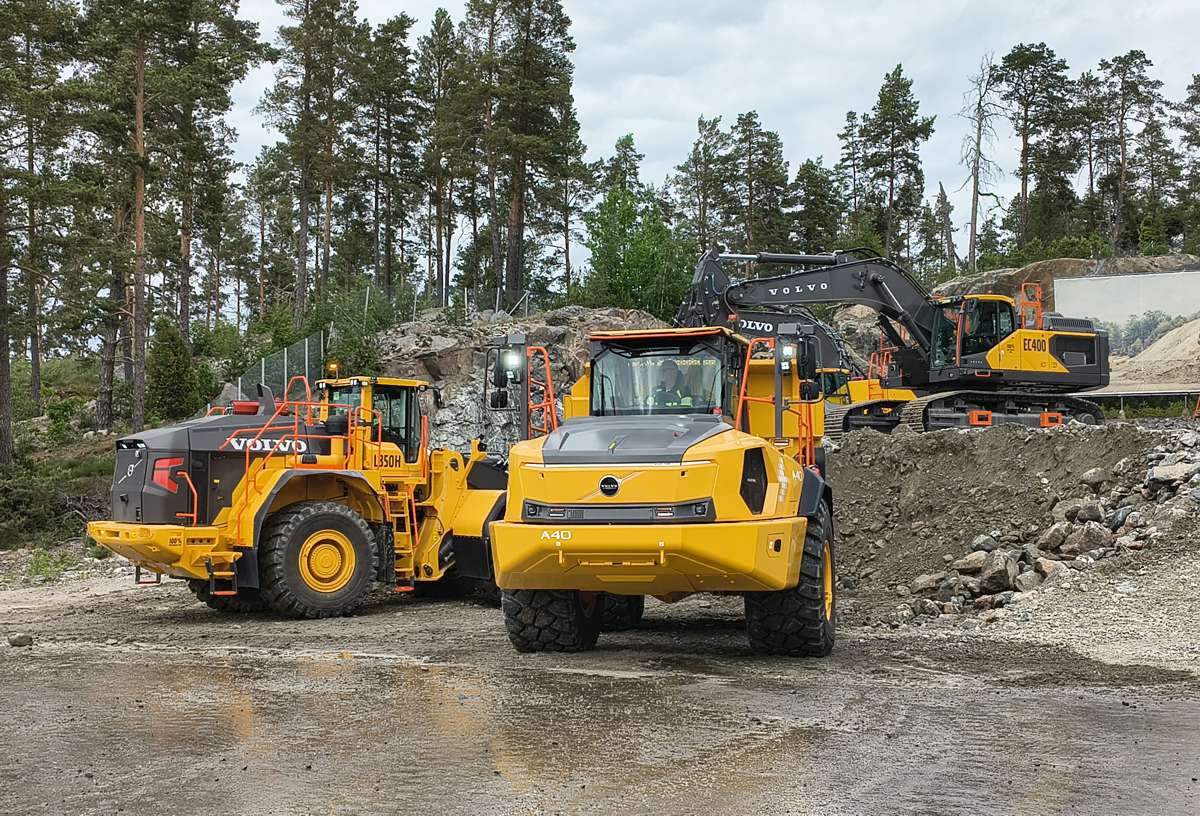
For all the strategy talk, Volvo Days lives or dies on the machines, and there were plenty. The company points to around 80 new and updated models introduced over recent years and a services portfolio half again as large as it was, with close to 16,000 new-generation machines already working worldwide.
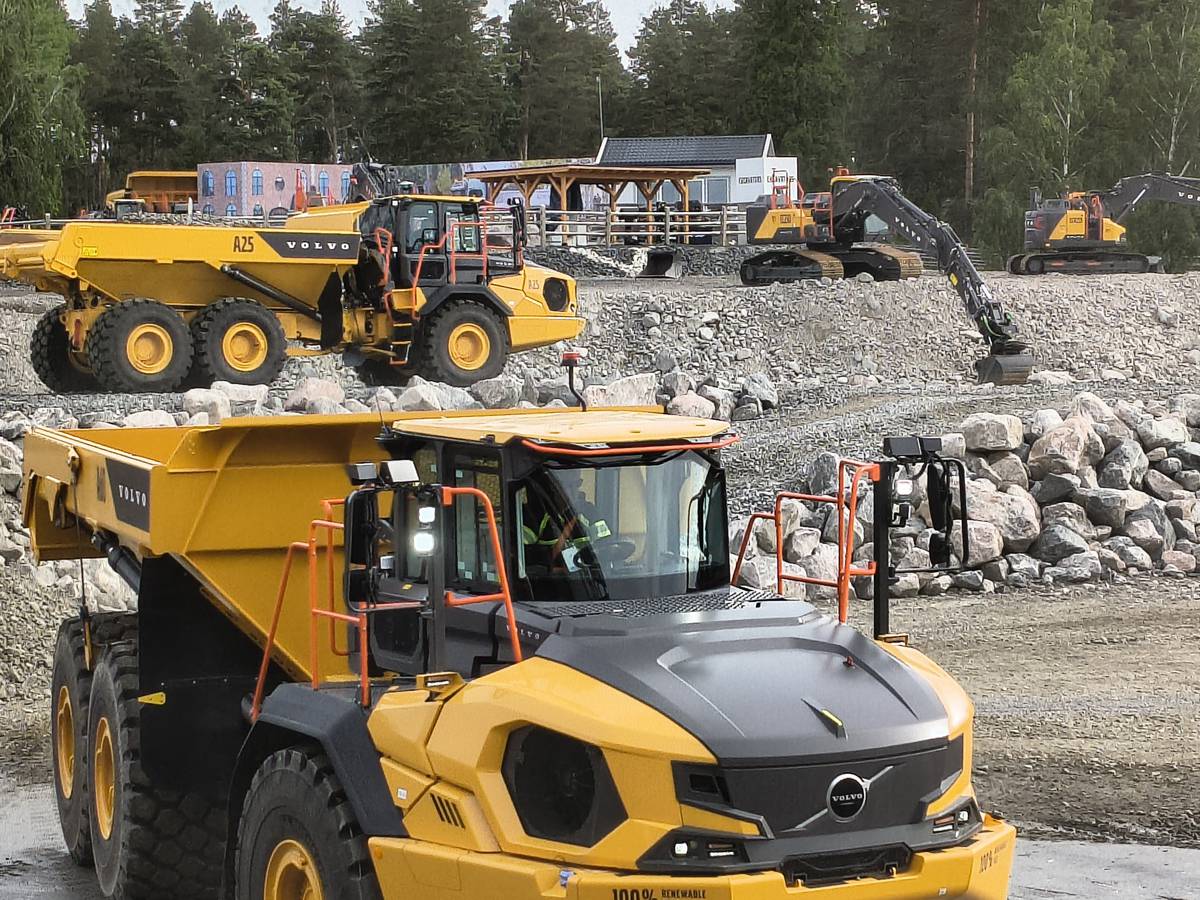
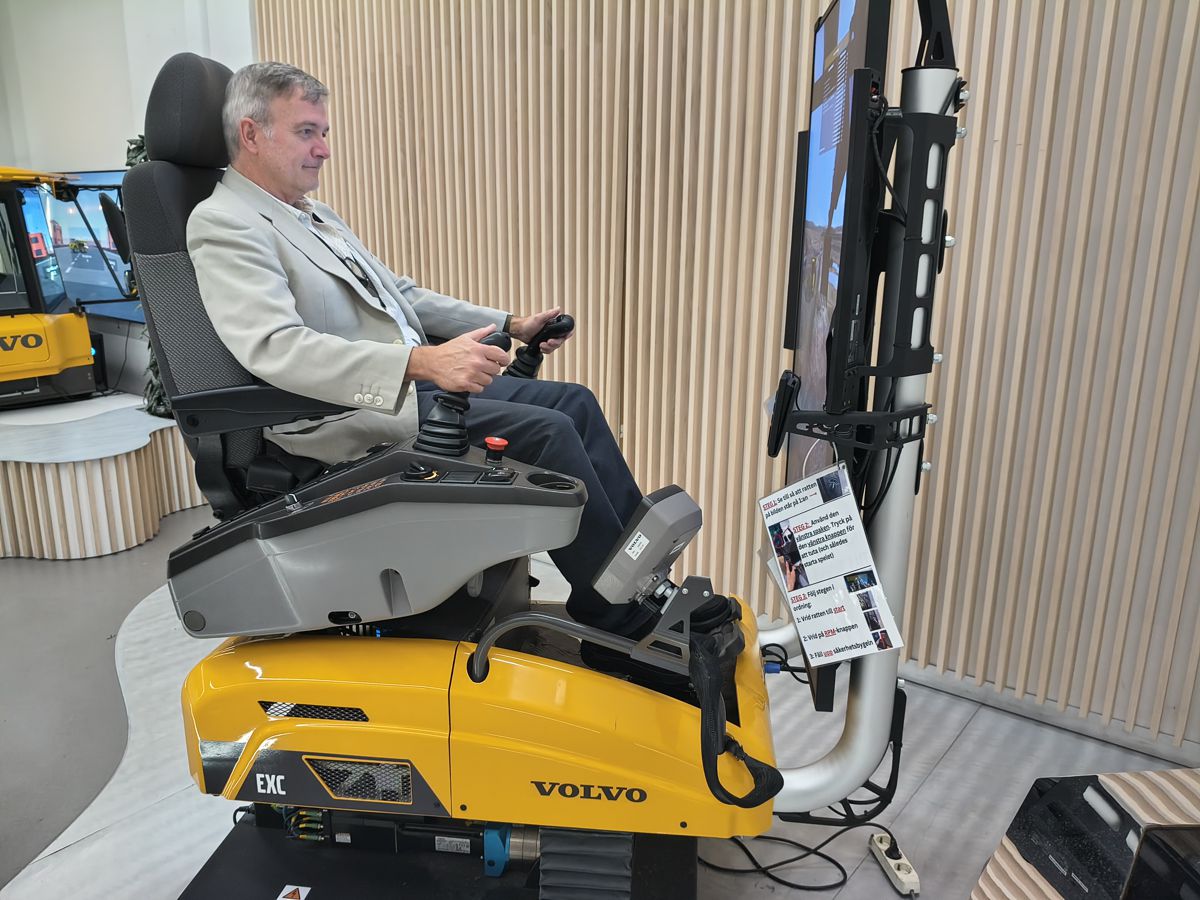
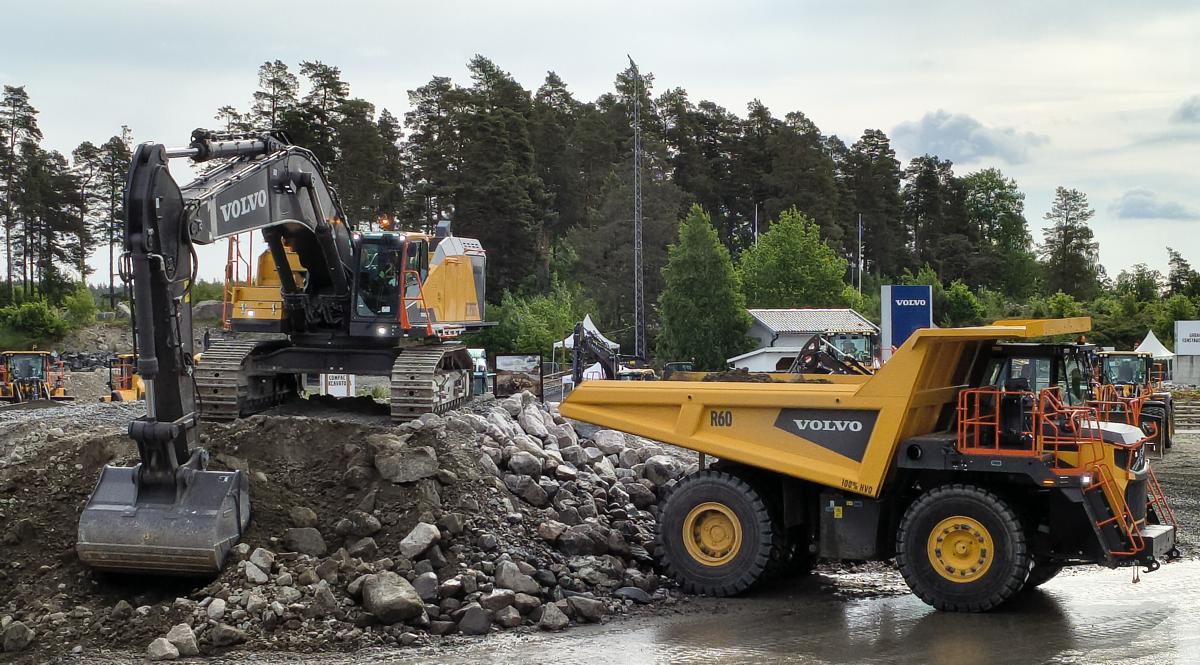
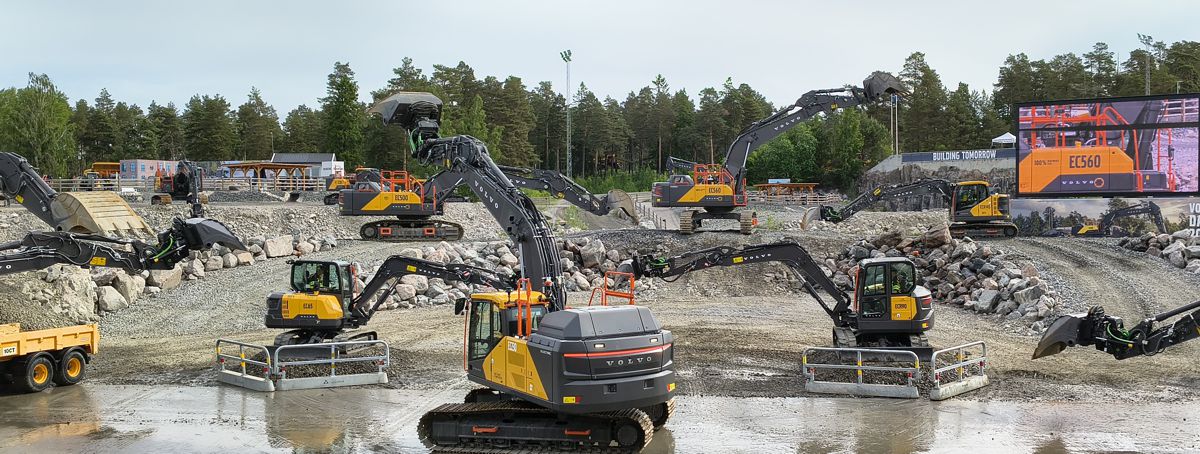
On the demo field, that translated into European debuts for the ECR255 and ECR355 short-swing crawler excavators, built for confined urban and utility sites, alongside the compact ECR90, EC65 and wheeled EW65, plus the larger EC560 crawler. I took a few of them through their paces myself, along with a 60 tonne articulated hauler and an electric rigid truck, and the breadth of the line-up was hard to miss.
Electrification ran through the whole showcase. The A40 Electric articulated hauler is now in serial production next to the A30 Electric, making Volvo the first to bring battery-electric haulers of this class to series manufacturing, while the EWR150 Electric wheeled excavator rounded out a growing zero-emission range.
There’s a neat bit of symmetry in that, given Volvo built the world’s first articulated hauler some 60 years ago, the so-called “Gravel Charlie” that effectively created the segment. The electric versions aren’t a science project either, since the haulers are already rolling off the line, which is the part that should interest operators weighing up how to decarbonise without parking productivity.
When The Jobsite Becomes A Dataset
The least flashy reveal may prove the most consequential. For the first time, Site Solutions, Volvo CE’s portfolio of connectivity and data services, was given its own slot on the agenda rather than being treated as an accessory to the hardware. The opening evening at the Munktells Innovation Centre, where the Site Solutions team walked the press through a fully connected, data-driven way of running a fleet and a jobsite, made clear how central that thinking has become to the company’s pitch.
The portfolio pulls together tools such as CareTrack telematics, Volvo Connect, machine data interfaces and site operations services, the connective tissue that turns a yard of separate machines into something closer to a managed system.
The commercial reasoning mirrors the Swecon move: a manufacturer that understands how its machines are actually used can sell uptime, optimise performance and lock in long-term service relationships. For infrastructure clients running to tight schedules and tighter margins, that data layer is becoming as much a part of the purchase as the bucket size.
Showing, Not Telling
Volvo has always known how to stage an event, and the machine show this year was the most polished I’ve seen, with loaders and excavators choreographed into a genuine display of handling. The setting helped, since dinner at the Munktell Museum is a reminder that this corner of Eskilstuna has been making machines since 1832, long before Volvo’s name went on the door.
Melker Jernberg, President of Volvo CE, used his press conference to set out where the company will concentrate, pointing to construction, mining and quarrying as its core segments and to resilience as the thread tying its bets together against a backdrop of geopolitical and environmental strain.
His framing was characteristically blunt. “Volvo Days is about showing, not telling,” Jernberg said. “In an increasingly complex world, we have made clear choices about where to focus and invest. What we are demonstrating here is how those decisions translate into real impact for our customers, as we move closer to their operations, respond faster, and strengthen resilience in an uncertain environment.”
On the evidence of a soon to be built factory, a bought-in dealer network and a demo field full of electric iron, that’s a fair description of what’s on offer. I left a day later than planned, lured to The Hague for another event, which at least routed me back through Amsterdam, where I finally tracked down the wayward suitcase before it disappeared for good.