Toyota Reinvents Compact Off Roading with the New Land Cruiser FJ
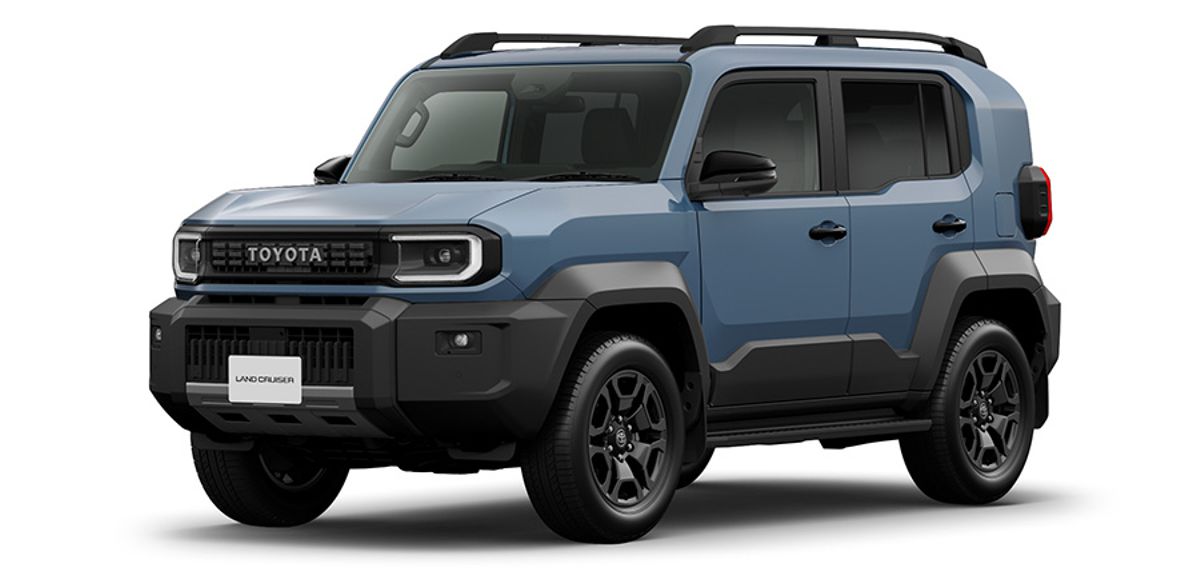
For decades, the Toyota Motor Corporation Land Cruiser has occupied a unique place in the global automotive and infrastructure landscape. It’s been the trusted vehicle of mining operators in Australia, aid agencies in Africa, construction firms in the Middle East and utility contractors working in some of the harshest environments on earth. Now, Toyota has introduced a new addition to the line-up with the launch of the all-new Land Cruiser FJ series in Japan, positioning it as a smaller, more accessible off-roader aimed at broadening the appeal of the legendary nameplate.
The arrival of the Land Cruiser FJ comes at an interesting moment for the global mobility sector. Demand for rugged, capable vehicles hasn’t disappeared in the age of electrification and digitalisation. Quite the opposite, in fact. Infrastructure growth in emerging economies, expansion of renewable energy projects into remote locations and the continued need for dependable transport in disaster response and industrial operations have kept the market for durable off-road vehicles remarkably resilient. Toyota’s latest move reflects that reality, while also acknowledging changing consumer expectations around size, usability and lifestyle versatility.
Briefing
- Toyota has officially launched the all-new Land Cruiser FJ series in Japan
- The compact off-roader joins the existing 300, 250 and 70 Series Land Cruiser range
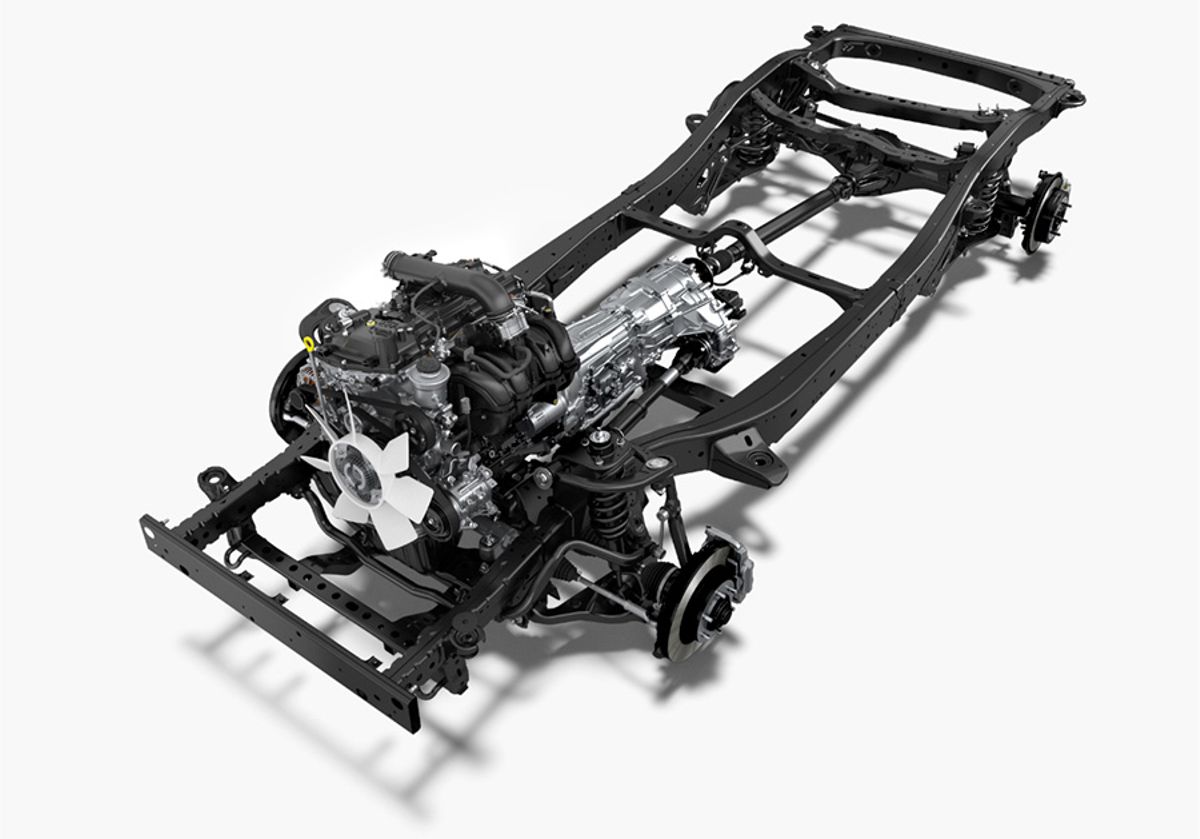
- The vehicle uses a body-on-frame ladder chassis designed for durability and off-road performance
- Toyota positions the FJ as a more accessible and manoeuvrable Land Cruiser for diverse lifestyles and commercial applications
- The launch highlights continued global demand for rugged utility vehicles despite wider industry electrification trends
Expanding the Land Cruiser Legacy
The Land Cruiser brand traces its origins back to 1951, when the original Toyota BJ became the first vehicle to successfully climb to the sixth station of Mount Fuji. Over the following seven decades, the platform evolved into one of the most recognisable utility vehicle families in the world, earning a reputation for reliability in environments where mechanical failure can have serious consequences. Toyota says cumulative Land Cruiser sales, including Lexus LX and GX variants, now total approximately 12.4 million units across more than 190 countries and regions.
That heritage matters because the Land Cruiser name carries considerable weight in sectors far beyond private motoring. Construction contractors, infrastructure developers, emergency services, military operators, geologists and remote-area utilities have long depended on the platform. In many regions, the Land Cruiser isn’t viewed as a lifestyle SUV at all. It’s regarded as essential equipment.
The new FJ series attempts to preserve that reputation while adapting it for modern demands. Toyota developed the vehicle around what it calls a “Freedom & Joy” concept, aiming to create a more compact and approachable Land Cruiser without sacrificing the core engineering principles that made the model successful in the first place.
Smaller Dimensions with Serious Capability
One of the most significant aspects of the Land Cruiser FJ is its size. While the 300 Series has become increasingly large and premium-focused, the FJ targets customers seeking manoeuvrability, ease of use and practicality in tighter urban environments or remote trails alike.
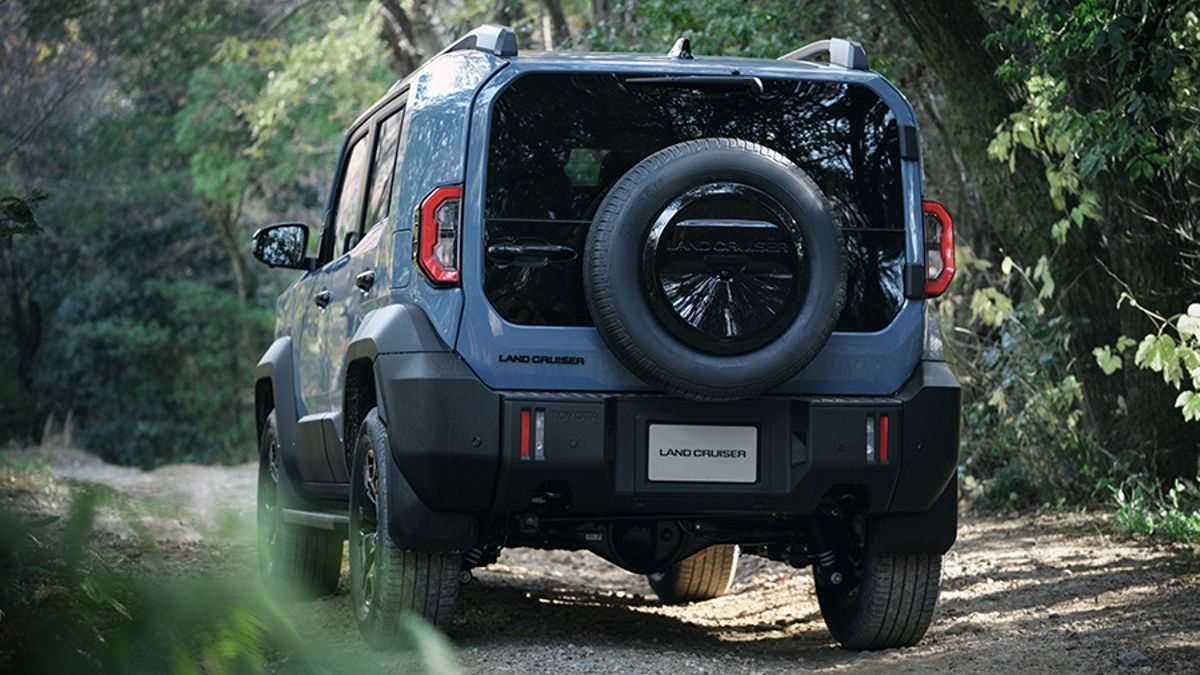
Toyota retained a traditional ladder-frame chassis construction, something increasingly rare in modern SUVs but still highly valued in demanding off-road and industrial applications. Body-on-frame engineering remains preferable in many heavy-duty operating environments because it offers superior durability, easier repairability and improved resistance to torsional stress during off-road driving.
The FJ also features a shortened wheelbase intended to improve mobility over uneven terrain. Toyota highlights wheel articulation and continuous tyre contact as central to the vehicle’s off-road credentials. These characteristics are especially important for operators navigating unstable surfaces, steep inclines and rough access routes commonly found on infrastructure projects, mining sites and rural developments.
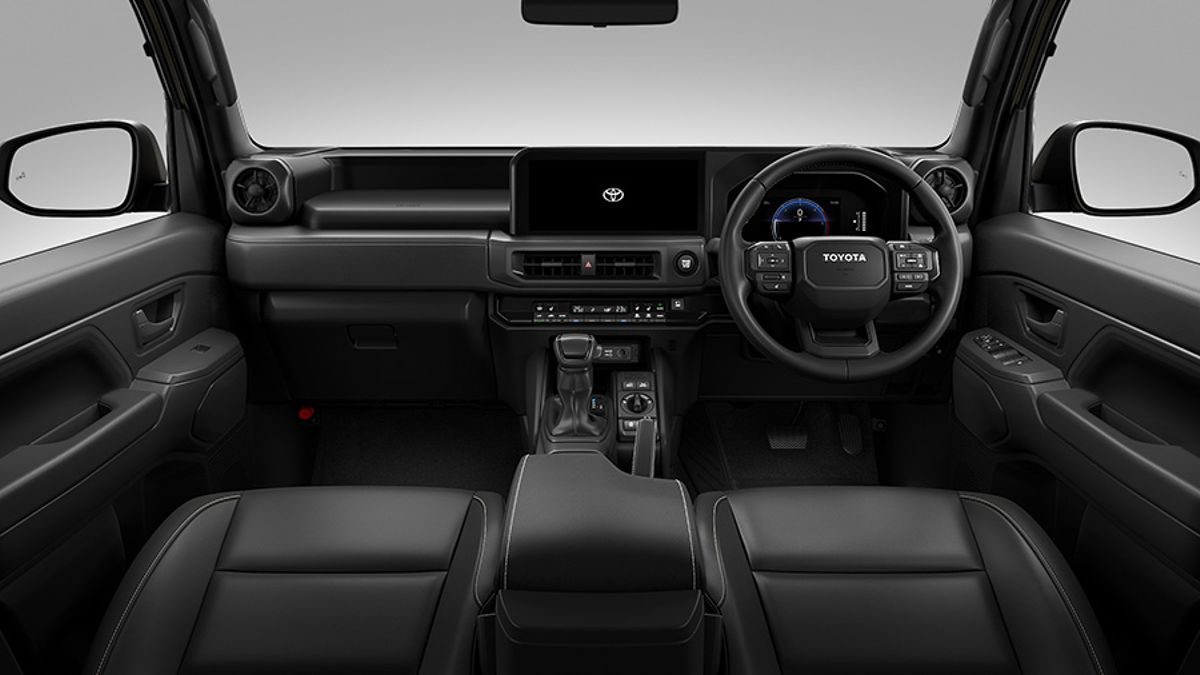
Importantly, Toyota hasn’t attempted to turn the FJ into a purely nostalgic exercise. While the exterior draws heavily from classic Land Cruiser styling themes, particularly the iconic FJ40 models of the 1960s and 1970s, the vehicle incorporates contemporary packaging and usability features aimed at modern users.
A Strategic Move for Emerging Markets
Toyota’s decision to introduce a smaller Land Cruiser is also commercially significant. Large SUVs have become increasingly expensive due to emissions regulations, safety systems and rising material costs. That has created a gap in the market for rugged, capable utility vehicles that remain attainable for commercial operators and private buyers alike.
Industry analysts have increasingly noted strong demand for compact body-on-frame SUVs in Asia, Africa, Latin America and parts of the Middle East. These are markets where infrastructure development continues at pace and where road conditions can still be unpredictable outside major urban centres.
The Land Cruiser FJ appears designed precisely for those regions. Reports surrounding the platform suggest production is linked to Toyota’s IMV architecture, shared with models such as the Hilux pickup and Fortuner SUV. That would allow Toyota to leverage existing manufacturing capacity and parts networks while maintaining lower production costs.
That strategy mirrors broader trends within the automotive sector. Manufacturers increasingly need globally adaptable vehicle platforms capable of serving both commercial and recreational users. Vehicles must function equally well as fleet workhorses, rural transport or lifestyle products. Toyota’s approach with the FJ reflects this balancing act rather neatly.
Construction and Infrastructure Applications
Although Toyota’s launch materials naturally focus on lifestyle positioning, the Land Cruiser FJ could prove highly relevant for construction, utilities and infrastructure sectors worldwide.
Smaller off-road vehicles are often preferable on congested urban projects, confined industrial sites and remote maintenance routes where larger SUVs become cumbersome. Contractors working on renewable energy installations, telecommunications upgrades, pipeline construction and road maintenance frequently require vehicles capable of accessing difficult terrain without excessive operating costs.
The FJ’s shorter wheelbase and compact footprint may also appeal to organisations operating in mountainous regions or dense urban environments where manoeuvrability is critical. At the same time, the retention of a durable ladder chassis suggests Toyota intends the vehicle to remain credible as a working tool rather than merely an adventure-focused crossover.
That distinction matters. The global construction industry continues to place considerable value on mechanical simplicity and long-term durability, especially in regions where servicing infrastructure remains limited. A vehicle that can withstand heavy use, tolerate poor fuel quality and operate reliably in extreme climates still commands strong demand.
The Land Cruiser’s reputation in those areas has been earned over decades rather than marketing campaigns.
Balancing Heritage and Modernisation
Toyota also faces a broader challenge familiar to many manufacturers with iconic legacy brands. Customers expect modern safety systems, connectivity and comfort, yet they often resist radical departures from proven formulas.
The original FJ Cruiser, launched in the mid-2000s, successfully tapped into retro styling trends while building a loyal global following. However, its quirky design and relatively niche positioning limited its broader commercial appeal. Production eventually ceased in several major markets, though the model retained strong popularity in Australia, the Middle East and parts of Africa.
The new Land Cruiser FJ appears more carefully judged. Toyota has toned down the overt retro styling while maintaining recognisable visual cues tied to classic Land Cruiser models. The result feels more aligned with the current global trend toward functional, durable design language.
That’s particularly relevant as buyers increasingly move away from overtly futuristic styling in favour of products that project authenticity and robustness. Across industrial sectors, equipment purchasing decisions continue to prioritise reliability, maintainability and practical usability over flashy innovation. Toyota seems acutely aware of that shift.
Off Roading in an Electrified Era
Perhaps the most intriguing aspect of Toyota’s announcement is what it says about the future direction of mobility itself. Despite rapid investment in electrification, software-defined vehicles and autonomous technologies, global demand for mechanically robust off-road platforms remains strong.
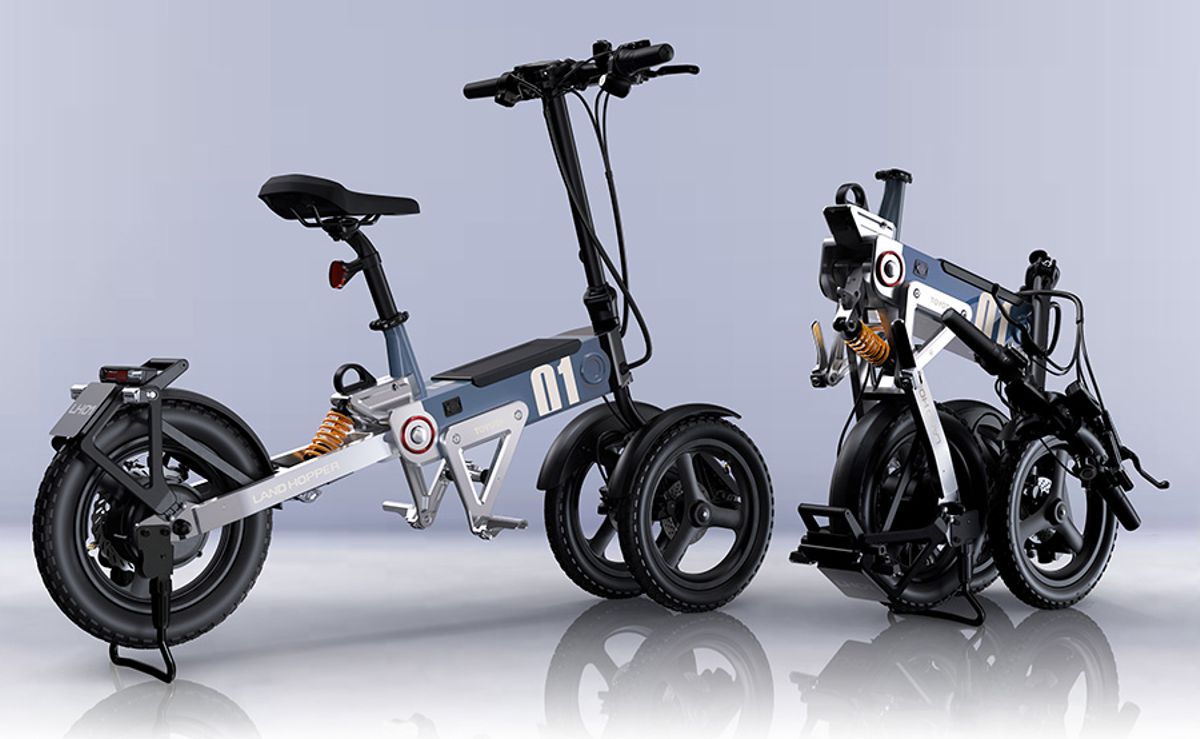
Toyota’s accompanying announcement regarding the future Land Hopper electric personal mobility vehicle hints at how the company sees outdoor and utility mobility evolving. The Land Hopper, planned for launch from 2027, is intended to extend off-road access beyond where conventional vehicles can travel.
Rather than abandoning rugged mobility in favour of urban-focused EVs, Toyota appears to be broadening its ecosystem around exploration, utility and outdoor access.
That reflects a wider reality across infrastructure and industrial sectors. Electrification is advancing rapidly in urban transport and fleet logistics, but many remote-area applications still require conventional drivetrains, long operating ranges and mechanical resilience. In construction, mining and emergency response environments, reliability continues to outweigh technological novelty.
For Toyota, maintaining a strong foothold in that space could prove strategically valuable over the coming decade.
Built for a Changing Global Landscape
The launch of the Land Cruiser FJ highlights how the automotive industry is evolving in multiple directions simultaneously. While premium electric SUVs dominate headlines in Europe and North America, demand remains strong for durable, affordable and adaptable off-road vehicles capable of supporting real-world work and mobility needs.
Toyota’s decision to reinforce the Land Cruiser family with a smaller and more versatile model reflects both commercial pragmatism and a clear understanding of global market diversity. Not every region wants oversized luxury SUVs. Not every customer prioritises electrification above all else. In many parts of the world, capability, repairability and dependability still come first.
The Land Cruiser FJ doesn’t attempt to reinvent the formula. Instead, it refines it for a new generation of users and operating conditions. In doing so, Toyota may have identified one of the automotive sector’s most enduring truths. Rugged utility never really goes out of fashion.