The Quarry is Turning Silent as VolvoCE Electrifies its Articulated Hauler Trucks
There’s a particular smell to a Swedish forest in early summer, all warm pine and damp earth, and at Volvo Days 2026 in Eskilstuna it came mixed with the low growl of heavy machinery working hard. That’s where I found myself behind the wheel of Volvo Construction Equipment’s A60H Hauler, threading it through the test and obstacle course carved into the woods behind the customer centre.
The A60H is the 60-tonne class articulated hauler that sits at the very top of the company’s range. The machine is huge, yet the cab felt roomy and surprisingly hushed, the articulated steering swung it round tight turns like something half its size, and the descent control held it composed on slopes steep enough to make your stomach lurch. Power was never the problem. For operators, contractors and fleet buyers who live with these trucks, that blend of brute force and refinement is exactly what they’re paying for.
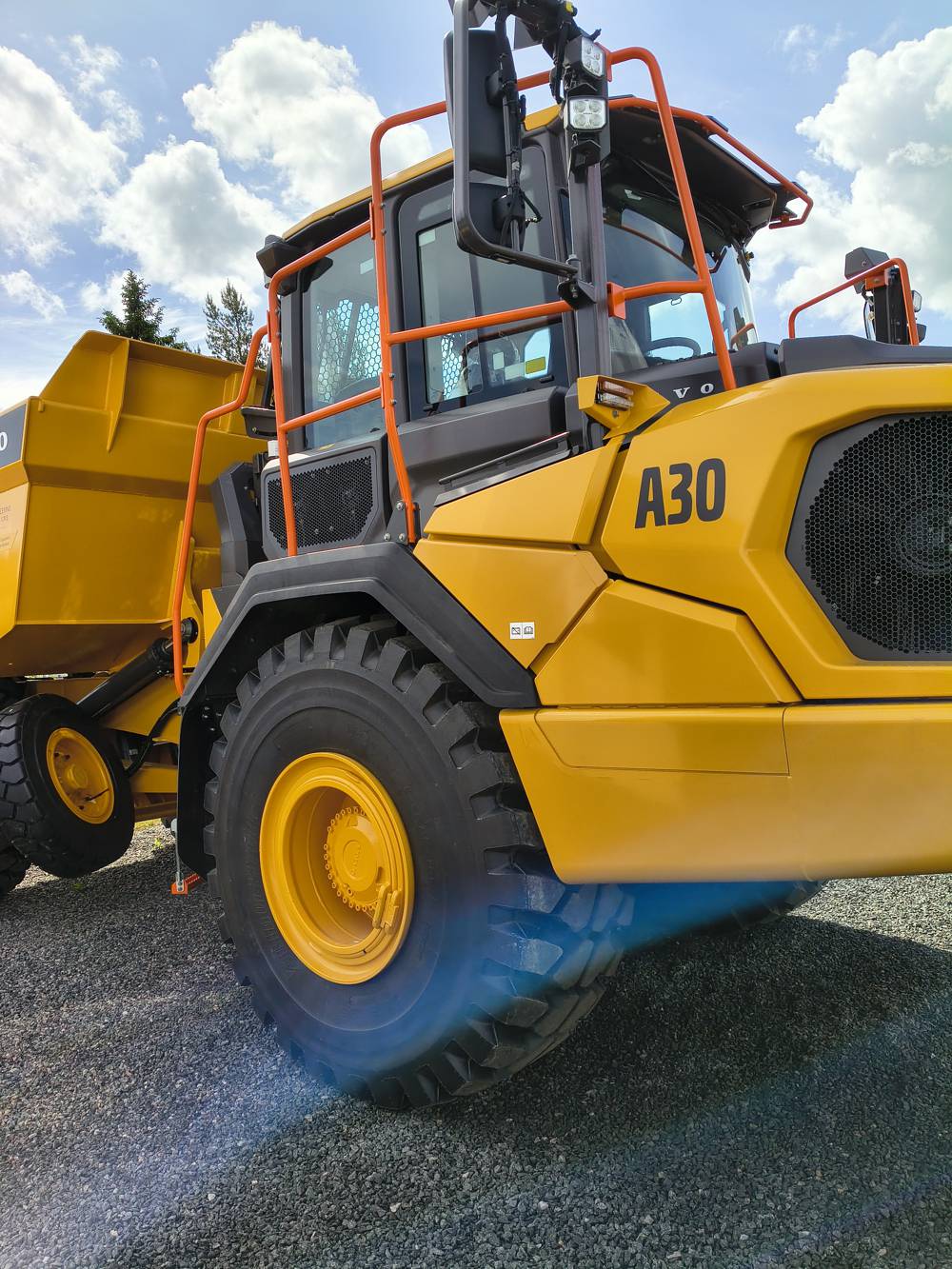
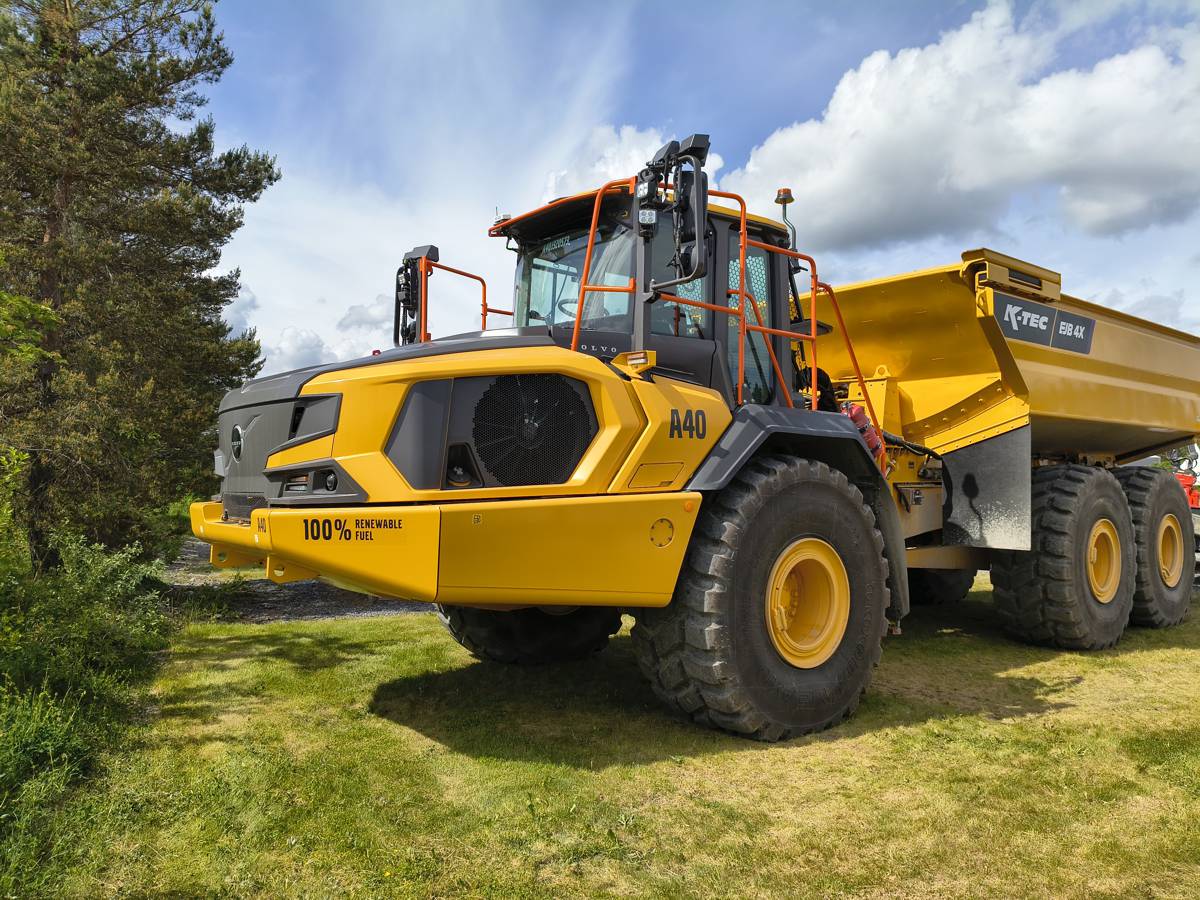
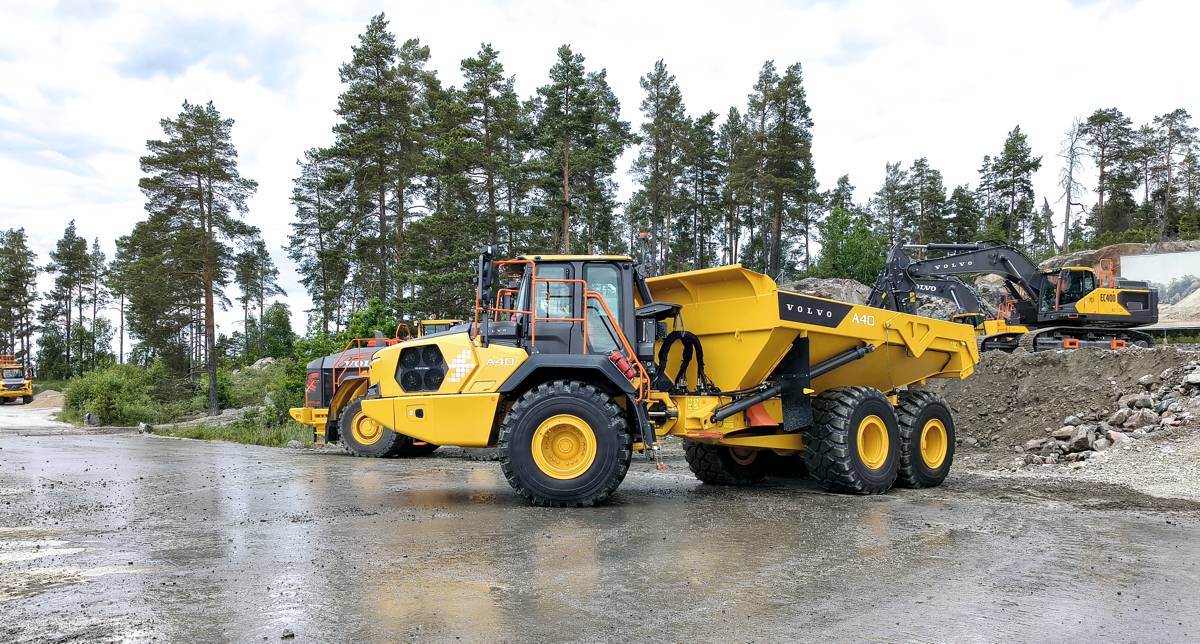
The A60H I drove still burns diesel, but a couple of hours south at the company’s plant in Braås, Volvo CE has just pulled off something none of its rivals have managed. It has begun serial production of the A30 Electric and A40 Electric, becoming the first manufacturer anywhere to build battery-electric articulated haulers of this size at scale. The theme of this year’s event was, as Volvo CE president Melker Jernberg put it, is about “showing, not telling.”
Briefing
- Volvo CE has started serial production of the A30 Electric and A40 Electric, the first battery-electric articulated haulers of this size built at scale anywhere in the world.
- The machines carry payloads of 29 and 39 tonnes and can run for up to six hours on a single charge, depending on the job.
- Production is based at Braås in Sweden, the same site that gave the world its first articulated hauler back in 1966.
- The first units head to customers in the UK and Norway within weeks, with further European deliveries scheduled for the second half of 2026.
- The milestone lands amid a wider Volvo CE push worth billions of kronor to expand its electric range and bring production closer to European customers.
A First The Sector Has Been Circling For Years
Plenty of manufacturers have shown electric prototypes, run pilots and made promises about decarbonising the heaviest end of the equipment market. Actually committing a large articulated hauler to a production line is another matter entirely, and it’s the step the industry has been circling for years without quite taking.
By moving the A30 Electric and A40 Electric out of the demonstration tent and onto the shop floor, Volvo CE has shifted the conversation from whether battery power can cope with serious hauling to how quickly the rest of the field will follow.
That matters well beyond Sweden. Articulated haulers are the workhorses of quarries, mines and big earthmoving sites, and they’re among the thirstiest machines on any job. Electrifying them has long been seen as one of the toughest nuts to crack, precisely because the duty cycles are so demanding. Cracking it at production scale tells contractors, investors and policymakers alike that zero-emission heavy equipment is no longer a lab curiosity but a purchasable reality.
Jernberg didn’t undersell the moment, saying: “Starting serial production of electric articulated haulers of this size is a proud moment for Volvo CE. It shows that our ambition to lead the transformation of our industry is backed by real execution. This milestone proves that electric solutions are ready to meet the demands of heavy, high-productivity applications, and that meaningful change is underway.”
Why The Numbers Stack Up
The commercial logic here is more interesting than the novelty. Because articulated haulers tend to run long hours at high utilisation, their fuel bills and emissions are substantial, which is exactly what makes them strong candidates for electrification. Swap diesel for batteries on a machine that’s working flat out all day and the savings, both in running costs and in carbon, start to add up in a way they simply don’t on lightly used equipment. Volvo CE is pitching the electric pair on total cost of ownership rather than green credentials alone, and for hard-nosed quarry operators that framing is the one that lands.
There’s an operational sweetener too. Electric drivelines cut noise and vibration, which matters on sites near housing, in tunnels, or anywhere operators spend whole shifts in the cab. Lower fatigue and quieter working conditions aren’t line items on a balance sheet, but they feed into productivity and retention in ways the industry increasingly takes seriously. Combine that with tightening emissions rules across European worksites and the case for electric haulers stops looking like a gamble and starts looking like a hedge.
What Buyers Actually Get
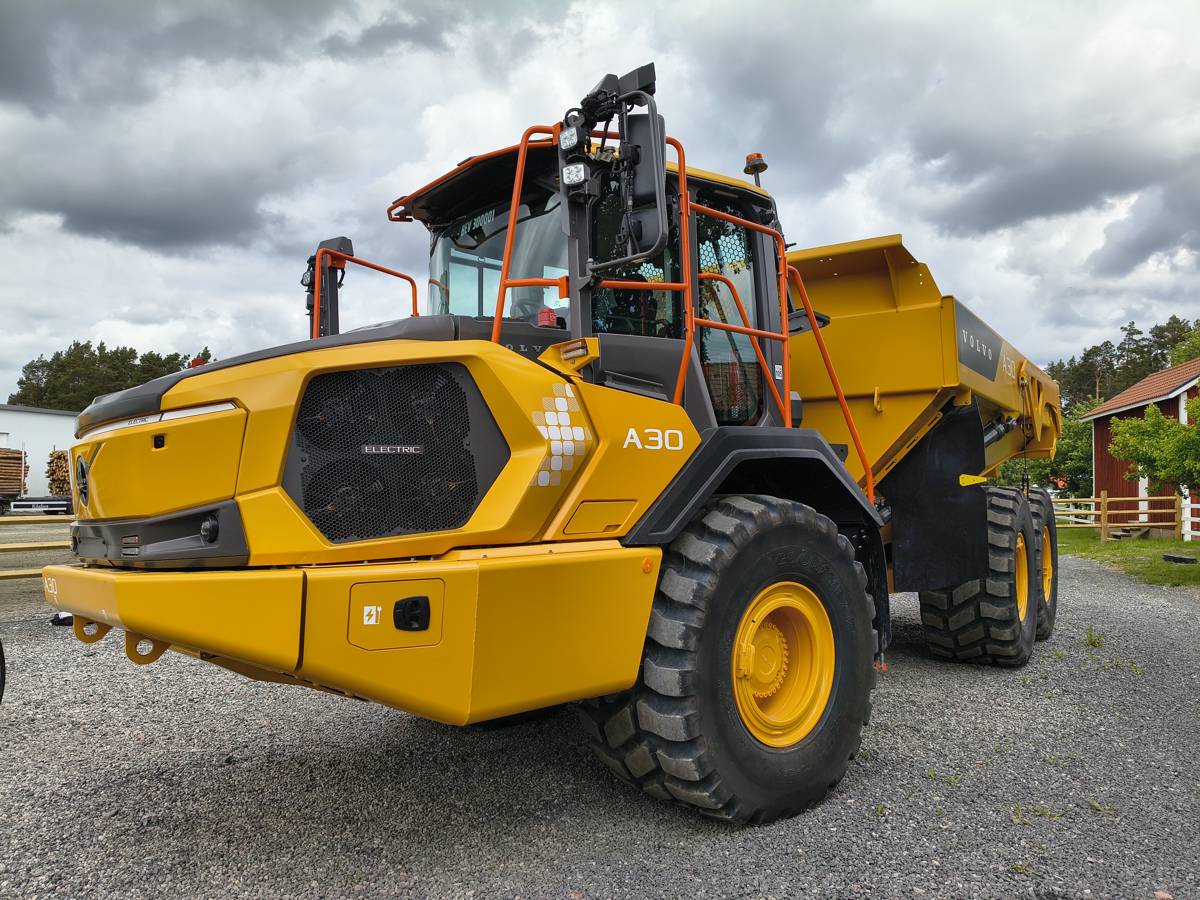
For all the strategic weight of the announcement, the machines themselves are refreshingly straightforward. The A30 Electric carries a 29-tonne payload and the A40 Electric a 39-tonne one, putting them among the largest in Volvo CE’s growing electric line-up. Both were first shown at Bauma 2025 in Munich, and the company says interest since then has outstripped its initial plans, with order books filling faster than the early production schedule allowed for.
On the question every site manager asks first, endurance, Volvo CE reckons the haulers can manage up to six hours of work on a single charge depending on the application. That won’t suit every operation, and it puts the spotlight squarely on charging infrastructure and shift planning, but for many quarry and earthmoving cycles it’s enough to make the maths work.
Fredrik Tjernström, who handles electromobility solutions sales at Volvo CE, captured the mood on the line, saying: “There is a real sense of pride in seeing this move from ambition to reality – not just because we are first, but because we are delivering exactly as promised. Customer interest since Bauma has been strong, with demand extending beyond the initial production schedule.”
Sixty Years On From Gravel Charlie
It’s no accident that all this is happening in Braås. The small Swedish town is where Volvo built the world’s very first articulated hauler in 1966, a machine officially designated the BM-Volvo 631 but known to everyone as Gravel Charlie. That truck effectively invented a category, and Volvo CE has dominated it ever since. Six decades later, the same site rolling out the first large electric haulers is the kind of full-circle story the company was never going to let pass quietly.
The symbolism is doing some work, but there’s substance under it. Keeping articulated hauler development concentrated in one place has let Volvo CE carry hard-won engineering knowledge straight into its electric programme rather than starting from a blank sheet. The A30 Electric and A40 Electric aren’t reinventions so much as electrified evolutions of a platform the company has spent more than fifty years refining, which is part of why it could get them to production first.
UK And Norway First In Line
The earliest machines off the line are bound for customers in the UK and Norway in the coming weeks, two markets that make obvious sense as launch pads. Norway’s appetite for electrification and clean-energy infrastructure is well established, while the UK’s quarrying sector and its emissions targets give early adopters a clear reason to take the plunge. Further deliveries to selected European customers are pencilled in for the second half of 2026 as output ramps up.
That phased approach tells you something about how Volvo CE is managing the launch. Rather than flooding the market, it’s seeding the haulers with customers who have the charging setup and the operational profile to show them off properly. Get those first deployments right and the reference cases write themselves, which in a conservative buying market is worth more than any brochure.
Part Of A Much Bigger Bet
The hauler milestone doesn’t sit on its own. At Volvo Days the company laid out the scale of its European commitment, including a 9.2 billion kronor investment that takes in a new 702 million kronor excavator assembly plant in Eskilstuna, due to start production in 2028 and Volvo CE’s first excavator factory in Sweden.
Add the acquisition of dealer Swecon, which hands the company direct access to a large slice of its European retail network, and a picture emerges of a manufacturer trying to shorten lead times, weather supply shocks and get physically closer to the people buying its kit.
Read alongside that, the electric haulers look like proof of concept for a strategy as much as a product launch. Volvo CE is betting that owning more of the chain, from factory to forecourt, lets it move faster on exactly the kind of industry-first technology Braås has just delivered. Whether rivals can close the gap, and how fast the charging ecosystem catches up to the machines, will shape how quickly electric haulers go from headline to habit.
From First Mover To Familiar Sight
Standing in that forest watching diesel and electric machines work side by side, the transition felt less like a leap and more like a handover already underway. The A30 Electric and A40 Electric won’t replace the diesel fleet overnight, and nobody at Volvo CE is pretending they will. What they do is establish that the heaviest, hardest-working corner of the equipment world can be electrified in earnest, not just in theory.
For contractors weighing their next fleet purchase, for investors tracking where the heavy-equipment market is heading, and for policymakers writing the emissions rules these machines will have to meet, that’s the point worth holding onto. The first large electric haulers are real, they’re being built, and within weeks they’ll be moving rock on actual worksites. The rest of the industry now has to decide how long it can afford to watch.