Volvo EC210 Advances Scrap Handling Efficiency in Malaysia
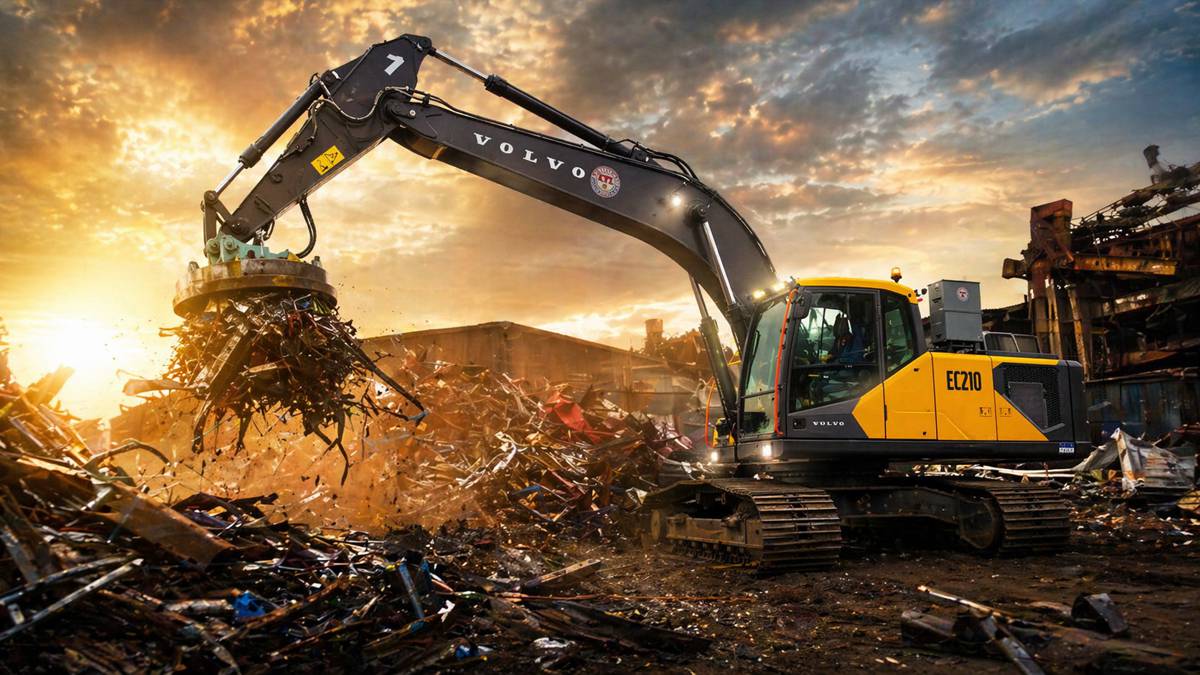
The arrival of the New Generation EC210 excavator from Volvo Construction Equipment at Vijayalakshmi Metal Sdn. Bhd. signals more than a routine fleet upgrade. It represents a shift in how mid-sized excavators are being deployed across increasingly specialised industrial applications, particularly in the fast-evolving scrap metal sector in Malaysia.
Configured with a dedicated magnet attachment, this 21.6-tonne machine has been introduced as the first of its kind in the Malaysian market within this specific setup. That distinction matters. Scrap processing environments demand a unique blend of precision, durability and throughput, and not every excavator platform adapts seamlessly to such conditions. By integrating a magnet system into a standard production machine, Volvo CE is effectively extending the operational boundaries of its excavator range.
At Vijayalakshmi Metal, the EC210 has been tasked with handling the daily realities of scrap yard operations. From lifting and sorting to loading and relocating ferrous materials, the machine now sits at the centre of workflows where efficiency gains are measured not in theory, but in tonnes processed per hour. Early indications suggest that the integration has already streamlined yard operations, reducing handling cycles and improving material flow.
Briefing
- First EC210 in Malaysia configured with a scrap magnet attachment enters service
- 21.6-tonne excavator enhances stability and handling efficiency in scrap operations
- Improved hydraulic performance supports faster and more precise material movement
- Operator comfort and visibility contribute to sustained productivity over long shifts
- Strong after-sales support underpins uptime in a demanding industrial environment
Engineering for Demanding Industrial Environments
Scrap yards are notoriously unforgiving. Irregular loads, sharp materials and constant heavy-duty cycles place significant strain on machinery. In this context, the EC210’s design characteristics become particularly relevant.
Its operating weight plays a crucial role in maintaining stability when paired with a large magnet attachment, which in this case can reach up to 1.2 metres. That added reach and lifting capability allow operators to handle larger volumes of scrap in fewer movements, directly improving productivity. Stability, however, is not just about weight. It also depends on how effectively the machine distributes forces during lifting and rotation, especially when dealing with uneven loads typical of scrap materials.
Hydraulic performance is equally critical. Modern excavators are increasingly judged on how smoothly and responsively their hydraulic systems operate under load. In scrap handling, where precision is required to pick and place materials safely and efficiently, inconsistent hydraulic response can slow operations and increase wear on components. The EC210’s system has been designed to deliver steady, controlled power, enabling operators to maintain rhythm and accuracy throughout the working day.
Across the wider industry, this reflects a broader trend. Excavators are no longer confined to traditional earthmoving roles. Instead, they are being adapted for niche applications such as recycling, demolition and material recovery, where versatility and attachment compatibility are key differentiators.
Productivity Gains Through Smarter Material Handling
Efficiency in a scrap yard is rarely about a single factor. It is the cumulative result of machine capability, operator skill and workflow optimisation. The introduction of a magnet-equipped excavator addresses all three.
By enabling faster lifting and sorting of ferrous materials, the EC210 reduces the need for manual intervention or additional handling equipment. This not only accelerates operations but also contributes to safer working conditions by minimising direct contact with hazardous materials. The smoother workflow translates into fewer bottlenecks, particularly during peak processing periods.
Globally, the scrap recycling industry has been undergoing steady expansion, driven by increasing demand for recycled metals in construction and manufacturing. According to industry analyses from organisations such as the Bureau of International Recycling, steel recycling alone accounts for hundreds of millions of tonnes annually, making efficient handling systems essential for maintaining supply chains.
Within this context, machinery that can improve throughput without significantly increasing operational costs becomes highly valuable. The EC210’s role at Vijayalakshmi Metal reflects this shift, where incremental improvements in handling efficiency can have a measurable impact on overall productivity.
Operator-Centric Design Supporting Long Shifts
While performance metrics often dominate discussions around heavy equipment, operator experience remains a critical, if sometimes overlooked, factor. In high-intensity environments such as scrap yards, operators spend long hours in the cab, and even minor ergonomic improvements can translate into significant productivity gains.
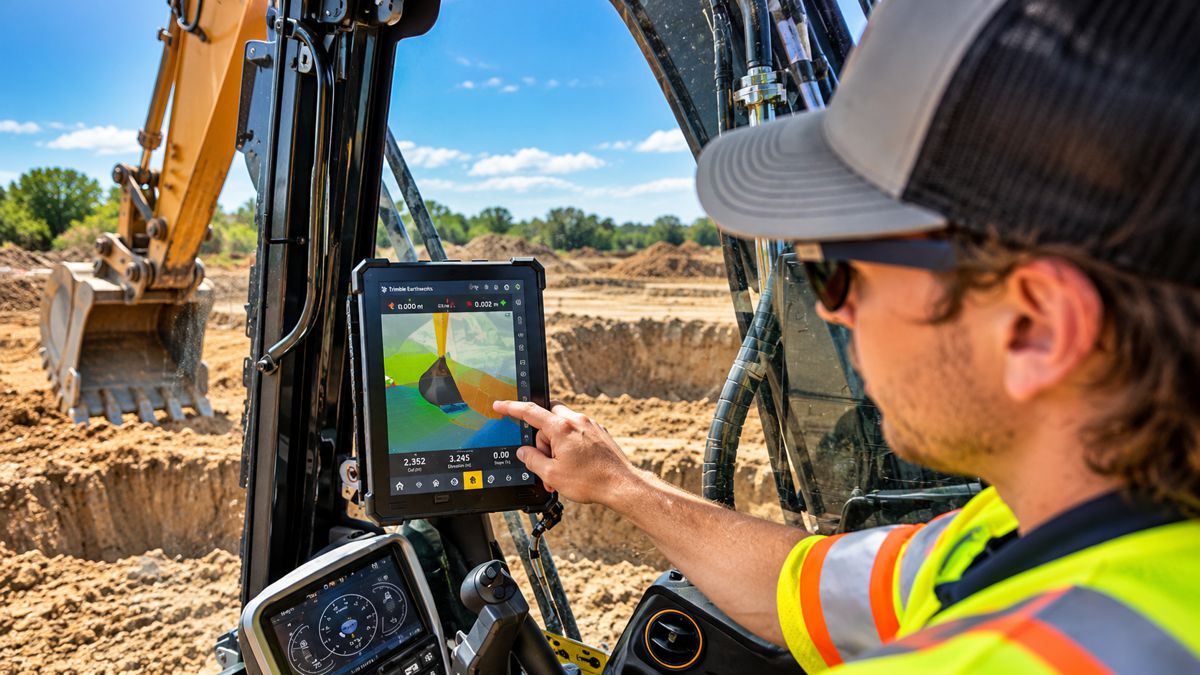
The EC210’s cab design focuses on visibility, control layout and comfort. Clear sightlines are particularly important when working with a magnet attachment, where precise positioning is essential to avoid collisions and maximise lifting efficiency. Intuitive controls help reduce the learning curve, allowing operators to adapt quickly and maintain consistent performance.
Smooth hydraulic response also contributes to reducing fatigue. Jerky or unpredictable movements can strain operators over time, whereas controlled, predictable behaviour allows for more relaxed and confident handling. Over extended shifts, this can make a noticeable difference in both output and safety.
For companies like Vijayalakshmi Metal, these factors combine to support a more sustainable working environment. Reduced fatigue can lead to fewer errors, lower maintenance issues and improved overall efficiency, reinforcing the value of investing in modern equipment.
Real-World Feedback from the Field
The decision to deploy the EC210 was based on a combination of performance requirements and operational considerations. As Dato’ Dr. P. Kathiresan, Owner and Managing Director of Vijayalakshmi Metal Sdn. Bhd., explained: “We chose the New Generation EC210 because it offers the right balance of performance, fuel efficiency, and stability for our operations. The machine handles our magnet attachment very well, and it has improved our overall efficiency in the yard. We are also pleased with the comfort for our operators and the support we receive from Volvo Construction Equipment.”
From the manufacturer’s perspective, the machine’s adaptability is a key selling point. Isaac Leow, Head of Sales at Volvo CE Malaysia, noted: “The New Generation EC210 delivers the performance, stability, and efficiency that customers need in demanding applications such as scrap handling. With its strong hydraulics, operator-focused design, and proven reliability, it enables businesses like Vijayalakshmi Metal to optimise productivity while maintaining smooth and efficient day-to-day operations.”
These perspectives highlight a convergence of priorities. Customers are looking for reliability and efficiency, while manufacturers are focusing on versatility and application-specific performance. The EC210’s deployment illustrates how these objectives can align in practice.
Uptime, Support and Long-Term Value
In industrial operations, uptime is often the defining metric of success. Even the most advanced machine delivers little value if it cannot maintain consistent performance under demanding conditions. Early reports from Vijayalakshmi Metal suggest that the EC210 has demonstrated reliable operation since entering service, supporting continuous workflows without significant interruptions.
After-sales support plays a crucial role in this equation. Access to parts, technical expertise and responsive service can significantly reduce downtime and extend the operational life of equipment. Volvo CE’s support network in Malaysia provides a layer of assurance that complements the machine’s technical capabilities.
This combination of reliability and support aligns with broader industry expectations. As construction and recycling operations become more complex, equipment buyers are placing greater emphasis on lifecycle value rather than upfront cost alone. Machines that can deliver consistent performance over time, supported by robust service infrastructure, are increasingly seen as strategic investments.
Supporting Fleet Modernisation and Industry Evolution
The introduction of the EC210 at Vijayalakshmi Metal also reflects a wider trend towards fleet modernisation across Southeast Asia. As regulatory requirements tighten and operational demands increase, companies are investing in newer, more efficient equipment to remain competitive.
In the scrap metal sector, this trend is particularly pronounced. The need to process materials quickly and safely, while maintaining environmental standards, is driving the adoption of advanced machinery and specialised attachments. Excavators equipped with magnets, grapples and other tools are becoming standard features in modern yards.
Looking ahead, the success of the EC210 in this application may encourage further adoption of similar configurations. As demand for recycled materials continues to grow, efficient handling solutions will become even more critical. Machines that can adapt to these requirements will play an increasingly important role in supporting both industrial productivity and sustainability goals.
A Practical Step Forward for Scrap Handling Operations
The deployment of the New Generation EC210 at Vijayalakshmi Metal is a practical example of how incremental innovation can deliver tangible benefits in demanding environments. By combining stability, hydraulic performance and operator-focused design with a specialised attachment, the machine has demonstrated its ability to enhance efficiency without introducing unnecessary complexity.
For the broader construction and infrastructure ecosystem, the implications are clear. Versatile equipment platforms that can be adapted for niche applications are becoming essential tools in modern operations. As industries continue to evolve, the ability to extract more value from existing machine categories will remain a key driver of progress.