ITS European Congress Sets the Stage for Real World Mobility Transformation
The 17th ITS European Congress in Istanbul is shaping up as more than a routine industry gathering. Scheduled for 27 to 29 April 2026, the event signals a decisive shift in how intelligent transport systems are being deployed across Europe and beyond. Rather than focusing on concepts or pilot projects, the programme leans firmly into implementation, examining how digital innovation is already being embedded into operational transport networks at scale.
The Congress brings together public authorities, technology providers, researchers and infrastructure operators to explore how mobility systems are evolving in practice. With more than 100 sessions, over 400 speakers and a balanced mix of public and private sector participation, the scale alone reflects the growing urgency to deliver integrated, resilient and low-emission transport solutions.
At its core, the event reflects a broader transition underway across the global transport sector. Intelligent systems are no longer experimental add-ons. They are becoming foundational to how cities manage congestion, improve safety, and decarbonise both passenger and freight movement. The Istanbul Congress offers a timely snapshot of that transition in motion.
Briefing
- The Congress focuses on large-scale deployment of intelligent transport systems rather than pilot projects
- Four strategic pillars guide discussions, including safety, multimodal mobility, logistics and cross-mode integration
- More than 100 sessions explore real-world applications, governance frameworks and operational challenges
- Istanbul provides a live case study of complex, high-volume multimodal mobility systems
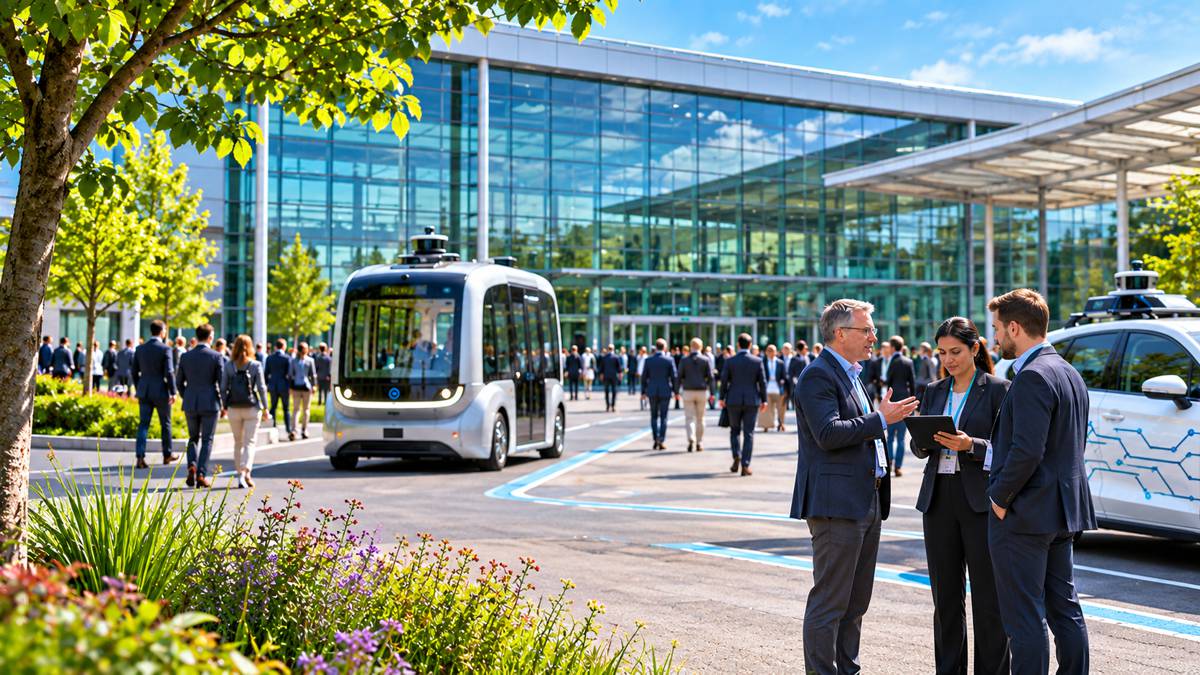
- Demonstrations, technical visits and live deployments showcase practical implementations in action
From Innovation to Implementation
One of the defining characteristics of this year’s programme is its emphasis on execution. The conversation has moved beyond whether technologies such as AI, automation or connectivity can work. The focus now is on how they are being integrated into everyday transport operations.
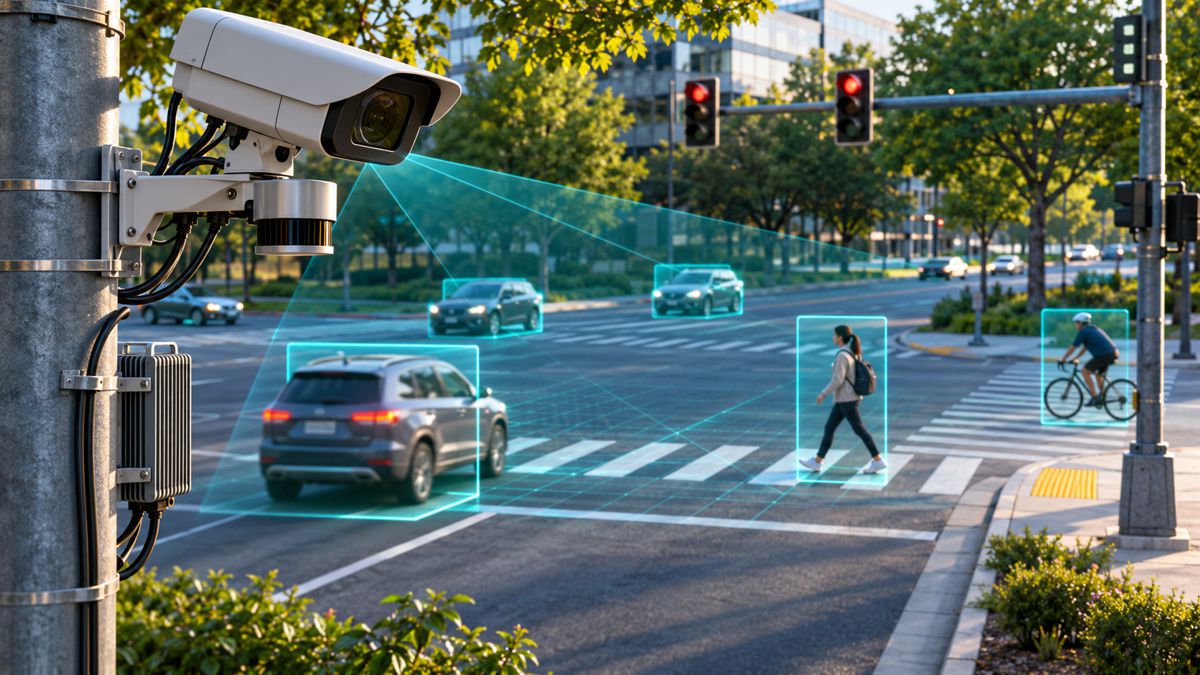
Across the technical sessions, discussions will explore how intelligent systems are improving traffic management, enhancing safety outcomes and supporting more efficient network operations. The role of predictive analytics, real-time data platforms and connected infrastructure is no longer theoretical. These tools are being used to manage traffic flows, detect incidents earlier and optimise infrastructure performance.
This shift matters because transport systems are under increasing pressure. Urbanisation continues to accelerate, freight demand is rising, and decarbonisation targets are tightening. Without scalable digital solutions, existing infrastructure simply cannot keep pace. The Congress reflects a sector that is actively responding to these pressures with practical, deployable solutions.
Four Pillars Defining the Future of Mobility
The programme is structured around four strategic themes that collectively map the direction of modern transport systems. These pillars are not abstract categories. They represent interconnected challenges that must be addressed simultaneously if mobility systems are to function effectively.
Safety and resilience remain central. As transport networks become more connected, they also become more complex and potentially more vulnerable. Sessions will examine how intelligent systems can enhance resilience through predictive risk modelling, real-time monitoring and coordinated response mechanisms. Cybersecurity and data protection are also firmly on the agenda, reflecting the growing importance of safeguarding digital infrastructure.
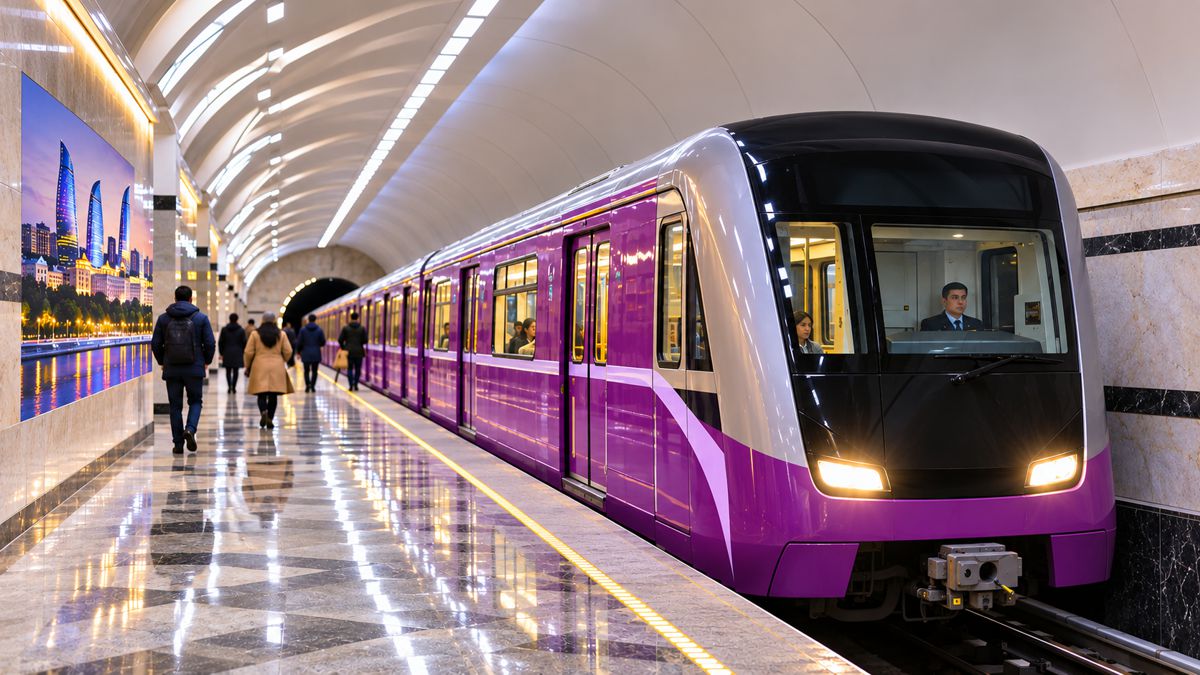
Multimodal mobility system management highlights the need for integration across transport modes. Passengers increasingly expect seamless journeys that combine road, rail, air and maritime transport. Achieving this requires not just technology, but also coordinated governance, data sharing frameworks and operational alignment between stakeholders.
Smart and sustainable logistics addresses the transformation of freight systems. With supply chains under strain and emissions under scrutiny, the sector is turning to electrification, automation and digital optimisation. The Congress will examine how these changes are being implemented across long-haul corridors, urban delivery networks and port operations.
Finally, the focus on transport beyond the road broadens the conversation. Mobility is no longer confined to highways. Integrated systems now span waterways, air mobility platforms and emerging modes, all supported by advanced connectivity and cloud-based infrastructure.
Data as the Backbone of Modern Mobility
Running through all four pillars is the central role of data. High-quality, real-time data is becoming the backbone of modern transport systems, enabling everything from traffic management to logistics optimisation.
Sessions at the Congress will explore how data is being collected, curated and shared across networks. Probe vehicle data, digital traffic regulation orders and mobility data spaces are all part of this evolving ecosystem. The challenge is not just technical. It is also organisational and regulatory.
Data interoperability remains a critical hurdle. Different systems, jurisdictions and operators must be able to communicate effectively if integrated mobility is to function. The Congress programme reflects growing recognition that technical solutions must be supported by governance frameworks that enable collaboration without compromising privacy or security.
At the same time, the rise of Mobility-as-a-Service platforms is reshaping how users interact with transport systems. By integrating multiple modes into a single interface, these platforms offer a more user-centric approach to mobility. However, they also depend heavily on reliable data flows and coordinated network management.
Decarbonising Transport Through Technology
The transport sector is under increasing pressure to reduce emissions, and the Congress programme reflects this urgency. Decarbonisation is not treated as a standalone issue. It is integrated across discussions on infrastructure, logistics and system management.
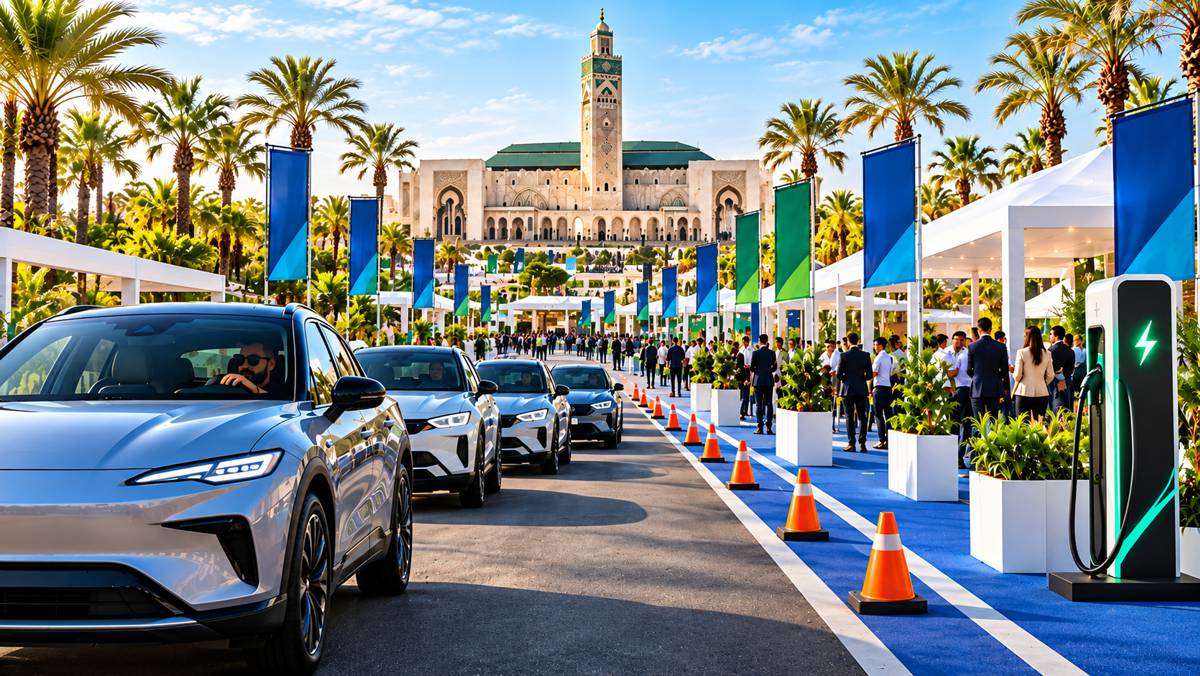
In freight, the transition to zero-emission vehicles is gathering pace. Battery-electric and hydrogen-powered trucks are moving from pilot phases into early deployment, supported by expanding charging and refuelling infrastructure. Sessions will examine how these technologies can be scaled, particularly for long-haul operations where energy demands are highest.
Urban logistics is also undergoing transformation. Micro-hubs, automated delivery systems and smart routing technologies are being used to reduce congestion and emissions in city centres. Ports and logistics hubs are adopting digital platforms to optimise operations and improve efficiency across supply chains.
These developments are not without challenges. Infrastructure investment, regulatory alignment and workforce adaptation all play a role in determining how quickly the sector can transition. The Congress provides a platform to examine these issues in detail, drawing on real-world case studies and operational experience.
Istanbul as a Living Laboratory
Hosting the Congress in Istanbul adds a layer of practical relevance. With a population approaching 20 million and more than 34 million daily trips, the city represents one of the most complex mobility environments in Europe.
The city’s transport system spans continents, integrates multiple modes and operates at a scale that few urban areas can match. This makes it an ideal setting to explore how intelligent transport systems function in real-world conditions.
Technical visits organised during the Congress will provide direct insight into these operations. Participants will have the opportunity to explore traffic management centres, motorway control systems and logistics hubs, observing how digital infrastructure supports large-scale mobility networks.
These visits are not simply demonstrations. They offer a glimpse into how theory translates into practice, highlighting both the potential and the limitations of current technologies.
Collaboration Driving Progress
Another notable feature of the programme is the emphasis on collaboration. The introduction of co-created sessions reflects a shift towards more participatory formats, bringing together stakeholders from different sectors to develop practical solutions.
This approach recognises that mobility challenges cannot be solved in isolation. Public authorities, technology providers, infrastructure operators and researchers must work together to align objectives, share data and coordinate implementation.
The Congress also includes high-level discussions involving policymakers and industry leaders, addressing the governance frameworks needed to support large-scale deployment. Issues such as standardisation, funding mechanisms and regulatory alignment are critical to ensuring that innovations can be implemented effectively.
Building Momentum for the Next Phase
The ITS European Congress arrives at a point where the transport sector is transitioning from experimentation to execution. The technologies that have been developed over the past decade are now being deployed at scale, reshaping how mobility systems are designed and operated.
What emerges from the programme is a clear sense that progress is no longer driven by individual innovations, but by the integration of multiple systems into coherent, data-driven networks. The challenge lies in ensuring that these systems are resilient, inclusive and sustainable.
As discussions unfold in Istanbul, the focus will remain firmly on what works in practice. The insights generated will not only influence European mobility strategies but also contribute to a broader global conversation about the future of transport.