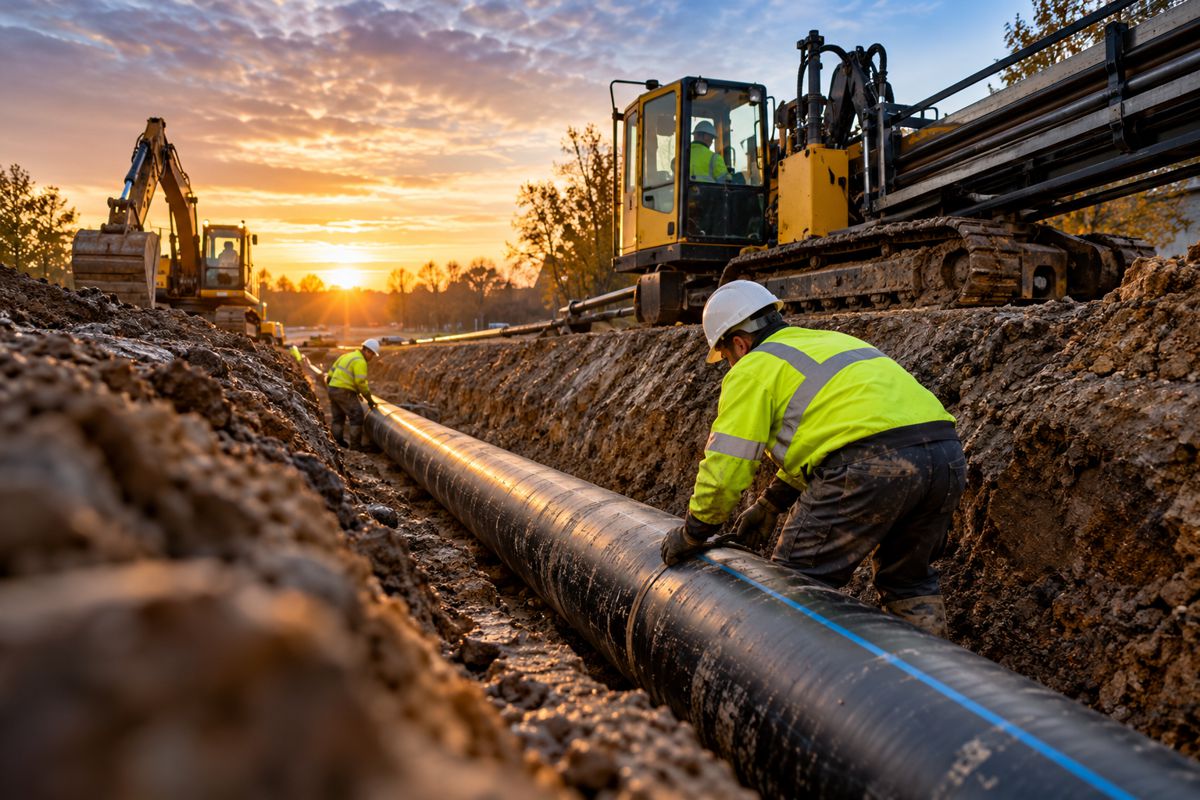
Digital Construction Week 2026 Sets the Agenda for a Smarter Built Environment
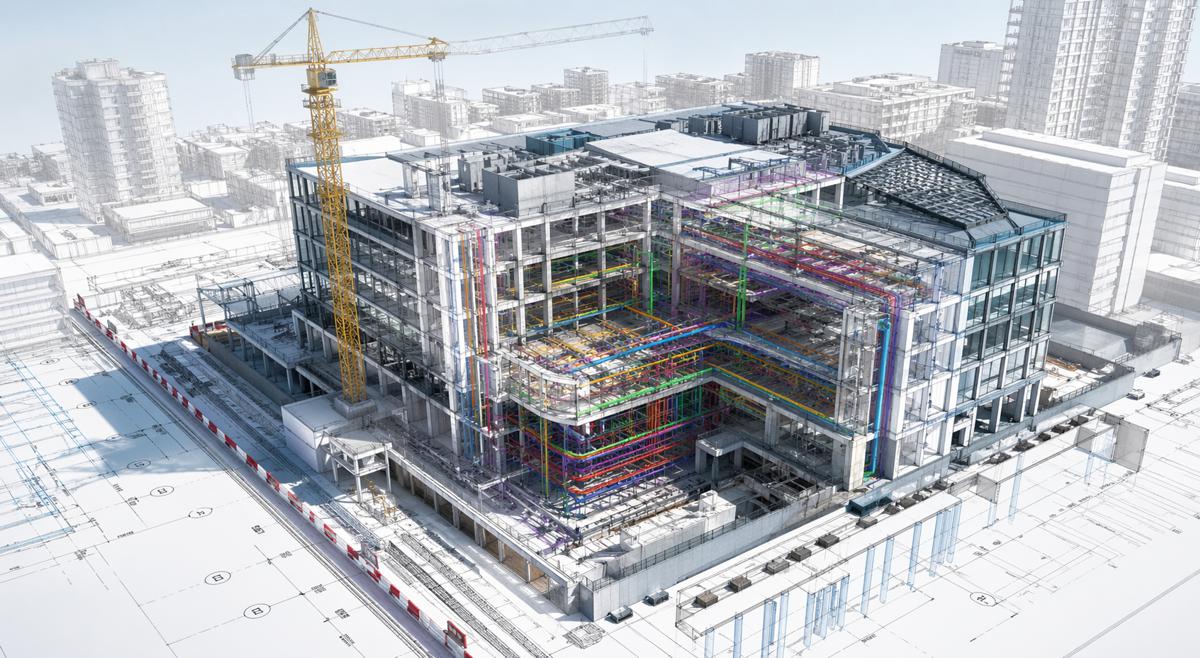
Digital transformation in construction has reached an inflection point. What was once a slow shift towards Building Information Modelling, cloud collaboration and data-driven planning has now become a central pillar of how infrastructure is conceived, delivered and operated.
To help address this rapid change, Digital Construction Week 2026 returns to ExCeL London on 3 to 4 June, bringing together the people and ideas shaping the next phase of the built environment.
This year’s edition arrives at a time when pressures on the sector are stacking up. Governments are tightening carbon targets, project timelines are under strain, and supply chains remain unpredictable. At the same time, technologies such as artificial intelligence, digital twins and advanced data interoperability are moving from pilot projects into real-world deployment. The seminar programme reflects this reality, offering a detailed look at how these tools are being applied across architecture, engineering, construction and operations.
With more than 230 CPD-accredited sessions spread across ten stages, the event positions itself less as a showcase and more as a working forum. It is designed for professionals who need practical insight rather than abstract theory, whether they are managing infrastructure portfolios, designing complex assets or overseeing digital transformation programmes.
Briefing
- Digital Construction Week 2026 takes place at ExCeL London on 3 to 4 June with a strong focus on real-world digital adoption
- The programme includes over 230 CPD-accredited sessions covering AI, net-zero design, interoperability and asset management
- Leading organisations such as Arup, Balfour Beatty, Skanska and Transport for London are contributing speakers
- Sessions focus on measurable outcomes including carbon reduction, digital delivery efficiency and lifecycle asset performance
- The event highlights a broader industry shift towards integrated, data-driven infrastructure delivery
A Programme Built Around Industry Pressure Points
The construction sector has never been short of innovation, but translating ideas into consistent delivery has often proved elusive. That gap between ambition and execution is where much of the 2026 programme is focused. Rather than revisiting familiar talking points, sessions dig into the friction points that continue to slow progress.
Interoperability, for instance, remains one of the most persistent challenges. Despite years of investment in digital tools, many projects still rely on fragmented workflows, with data failing to flow cleanly between design, fabrication and construction phases. Sessions exploring this issue go beyond surface-level explanations, examining how embedded intelligence in design models can reduce rework and improve constructability from the outset.
Alongside technical challenges, the programme reflects a growing recognition that digital transformation is as much about people and processes as it is about software. Contractors, consultants and asset owners are all represented, offering a more complete picture of how digital strategies are being implemented across the project lifecycle.
Carbon Reduction Moves from Strategy to Delivery
Sustainability continues to dominate boardroom discussions, yet translating net-zero ambitions into measurable outcomes remains a complex task. Early-stage design decisions are increasingly seen as the most effective lever for reducing whole-life carbon, and this theme runs strongly through the agenda.
Sessions examining carbon modelling tools highlight how digital platforms are enabling teams to quantify emissions from the earliest design stages. By integrating carbon data directly into design environments such as Autodesk Revit, project teams can test scenarios in real time, balancing cost, performance and environmental impact.
This shift towards data-led decision-making aligns with broader industry trends. According to the World Green Building Council, upfront carbon emissions from construction materials and processes can account for a significant share of a building’s lifetime footprint. Embedding carbon intelligence into design workflows is therefore becoming a necessity rather than an optional extra.
Heritage Meets High-Tech in Digital Preservation
While much of the conversation around digital construction focuses on new builds, the preservation of existing assets presents its own set of challenges. The digitalisation of heritage structures, particularly those of national or international significance, requires a careful balance between accuracy, sensitivity and technical innovation.
One of the more striking examples explored at the event involves the digital modelling of the Palace of Westminster. Combining historical drawings with modern surveying techniques such as laser scanning and point cloud capture, teams have created highly detailed BIM models that support both restoration and long-term asset management.
Projects of this nature demonstrate how digital tools are extending beyond efficiency gains to play a role in cultural preservation. They also highlight the increasing importance of data quality and standardisation, particularly when dealing with complex, multi-century structures.
Rethinking Asset Information for Long-Term Value
As infrastructure owners place greater emphasis on lifecycle performance, the way information is handed over at project completion is coming under scrutiny. Traditional approaches, often centred on static datasets, are being challenged by more dynamic, outcome-focused frameworks.
The emergence of new standards from organisations such as buildingSMART reflects this shift. By redefining how asset information is structured, validated and exchanged, these frameworks aim to ensure that data remains useful long after construction is complete.
For operators managing large portfolios, the implications are significant. Better data at handover can lead to more efficient maintenance, improved operational performance and reduced lifecycle costs. It also supports the growing use of digital twins, where real-time data feeds are used to optimise asset performance.
AI and Data Integration Gain Ground
Artificial intelligence continues to move from experimental use cases into practical applications across the construction sector. From predictive maintenance to automated design optimisation, AI-driven tools are beginning to influence how projects are planned and delivered.
At the same time, the importance of robust data infrastructure is becoming increasingly clear. AI systems rely on high-quality, well-structured data, and without it their effectiveness is limited. This has placed renewed emphasis on data governance, interoperability and standardisation across the industry.
Speakers from organisations including Mace Group and Laing O’Rourke are expected to share insights into how these technologies are being integrated into live projects. Their experiences provide a practical perspective on what works, what does not, and where the next wave of innovation is likely to emerge.
Collaboration Across the Built Environment
One of the defining characteristics of Digital Construction Week is its ability to bring together stakeholders from across the entire built environment ecosystem. Architects, engineers, contractors, software developers and asset owners all converge in a single space, creating opportunities for cross-disciplinary collaboration.
This diversity is reflected in the range of contributing organisations, from design practices such as Heatherwick Studio to public sector bodies like NHS. Each brings a different perspective, enriching the conversation and highlighting the interconnected nature of modern infrastructure delivery.
For many attendees, the value lies not just in the formal sessions but in the informal exchanges that take place alongside them. Conversations sparked on the exhibition floor often lead to new partnerships, pilot projects and long-term collaborations.
Technology Demonstrations and Real-World Applications
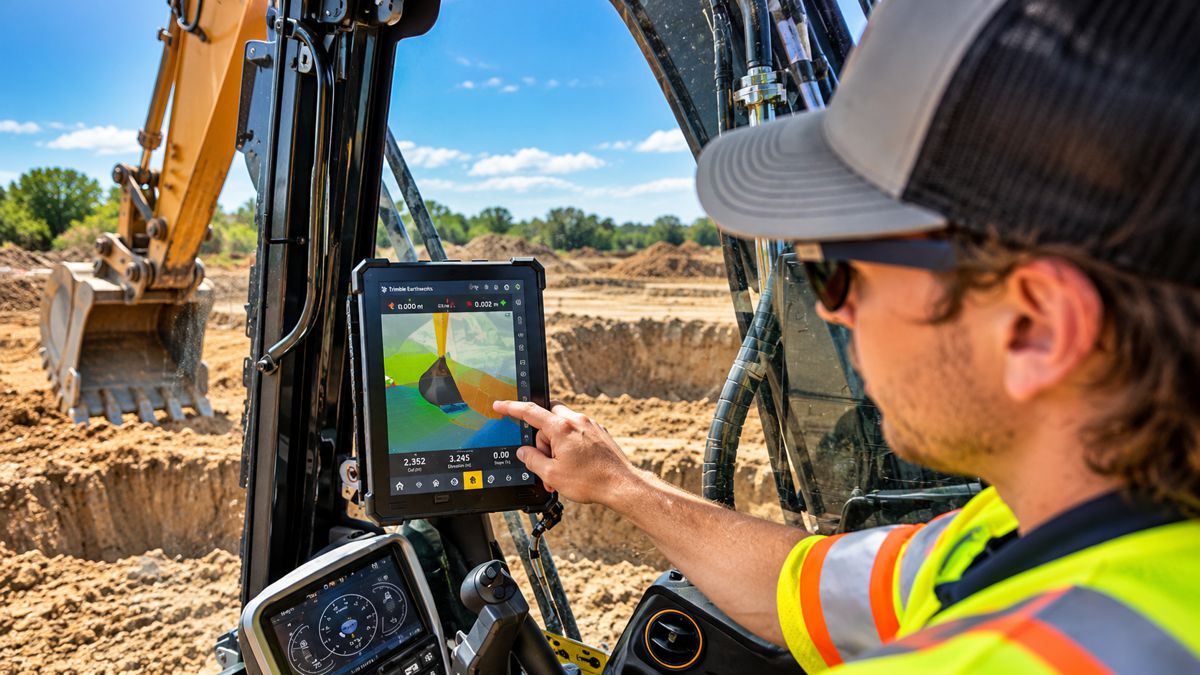
Beyond the seminar programme, the exhibition floor offers a hands-on look at the technologies shaping the industry. With more than 150 exhibitors, visitors can explore everything from advanced BIM platforms to robotics, reality capture tools and data analytics solutions.
These demonstrations provide an opportunity to see how digital tools perform in practice, bridging the gap between theory and application. For organisations considering investment in new technologies, this practical insight can be invaluable.
The scale of the event, with thousands of professionals expected to attend, also reflects the growing importance of digital capabilities within the construction sector. As projects become more complex and performance expectations rise, the ability to leverage technology effectively is increasingly seen as a competitive advantage.
A Sector Moving Towards Integration
Taken as a whole, the programme for Digital Construction Week 2026 paints a picture of an industry moving steadily towards greater integration. Silos between disciplines are being broken down, data is becoming more central to decision-making, and digital tools are being embedded across the project lifecycle.
This transition is not without its challenges. Legacy systems, skills gaps and cultural resistance continue to slow progress in some areas. Yet the direction of travel is clear. The built environment is becoming more connected, more data-driven and more responsive to the demands placed upon it.
For professionals navigating this evolving landscape, events such as Digital Construction Week provide a valuable opportunity to stay informed, share knowledge and explore new approaches. The conversations taking place in London this June are likely to influence how projects are delivered for years to come.