JCB Hydromax Chases Hydrogen Glory on the Bonneville Salt Flats
For decades, the global construction equipment sector has been associated with diesel power, heavy machinery and hard-working engines designed to endure punishing conditions. Yet, tucked away beneath the familiar yellow bodywork of excavators and loaders, a technological shift has been quietly gathering pace. British manufacturer JCB now intends to showcase that transition in one of the most dramatic ways imaginable: by chasing a new land speed record with hydrogen combustion power.
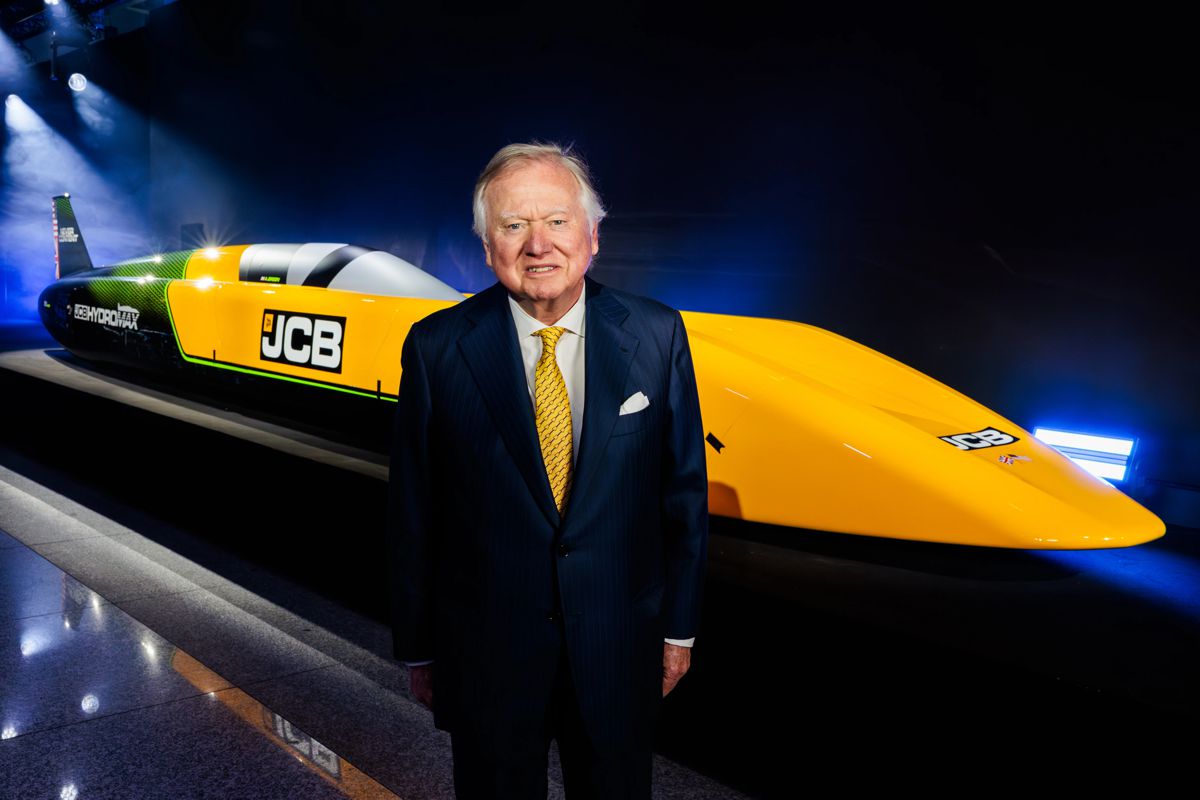
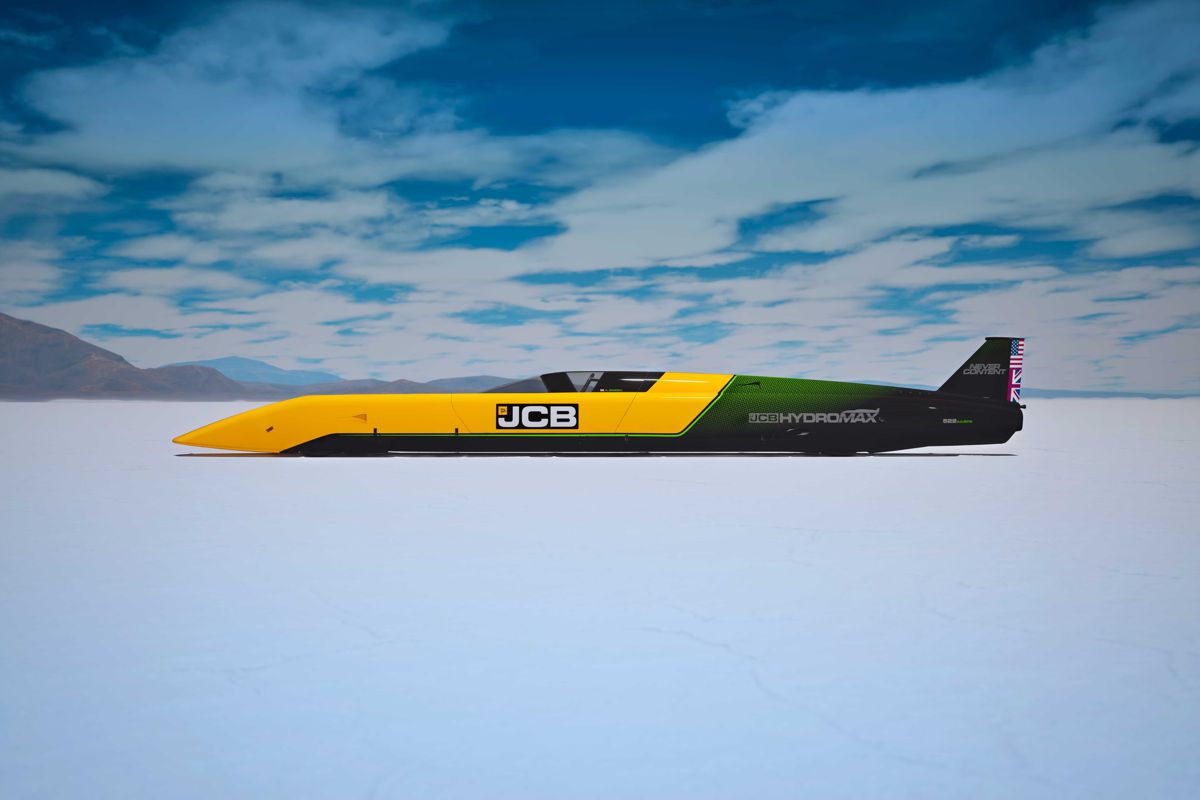
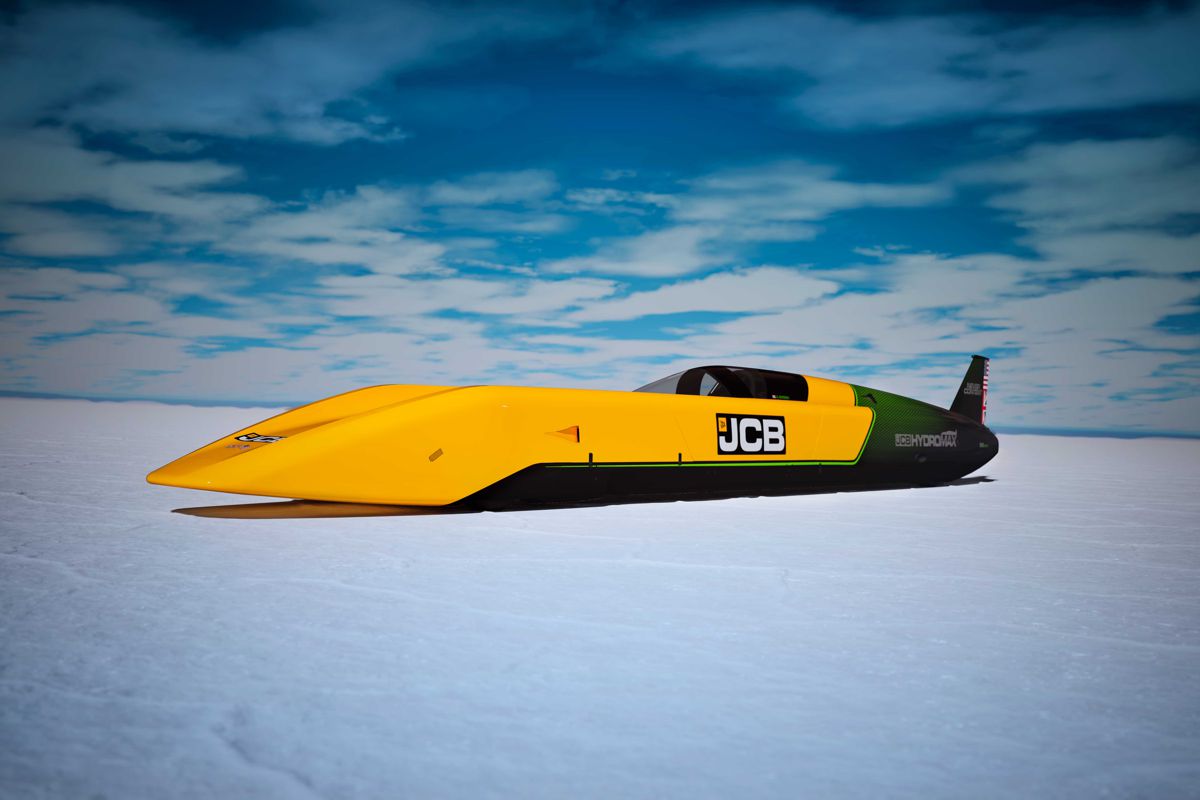
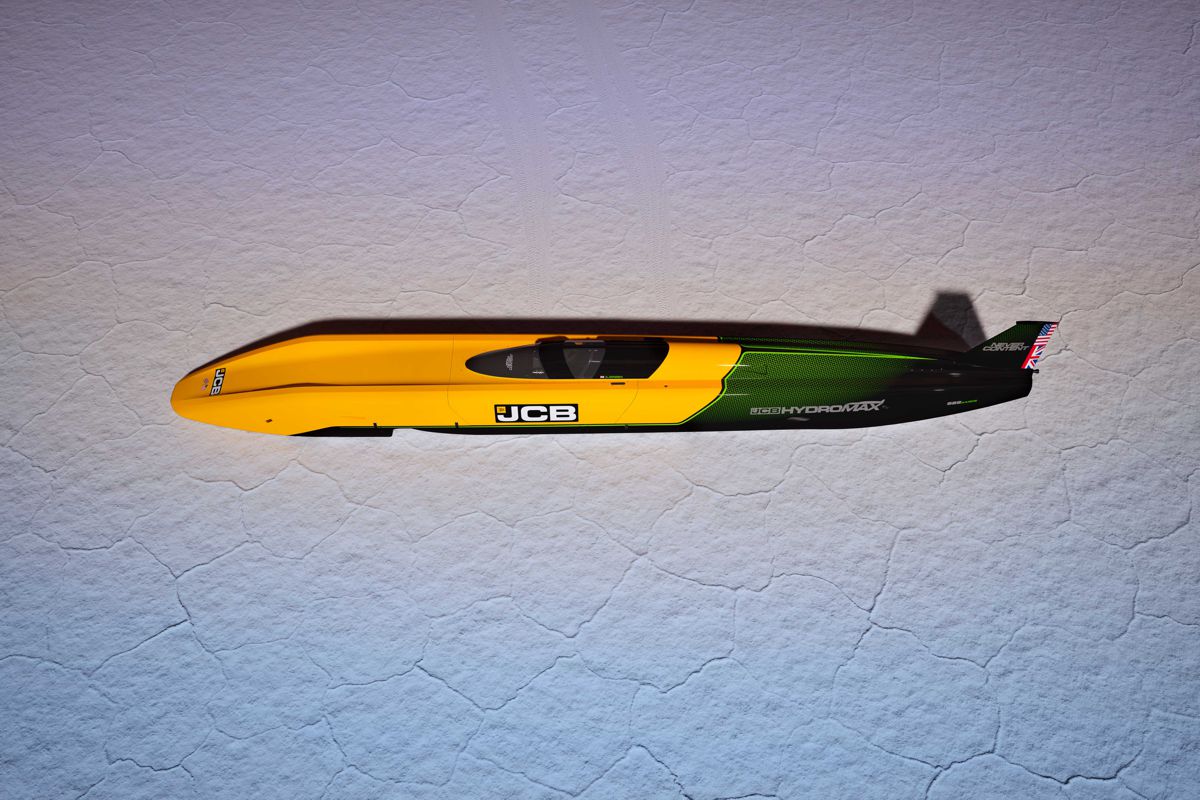
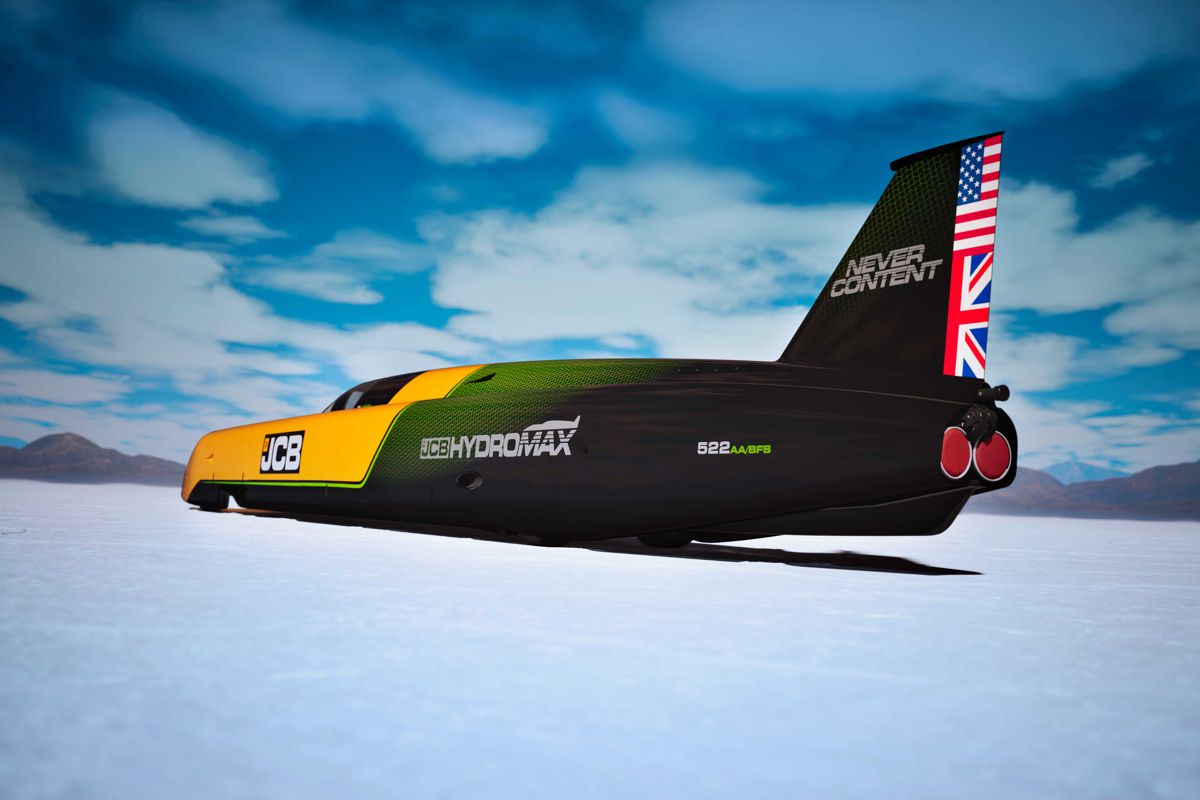
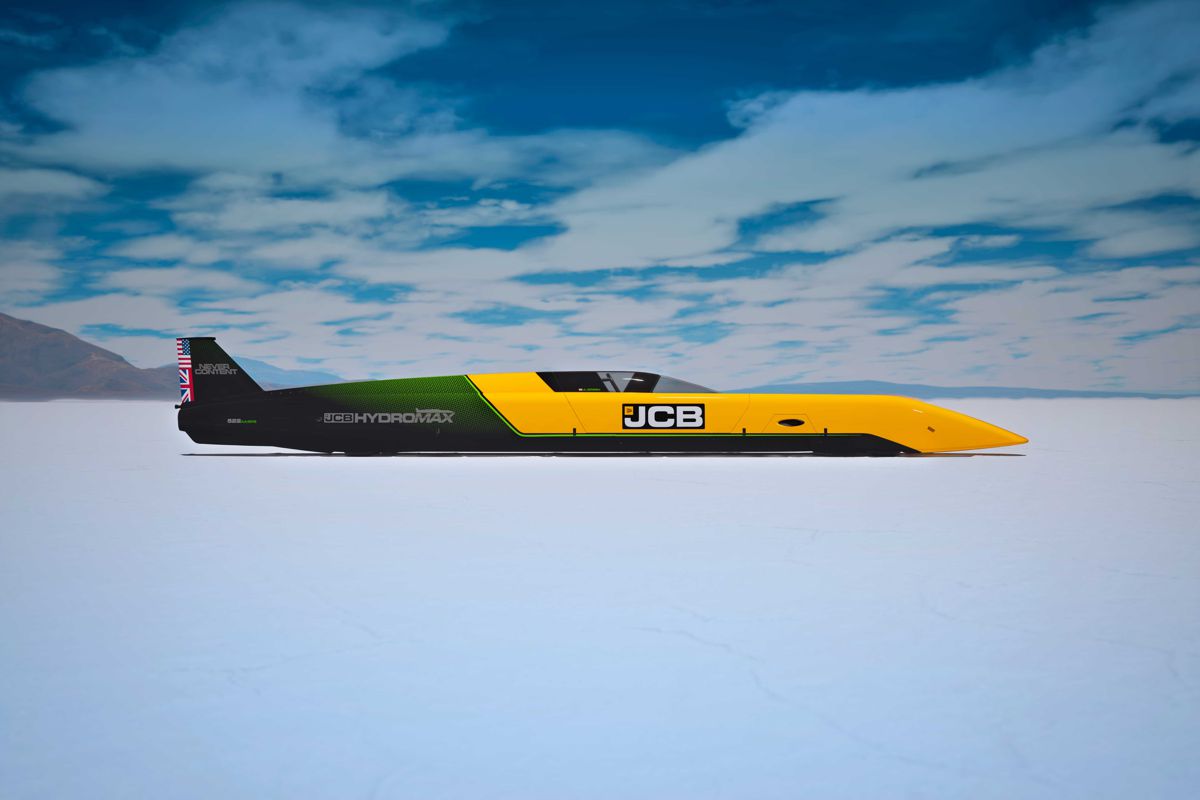
Twenty years after the remarkable success of the diesel-powered JCB Dieselmax, the company is returning to the legendary Bonneville Salt Flats with a machine built not to celebrate diesel efficiency, but to demonstrate the performance potential of hydrogen internal combustion engines. The new 32-foot streamliner, named JCB Hydromax, represents far more than an engineering publicity exercise. It arrives at a time when governments, fleet operators and infrastructure contractors worldwide are under growing pressure to decarbonise construction and industrial operations without sacrificing reliability or productivity.
Unlike many automotive manufacturers pursuing battery-electric pathways, JCB has spent the past five years investing heavily in hydrogen combustion technology. The company has committed £100 million to the programme, developing production-ready hydrogen engines intended for construction and agricultural equipment. Excavators powered by those engines have already begun leaving production lines, marking one of the industry’s most significant alternative-fuel deployments outside laboratory testing environments.
Now the company intends to push the technology into the global spotlight at speeds exceeding 350 mph.
Briefing
- JCB is targeting a new hydrogen-powered land speed record at the Bonneville Salt Flats
- The new JCB Hydromax streamliner uses two production-based hydrogen combustion engines generating 1,600 bhp
- The project follows JCB Dieselmax, which set the diesel land speed record at 350.092 mph in 2006
- The programme highlights growing industrial interest in hydrogen internal combustion technology for heavy equipment applications
- The speed attempt coincides with JCB’s expanding manufacturing presence in the United States, including a new $500 million factory in Texas
Hydrogen Combustion Enters the Global Spotlight
Hydrogen has increasingly become one of the most debated topics in heavy industry and transport. While battery-electric systems dominate passenger vehicle headlines, the realities of construction, mining, agriculture and infrastructure logistics present a more complicated challenge. Large machines often operate continuously in remote environments where charging infrastructure remains limited, downtime is expensive and energy density matters enormously.
That has created renewed interest in hydrogen combustion engines, particularly among heavy equipment manufacturers seeking a lower-emissions alternative without abandoning familiar engine architecture. Unlike hydrogen fuel cells, hydrogen internal combustion engines retain much of the operational DNA of conventional diesel systems. Maintenance procedures, manufacturing processes and servicing requirements remain comparatively familiar, potentially reducing disruption for equipment owners and operators.
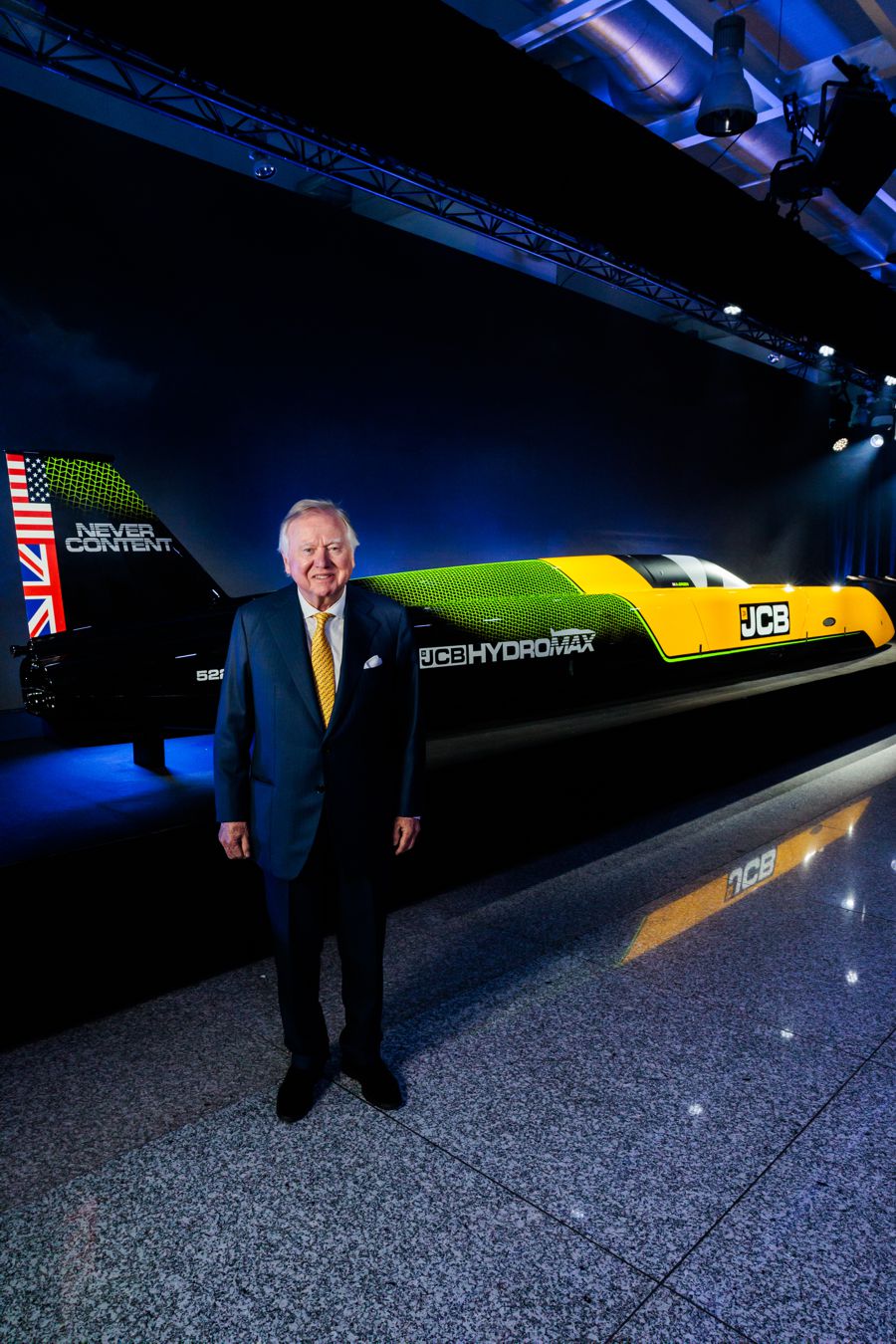
JCB has emerged as one of the most vocal industrial advocates for hydrogen combustion. Chairman Anthony Bamford has consistently argued that hydrogen provides a practical pathway for sectors where battery systems may struggle due to weight, charging times or operational demands: “Britain has a proud heritage of setting speed records and, as a British company, I’m excited to challenge for a new one using hydrogen. This is not just about speed – it’s about showcasing the world-class engineering talent we have here in the UK and the robustness of our new hydrogen engines.”
The company’s strategy also reflects wider industry uncertainty surrounding future fuel regulation. Several European and international policymakers have started acknowledging that combustion engines running on carbon-neutral fuels could still play a role in decarbonisation strategies. That shift has opened fresh debate about whether hydrogen combustion may eventually coexist alongside battery-electric and fuel-cell technologies rather than compete directly against them.
Returning to the Scene of Engineering History
The new attempt carries substantial symbolic weight because it returns JCB to the site of one of Britain’s most celebrated modern engineering achievements. Back in 2006, the streamlined JCB Dieselmax vehicle stunned the motorsport and engineering worlds by reaching 350.092 mph on the Utah salt flats, establishing a diesel land speed record that still stands today.
The car was driven by Andy Green, already internationally recognised as the fastest man on earth after breaking the sound barrier on land in the ThrustSSC programme during 1997. Green’s involvement once again connects the Hydromax project to a lineage of British engineering ambition stretching back generations: “Twenty years ago, JCB took two of its diesel engines, sprinkled some magic engineering dust on them and put them into a racing car. We raced the JCB Dieselmax up to an astonishing speed – and a new FIA world record – of just over 350 mph. Today, that car is still the fastest diesel-engined vehicle in history. Now we’re going back to the Bonneville Salt Flats, spiritual home of the World Land Speed Record, with JCB’s new hydrogen engines.”
Land speed records have long served as extreme proving grounds for engineering innovation. Technologies initially developed for speed attempts frequently influence mainstream transport engineering years later. Aerodynamics, tyre technology, lightweight materials, combustion efficiency and telemetry systems have all benefited historically from such programmes.
For JCB, the project appears designed to prove that hydrogen combustion is not merely viable, but capable of operating under some of the harshest performance conditions imaginable.
Engineering a 1,600 bhp Hydrogen Streamliner
The JCB Hydromax machine has been designed around two production-based hydrogen engines producing a combined 1,600 bhp. That figure alone highlights how rapidly hydrogen combustion development has progressed within heavy industry engineering circles.
Importantly, JCB is not using entirely bespoke experimental powerplants disconnected from commercial reality. The company emphasises that the engines are derived from its existing hydrogen development programme, linking the speed attempt directly back to industrial machinery applications.
The vehicle itself is expected to be lighter and more powerful than the original Dieselmax machine. According to Andy Green, aerodynamic refinement and advances in powertrain engineering have significantly improved performance potential over the past two decades: “The ‘JCB Hydromax’ car is lighter, more powerful and faster than its predecessor of 20 years ago. Once again, we’re going to show the world just how good British engineering and technology really is. This August we’re going to smash the hydrogen-powered vehicle record in the world’s fastest (and most exciting!) zero-emissions vehicle. I can’t wait.”
The programme is also supported by British engineering firms Prodrive and Ricardo, both well established within advanced automotive and motorsport engineering sectors.
That collaboration matters because modern land speed attempts demand expertise extending far beyond engine development. Aerodynamic stability, thermal management, drivetrain resilience and safety engineering become increasingly complex as speeds climb towards and beyond 350 mph.
Construction Equipment Manufacturers Face a Critical Transition
The Hydromax project lands during a pivotal period for the global construction equipment industry. Governments across Europe, North America and parts of Asia are tightening emissions rules for off-highway machinery, while contractors increasingly face sustainability requirements within infrastructure procurement frameworks.
Yet electrifying heavy equipment remains exceptionally difficult in many operational environments. Large excavators, quarry trucks and roadbuilding machinery consume enormous amounts of energy over long working shifts. Battery size, charging availability and operational downtime remain serious barriers for widespread adoption.
That challenge explains why hydrogen is attracting attention not only from equipment manufacturers, but also from mining operators, infrastructure contractors and industrial fleet owners.
Major players including Caterpillar, Komatsu and Volvo Construction Equipment are all exploring alternative fuel technologies, including hydrogen and fuel-cell systems. Meanwhile, governments in Japan, South Korea, the European Union and the United States continue investing billions into hydrogen infrastructure development.
JCB’s approach differs because it focuses heavily on adapting combustion technology rather than replacing engines entirely with fuel-cell systems. For many operators, that could potentially simplify adoption, especially where diesel-based maintenance expertise already exists.
Hydrogen combustion also offers another practical advantage. Refuelling times remain closer to conventional diesel operations compared with lengthy battery charging cycles. In industries where machine uptime directly affects profitability, that factor alone could become commercially decisive.
Bonneville in the Digital Age
Some may question whether land speed records still matter in a world dominated by simulation software, AI-driven design and digital engineering environments. Yet Bonneville continues to hold unique significance precisely because it provides brutally honest engineering validation.
Extreme speed exposes weaknesses rapidly. Heat, vibration, aerodynamics and mechanical loads combine under conditions impossible to replicate perfectly within computer models alone. For engineers, success at Bonneville still carries enormous credibility.
Testing for the Hydromax programme will begin in the UK before the vehicle heads to Bonneville SpeedWeek, operated by the Southern California Timing Association. The event remains one of the world’s most respected speed competitions, attracting teams from across the globe seeking officially verified records.
Following SpeedWeek, JCB intends to remain at Bonneville to pursue FIA-recognised world records under the oversight of the Fédération Internationale de l’Automobile.
For Britain’s engineering sector, the project also arrives during a period of renewed focus on advanced manufacturing and industrial capability. The UK government continues emphasising clean energy technologies and advanced engineering exports as part of long-term economic strategy.
JCB’s timing is particularly notable given the imminent opening of its new $500 million manufacturing facility in San Antonio. The one million square foot factory, spanning 400 acres, will employ around 1,500 people producing machines for the American market.
Speed Records Still Shape Industrial Narratives
JCB has repeatedly used high-profile speed projects to reinforce its engineering credentials. In 2019, the company’s Fastrac tractor achieved a world record speed of 135.191 mph, while the JCB GT backhoe loader set another record at 72.58 mph in 2014.
Those projects may appear theatrical on the surface, yet they perform an important commercial and strategic role. Construction machinery buyers rarely purchase equipment based purely on technical specifications. Reliability, engineering reputation and long-term confidence matter enormously in global procurement decisions.
A successful hydrogen land speed record would provide JCB with a highly visible demonstration platform at precisely the moment the construction sector is debating how future machinery fleets will operate.
The broader significance stretches well beyond one manufacturer. If hydrogen combustion proves capable of delivering durability, power density and operational practicality at industrial scale, it could reshape thinking across infrastructure construction, mining, logistics and heavy transport.
For now, the vast white expanse of Utah’s salt flats once again becomes the proving ground. Twenty years after Dieselmax shocked the world, British engineers are returning with a different fuel, a different challenge and perhaps a glimpse of how heavy industry may power itself in the decades ahead.