Automotive Ethernet Drives the Race for Smarter Connected Vehicles
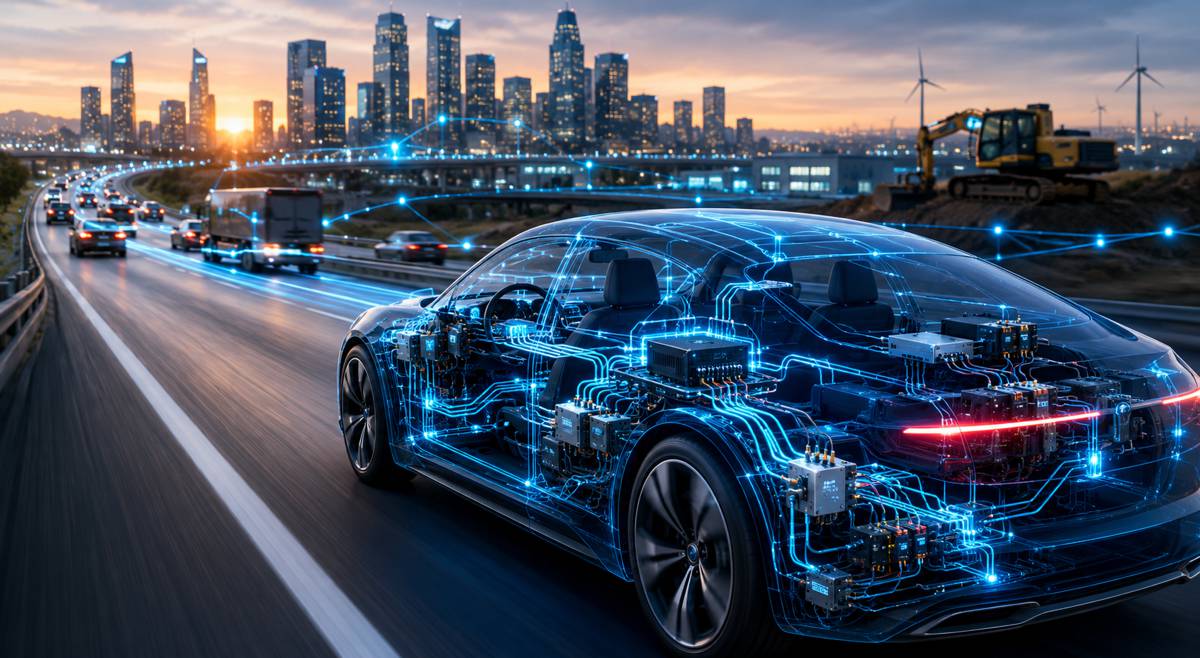
The modern vehicle is rapidly becoming one of the world’s most sophisticated digital platforms. Advanced driver assistance systems, autonomous functions, over-the-air software updates, connected infotainment, high-resolution cameras and increasingly complex sensor arrays are all reshaping what sits beneath the skin of today’s cars, trucks and commercial vehicles. At the heart of that transformation lies Automotive Ethernet, a networking technology now moving from specialist applications into the mainstream of vehicle architecture.
Fresh analysis from the OPEN Alliance and research firm TechInsights suggests the sector is approaching a critical moment. Vehicle Ethernet sockets are forecast to rise from around 962,000 in 2025 to approximately 3.42 million by 2032, reflecting the industry’s accelerating reliance on high-speed digital communication networks inside vehicles.
Yet the report also exposes a growing problem. Automotive manufacturers are not evolving at the same pace, nor are they following consistent implementation strategies. Some OEMs are deploying Ethernet aggressively across multiple vehicle platforms, while others remain cautious or fragmented in their approach. That inconsistency risks increasing development costs, delaying interoperability and complicating the shift toward software-defined vehicles.
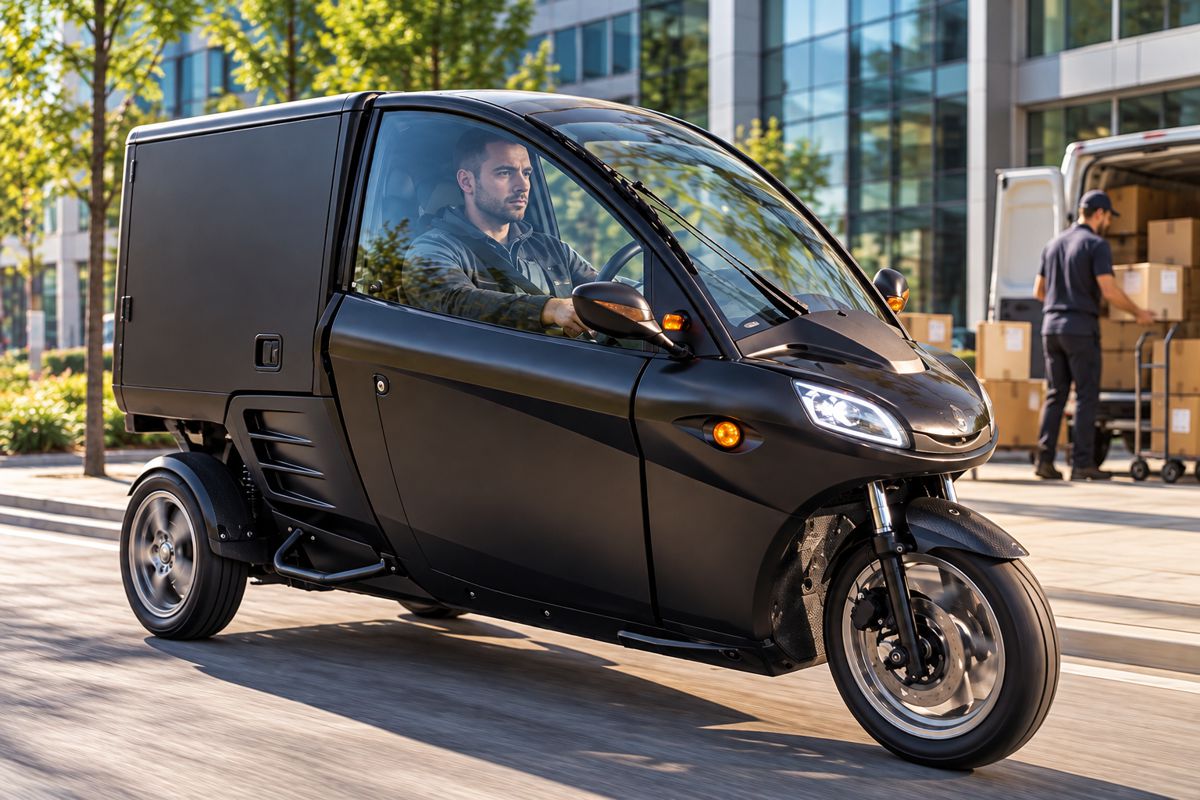
For the global automotive supply chain, the implications stretch well beyond passenger cars. Construction machinery, mining equipment, logistics fleets, agricultural vehicles and off-highway transport systems are all becoming increasingly dependent on connected digital architectures. As industrial transport evolves toward autonomy and intelligent fleet management, reliable high-speed in-vehicle networking is becoming a foundational technology rather than a niche feature.
Briefing
- Automotive Ethernet sockets are forecast to grow from 962,000 in 2025 to 3.42 million by 2032
- Average Ethernet sockets per vehicle are expected to rise from 11 to 27 by 2030
- Leading OEMs currently deploy 4.5 times more Ethernet ports per vehicle than slower adopters
- 1000BASE-T1 is projected to become the dominant Automotive Ethernet speed grade by 2030
- The OPEN Alliance warns fragmented standards and regional divergence could slow innovation and increase costs
The Backbone of the Software Defined Vehicle
Vehicle design has undergone a dramatic architectural shift over the past decade. Traditional distributed electronic control systems are increasingly giving way to centralised computing platforms capable of processing huge volumes of data in real time. That transition has created enormous pressure on legacy automotive communication systems such as CAN, LIN and FlexRay.
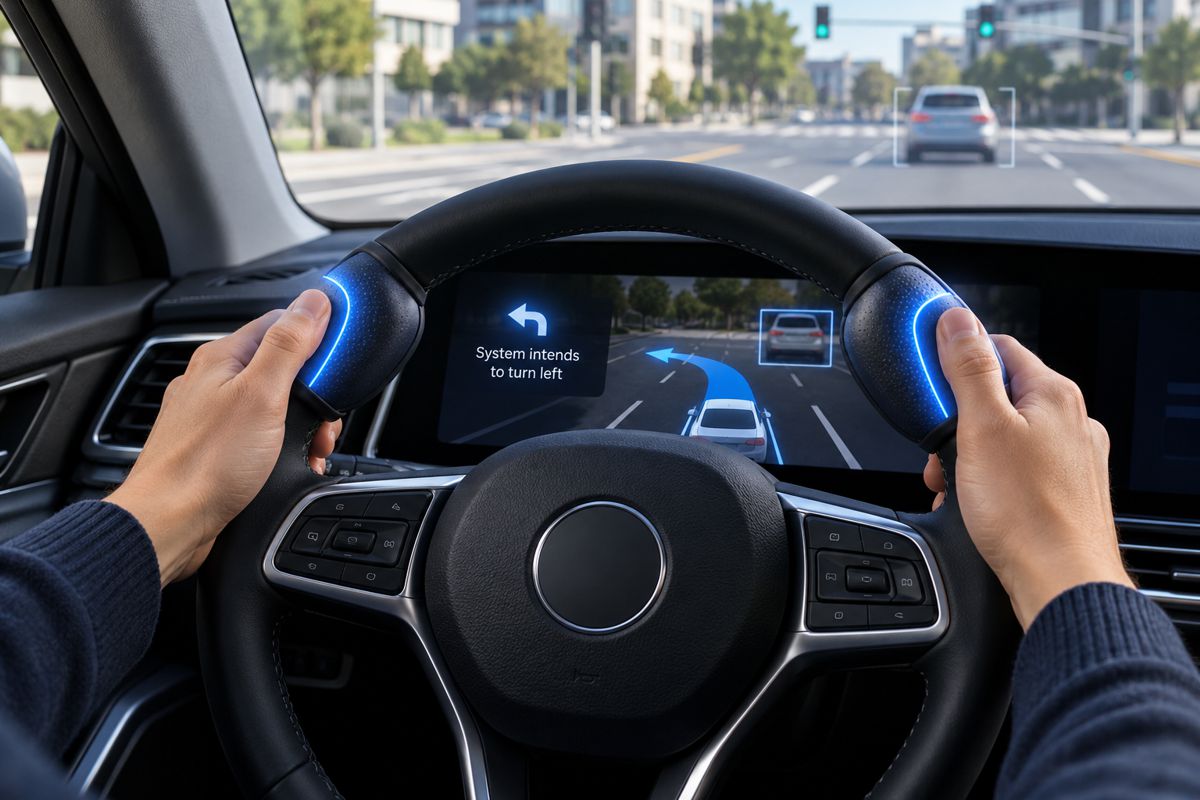
Automotive Ethernet has emerged as one of the industry’s preferred solutions because it offers significantly higher bandwidth, scalability and flexibility. Unlike older vehicle communication protocols, Ethernet can support data-heavy applications such as surround-view camera systems, lidar, radar processing, high-definition infotainment and AI-assisted driving functions simultaneously.
The numbers illustrate just how quickly this transformation is unfolding. According to the new report, the average number of Ethernet sockets per vehicle is expected to climb from 11 today to 27 by 2030. That increase reflects growing sensor density and the rise of zonal vehicle architectures where fewer, more powerful computing units manage larger areas of the vehicle.
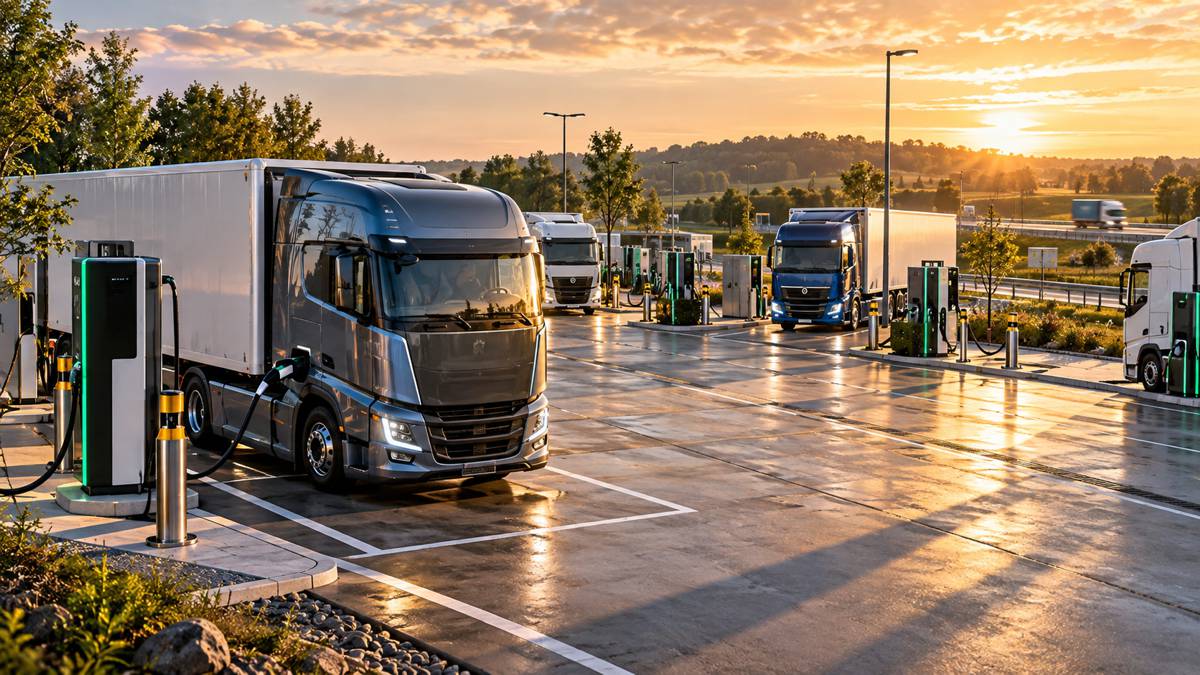
The trend is particularly relevant for heavy industry and transport infrastructure. Autonomous haul trucks in mining operations, connected construction machinery and intelligent logistics fleets all require increasingly sophisticated internal communication systems capable of handling vast amounts of operational and sensor data reliably under demanding conditions.
Uneven Adoption Creates Industry Friction
Despite the strong growth trajectory, the report paints a far from uniform picture. A relatively small group of advanced OEMs currently deploy substantially more Ethernet connections than the rest of the market, creating major differences in technological maturity across manufacturers and regions.
The study found that leading OEMs install roughly 4.5 times more Ethernet ports per vehicle than slower-moving competitors. China is projected to account for a growing share of Automotive Ethernet deployment, yet the market remains internally fragmented, with differing implementation strategies emerging across manufacturers.
That fragmentation matters because inconsistent standards increase engineering complexity throughout the supply chain. Suppliers must support multiple variations of networking architectures, validation procedures and integration methods, adding cost and slowing development cycles.
“Automotive Ethernet is set for rapid yet uneven growth as new architectures, higher sensor bandwidth and emerging applications drive a near-tripling of Ethernet sockets in vehicles by 2032,” said OPEN Alliance President Suma Prabhakara.
“As regions like China grow in overall socket share but remain internally fragmented, the OPEN Alliance’s role in reducing variability and accelerating consistent, standards-based adoption becomes even more important. We encourage OEMs and suppliers to align with our work and share their implementation experience.”
For vehicle manufacturers already struggling with rising software development costs and increasingly compressed product cycles, duplicated integration work represents a serious commercial challenge. The automotive sector is already spending billions annually on software engineering and validation, with consultancy firm McKinsey & Company previously estimating that software and electronics could account for up to 50 percent of a vehicle’s value by the end of the decade.
Standardisation Becomes a Competitive Necessity
The OPEN Alliance argues that stronger alignment around common Automotive Ethernet specifications is now essential if the industry wants to avoid unnecessary divergence.
Founded more than a decade ago, the alliance currently operates 19 technical committees and maintains 38 technical specifications focused on Ethernet-based networking for vehicles. Its role centres on interoperability, compliance testing and encouraging standardised implementation across the automotive ecosystem.
“With so many new Automotive Ethernet technologies entering the market, the industry cannot afford fragmented approaches,” said OPEN Alliance Board Member Samuel Sigfridsson.
“Standards based implementation of Automotive Ethernet that has been tested according to OPEN Alliance’s test suites will ensure interoperability and prevent the costly divergence that slows innovation.”
The issue mirrors challenges previously seen in telecommunications and industrial automation, where competing standards often delayed deployment and increased compatibility problems. In the automotive world, those issues can have even greater consequences because vehicle systems must meet strict safety, cybersecurity and reliability requirements.
The emergence of software-defined vehicles makes interoperability even more important. Future vehicles will increasingly rely on software updates, AI-driven features and connected cloud services throughout their operational life. Without standardised networking frameworks, maintaining compatibility across vehicle generations and supplier ecosystems becomes increasingly difficult.
Speed Grades Signal a Changing Market
One of the report’s more revealing findings concerns the rapid evolution of Ethernet speed grades across vehicle applications.
100BASE-T1 remains widely deployed today, particularly for lower bandwidth applications. However, its overall share is expected to decline as vehicles incorporate more data-intensive systems. The real growth story lies with 1000BASE-T1, which is forecast to become the dominant Automotive Ethernet speed grade by 2030.
That shift reflects the growing need for higher-capacity backbone networks capable of supporting advanced computing platforms and high-bandwidth sensor systems. As autonomous functions become more sophisticated, vehicles must process and distribute enormous quantities of information with minimal latency.
Meanwhile, 10BASE-T1S is emerging as a promising option for body electronics and infotainment systems. Yet OEM expectations remain highly inconsistent, highlighting the lack of unified planning strategies across the sector.
Higher-speed technologies such as 2.5GBASE-T1 are also gaining traction, particularly for advanced cameras, sensor fusion systems and AI-driven compute platforms. Adoption patterns, however, vary sharply by region and manufacturer.
This divergence reflects broader industry uncertainty about how quickly autonomous driving, centralised computing and software-defined architectures will mature commercially. Some manufacturers are aggressively future-proofing their platforms, while others remain focused on near-term cost optimisation.
Geopolitics and Supply Chains Add More Complexity
The report identifies geopolitics as the single greatest destabilising risk facing the Automotive Ethernet market over the coming years. That concern is hardly surprising given the increasing fragmentation of global semiconductor supply chains and ongoing tensions surrounding technology exports, trade restrictions and regional manufacturing strategies.
The automotive sector remains heavily exposed to semiconductor availability, as demonstrated during the global chip shortages that disrupted vehicle production between 2020 and 2023. Ethernet-enabled architectures depend on increasingly sophisticated networking chips, controllers and software integration platforms, many of which rely on globally interconnected supply chains.
Regional technology policies are also influencing development strategies. China continues to accelerate domestic semiconductor investment and vehicle technology development, while Europe and North America are both expanding efforts to localise critical technology manufacturing.
At the same time, the relationship between Automotive Ethernet and competing technologies continues to evolve. The report suggests that SERDES technologies are likely to grow alongside Ethernet rather than replace it entirely. Time Sensitive Networking, commonly known as TSN, is also projected to underpin nearly half of all Ethernet-equipped vehicles by 2030.
TSN is attracting growing interest because it enables deterministic communication over Ethernet networks, a capability increasingly important for safety-critical systems and autonomous driving applications where timing precision matters enormously.
Industrial Vehicles Could Become a Major Growth Frontier
Although much of the Automotive Ethernet conversation centres on passenger vehicles, industrial and commercial sectors could become equally important growth drivers over the next decade.
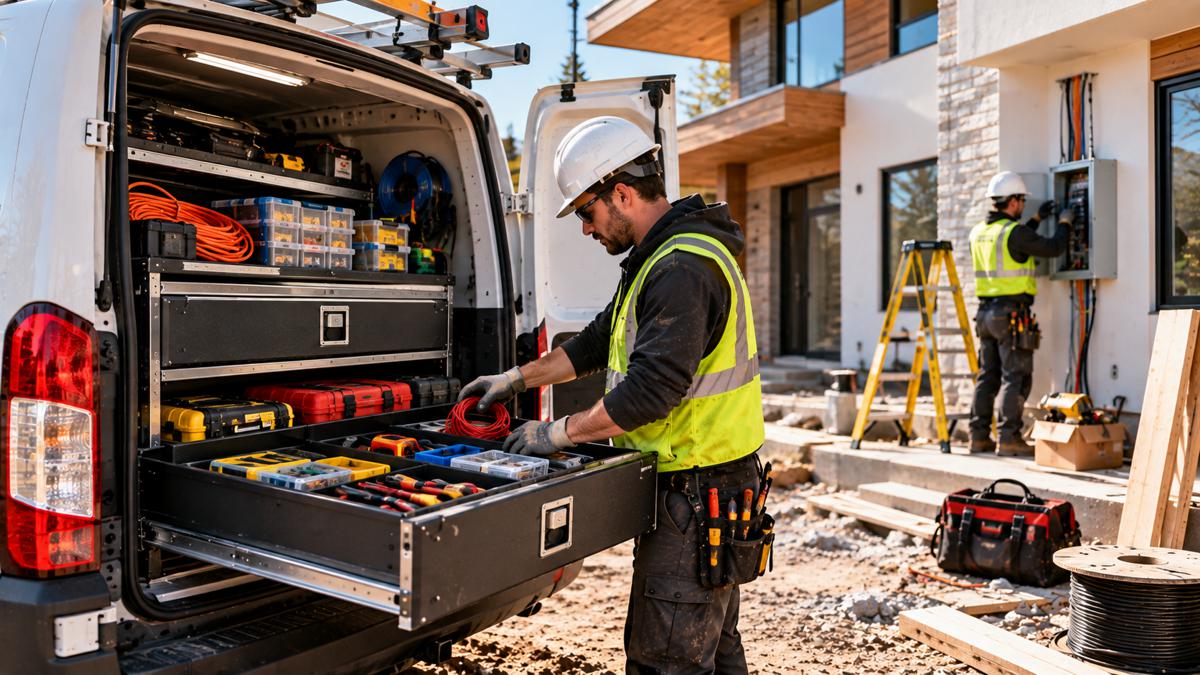
Construction equipment manufacturers are already integrating advanced telematics, autonomous operation systems, remote diagnostics and machine-to-machine communication technologies into heavy equipment fleets. Mining operators are deploying autonomous haulage systems at increasing scale, while logistics companies are investing heavily in connected fleet management infrastructure.
All of these developments require robust high-speed internal communications networks capable of operating reliably in harsh environments. Automotive Ethernet’s scalability and bandwidth make it increasingly attractive for those applications.
The off-highway sector may even adopt some networking technologies faster than parts of the consumer automotive market because industrial operators often prioritise operational efficiency, predictive maintenance and autonomous productivity gains over traditional vehicle replacement cycles.
For infrastructure operators and policymakers, the growth of intelligent connected transport systems also creates wider implications for digital infrastructure investment, cybersecurity regulation and transport resilience planning.
Building the Foundations for the Next Generation of Mobility
Automotive Ethernet is no longer simply another technical standard buried inside engineering departments. It is rapidly becoming one of the digital foundations underpinning the future of mobility, industrial transport and intelligent infrastructure systems worldwide.
The latest findings from the OPEN Alliance and TechInsights show that momentum is building quickly, but they also reveal an industry still wrestling with fragmentation, inconsistent adoption and competing regional strategies. Without stronger alignment around interoperability and standards, the sector risks increasing complexity precisely when software-defined vehicles are demanding greater integration and efficiency.
As vehicles evolve into rolling data centres packed with sensors, AI systems and connected services, networking architecture will become just as important as engines, batteries or drivetrains. The manufacturers and suppliers that establish scalable, interoperable and future-ready communication platforms today are likely to shape the next phase of automotive and industrial transport innovation for years to come.