VINCI Expands Canadian Infrastructure Footprint with Strategic Acquisition
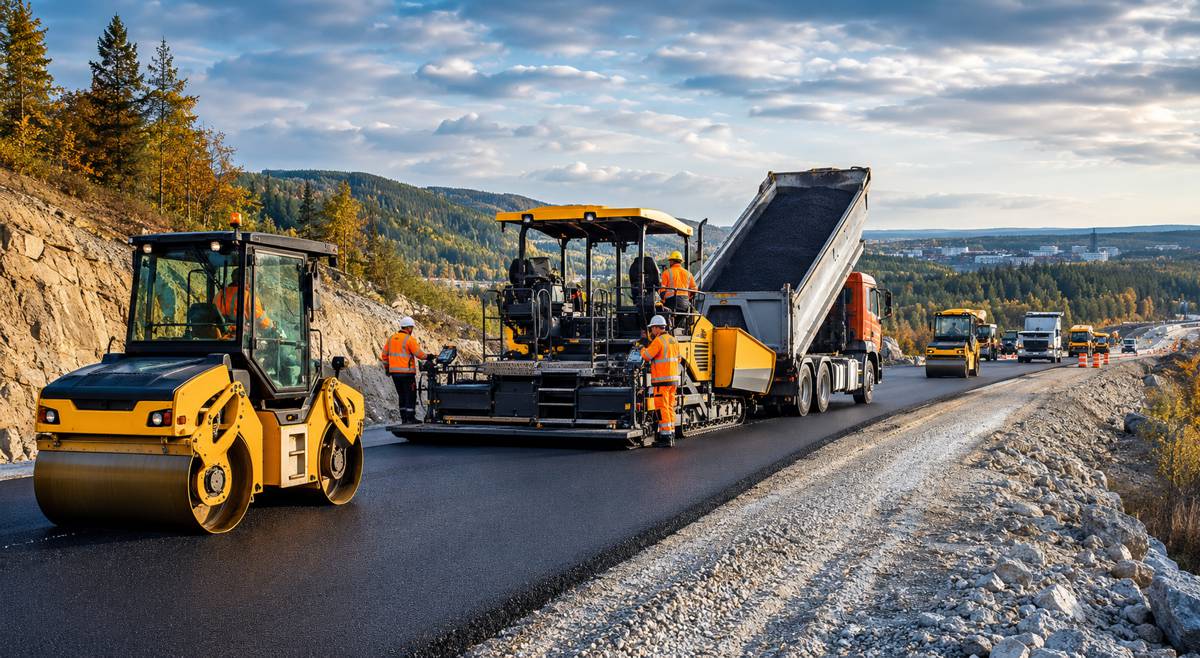
Canada’s infrastructure sector continues attracting international investment as long-term demand for transportation upgrades, urban expansion and resilient public infrastructure drives sustained construction activity across the country. The latest move comes from VINCI, which has strengthened its position in Eastern Canada through the acquisition of Modern Group of Companies, a New Brunswick-based contractor specialising in roadworks, civil engineering, asphalt production and aggregates.
The acquisition reflects a wider trend reshaping the North American infrastructure market. Global construction groups are increasingly targeting vertically integrated regional contractors that combine local delivery capability with materials production, particularly in markets where transport investment, housing growth and logistics expansion continue accelerating. In Canada, that trend has gained momentum as provinces face mounting pressure to modernise ageing infrastructure networks while supporting population growth and trade connectivity.
Founded in 1945, Modern Group of Companies has established a long-standing presence in the Greater Moncton region of New Brunswick, an area widely recognised as one of Atlantic Canada’s fastest-growing urban economies. The business generated approximately €50 million in annual revenue during 2025, equivalent to around CAD 80 million, while employing roughly 160 people across its operations.
Briefing
- VINCI has acquired Modern Group of Companies in New Brunswick, Canada
- Modern Group operates in road construction, civil engineering, asphalt production and quarrying
- The acquisition strengthens VINCI Construction’s presence across Eastern Canada
- Modern Group generated approximately €50 million in 2025 revenue with 160 employees
- The deal complements VINCI-owned Northern Construction, acquired in 2022
Atlantic Canada Continues Emerging as an Infrastructure Growth Market
While major Canadian infrastructure headlines often focus on Ontario, British Columbia and Quebec, Atlantic Canada has quietly become one of the country’s more strategically important growth corridors. Population migration, housing demand, port expansion and logistics investment have placed increasing pressure on transportation networks throughout New Brunswick and neighbouring provinces.
Greater Moncton has experienced particularly strong economic expansion over the past decade. The region has benefited from inward migration, industrial development and its role as a transportation and logistics hub linking Atlantic Canada with central Canadian markets. That growth has intensified demand for road rehabilitation, municipal infrastructure upgrades and commercial site development.
For construction groups seeking long-term regional opportunities, these conditions create an attractive operating environment. Infrastructure spending in Atlantic Canada increasingly extends beyond headline megaprojects and into sustained programmes involving highways, municipal roads, industrial parks, utilities and logistics facilities. Those recurring works often provide stable revenue streams with lower volatility than large one-off megaprojects.
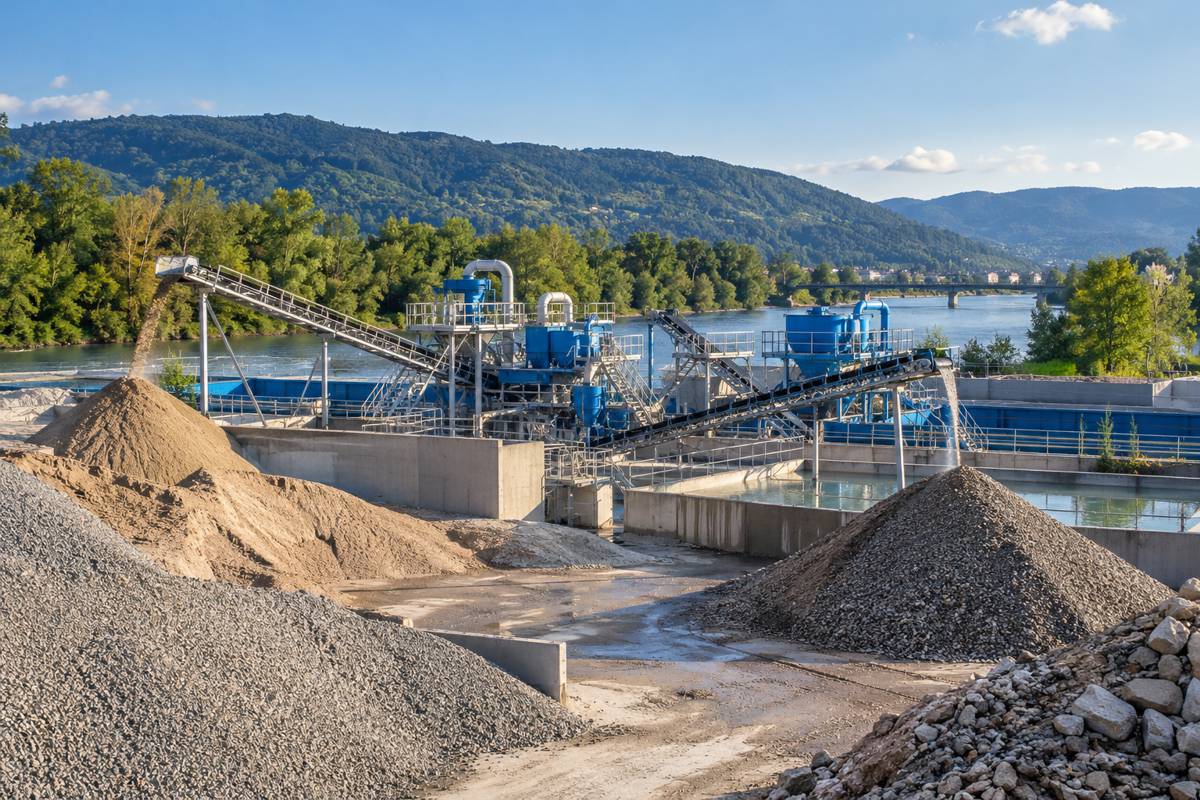
Modern Group’s operational profile fits squarely within that environment. Its activities span roadworks and civil engineering while also incorporating two aggregate quarries and asphalt production operations. That vertical integration provides greater supply chain control and reduces exposure to materials volatility, an increasingly important consideration as contractors worldwide continue managing fluctuating input costs and supply disruptions.
Vertical Integration Strengthens Construction Resilience
The acquisition also underlines how strategically valuable vertically integrated contractors have become within today’s infrastructure market. Ownership of quarries and asphalt production facilities gives contractors stronger operational control, particularly in regions with extensive transportation distances and seasonal construction constraints.
Across Canada, asphalt and aggregate supply remains fundamental to roadbuilding economics. Infrastructure owners continue prioritising pavement rehabilitation and transport resilience, especially following years of deferred maintenance and climate-related wear affecting road networks. Contractors capable of controlling materials production internally are often better positioned to manage scheduling, pricing consistency and project delivery timelines.
VINCI Construction’s decision to acquire Modern Group therefore extends beyond simple geographical expansion. The deal strengthens the company’s regional materials capability while broadening its operational network across Atlantic Canada.
The acquisition also complements the group’s earlier purchase of Northern Construction in 2022. Northern Construction already operates in New Brunswick and Nova Scotia, focusing on road construction alongside asphalt and aggregate production. Combining the capabilities of both businesses creates broader territorial coverage and potentially improved operational efficiency across Eastern Canada.
This layered regional strategy mirrors approaches increasingly adopted by major infrastructure groups globally. Rather than relying solely on large national operations, many international contractors are building networks of strong regional businesses capable of responding quickly to local procurement opportunities and maintaining long-term municipal and provincial relationships.
Canadian Infrastructure Spending Remains a Global Attraction
Canada continues ranking among the more stable and attractive construction markets globally. Public infrastructure investment programmes remain substantial across transport, utilities, energy and housing sectors, supported by both federal and provincial spending commitments.
According to data from the Organisation for Economic Co-operation and Development and the Canada Infrastructure Bank, Canada faces significant long-term infrastructure replacement and expansion requirements tied to urban growth, climate resilience and trade competitiveness.
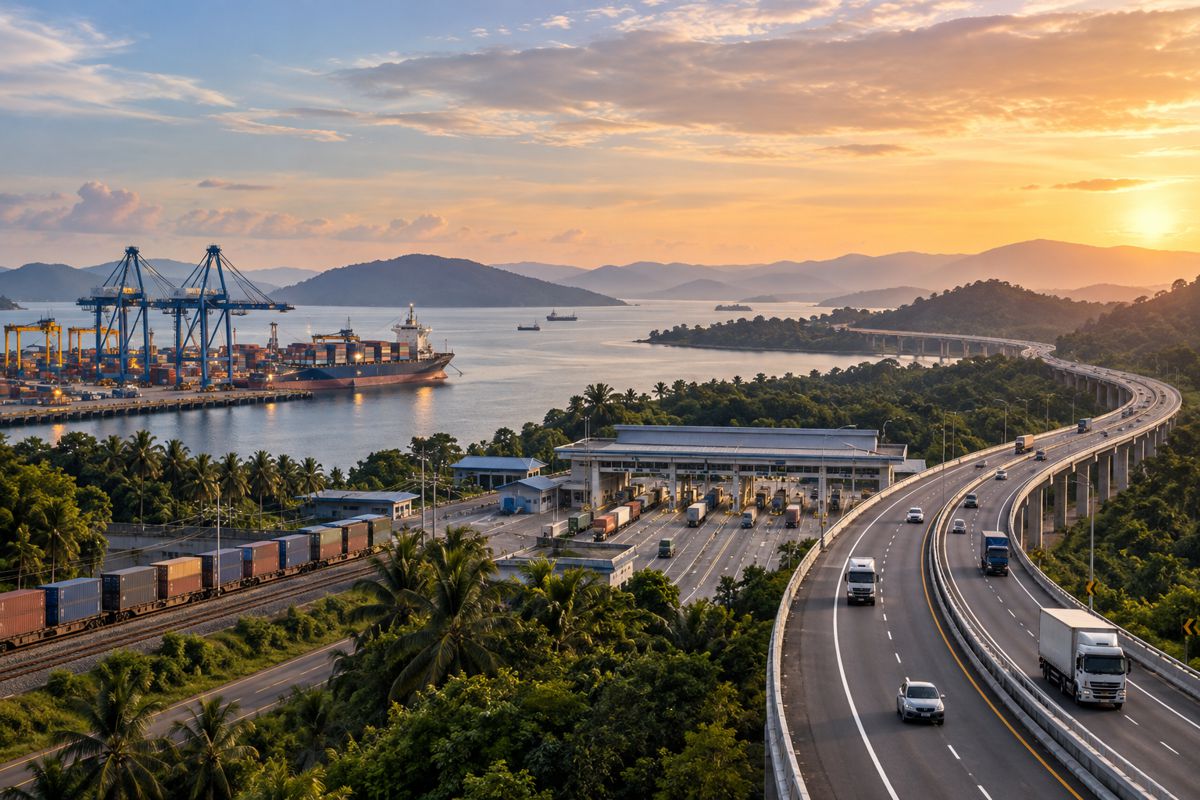
Transport infrastructure remains especially critical. Canada’s vast geography creates heavy dependence on resilient highway and logistics corridors connecting ports, industrial centres and urban markets. Atlantic Canada plays an increasingly important role in that network due to growing transatlantic shipping activity and supply chain diversification efforts.
Construction demand is also being influenced by climate adaptation requirements. Provinces throughout Eastern Canada continue facing infrastructure challenges associated with extreme weather events, freeze-thaw cycles and coastal resilience pressures. Road construction and maintenance programmes are therefore becoming increasingly important from both economic and public safety perspectives.
For international contractors such as VINCI Construction, Canada offers a relatively stable regulatory environment alongside predictable long-term infrastructure demand. That combination remains highly attractive compared with more volatile global markets.
Global Contractors Continue Consolidating Regional Specialists
The acquisition of Modern Group also reflects a broader consolidation trend underway across the global construction industry. Large multinational contractors increasingly seek acquisitions that strengthen local expertise, materials access and recurring infrastructure maintenance capability rather than focusing exclusively on landmark megaprojects.
Regional contractors often possess decades of operational knowledge, local workforce relationships and supply chain familiarity that can be difficult for international firms to replicate organically. Acquiring established local businesses therefore provides faster market integration and stronger regional credibility.
In road construction particularly, local knowledge remains highly valuable. Climate conditions, aggregate characteristics, regulatory frameworks and procurement practices vary significantly between regions. Companies with deep regional roots frequently maintain competitive advantages through long-standing municipal and provincial relationships.
Modern Group’s history dating back to 1945 demonstrates precisely that type of embedded regional presence. Such longevity often signals operational resilience and a proven ability to adapt through changing economic cycles, infrastructure programmes and market conditions.
For multinational infrastructure firms, these acquisitions are increasingly about strengthening operational ecosystems rather than simply increasing turnover figures. Asphalt plants, quarries, regional depots and skilled local workforces can provide enduring strategic advantages as infrastructure demand continues evolving.
Infrastructure Construction Faces a Decade of Transition
The Canadian infrastructure sector is also entering a period of technological and operational transition. Road construction companies are increasingly integrating digital project management tools, intelligent compaction systems, low-carbon asphalt technologies and data-driven asset management processes into mainstream operations.
Environmental requirements are becoming particularly influential. Provincial authorities and municipalities across Canada continue pursuing lower-emission construction strategies while exploring recycled materials, energy-efficient production systems and longer-lasting pavement designs.
Large international groups such as VINCI have been investing heavily in decarbonisation strategies globally, including lower-carbon materials, electrification and improved resource efficiency. Integrating regional businesses into larger international networks may accelerate access to those technologies and operational practices across local markets.
Labour availability also remains a growing concern throughout the Canadian construction sector. Skilled workforce shortages continue affecting project delivery timelines and operational capacity in many provinces. Acquiring established businesses with experienced regional teams can therefore provide a significant competitive advantage.
Modern Group’s workforce of approximately 160 employees represents more than a simple headcount addition. Experienced crews, plant operators, project managers and materials specialists remain among the construction industry’s most valuable assets, particularly as infrastructure demand continues rising internationally.
Eastern Canada Becomes Increasingly Strategically Important
Infrastructure investment patterns suggest Eastern Canada will continue attracting growing attention over the coming decade. Trade diversification, port expansion, manufacturing reshoring and energy transition projects are all contributing to higher infrastructure demand throughout the region.
New Brunswick occupies a strategically important position within Atlantic Canadian logistics networks, connecting regional ports and trade corridors with inland markets. Continued investment in roads, industrial infrastructure and transportation resilience appears likely as economic activity expands.
For VINCI, strengthening its Atlantic Canadian footprint now may provide longer-term positioning advantages as infrastructure investment accelerates further across the region. The combination of regional contractors, vertically integrated materials operations and local delivery expertise creates a stronger platform for future growth opportunities.
The acquisition of Modern Group therefore represents more than a routine expansion deal. It illustrates how global infrastructure companies are repositioning themselves around regional capability, supply chain resilience and long-term infrastructure maintenance demand.
As governments continue focusing on transport resilience, climate adaptation and economic connectivity, road construction and materials production businesses are becoming increasingly valuable strategic assets within the wider infrastructure economy.