How Robotic Hydrodemolition is Reshaping Concrete Repair
Concrete repair rarely makes headlines, yet the economics of how a bridge deck or car park slab is stripped back and rebuilt sit close to the centre of the maintenance challenge facing most developed economies. Governments across Europe and North America are managing ageing structures poured decades ago, and the cost of keeping them in service depends heavily on how cleanly deteriorated concrete can be removed without harming the reinforcement beneath.
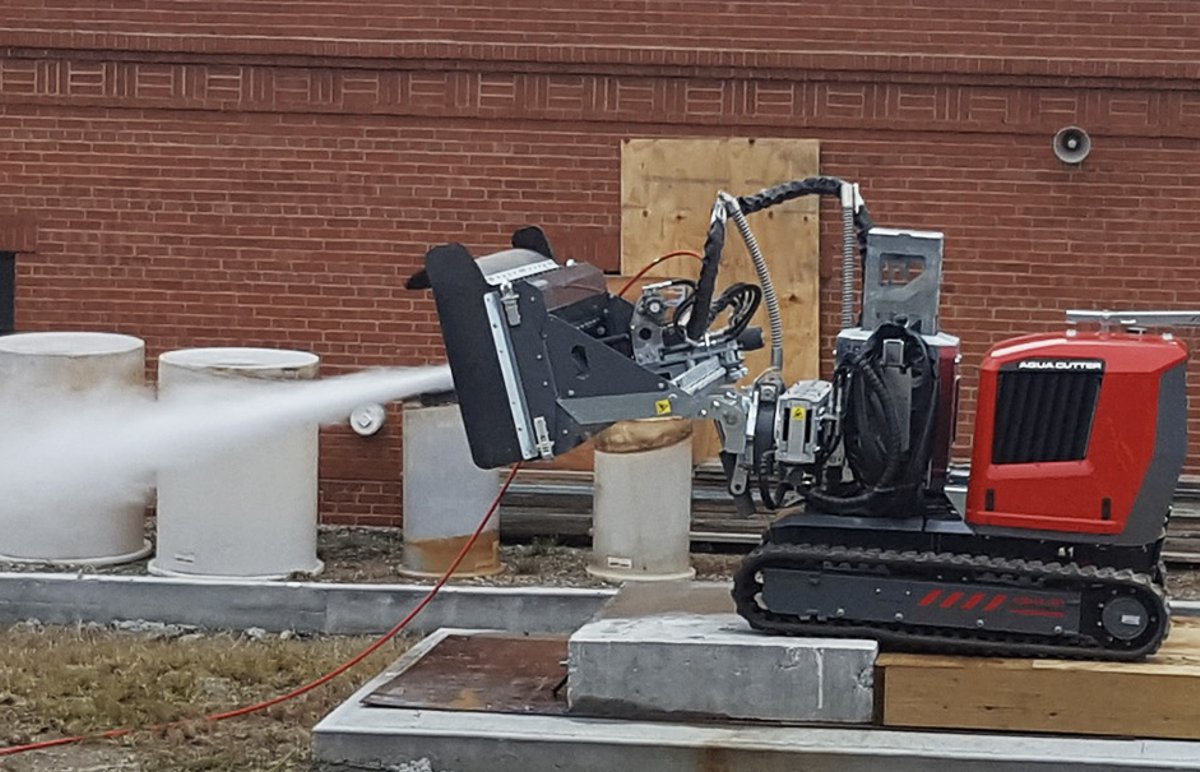
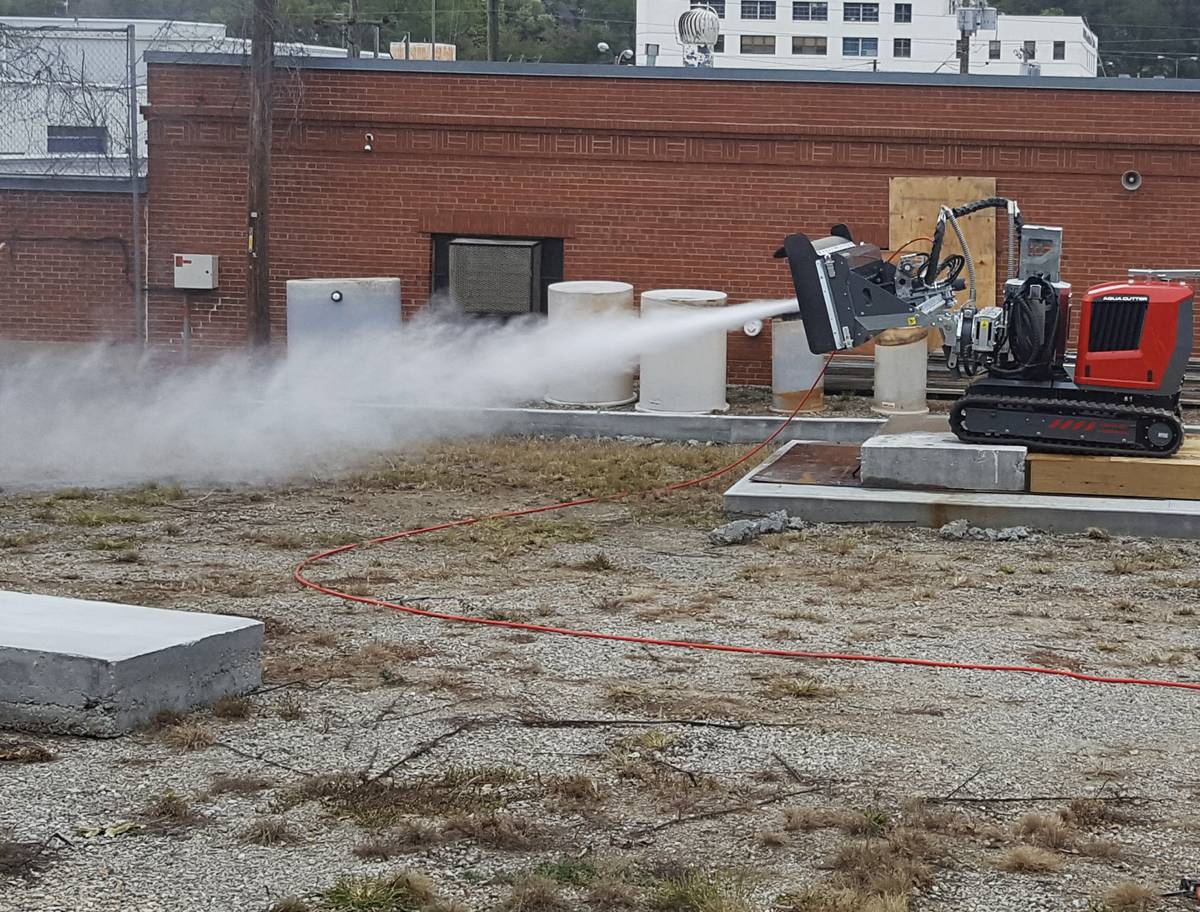
Hydrodemolition, the use of ultra-high-pressure water to blast away failing concrete while leaving sound material and rebar intact, has become one of the more consequential tools in that effort. The latest generation of robotic equipment is changing the arithmetic again, and the shift matters well beyond the specialist contractors who operate the machines.
For the wider construction and infrastructure sector, the significance lies less in novelty and more in what these advances do to project economics. Repairs that bond better and last longer reduce whole-life costs for asset owners, faster removal shortens lane closures and disruptive possessions, and equipment that a less experienced operator can run competently helps contractors work around a persistent shortage of skilled labour.
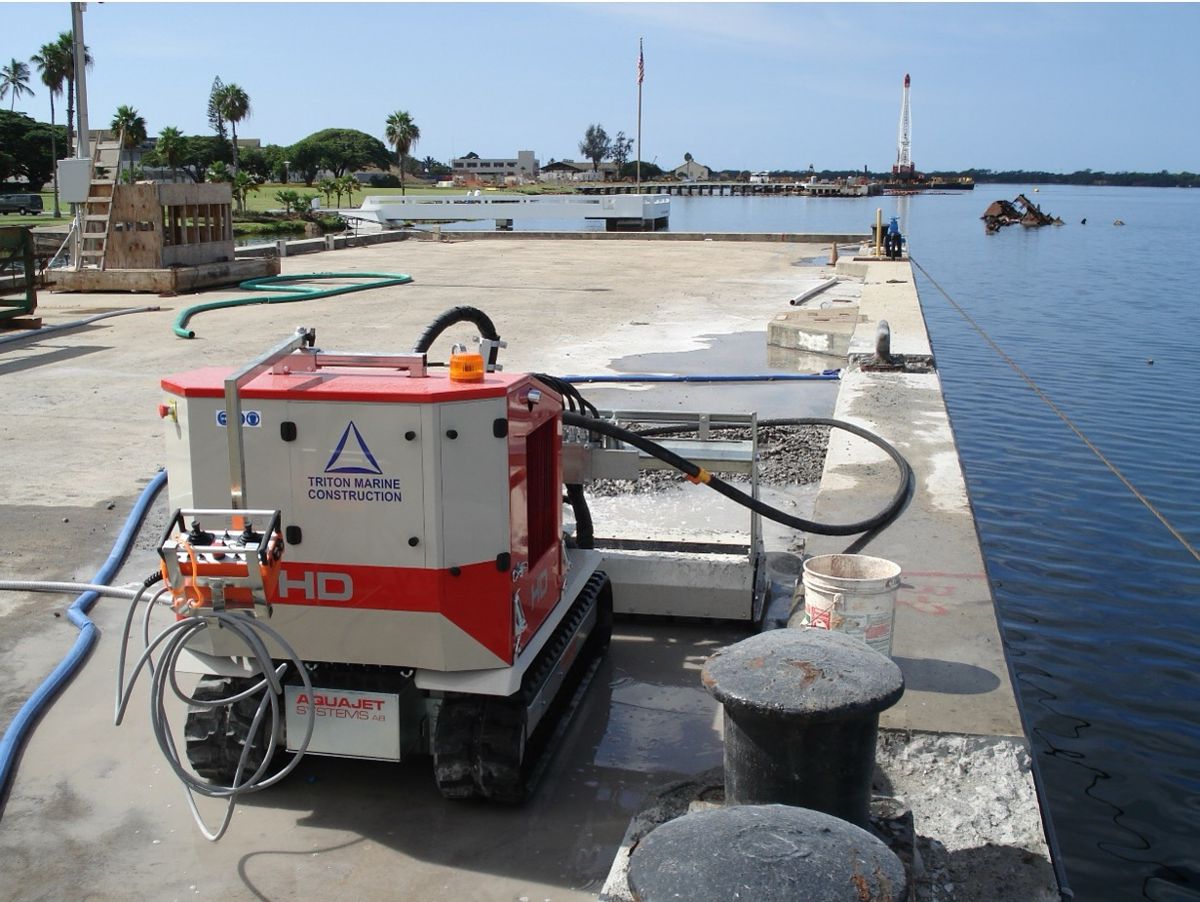
Aquajet, the Swedish manufacturer acquired by Brokk in 2016 and widely regarded as the category leader, has built much of the recent progress around a single principle: controlling the movement of the water jet with far greater precision than mechanical breaking or earlier robots ever allowed. That control is where the commercial value now sits.
Briefing
- Robotic Hydrodemolition removes deteriorated concrete without microfracturing sound material or damaging embedded reinforcement, producing a bonding surface that can extend repair life by up to three times.
- Aquajet’s patented infinity oscillation moves the water jet in a figure-eight pattern, holding a constant surface speed that virtually eliminates pipe holes and lifts productivity.
- Contractors adopting infinity-pattern equipment typically report efficiency gains of 15 to 20 per cent, rising towards 50 per cent when settings are optimised for the task.
- Upgraded track systems now travel at 50 metres per minute against roughly 30 for older machines, cutting dead time on large bridge and highway sites.
- Preset parameters, guided controls and manufacturer training lower the operator skill barrier, widening the pool of crews able to run advanced equipment.
The Commercial Case For Upgrading
The most immediate argument for adopting newer Hydrodemolition equipment is not that it removes concrete, since older robots and even hand lances already do that. The point is how much faster and how much more consistently the work gets done, because in a sector where margins are tight and programme dates are unforgiving, incremental gains compound quickly.
Contractors running equipment built around the infinity oscillation pattern typically see efficiency improve by 15 to 20 per cent depending on the scope of the job, and with the right settings that figure can climb towards 50 per cent. On a large bridge deck or a multi-storey car park refurbishment, that translates directly into fewer machine hours, lower fuel consumption and shorter site occupation, all of which feed the bottom line.
There is a competitive dimension to this that many contractors underestimate. Aquajet frames the market bluntly, noting that the yardstick is no longer the jackhammer and the hand lance but the newest robots in a rival’s fleet. A firm still running a decade-old machine may complete the job, yet it will do so more slowly and at higher cost than a competitor bidding the same work with current equipment.
Over a tender cycle, that gap becomes the difference between winning and losing contracts. The path to profitability, in other words, runs less through cutting rates than through the productivity and repair quality that modern machines make routine, and the contractors who invest early tend to set the price and pace that others must follow.
Precision By Design: The Infinity Oscillation Advantage
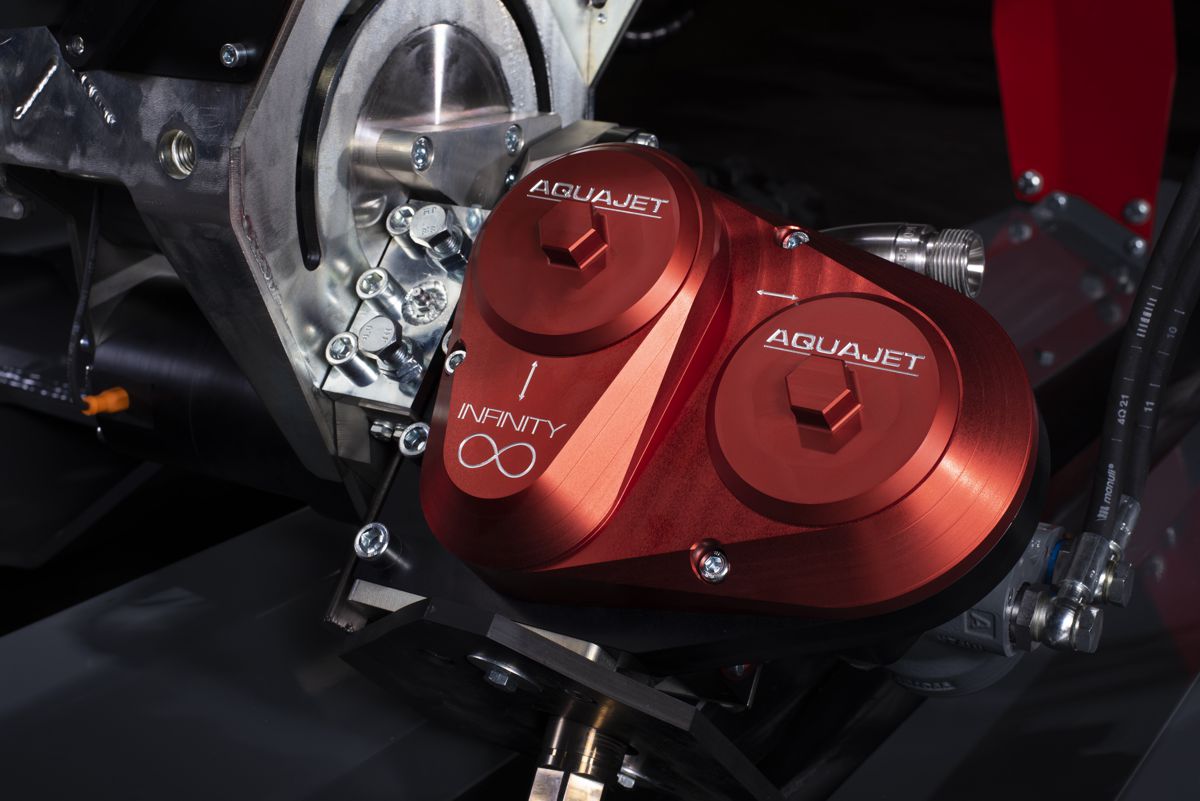
For most of Hydrodemolition’s three-decade history, simply being able to control a high-pressure water jet mechanically counted as sophisticated, since it was already safer and faster than breaking concrete by hand. The recent leap comes from how the lance now moves. Aquajet’s patented infinity oscillation drives the jet in a figure-eight, or infinity, pattern rather than a conventional back-and-forth wave that naturally speeds up and slows down at the ends of each stroke.
By keeping surface speed constant throughout the cycle, the water jet strikes fresh material at an even rate, which increases the digging effect, produces a rough but uniform profile and virtually eliminates the pipe holes that undermine a repair. The result is precisely the kind of bonding surface that project engineers want to see, and it is the reason a Hydrodemolition repair can outlast a mechanically broken one by up to three times.
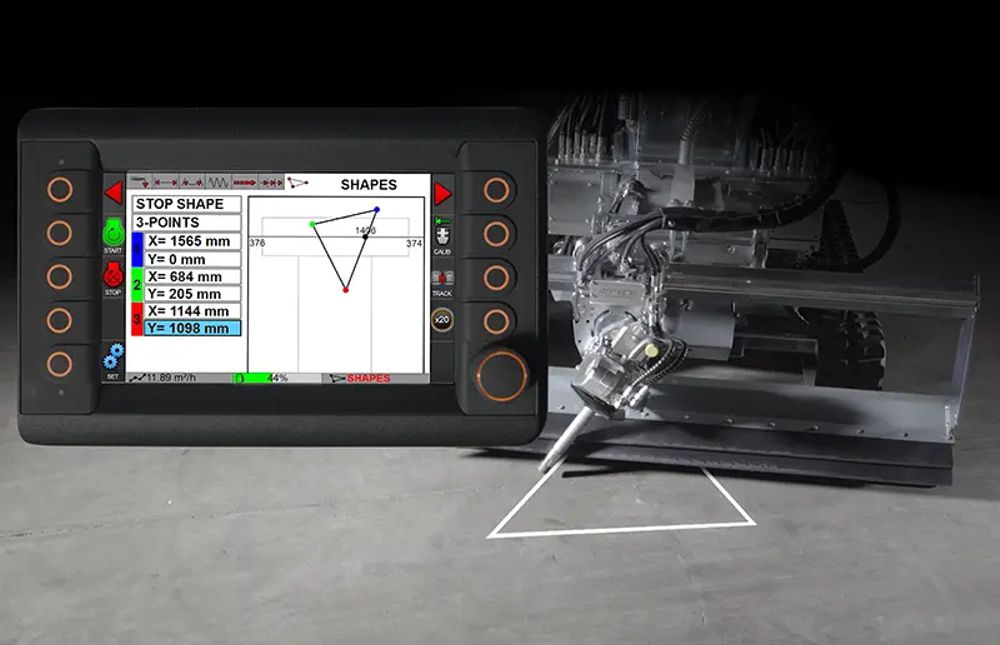
That longevity is the quiet commercial headline. A bond that holds for decades rather than years changes the whole-life cost of an asset and reduces the frequency of return visits to the same structure. The precision extends to how the machine works an area, too. Operators can set different removal depths across a single pass, taking out four inches in one zone and two in the next without a second run, and the control system can be programmed to cut geometric shapes, so the awkward triangular section left by a bridge joint no longer has to be finished off by hand.
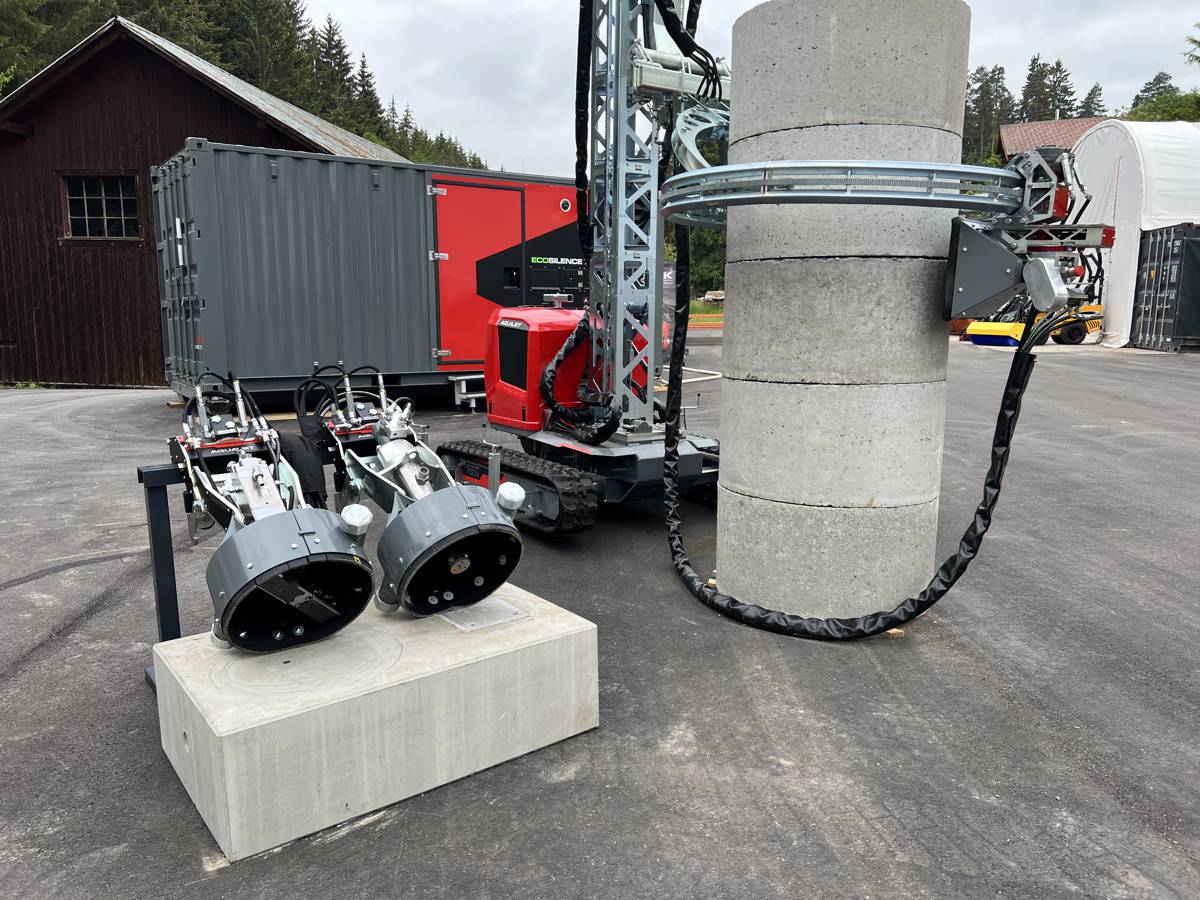
Roger Simonsson, Aquajet’s managing director, has predicted that the approach is on course for “replacing rotating lances and similar tools to become the new industry standard.” Underpinning it is the company’s Equal Distance System, which holds a constant gap between nozzle and surface regardless of the jet’s angle, ensuring the full force of the water is delivered exactly where the operator intends.
Uptime, Durability And The Cost Of Downtime
Reliability is where the business case often lives or dies, because a machine that stops working stops earning. A common objection to newer robots is that more sensors and automated functions mean more things to break, yet the trend has run the other way. Components on current machines are engineered to last and to demand less daily attention.
Rollers that once had to be tightened every morning are now preset and far more durable, inviting a set-and-forget approach, while the sensors fitted to hoist systems and lance controls are well sealed and cope with operational stress that earlier designs could not. Where a failing cable used to force replacement of the sensor tied to it, optimised designs let a crew swap the cable alone and return to work, trimming both parts cost and lost time.
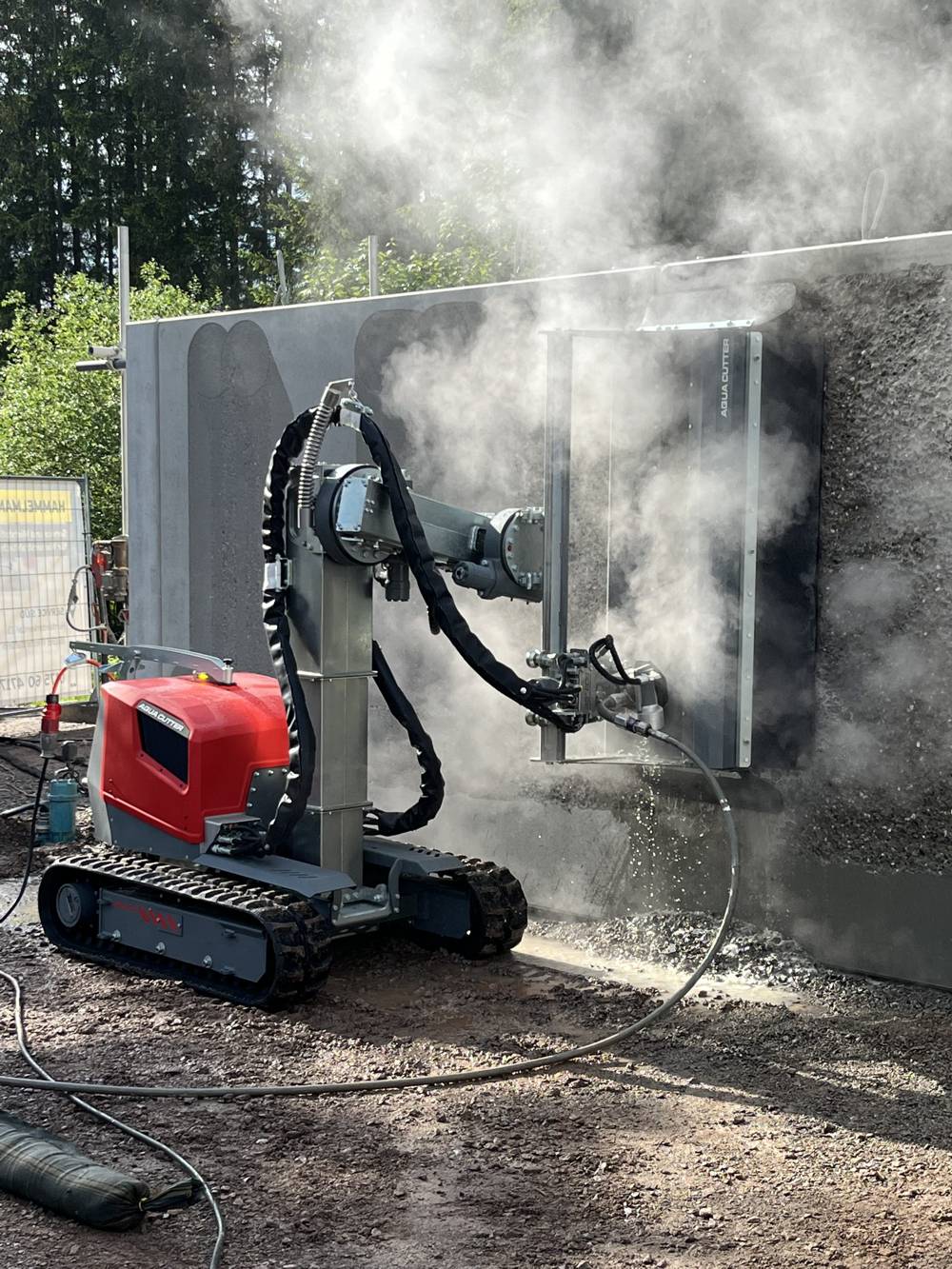
The gains carry through to how quickly a machine reaches and moves around the work. Newer track systems travel at 50 metres per minute against roughly 30 on older equipment, which matters on a bridge job where the robot may have to be driven a couple of hundred feet to the repair zone before a single litre of water is fired.
The redesigned tracks also give a smoother ride, closer to a car than a tracked machine, reducing the jolts that wear components and improving stability during cutting. Modern control systems compound the benefit by presenting clear diagnostic messages when a fault occurs and by keeping maintenance records automatically, so troubleshooting is measured in minutes rather than guesswork.
Taken together, reduced maintenance, more predictable uptime and faster turnaround are the unglamorous levers that keep projects on schedule and profitable.
Lowering The Skills Barrier
One of the more strategically important shifts has little to do with raw cutting power and everything to do with who can run the equipment. Older robots, with fewer automated functions, rewarded years of hard-won operator intuition, and getting the settings right on an unfamiliar surface often depended on an experienced hand making small, unquantifiable adjustments. Current machines invert that dynamic.
An operator can dial in parameters tailored to a specific removal specification, save those presets for reuse and treat them as a reference point when reviewing production after a job. Fine-tuning becomes a matter of adjusting stored settings rather than relearning the machine, and manufacturer training programmes are built to get a competent crew up to speed rather than requiring a veteran.
The wider relevance of this becomes clear against the backdrop of a construction industry short of experienced labour across almost every trade. Technology that allows a machine to be run confidently by an operator with basic training, rather than a decade of Hydrodemolition experience, widens the pool of people a contractor can deploy and reduces the risk that a single skilled operator becomes a bottleneck.
Any change to a fleet carries a learning curve, and honest assessment of that transition matters, yet intuitive interfaces, saved parameters and accessible training materials are designed to keep it short. For firms trying to scale without a proportional increase in specialist headcount, that accessibility is as valuable as any productivity statistic.
What It Means For Infrastructure Owners And Investors
Step back from the machine and the implications reach the people who commission and fund infrastructure work. Asset owners judging bids on price alone may be missing the more consequential number, which is how long a repair will last before the same deck or column needs attention again. A bonding surface that triples repair life spreads the cost of an intervention across far more years of service, easing the maintenance backlogs that weigh on transport authorities and utilities alike.
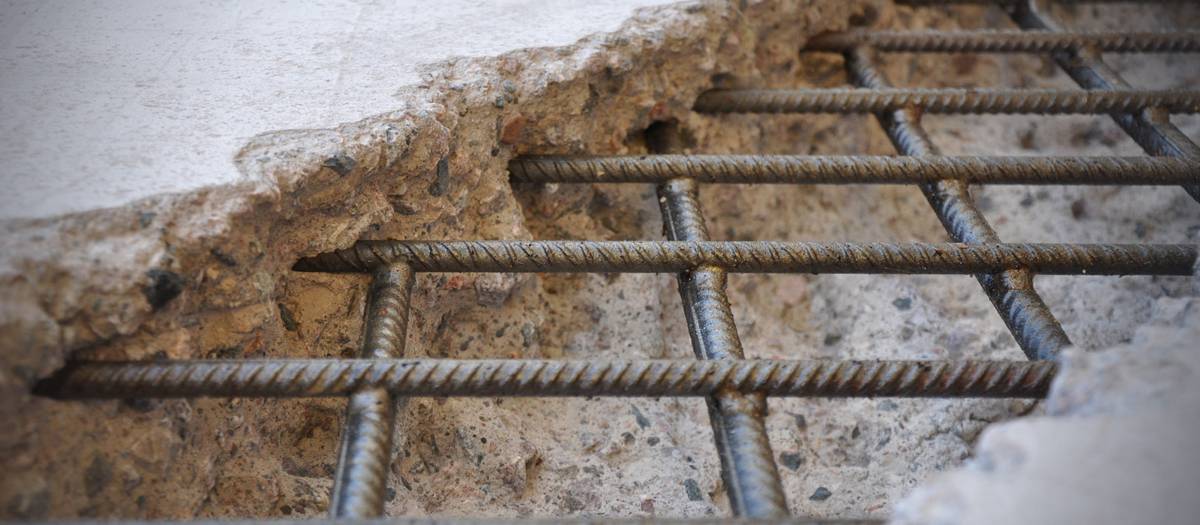
There is a sustainability argument running alongside the financial one, because Hydrodemolition removes only failing concrete, cleans and descales reinforcement without cutting into it and avoids the microfracturing that mechanical breaking induces, all of which extends the life of the surrounding structure and reduces the volume of material that has to be replaced.
Water stewardship rounds out the picture and increasingly shapes procurement. Robotic Hydrodemolition generates wastewater that must be managed, and Aquajet pairs its robots with on-site treatment systems that neutralise pH and cut suspended solids, allowing water to be recycled through a closed loop or safely released.
On congested or environmentally sensitive sites, that capability can be the difference between working and being shut down. For investors and equipment financiers watching the construction technology space, the through-line is that value is migrating from brute force towards precision, automation and environmental compliance. The manufacturers and contractors positioned around those attributes are the ones most likely to benefit as infrastructure renewal budgets are prioritised over the coming decade.
Setting The Pace
The temptation to keep running equipment that still does the job is understandable, particularly when capital is scarce, yet the competitive frame has changed beneath the industry’s feet. Contractors are no longer measured against hand tools but against rivals wielding machines that remove concrete faster, leave a better surface and demand less of the operator.
Upgrading is therefore less about keeping up and more about deciding whether to lead, since the firms adopting infinity-pattern robots, smarter control systems and durable components are quietly resetting the standard that every competitor will eventually have to meet.
For the broader infrastructure ecosystem, the direction of travel is encouraging. Precision-led Hydrodemolition delivers longer-lasting repairs, shorter disruption to road and rail users, a lower environmental footprint and a route around the skills shortage, all at once.
Those are the qualities that make the technology genuinely relevant to engineers, asset owners, policymakers and investors rather than only to the specialists who run the equipment. As renewal programmes accelerate and budgets tighten, the ability to do more with each machine hour, and to make each repair count for longer, will keep pulling the sector towards the most capable tools available.
Key Industry Questions
- What is Hydrodemolition and how does it differ from mechanical concrete removal? Hydrodemolition uses an ultra-high-pressure water jet to strip away deteriorated concrete while leaving sound material and steel reinforcement intact. Unlike jackhammers or hand lances, which rely on impact, the water process is selective and non-percussive, so it removes only weakened concrete to a chosen depth. Crucially, it does not induce the microfractures that mechanical breaking causes in the surrounding structure, and it cleans and descales rebar without damaging it. The practical consequence is a stronger, cleaner substrate for the new concrete to bond to. That combination of selectivity and surface quality is why the method has become a preferred choice for bridge decks, car parks, tunnels and other structures where preserving the underlying asset matters.
- Why do Hydrodemolition repairs last longer than conventionally broken repairs? Durability comes down to the bond between old and new concrete. Mechanical breaking leaves microfractures and an uneven, sometimes glazed surface that the repair material struggles to key into, which shortens the life of the patch. Hydrodemolition produces a rough, sound and evenly profiled surface, and the newest infinity-pattern machines make that profile more consistent by eliminating pipe holes. A better bond means the repair is far less likely to delaminate or fail early. Aquajet cites repair longevity improvements of up to three times compared with traditional methods. For an asset owner, that translates into fewer return interventions on the same structure and a materially lower whole-life maintenance cost over the decades a bridge or deck remains in service.
- What is infinity oscillation and why does it matter commercially? Infinity oscillation is Aquajet’s patented lance movement, which drives the water jet in a figure-eight rather than a conventional back-and-forth wave. A standard wave naturally slows at the end of each stroke, creating inconsistent removal and the pipe holes that weaken a bond. The figure-eight holds a constant surface speed throughout the cycle, so the jet strikes fresh material at an even rate. Commercially, that consistency removes more concrete in a single pass, reduces the need for hand-lance follow-up and improves the bonding surface. It is the technical foundation for the reported productivity gains and the longer repair life, which is why it sits at the centre of the current generation of machines rather than being a peripheral feature.
- How much productivity improvement can a contractor realistically expect? Reported gains sit at 15 to 20 per cent for contractors moving to infinity-pattern equipment, varying with the scope and nature of the work. When settings are optimised for a specific task, that figure can rise towards 50 per cent. Those numbers should be read as scope-dependent rather than guaranteed, since site conditions, concrete quality and operator familiarity all influence the outcome. The savings show up as fewer machine hours, lower fuel use and shorter site occupation, which is where the financial benefit accrues. On large or repetitive jobs the compounding effect is significant, and it is often the reduction in lane-closure or possession time, rather than the headline percentage, that clients value most.
- Does advanced robotic Hydrodemolition require highly skilled operators? The trend runs the opposite way. Older machines rewarded years of operator intuition because getting the settings right depended on experience and feel. Current machines let operators dial in parameters for a given specification, save those presets and adjust them precisely rather than by guesswork, which lowers the expertise needed to achieve a good result. Manufacturer training is structured to get a competent crew productive without requiring a Hydrodemolition veteran. That accessibility matters against a widespread shortage of skilled labour, because it widens the pool of operators a contractor can deploy and reduces reliance on a single experienced hand. A learning curve remains when adopting any new equipment, but the interfaces are designed to keep it short.
- What environmental and water-management factors need to be considered? Hydrodemolition is inherently kinder to structures because it avoids microfracturing and preserves reinforcement, which extends asset life and reduces the concrete that must be replaced. It does, however, generate wastewater that has to be managed responsibly. Manufacturers address this with on-site treatment systems that neutralise the water’s pH and reduce suspended solids, allowing it to be recycled through a closed loop or discharged safely. On congested urban sites or near watercourses, that treatment capability can determine whether a contractor is permitted to work at all. For asset owners and policymakers weighing sustainability in procurement, the method’s lower structural impact and its scope for water reuse are increasingly relevant considerations.
- Where does robotic Hydrodemolition deliver the most value? The strongest use cases are structures where preserving the underlying asset and achieving a durable repair are paramount. Bridge decks and expansion joints, elevated and multi-storey car parks, tunnels, dams, spillways and industrial concrete all suit the method well. It is particularly valuable where reinforcement must be cleaned and retained, where microfracturing would compromise structural integrity, or where selective removal to a precise depth is required. Large surface areas benefit most from the productivity of robotic equipment, while confined or difficult-access sites are increasingly served by compact and climbing systems. The common thread is that the higher the value of the structure and the longer it must remain in service, the stronger the economic case for a precision-led approach.
- How should a contractor evaluate the investment case for upgrading? The decision is best framed around total cost and competitiveness rather than sticker price. Newer machines reduce fuel, labour and maintenance costs per job, shorten project durations and produce repairs that last longer, all of which strengthen both margins and client relationships. Set against that are the capital outlay and a short transition period as crews adapt. The competitive angle is the one contractors most often overlook, since rivals bidding with current equipment can complete the same work faster and cheaper, which shapes tender outcomes over time. A realistic appraisal weighs machine utilisation, the mix of jobs in the pipeline and the value clients place on speed and repair quality, then judges the payback across the fleet rather than a single project.
Strategic Takeaways
- Repair longevity, not removal speed alone, is the decisive economic variable; a bonding surface that triples repair life reshapes whole-life cost and should weigh more heavily in procurement decisions than headline day rates.
- Precision has overtaken brute force as the source of competitive advantage in concrete removal, and contractors still bidding with older equipment risk being consistently undercut on both cost and turnaround.
- Automation is quietly solving a workforce problem; by lowering the operator skill barrier, advanced machines let firms scale output without a proportional increase in scarce specialist labour.
- Environmental compliance is becoming a gating factor rather than an optional extra, and on-site water treatment capability may increasingly determine which contractors can work on sensitive or congested sites at all.
- As infrastructure renewal budgets are prioritised over the coming decade, value in the construction technology space is migrating towards precision, automation and sustainability, positioning the manufacturers and contractors built around those attributes to benefit most.