Volvo VNX Brings Heavy-Haul Capability to North America’s Construction Fleets
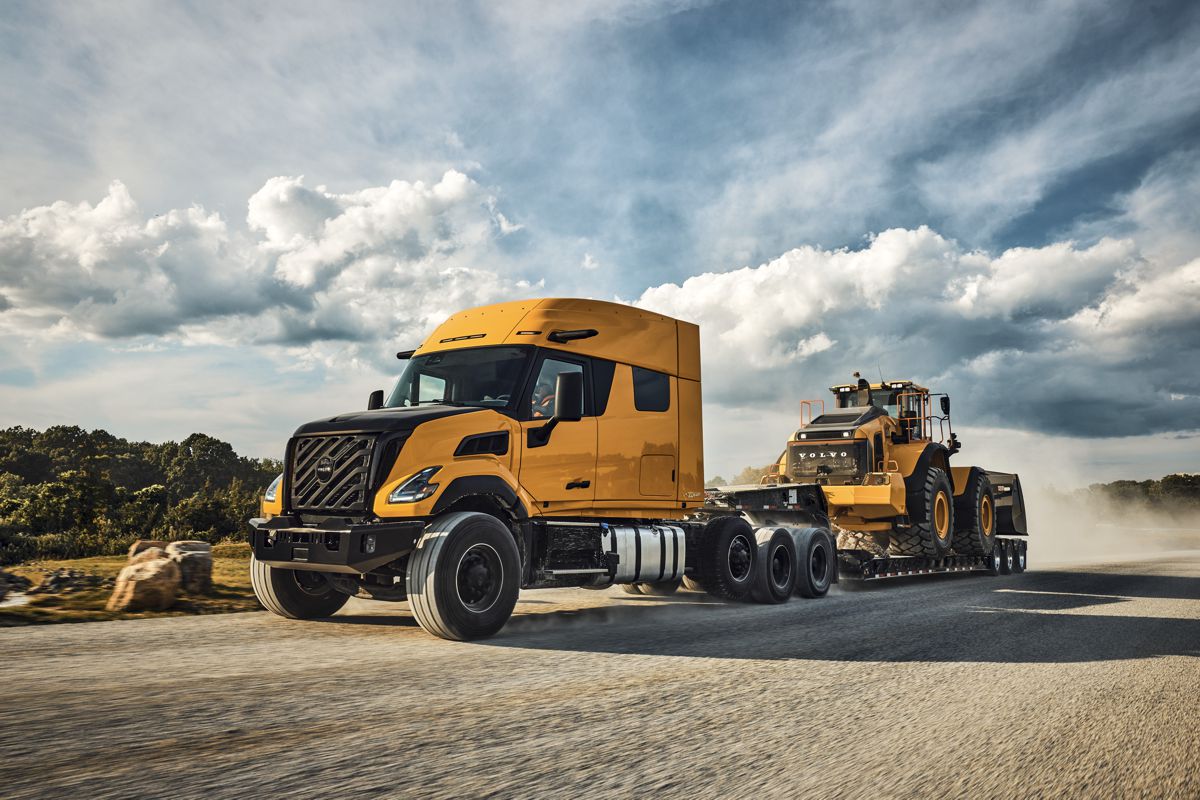
Volvo Trucks has introduced the all-new Volvo VNX for North American construction, vocational and heavy-haul operations, with gross combination weight ratings reaching 200,000 lb (90.7 tonnes), a range of specialist chassis configurations and technology designed for manoeuvring heavy vehicles in demanding operating environments.
The new VNX completes Volvo’s North American heavy-duty truck renewal programme, following the VNL in 2024 and VNR in 2025. All three models share a common vehicle architecture developed through the manufacturer’s SEK 30 billion, approximately US$3 billion, investment in product development and manufacturing.
For Volvo, the launch also represents an opportunity to expand its presence in the vocational market, where its existing share remains considerably smaller than in conventional highway trucking. Construction transport, concrete operations, heavy equipment haulage and specialist vehicle applications all place different demands on truck engineering, particularly when high operating weights must be combined with restricted access, difficult terrain and specialised equipment.
Briefing
- The new Volvo VNX targets North American construction, vocational and heavy-haul applications, with gross combination weight ratings up to 200,000 lb.
- Multiple axle configurations and three cab variants accommodate different operating and equipment requirements.
- The Volvo D13 engine delivers up to 540 hp and 1,950 lb-ft of torque, with engine braking rated at up to 630 hp.
- Remote Steer, Terrain Brake and advanced driver-assistance systems support specialist operations and low-speed manoeuvring.
- Sales are scheduled to begin on 26 October 2026, with production expected in 2027.

Chassis Engineering for Heavy-Haul Operations
The VNX has been developed around the structural and operational requirements of vocational trucking, where the relationship between chassis configuration, axle loading and equipment installation can be as important as engine output.
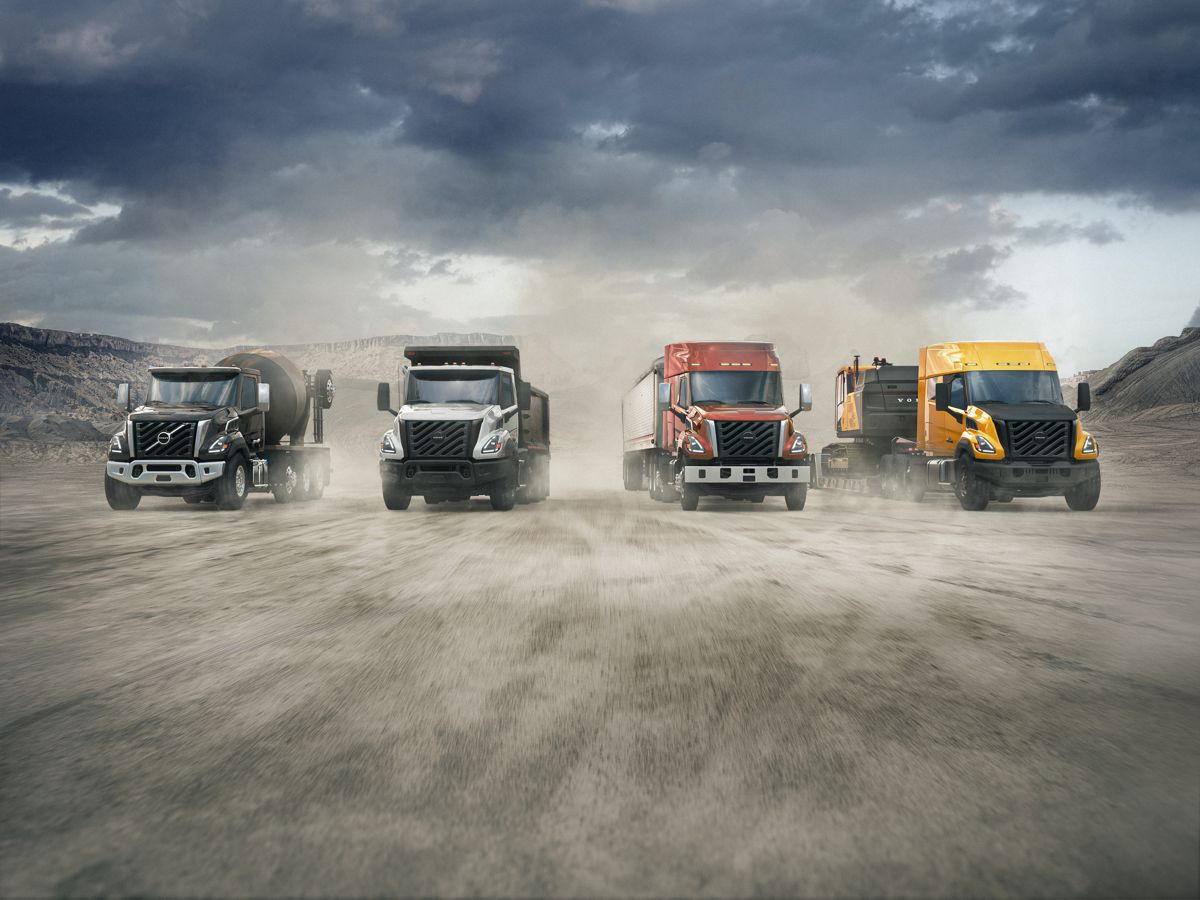
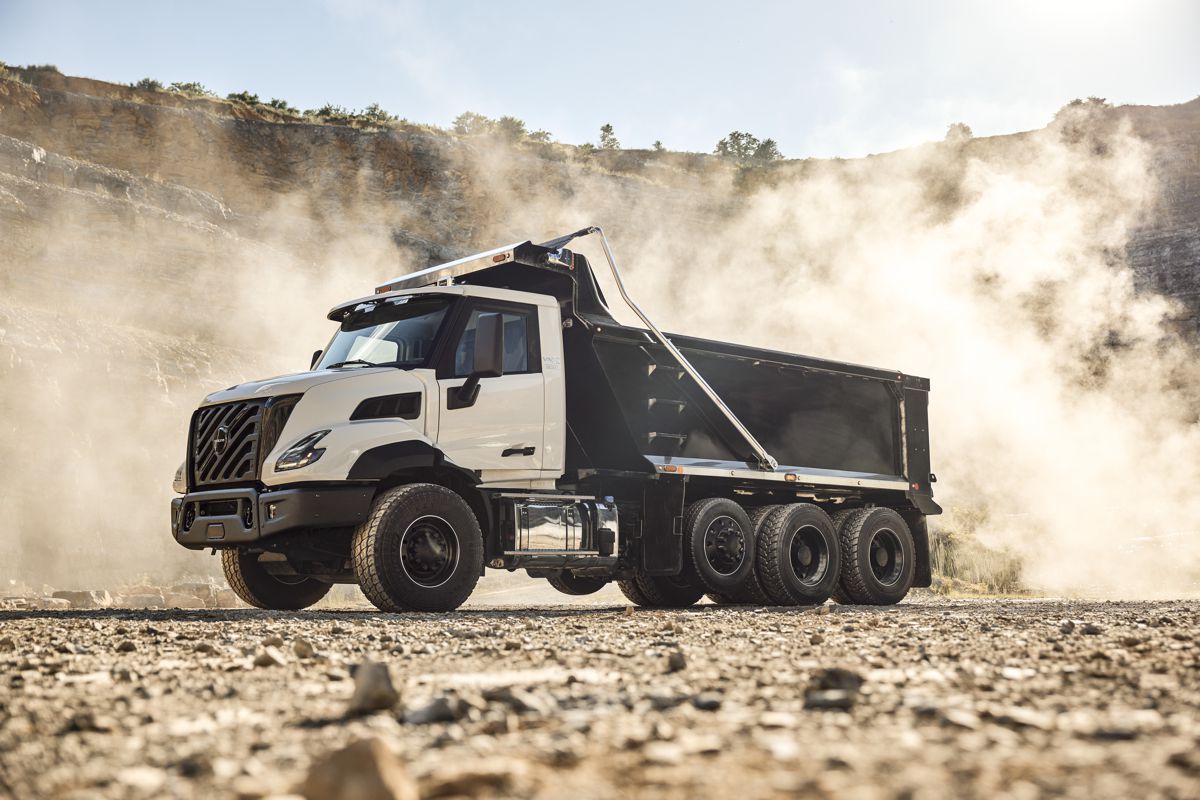
Volvo offers the new model in VNX 300 day-cab, VNX 440 with a 42-inch sleeper and VNX 640 with a 62-inch sleeper configurations. The range includes axle-forward and axle-back layouts, together with drivetrain arrangements extending from conventional 6×4 configurations to multi-axle and all-wheel-drive applications.
Gross combination weight ratings reach 200,000 lb, while gross vehicle weight ratings of up to 160,000 lb are available subject to application approval. These ratings provide a basis for heavy equipment transport and specialist vocational operations, although actual carrying capacity depends on the complete vehicle specification, axle ratings, installed equipment and applicable road regulations.
The available configurations include 4×4, 6×2, 6×4, 6×6, 8×2, 8×4 and 8×6 arrangements, giving body builders and fleet operators considerable flexibility when specifying vehicles for different duties.
Axle placement is particularly relevant in vocational work. Axle-forward and axle-back configurations influence manoeuvrability, load distribution, wheelbase selection and the space available for specialist equipment. A truck intended to transport construction machinery has different requirements from one carrying a concrete mixer, crane or other permanently mounted body.
The VNX incorporates heavy-duty steel frame rails and provisions for vocational body installation. The combination of chassis flexibility and a common electronic architecture allows Volvo to support specialist applications without developing an entirely separate vehicle platform.
Powertrain and Vehicle Control
Power comes from Volvo’s D13 diesel engine, producing up to 540 hp and 1,950 lb-ft (approximately 2,644 Nm) of torque. Engine braking delivers up to 630 braking horsepower, providing additional retardation when transporting heavy loads over extended downhill gradients.
The engine is paired with Volvo’s I-Shift automated transmission technology, including severe-duty applications where repeated starts, low-speed manoeuvring and substantial operating weights place particular demands on drivetrain components.
For construction and heavy-haul fleets, gearing and torque delivery are central to maintaining controlled vehicle movement under load. Moving a loaded combination away from rest on an incline, negotiating uneven access roads or positioning a truck beneath specialist equipment requires a different operating response from sustained highway cruising.
Volvo has also introduced Terrain Brake, a vehicle-control feature intended to assist with low-speed operation in demanding terrain. It complements the truck’s drivetrain and braking systems where precise movement and controlled positioning are required.
The D13 is certified to the US Environmental Protection Agency’s 2027 heavy-duty emissions requirements. These standards introduce more demanding controls on engine emissions, particularly nitrogen oxides, alongside requirements intended to improve emissions performance over a vehicle’s operating life.
Volvo has not published comparative fuel economy or whole-life operating-cost figures for the new VNX in the supplied launch material. Such information will be important for fleets evaluating the new model against established heavy-haul equipment.
Remote Steering and Jobsite Manoeuvring
Among the more distinctive technologies available on the VNX is Volvo Remote Steer, which allows an operator to control the truck from outside the cab at speeds of up to 5 mph.
The system is intended for operations requiring precise vehicle positioning, particularly where the driver would otherwise need to repeatedly enter and leave the cab to check clearances or coordinate movements around specialist equipment.
Construction sites, concrete operations and heavy equipment handling can involve restricted spaces where conventional mirrors and cab-mounted cameras provide only a partial view of the surrounding work area. External control gives the operator a different perspective when positioning the vehicle, although safe use remains dependent on the operating environment and appropriate site procedures.
The VNX also incorporates Volvo Dynamic Steering, which provides active steering assistance to reduce driver effort and improve control. The system is particularly relevant to vehicles operating over uneven surfaces or undertaking frequent low-speed manoeuvres.
Together, these features extend the truck’s control capabilities beyond conventional highway operation, where steering effort and vehicle positioning are generally less demanding.
Cab Safety and Driver Protection
The VNX carries forward the safety architecture introduced on Volvo’s latest North American highway models, including standard forward pedestrian detection and optional blind-spot monitoring on both sides of the vehicle.
The blind-spot system provides visual and audible warnings when a person is alongside the truck or trailer and the driver attempts to change lanes or open a door. A 360-degree camera system provides a top-down view around the cab, assisting with visibility during manoeuvring.
These technologies have particular relevance in construction environments, where workers, plant machinery and delivery vehicles frequently operate in close proximity. They supplement rather than replace site traffic management, pedestrian segregation and established safe operating procedures.
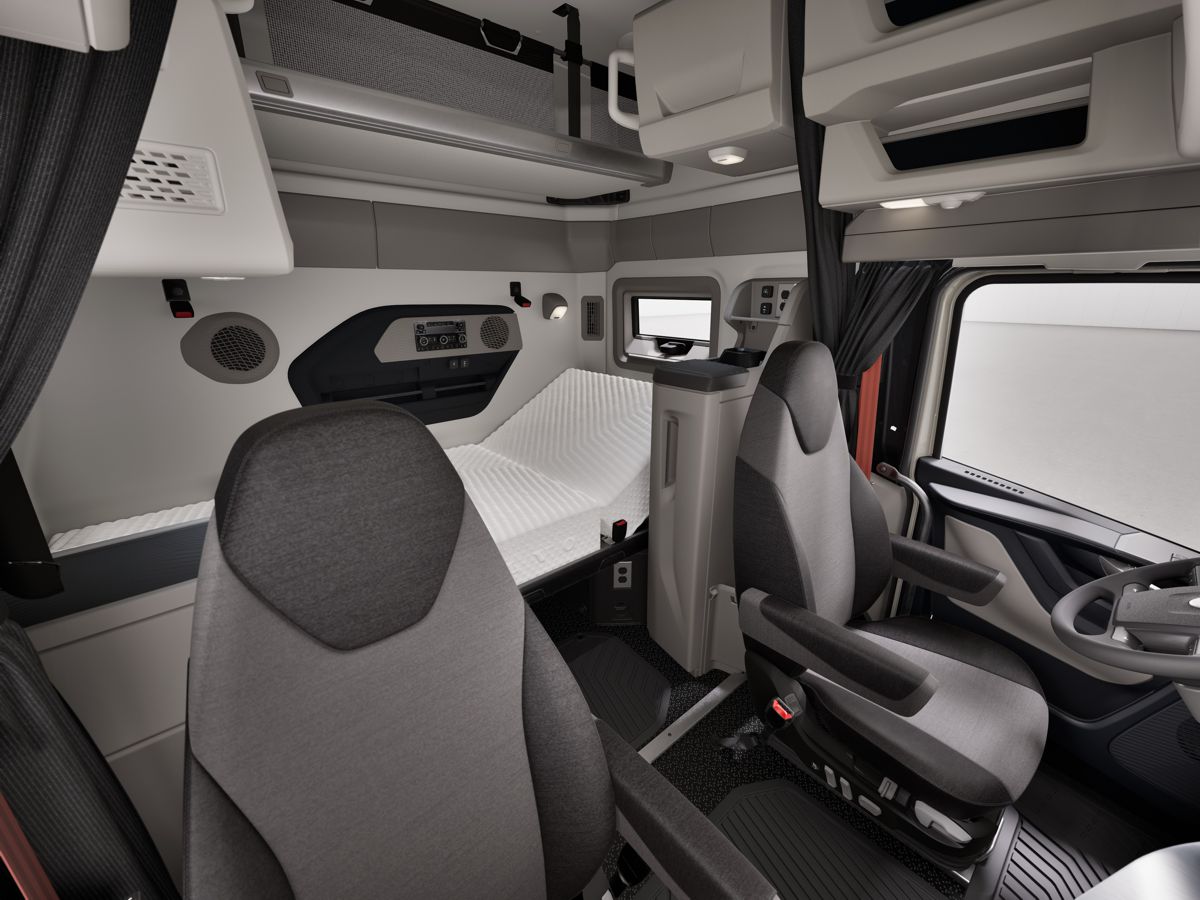
Volvo has increased the use of ultra-high-strength steel in the cab by approximately one-third compared with its previous vocational products. A driver-side curtain airbag is standard, while a passenger-side curtain airbag is available as an option.
The cab has also been engineered to reduce noise and vibration, with particular attention to driver comfort during extended operating periods. Vocational vehicles may spend substantial time on uneven surfaces, negotiating construction access routes or undertaking repeated manoeuvres that place different physical demands on drivers from long-distance highway operation.
Peter Voorhoeve, President of Volvo Trucks North America, described the VNX as the company’s most capable vocational model to date.
“This is Volvo like you’ve never seen before. The all-new Volvo VNX is the toughest, safest, most connected and most powerful vocational truck we have ever built. Designed specifically for North America and for the most demanding jobs, it marks a major step forward for Volvo Trucks in the vocational segment,” he said.
Connected Maintenance and Fleet Operations
Every VNX is equipped with a factory-installed 4G telematics gateway supporting Volvo Remote Diagnostics and Remote Programming.
Remote Diagnostics monitors vehicle systems and provides information on developing faults, allowing maintenance teams to assess potential problems before arranging repairs. Remote Programming enables supported software and vehicle parameter updates to be delivered over the air, avoiding workshop visits for certain procedures.
In construction transport, vehicle availability is closely connected to wider site operations. Trucks supplying asphalt plants, delivering aggregates or transporting equipment often work within coordinated schedules, where an unexpected breakdown can disrupt more than the individual vehicle.
Diagnostic information can help workshops identify required components, prepare for repairs and organise maintenance around planned vehicle downtime. Its effectiveness depends on the maintenance arrangements and service support available to the operator, while physical inspection and conventional servicing remain necessary.
The common electronic architecture shared with the VNL and VNR also provides consistency across Volvo’s latest North American truck families, potentially simplifying aspects of fleet maintenance and technical support for operators using multiple models.
Volvo’s North American Vocational Ambitions
The introduction of the VNX completes a substantial product renewal programme for Volvo Trucks North America, extending the manufacturer’s latest platform into a market where its existing position offers room for expansion.
Voorhoeve has previously placed Volvo’s share of North American vocational truck sales at approximately 2–3%, while describing the segment as accounting for around a quarter of the wider truck market. The figures help explain the commercial importance of a new vocational model developed around the same architecture as Volvo’s recently introduced highway trucks.
The VNX enters a market where purchasing decisions are closely tied to specialist application requirements, established body-builder relationships, service coverage and vehicle durability. Heavy-haul operators must also consider axle and combination weight limits, route restrictions and permitting requirements, which vary considerably across North American jurisdictions.
Volvo’s new chassis configurations, severe-duty drivetrain options and remote-control technology provide a broader technical offering for these applications. Their commercial performance will depend on how effectively the vehicles can be configured, supported and operated across the diverse requirements of vocational fleets.
Sales of the all-new Volvo VNX are scheduled to begin on 26 October 2026, with production expected to follow in 2027. Detailed pricing and application-specific availability will form part of the next stage of the model’s introduction.
Key Industry Questions
- What is the new Volvo VNX designed for? The VNX is a heavy-duty vocational truck developed for construction transport, concrete operations, heavy equipment haulage, agriculture and other demanding North American applications.
- What is the maximum gross combination weight of the Volvo VNX? The truck offers gross combination weight ratings up to 200,000 lb, approximately 90.7 tonnes, depending on configuration and application approval.
- Which axle configurations are available? The VNX range includes 4×4, 6×2, 6×4, 6×6, 8×2, 8×4 and 8×6 arrangements, allowing vehicles to be specified for different vocational requirements.
- How powerful is the Volvo VNX? The Volvo D13 diesel engine produces up to 540 hp and 1,950 lb-ft of torque, with engine braking capability reaching 630 hp.
- What is Volvo Remote Steer? Remote Steer allows an operator to control vehicle movement from outside the cab at speeds up to 5 mph, assisting with precise positioning in suitable operating environments.
- What is Volvo Terrain Brake? Terrain Brake is a vehicle-control feature designed to assist with controlled low-speed operation in demanding terrain.
- Does the new VNX comply with EPA 2027 emissions standards? Yes. Volvo states that its D13 engine is certified to the US EPA’s 2027 heavy-duty emissions requirements.
- When will the Volvo VNX be available? Sales are scheduled to begin on 26 October 2026, with production expected in 2027.
Strategic Takeaways
- Volvo’s shared North American truck architecture now extends across long-haul, regional and vocational applications, supporting common electronic and safety systems.
- The VNX’s range of chassis and axle configurations gives body builders and operators flexibility when specifying specialist vehicles.
- Remote Steer and Terrain Brake address the practical challenges of low-speed positioning and movement in vocational environments.
- EPA 2027 certification provides regulatory certainty for operators planning heavy-duty vehicle replacement.
- Volvo’s relatively small existing share of the vocational market leaves considerable scope for expansion, although application suitability and service support will remain central to fleet purchasing decisions.