Why Repeatable Construction Systems are Gaining Popularity
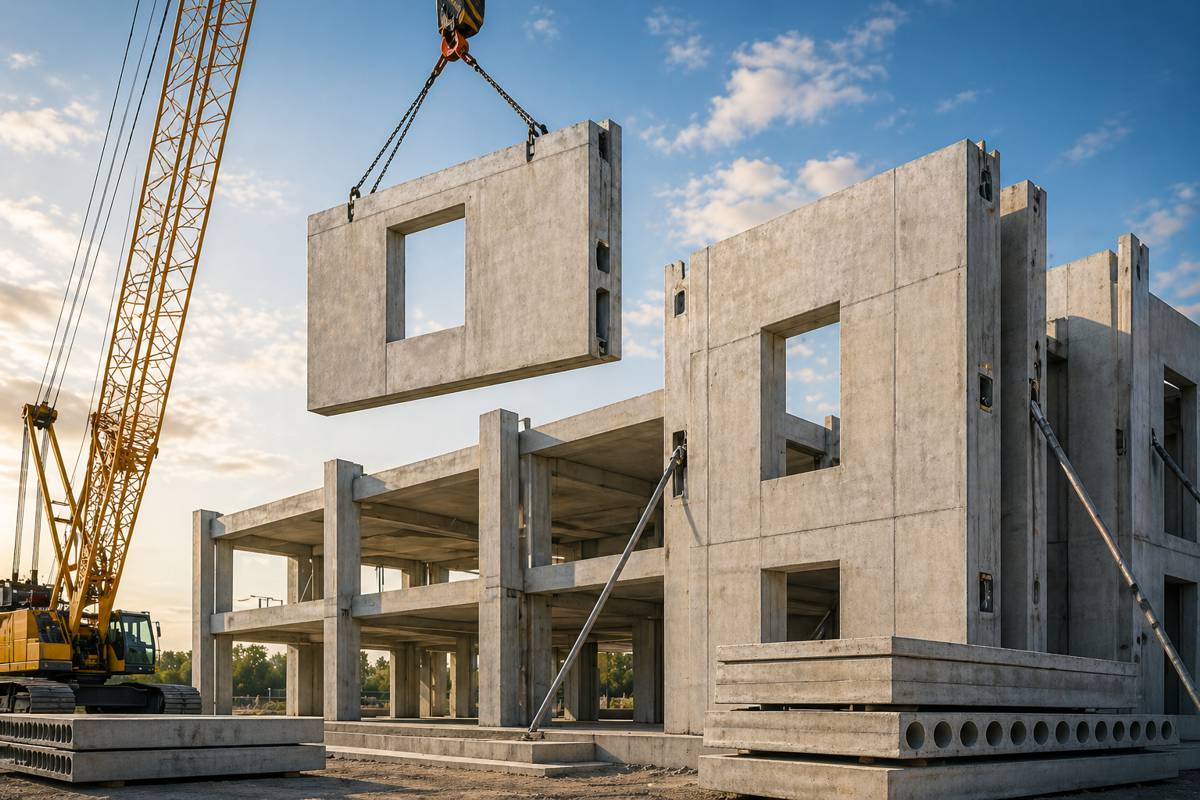
Repeatable construction systems are moving into the mainstream as the UK building sector faces pressure to deliver more, faster, and with fewer resources. These systems rely on standardised components or modular units that can be produced in controlled environments and assembled on site.
A response to housing pressure
The UK’s housing shortage has sharpened the focus on speed and scale. Government targets require a steep increase in new homes, with ambitions reaching hundreds of thousands per year. The Times and other publications reported last year that the government admitted that a “steep” rise in housebuilding would be needed to hit the target of 1.5 million new homes. This highlighted again how the industry may need to rethink traditional methods.
Repeatable systems could help address the gap by allowing developers to replicate proven designs rather than start from scratch each time. This cuts planning complexity and accelerates delivery. Modular construction, for example, can reduce build times by up to 50% (per Construction Industry Council) compared to conventional approaches.
At the same time, growth forecasts suggest cautious optimism. UK construction output is expected to rise through 2026 (the Constructions Products Association predicted 4% growth this year), even after a challenging period. That growth may depend in part on adopting faster, more scalable building methods.
Speed and certainty on site
Traditional building projects are often delayed by weather, labour shortages, and supply chain disruptions. Factory-based production changes that equation.
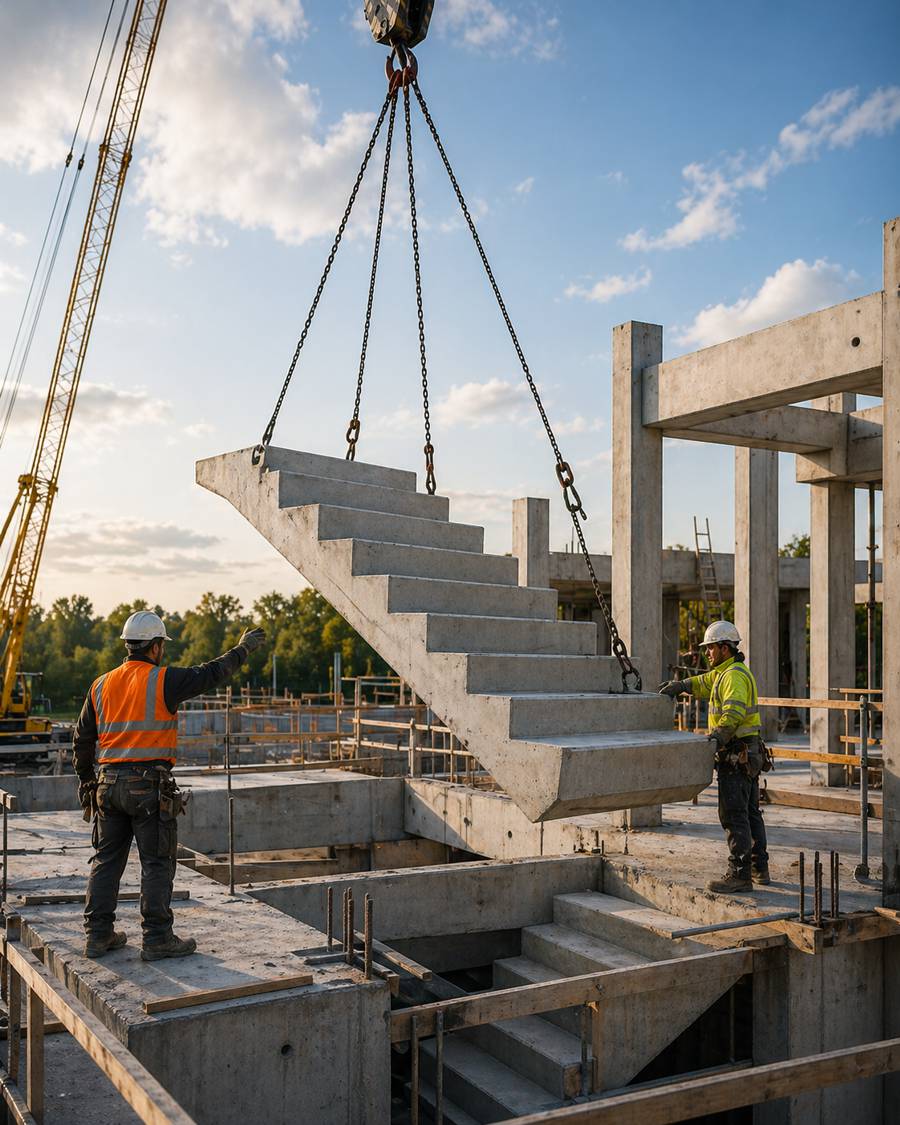
By moving much of the work off site, construction becomes less vulnerable to external disruption. Components are manufactured in parallel with site preparation, shortening overall timelines. Industry data suggests that off-site approaches can remove as much as 80% of on-site activity (Modular Building Institute (MBI), Europe’s leading body for modular construction).
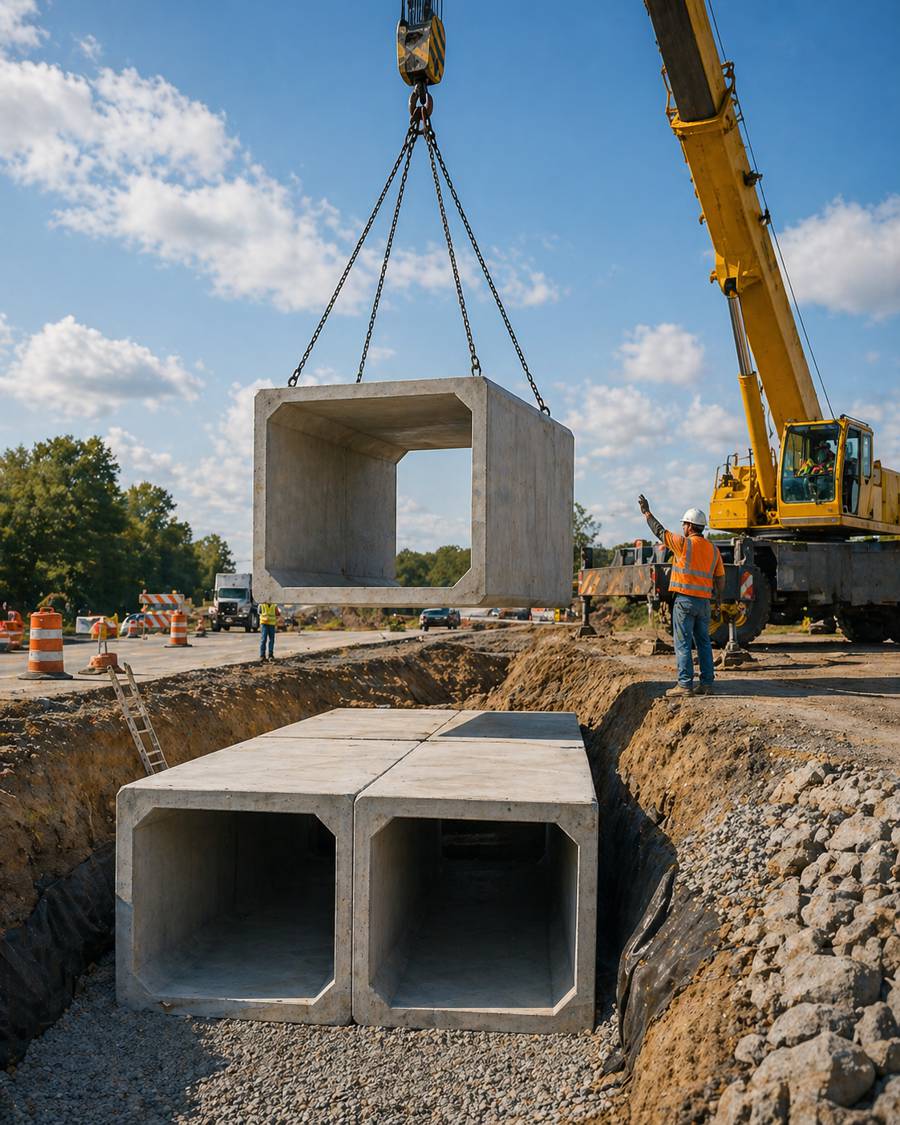
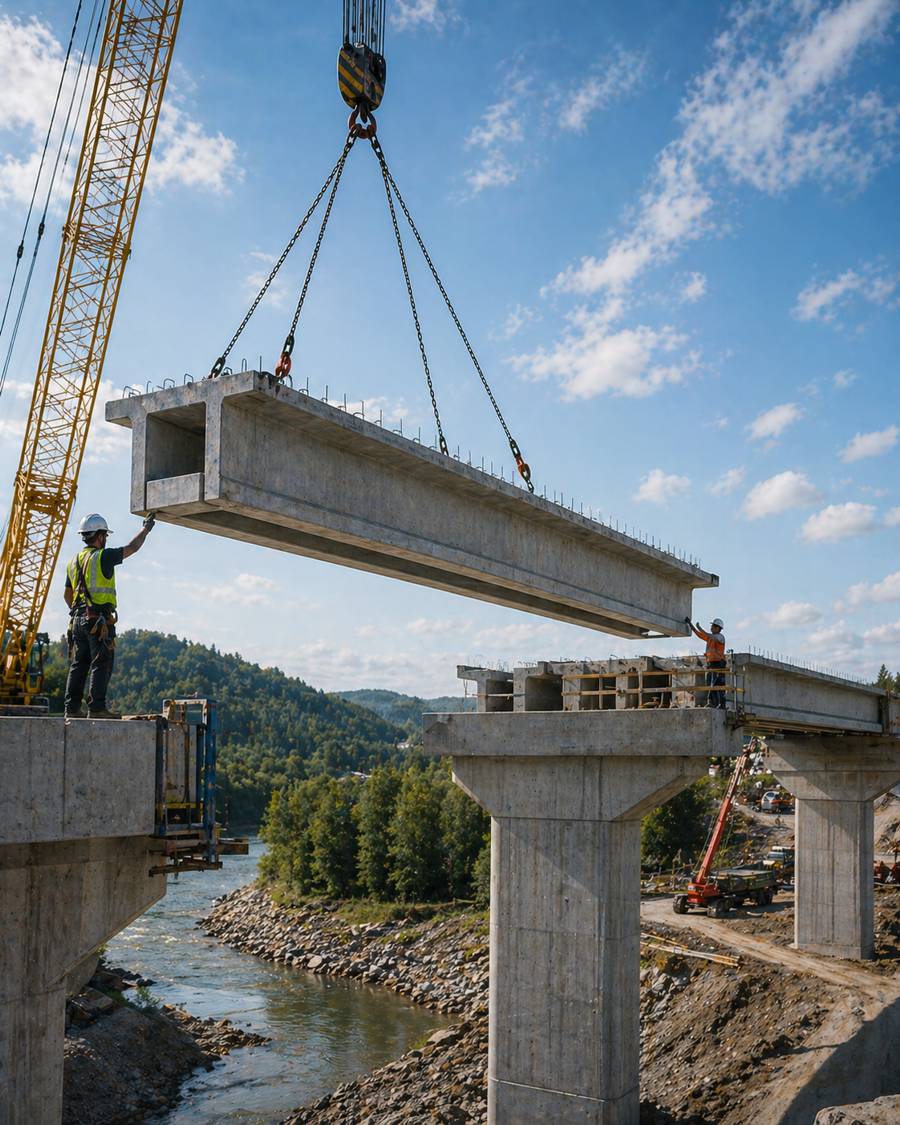
Recent off-site projects show what that looks like in practice. For example, the main contractor of a Central Bedfordshire Council project (including a 5,000 tone salt storage facility), said that JP Concrete had delivered “smooth-running and cost-effective” work. Firms like JP Concrete specialise in precast and modular solutions, with repeatability supporting consistent pricing and predictable output. This is particularly useful in sectors like infrastructure and utilities, where similar components are required across multiple sites.
That predictability is valuable for developers, investors, and public sector clients who need clearer timelines and fewer cost overruns.
Cost control in an uncertain market
There’s significant cost pressure in UK construction. Materials inflation, labour shortages, and economic uncertainty have affected project viability. The Guardian and others reported in December that falling construction activity was linked to weak client confidence and budget concerns.
Repeatable systems offer a way to stabilise costs. Standardisation reduces waste, improves procurement efficiency, and allows for better forecasting. Factory production also uses materials more precisely, limiting overruns.
Labour shortages and skills gaps
The construction workforce has been under strain for years, with fewer skilled workers entering the industry and many leaving after Brexit and the pandemic.
Repeatable construction helps reduce reliance on scarce on-site labour. Factory environments require different skill sets, often aligned with manufacturing processes rather than traditional trades. This shift can make the industry more attractive to younger workers and those with technical or engineering backgrounds.
It may also improve safety and working conditions. Controlled environments reduce exposure to weather and site hazards, which can help retain workers and improve productivity.
Sustainability and net zero goals
The UK’s plans for net zero may shape how buildings are designed and delivered. Repeatable systems support these goals in several ways. Precision manufacturing reduces material waste, while standardised designs make it easier to incorporate energy-efficient features. Modular buildings can also be disassembled or adapted more easily, extending their lifecycle.
Industry trends show growing demand for low-waste, high-efficiency construction methods, particularly in housing, education, and healthcare projects.
Takeaway
The direction is clear: as demand increases and technology improves, repeatable construction is becoming a practical response to long-standing industry problems.