The Everyday Technology Keeping Transport Systems Connected
The US is an ever-connected sprawl. It might not feel like it when we spend our hours waiting for inter-state flights and in unexpected mid-west layovers – but, undeniably, we are better-connected than we’ve ever been. And we have a great deal of technology to thank for such connectivity.
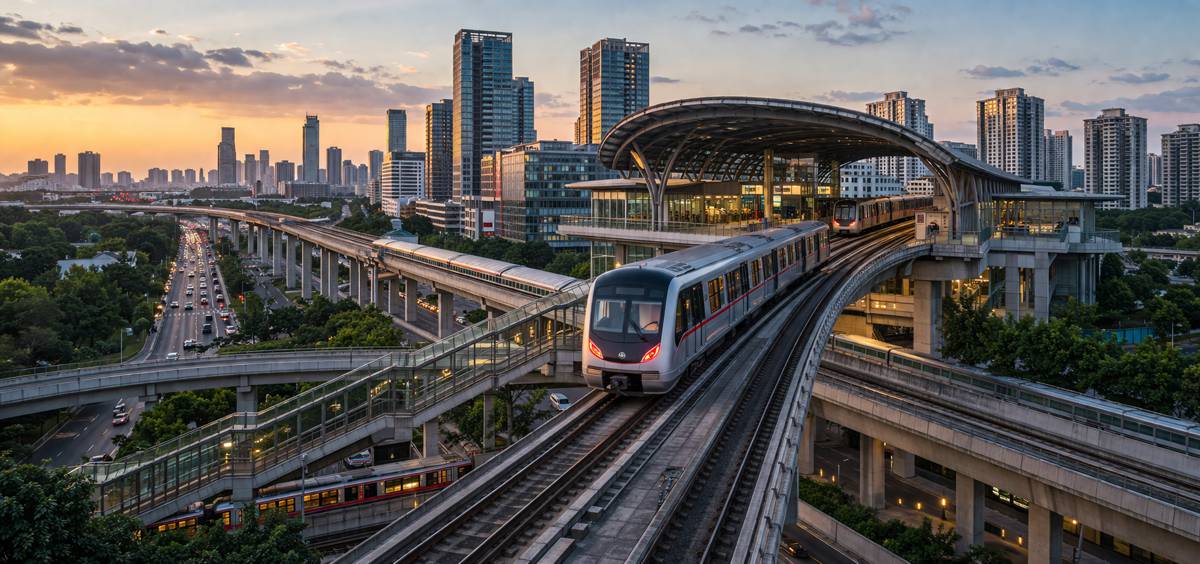
The internet is one thing but physical connectivity is forever. As much as Amtrak trains might fill the less-interested mind with ideas of slow movement, vast countryside and rough commutes, such travel is extremely well-advanced.
It shares much with roads and other forms of rail-based public transport, in that such shared technologies enable our country to keep on moving; to function, safely and reliably.
While it’s easy to think of transport in basic terms, of vehicles, journeys and the waits they inspire, there’s a great deal more going on behind the scenes. There are a great deal of less-visible systems, that keep everything working behind the scenes. What are these systems, and how do they continue to operate?
What Keeps Our Transport Systems Running Smoothly?
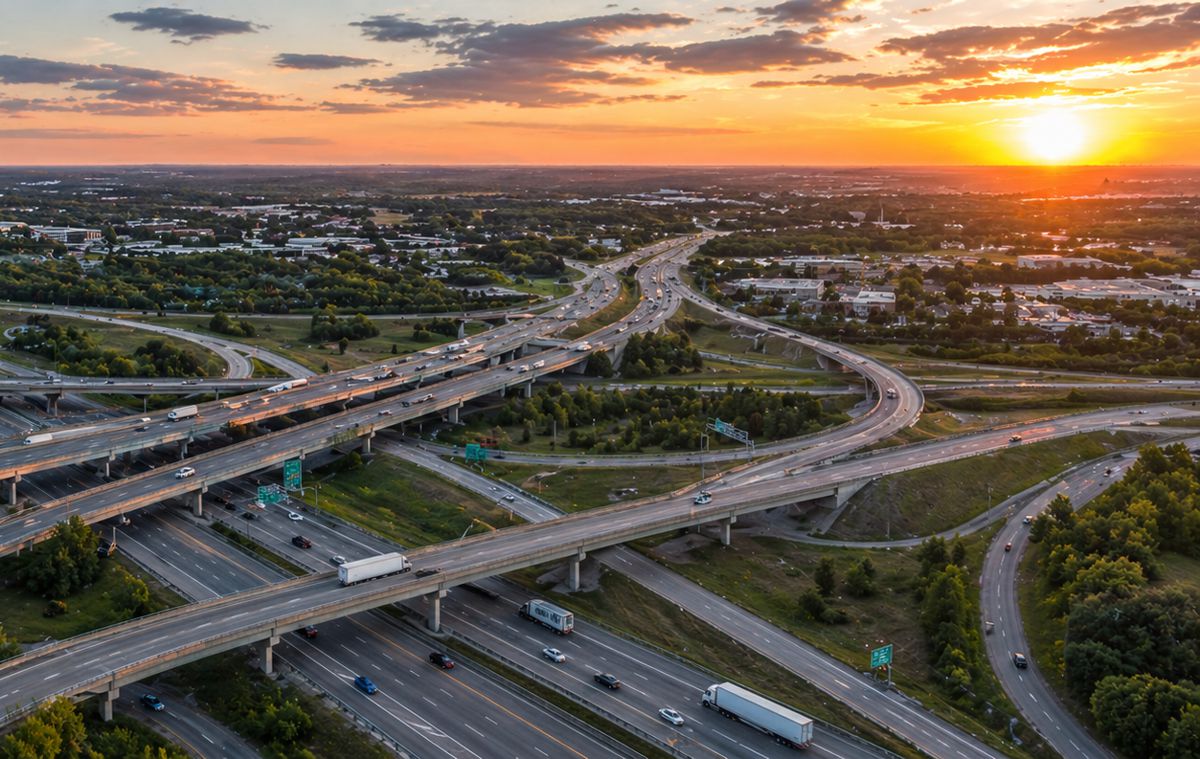
Modern transport in the USA depends on a lot more than just vehicles, tracks and human ingenuity besides. There is a monstrous network of power conduits, signal chains and communication systems that communicate across, and often between, various different types of transport.
When it comes to public transport systems utilized by millions of people each and every day, it becomes abundantly clear how that network of contemporary technology is of vital importance to protect its users.
The Technology Shared by Roads and Railways
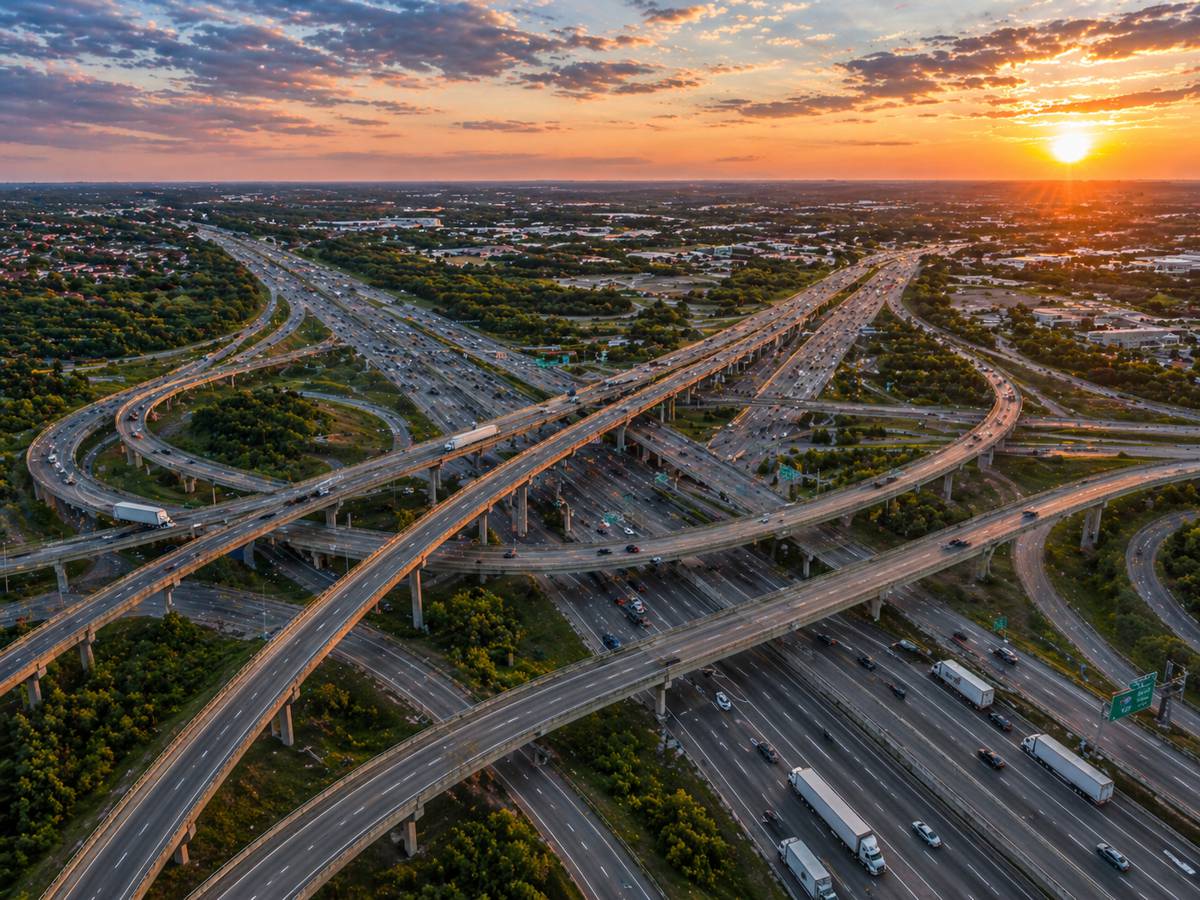
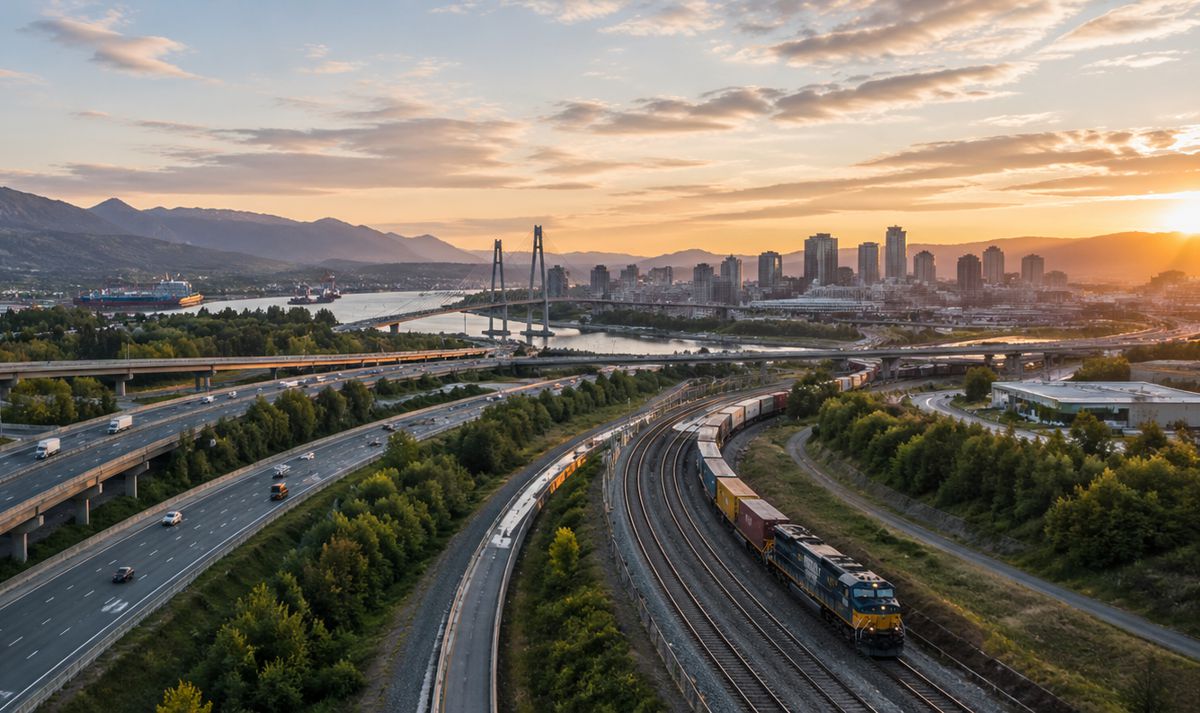
That same network must also, necessarily, extend across a private network, so to speak. Public as roads and highways are, they constitute crucial transport infrastructure that must also communicate with public transport systems for safer operation 24/7.
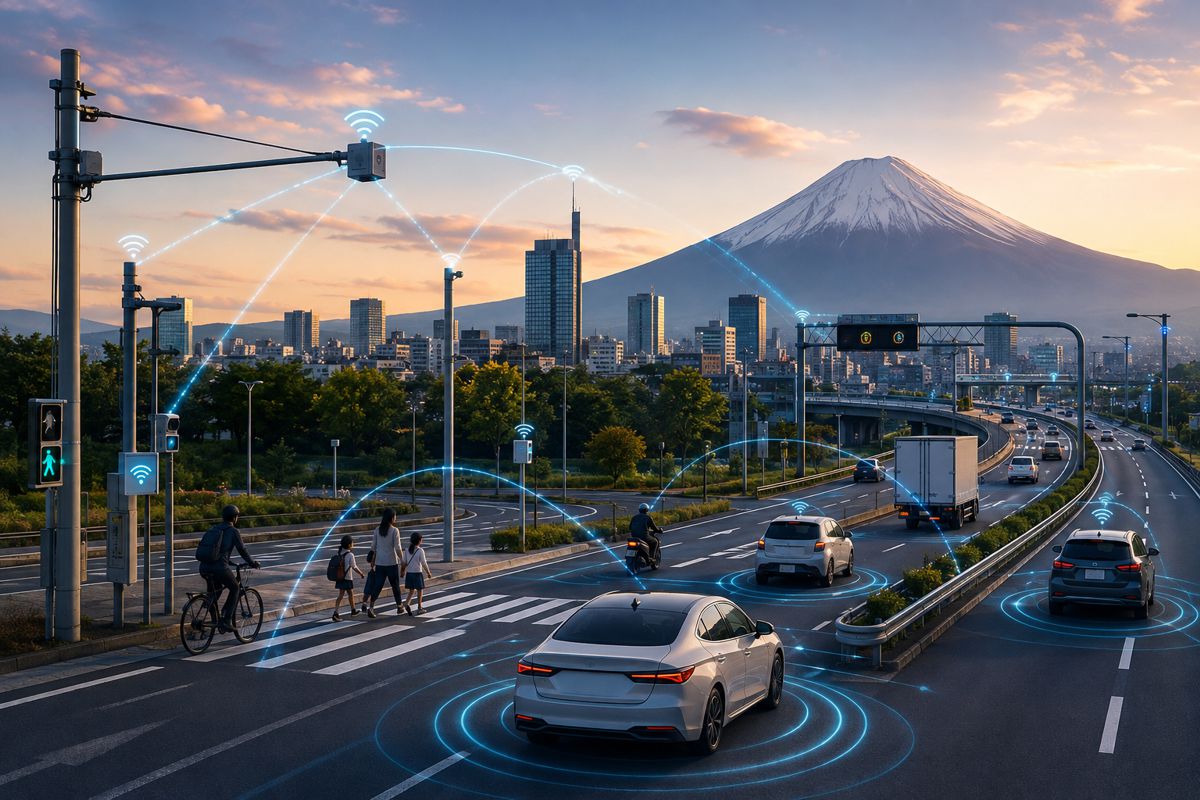
Though highways and rail networks may look different, they rely on similar underlying electrical systems – which often intersect in useful and interesting ways.
One crucially important way is that of secure interconnections, which allow varying transport systems to communicate and respond quickly to one another. Across transport networks, dependable electrical connectors link vital signals, enabling working vehicles to maintain operational superiority over one another.
Safety and Everyday Travel
Such technology is often taken well for granted, given the smooth activity of such often-used transport links as the San Francisco cable-car network or the New York subway. But the strong, well-designed technologies that enable such transport networks are deep and robust, designed just as much to help prevent breakdowns and service disruptions as they are to improve citizens’ lives.
The impact that reliable transport systems can have on passenger outcomes is near-impossible to measure, except by a variety of individual metrics – including time-to-arrival, customer satisfaction and various tech-related stats. The end-goal for any transport system is safety above all else; passenger confidence and smooth journeys will, most assuredly, follow.
Why investing in dependable core technologies benefits both operators and the public.