From Haul Road to Smelter: Pedestrian Alert Technology Finds a Wider Market
A pedestrian detection system built for the mining sector has been fitted across a mixed fleet of forklifts, skid steer loaders, cranes and backhoes at a mining and smelting complex in northwest Queensland, and the deployment says more about the direction of industrial safety technology than any single installation might suggest.
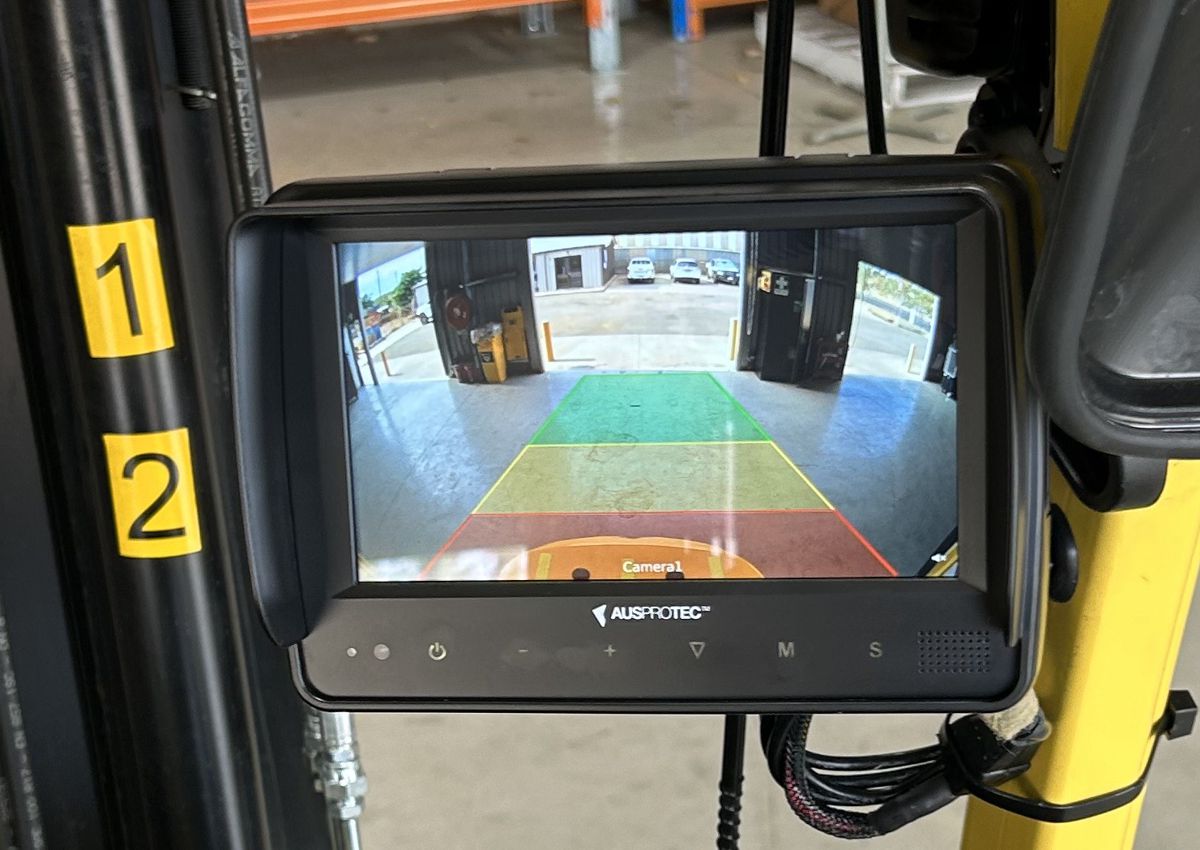
RCT, now operating as RCT – Powered by Epiroc, has rolled out its Pedestrian Alert System (PAS) at the site to sharpen operator awareness in the congested, high-noise zones where people and heavy machinery share the same ground. The significance lies less in the individual machines and more in where the technology is now being asked to work: not on haul trucks in the open pit, but in the tight, cluttered processing and materials-handling environments where a smelter operates and where the margin for error is thin.
Vehicle interaction remains one of the most stubborn causes of serious injury across mining, quarrying and heavy industry, and regulators have made clear that traditional controls, on their own, are no longer considered sufficient. A camera-based system that identifies people without requiring them to wear tags or vests, and that can be retrofitted across equipment of different makes and ages, addresses a practical problem operators have wrestled with for years.
It lowers the barrier to fitting proximity awareness across an entire mixed fleet rather than a handful of flagship assets, and it does so in a setting where noise, dust and constant foot traffic make conventional awareness measures harder to rely on. That combination of retrofit flexibility and industrial durability is what makes the deployment worth the attention of anyone responsible for site safety, procurement or fleet strategy.
Briefing
- RCT – Powered by Epiroc has deployed its Pedestrian Alert System across forklifts, skid steer loaders, cranes and backhoes at a northwest Queensland mining and smelting complex, extending camera-based detection beyond the haul road and into processing environments.
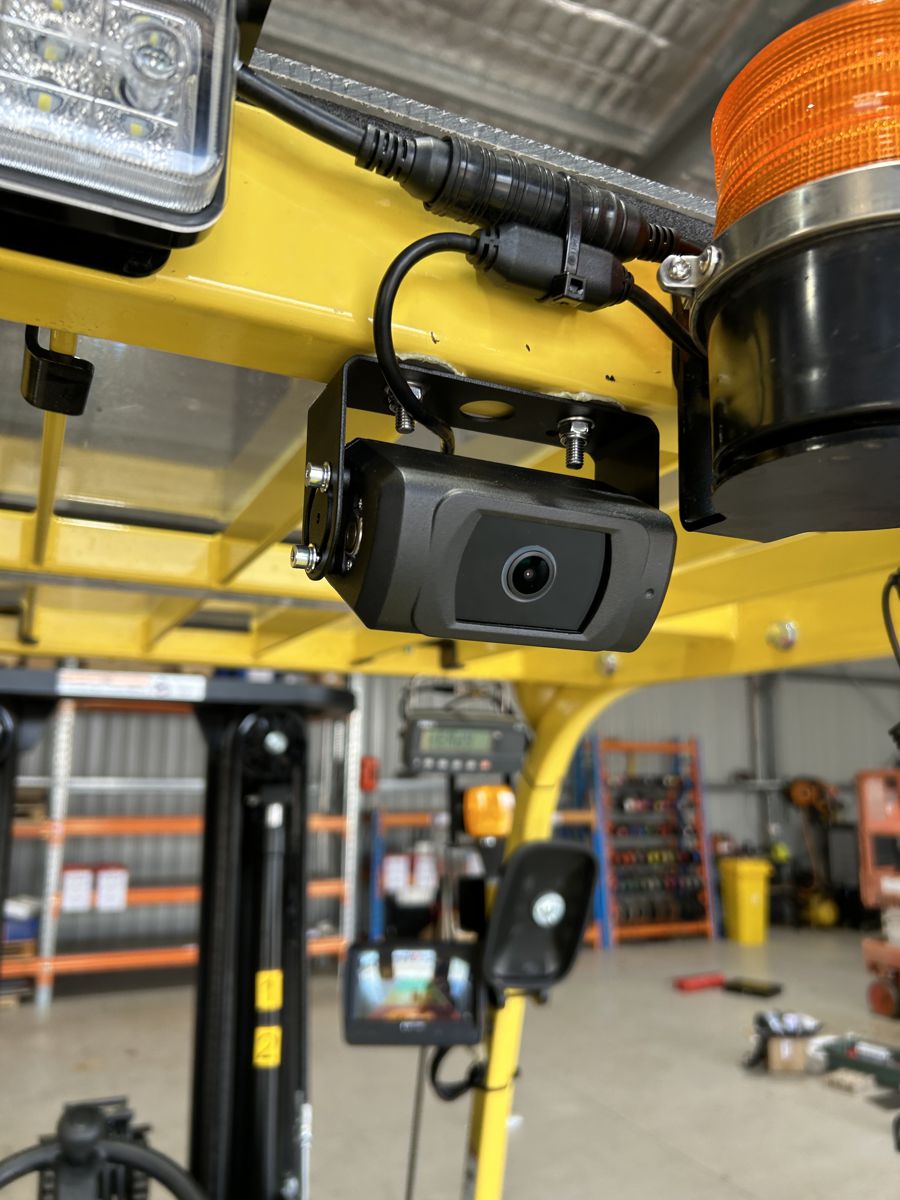
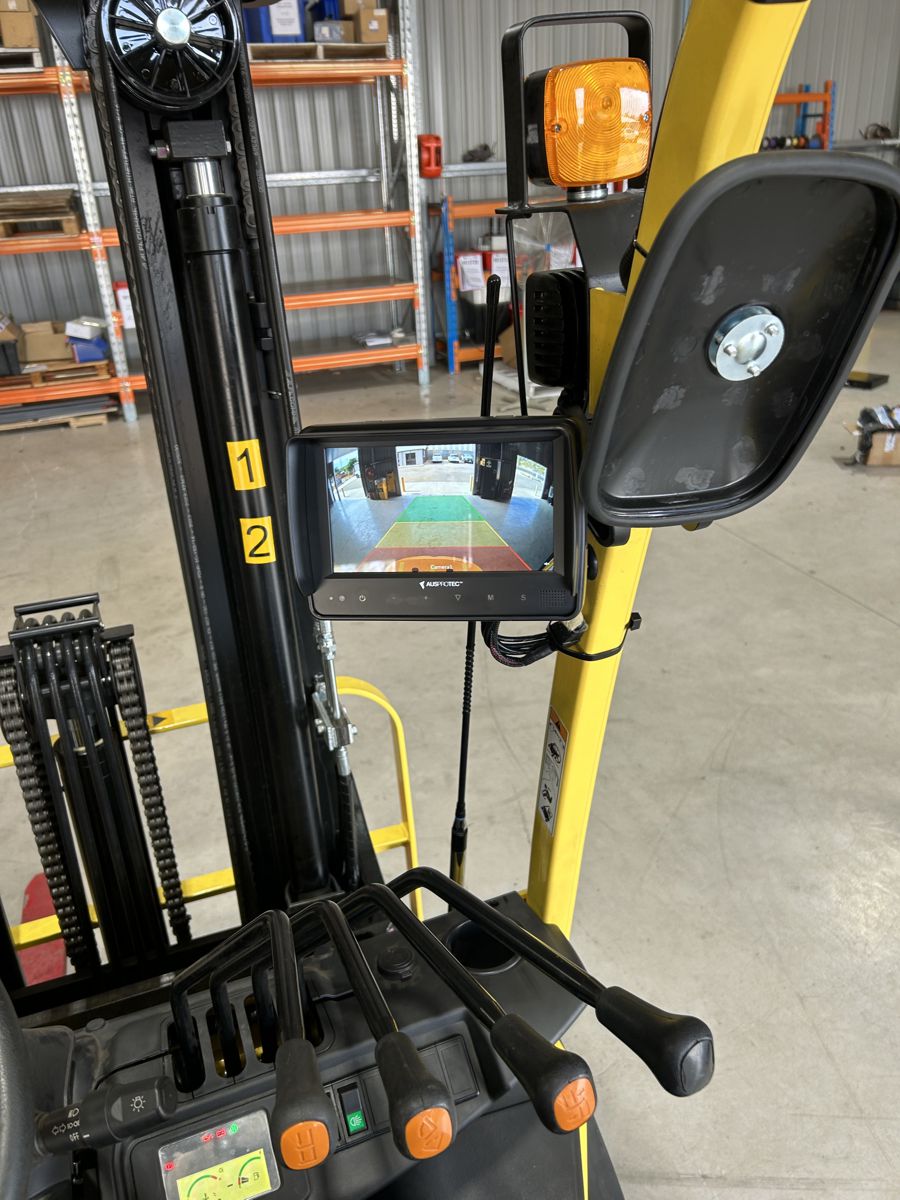
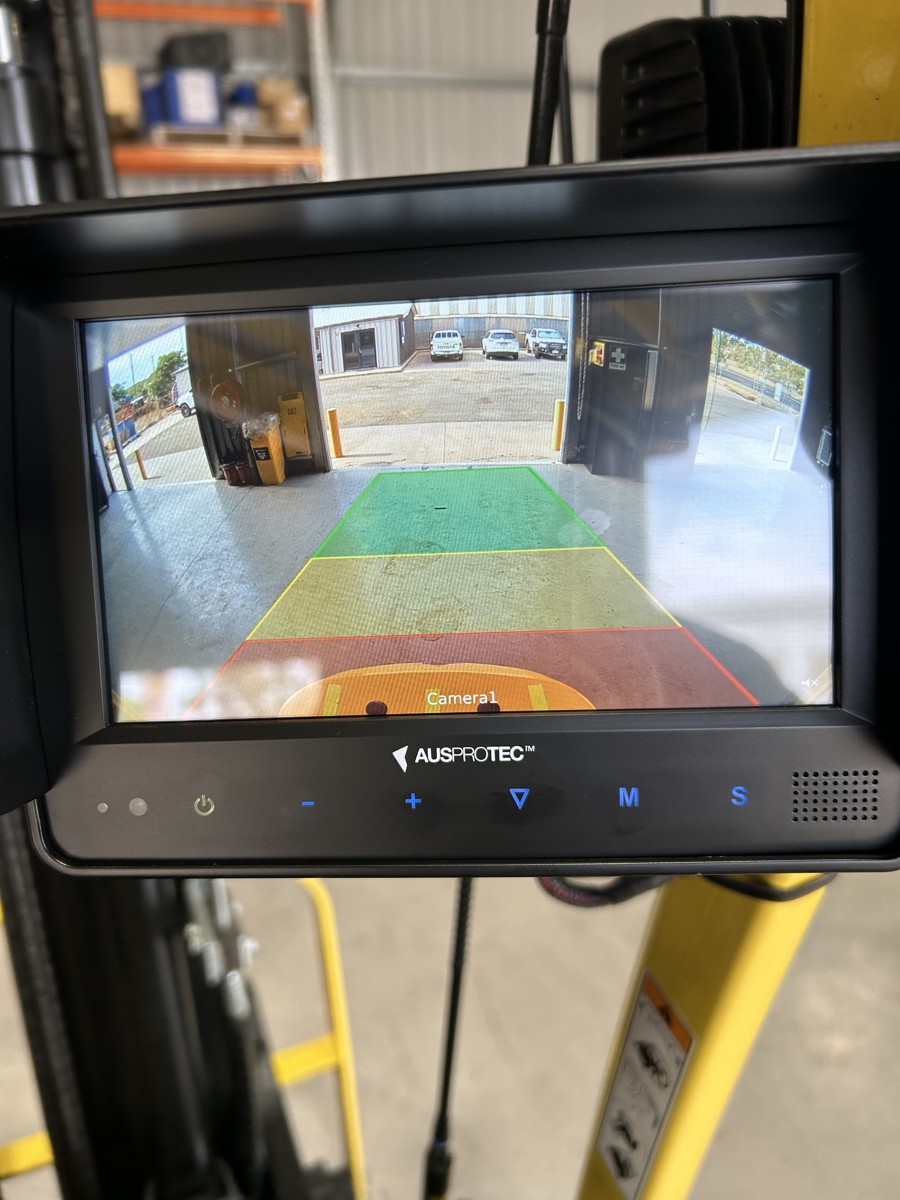
- PAS uses camera intelligence to identify human-like forms without wearable devices, with configurable detection zones and escalating visual and audible alerts based on how close a person is to the machine.
- The system was set to trigger when someone enters a three-metre exclusion zone, in line with the site’s own procedures, and was adapted with external audible and visual alarms on selected machines to remain effective in high-noise conditions.
- Wearable-free, OEM-agnostic detection lowers the cost and complexity of fitting proximity awareness across an entire mixed fleet, rather than restricting it to a few high-value assets.
- The rollout sits within the operator-awareness tier of the industry’s layered approach to vehicle interaction, complementing, rather than replacing, higher-level intervention systems such as full collision avoidance.
Why Wearable-Free Detection Changes the Economics of Fleet Safety
The commercial appeal of the Pedestrian Alert System rests on how it identifies people. Rather than depending on radio tags, transponders or high-visibility devices carried by each worker, PAS uses camera intelligence to recognise human-like forms within the camera’s field of view. That distinction matters far more than it first appears. Tag-based proximity systems require every person on site to carry a functioning, charged device, and they falter the moment a contractor, visitor or delivery driver arrives without one.
A camera system that detects the human form directly removes that dependency, closing a gap that has long undermined the reliability of wearable-led approaches in busy industrial settings.
For fleet owners, the economics shift accordingly. Because the technology is designed to work across different machine types regardless of manufacturer, it can be applied to a mixed fleet of forklifts, loaders, cranes and backhoes without the operator having to standardise on a single equipment brand or replace older assets. That agnostic, retrofit-first philosophy has been central to RCT’s identity for decades and became a strategic asset for Epiroc when it acquired the Perth-based company in a deal announced in October 2022 and completed the following December.
RCT was folded into Epiroc’s Parts and Services division, and the pairing gave the Swedish group a mature, brand-independent portfolio of protection, automation and remote-control systems to sell into fleets it did not originally supply. A pedestrian detection product that scales across an entire yard, rather than a single premium machine, fits squarely within that aftermarket logic and broadens the addressable market well beyond new-equipment buyers.
Where the System Sits in the Safety Control Hierarchy
Understanding the value of PAS requires placing it within the framework the industry uses to think about vehicle interaction. The Earth Moving Equipment Safety Round Table, formed in 2006 to give mine operators a collective voice in how equipment is designed, developed a nine-level model of control effectiveness that has become the reference point for the sector.
The lower levels cover site design, segregation and procedures; the upper three cover technology, with Level 7 providing operator awareness, Level 8 offering advisory controls, and Level 9 delivering intervention, where the system can slow or stop a machine without operator input. A camera-based alert system that warns the operator to the presence of a person sits within the operator-awareness tier, giving the person in the cab more time to recognise and respond to someone nearby.
That positioning is a strength rather than a limitation, because effective safety depends on layered defences rather than any single control. Operator-awareness technology is faster to deploy, less costly to fit and better suited to the varied, lower-speed machines found around a smelter than the full intervention systems designed for high-speed haulage.
The group’s wider portfolio already reaches the top of the hierarchy through higher-tier collision avoidance, and the international standard ISO 21815 governs how third-party detection systems communicate with machine controls so that intervention can be executed reliably across mixed fleets. Read together, the picture is one of a supplier able to meet an operator wherever it sits on the maturity curve, offering awareness-tier protection where that is the proportionate control and intervention-tier systems where the risk profile demands more.
Adapting the Technology to the Realities of a Smelter
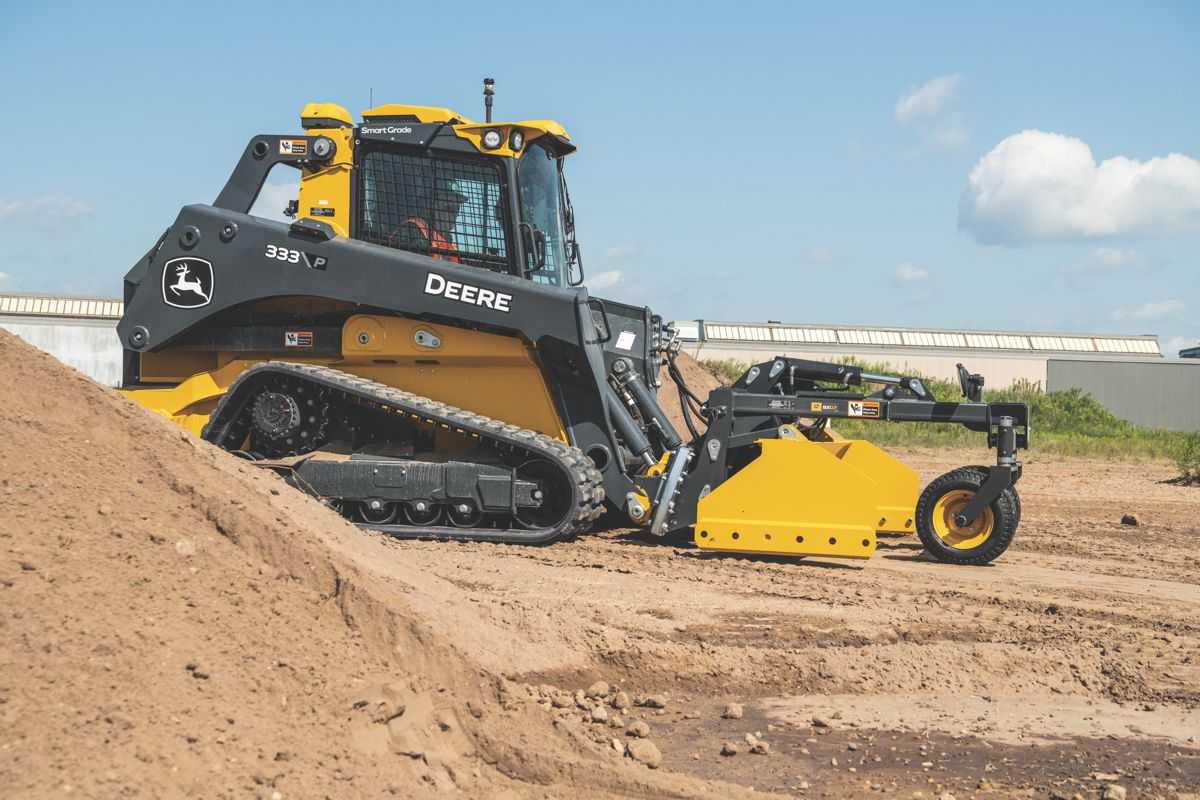
The choice to fit PAS to forklifts, skid steer loaders, cranes and backhoes, rather than to production haul trucks, is telling. These are the workhorses of materials handling and maintenance, and they operate in exactly the kind of congested, mixed-traffic areas where pedestrians and machines are most likely to cross paths.
A site representative explained that the driver behind the installation was straightforward, noting that “The main reason for installing the PAS is to manage interactions between people and mobile equipment,” and that “The system alerts operators when someone enters a 3m exclusion zone, as required by our site procedures.” Aligning the alert threshold to an established three-metre exclusion zone shows the technology being used to reinforce an existing rule rather than to impose a new one, which is often the difference between a control that workers accept and one they resent.
Making the system work in a smelter also meant confronting the environment head-on. High-noise settings can drown out the standard in-cab alerts that a pedestrian detection system relies on, so on selected machines the deployment added external audible and visual alarms to keep the warnings effective where ambient noise is high.
The site representative described a process of iterative refinement, observing that “The system has been adapted as we’ve learned what works best in our environment,” and praising the local support behind the rollout with the comment that “Customer service has been excellent; I can’t fault the team or the support I’ve received.” Those adaptations, backed by RCT’s Mount Isa team, underline a point that procurement leaders know well: the hardware is only part of the value, and the ability to tune a system to real operating conditions often determines whether it delivers in practice.
The Regulatory Current Pulling Detection Technology Forward
Demand for systems of this kind is being reinforced by a regulatory environment that has grown markedly more assertive. In Queensland, Resources Safety and Health Queensland has repeatedly flagged that vehicle interactions with other vehicles, pedestrians and plant remain a significant cause of serious accidents, and its guidance on collision prevention presses operators to treat every plausible interaction scenario as a hazard to be designed out.
The regulator’s own analysis of fatalities involving loaders at surface mines and quarries found that incidents tended to occur during routine loading activities when the operator simply did not know a pedestrian was nearby, precisely the failure mode that operator-awareness technology is built to address.
The legislative direction has hardened that expectation further. The Resources Safety and Health Legislation Amendment Act 2024 introduced a requirement for mine and quarry sites to embed critical controls within their safety and health management systems, moving controls that were previously applied voluntarily into the realm of formal obligation, with industry given until mid-2026 to comply.
For operators, that reframes proximity awareness from a discretionary upgrade into part of a defensible control framework, and it strengthens the case for fitting detection technology across the fleet ahead of the deadline. Suppliers positioned to retrofit awareness-tier systems quickly and across mixed equipment stand to benefit as sites work to demonstrate that their critical controls are both selected and verified.
What the Deployment Signals for Industrial Safety Technology
Taken as a whole, the smelter installation is a small window onto a larger shift. The same detection technology developed for the mining sector is proving directly transferable to heavy industrial and construction-adjacent environments, and the machines being protected, forklifts, loaders, cranes and backhoes, are common far beyond mining, on construction sites, in ports, in logistics yards and across manufacturing.
As the cost of camera intelligence falls and the wearable-free approach removes a persistent adoption barrier, the logic that has driven proximity awareness in mining looks set to spread into any setting where people and mobile plant share space. For Epiroc, that widening addressable market is exactly the kind of recurring, services-led revenue its acquisition of RCT was designed to capture, and the retrofit model means growth is not tethered to new-equipment sales cycles.
For infrastructure owners, contractors and investors, the strategic reading is that machine safety is steadily becoming a software and sensing proposition layered onto existing fleets, rather than a feature reserved for the newest assets. That trend rewards suppliers with agnostic, scalable platforms and durable field support, and it points towards a future in which awareness-tier detection is a baseline expectation on mobile plant, with higher-tier intervention reserved for the highest-risk applications.
The Queensland deployment will not, on its own, reshape the sector. What it illustrates is how quickly proven safety technology can migrate from its original niche into the wider industrial economy once the economics and the regulations align, and that migration is the development worth watching.
Key Industry Questions
- How does a camera-based pedestrian detection system differ from tag-based proximity systems? Tag-based systems rely on every person carrying a powered device such as a transponder or RFID tag, and they only detect people who are equipped and whose devices are working. A camera-based system such as PAS identifies the human form directly within the camera’s field of view, so it can detect contractors, visitors and delivery drivers who arrive without any wearable. That removes a well-known weakness of tag-led approaches, where an unequipped or flat-battery device leaves a person invisible to the system. The trade-off is that camera systems depend on line of sight and clear fields of view, which is why detection zones are configured carefully and why external alarms are sometimes added in demanding conditions.
- Why fit the system to forklifts, cranes and backhoes rather than haul trucks? Materials-handling and maintenance machines operate in the most congested parts of a site, where people are constantly on foot and interactions are most frequent. Haul trucks tend to run on defined roads with established segregation, whereas forklifts, skid steer loaders, cranes and backhoes work in yards, around stockpiles and inside processing areas where pedestrians and machines mix closely. That makes them a higher-value target for operator-awareness technology. Fitting detection to these lower-speed, high-interaction machines addresses the interaction scenarios that regulators have repeatedly identified as leading causes of serious injury, and it does so in exactly the environments where conventional controls such as signage and procedures are hardest to enforce consistently.
- What does the three-metre exclusion zone actually do? The three-metre threshold is the point at which the system escalates its alert to warn the operator that a person has entered a zone the site considers too close for safe operation. It reflects the site’s own procedures rather than an arbitrary setting, which means the technology reinforces an existing rule instead of introducing a new one. Configurable detection zones allow operators to tailor the distance and the escalation behaviour to different machines and tasks, so a crane working in a fixed position and a forklift moving through a yard can be set up differently. The aim is to give the operator earlier recognition and more time to respond before an interaction becomes an incident.
- Where does this technology sit within recognised safety frameworks? The Earth Moving Equipment Safety Round Table framework describes nine levels of control for vehicle interaction, with the upper three covering technology: operator awareness, advisory controls and intervention. A system that alerts the operator to a nearby person sits within the operator-awareness tier, providing warning rather than automatically taking control of the machine. This is a proportionate control for many lower-speed applications and complements, rather than replaces, higher-level intervention systems that can slow or stop a machine. Effective safety relies on layering these controls together, from site design and segregation through to awareness and, where the risk justifies it, automated intervention governed by standards such as ISO 21815.
- How does Epiroc’s ownership of RCT affect the offering? Epiroc acquired RCT, announced in October 2022 and completed that December, and placed it within its Parts and Services division. RCT brought a mature, brand-independent portfolio of automation, remote-control and protection systems developed over decades, along with a global customer base spanning more than seventy countries. For Epiroc, the acquisition added an aftermarket business capable of retrofitting technology onto fleets it did not originally supply, which broadens the market well beyond buyers of new equipment. For operators, it means detection and awareness products are backed by a large group with global reach and local field support, while retaining the OEM-agnostic flexibility that lets the technology be fitted across mixed fleets.
- What is driving demand for pedestrian detection in mining and heavy industry? Two forces are converging. Regulators have made clear that vehicle interaction remains a leading cause of serious accidents and that traditional controls alone are no longer considered robust enough, with Queensland among the jurisdictions pushing operators towards stronger, verifiable critical controls. At the same time, the cost of camera intelligence has fallen and wearable-free detection has removed a persistent adoption barrier, making it practical to fit proximity awareness across an entire fleet rather than a few assets. The result is a growing expectation that mobile plant will carry some form of detection as standard, with awareness-tier systems providing a fast, scalable route to compliance ahead of tightening regulatory deadlines.
- Can this technology transfer beyond mining to construction and infrastructure? The machines protected in this deployment, forklifts, loaders, cranes and backhoes, are ubiquitous across construction sites, ports, logistics yards and manufacturing, which makes the technology directly transferable. The interaction risk it addresses, people on foot working close to mobile plant, is common to all of these settings. As detection hardware becomes cheaper and the wearable-free model proves itself, the same logic that has driven adoption in mining is likely to spread into the wider industrial economy. The main variables are environmental, since noise, lighting and layout differ by sector, which is why adaptable detection zones and options such as external alarms matter when the technology moves into new applications.
- What should operators consider before deploying a system like this? Fit is as much operational as technical. Operators should confirm that detection zones can be configured to match their own procedures and the specific tasks each machine performs, and that alerts remain effective in the site’s noise and lighting conditions, which may require external audible and visual alarms. They should assess how well the system integrates across a mixed fleet of different makes and ages, and whether local support is available to tune the installation over time. It also helps to position the technology within a layered control framework rather than treating it as a standalone fix, and to align it with existing rules and regulatory obligations so that it strengthens a defensible safety case rather than sitting apart from it.
Strategic Takeaways
- Wearable-free, camera-based detection removes the dependency on tags and vests that has long undermined proximity systems, making it viable to extend pedestrian awareness across an entire mixed fleet rather than a handful of premium assets.
- The migration of mining safety technology into smelter and materials-handling environments signals a broader transfer into construction, ports, logistics and manufacturing, where the same machines and the same interaction risks are commonplace.
- Awareness-tier detection is best understood as one layer in a graduated control framework, complementing higher-level intervention systems and site design rather than substituting for them.
- Tightening regulation, including Queensland’s move to embed critical controls in safety management systems by mid-2026, is converting proximity awareness from a discretionary upgrade into part of a defensible compliance position, favouring suppliers who can retrofit quickly across varied fleets.
- Epiroc’s ownership of RCT anchors an aftermarket, services-led growth model in which recurring revenue is decoupled from new-equipment sales, rewarding OEM-agnostic platforms backed by durable local field support.