John Deere’s P-Tier Excavators Bring Smart Earthmoving to the 20-Tonne Class
On most infrastructure jobsites, the excavator is still the machine that sets the tempo. If trenching falls behind, everything behind it stalls. If truck loading is inconsistent, haulage costs creep up. And if operators don’t feel comfortable in the cab after ten hours on the controls, productivity doesn’t just dip, it drifts off a cliff.
That’s why John Deere’s launch of its New Generation P-Tier midsize excavators matters beyond the usual “new model” headlines. Deere isn’t simply refreshing a product line. It’s signalling a push towards a more connected, more controllable and more operator-driven approach to 20-tonne class earthmoving, where the performance conversation is now inseparable from uptime, safety technology and machine intelligence.
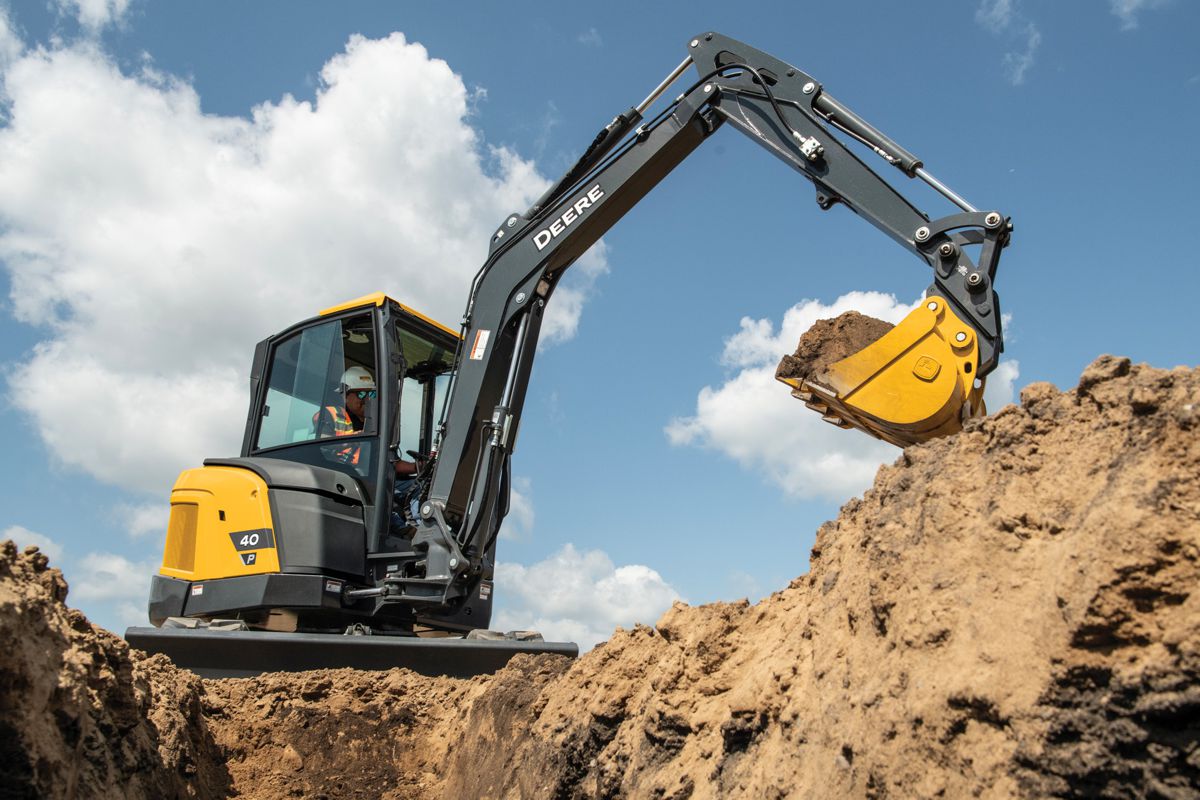
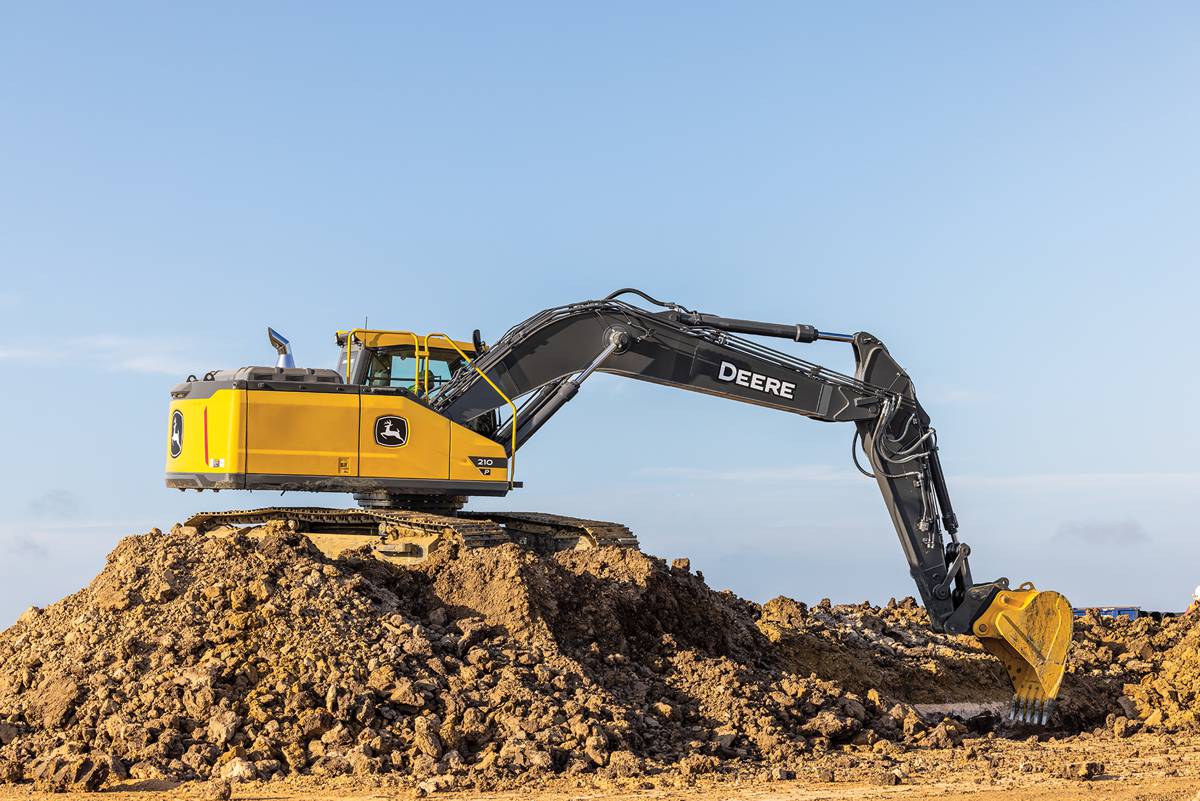
The new portfolio arrives with three models, the 210, 230 and 260 P-Tier excavators, all in the 20-metric-ton class. Deere describes them as redesigned, developed and tested in-house, positioned as its most advanced excavators yet. What’s being sold here isn’t only steel, hydraulics and horsepower. It’s the idea that the machine should adapt to the operator, the attachment, the jobsite and the workflow in real time, with fewer surprises and less downtime.
Why the 20-Tonne Excavator Class Is the Market’s Battleground
In global construction and infrastructure, the 20-tonne segment has become something of a sweet spot. It’s big enough to handle serious trenching, bulk earthworks, craning tasks and loading duties, yet still nimble enough for civil projects where space is tight and transport logistics matter. Contractors also tend to keep machines in this class busy across multiple roles, which makes versatility and cost of ownership as important as raw digging force.
That backdrop helps explain why OEMs are now treating midsize excavators as technology platforms rather than mechanical workhorses. A decade ago, digital features were a “nice to have” for top-tier fleets. Today, they’re increasingly tied to competitive bidding, operator recruitment and jobsite safety requirements.
Deere’s new P-Tier line aims directly at that pressure. The company’s message is essentially that modern excavation isn’t just about shifting material faster; it’s about shifting it consistently, safely, and with fewer interruptions, while keeping operators comfortable enough to stay sharp until the end of the shift.
Built Around Operator Feedback, Not Just Engineering Theory
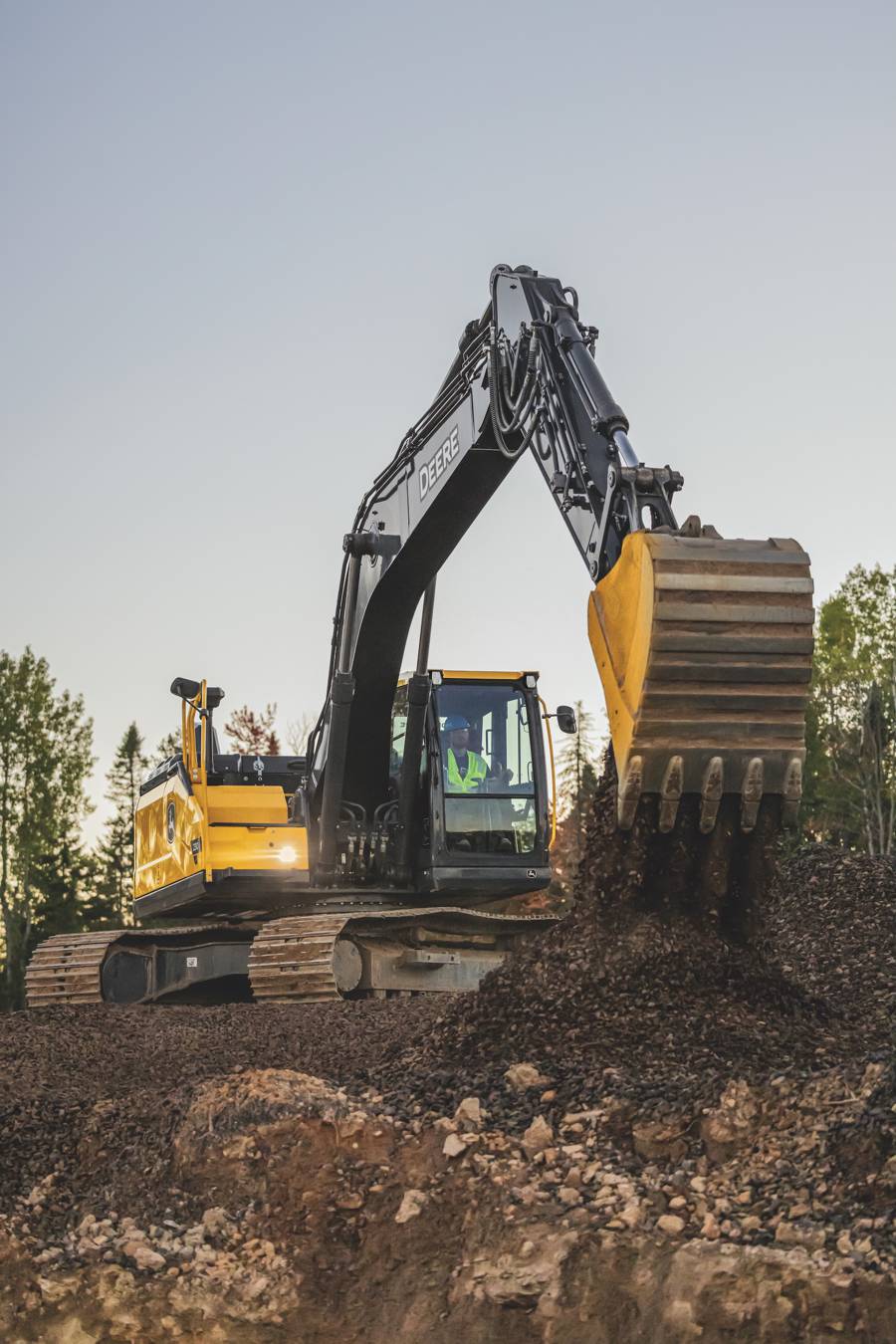
John Deere says the new excavators were shaped by rigorous field testing, with hundreds of customers and operators involved and more than 165,000 operating hours logged and counting. That’s not a small claim, and it speaks to a wider shift in how heavy equipment is being developed: less “design it and ship it” and more “test it with real people doing real work.”
It also hints at something contractors don’t always say out loud but feel every day: excavator performance isn’t only about specifications. It’s about how predictable the machine feels when the operator is working at pace, switching tasks, or dealing with a jobsite that’s changing by the hour.
Deere’s own product marketing manager, Justin Steger, frames the intent clearly, saying: “Backed by decades of excavator expertise, our new generation of John Deere excavators have been redesigned from the ground up. The result is a connected, intentionally designed portfolio that will be a game changer for customers. Every component, from the undercarriage and hydraulics to the cab layout, is designed using feedback from the dedicated customer test pilots that participated in this journey with us. With their support, we are able to deliver the power, precision and performance our operators rely on every day.”
That “test pilot” language is telling. It positions operators as co-developers rather than end-users, and it suggests Deere wants these machines to feel familiar quickly, even for crews rotating between brands and job types.
Performance That’s Tuned for Real Work, Not Sales Brochures
Deere’s new 210, 230 and 260 P-Tier excavators are positioned around a balance of power, smoothness and total cost of ownership, with improved structures, hydraulics and integrated technology working together. That matters because on a modern jobsite, performance isn’t measured in isolated moments. It’s measured across the shift: cycle time after cycle time, load after load, trench after trench.
The company highlights increased dig force and lift capacity for the kinds of applications that keep midsize excavators booked: trenching, grading, craning and truck loading. It also points to refined hydraulic tuning aimed at fast, smooth cycle times, which is the kind of improvement operators notice immediately. In practical terms, smoother hydraulics can mean less fatigue, fewer “overcorrections,” and better control when working close to people, pipes, live utilities or traffic management zones.
Performance modes, including Dig, Lift and Eco, are designed to let the operator match the machine to the work rather than forcing one operating profile onto every task. That matters commercially. Fuel costs remain a major operational variable, and reducing consumption without sacrificing output can shift the economics of a project, especially for civil contractors running multiple machines in parallel.
Deere also includes speed and control modes for hydraulic response, giving operators more say in how aggressive or responsive the machine feels. That may sound like a detail, but it’s often the difference between a machine that feels “right” and one that never quite becomes an extension of the operator’s hands.
A Cab Designed Like a Workspace, Not a Metal Box
Operator shortages and retention challenges have made cab comfort a strategic issue, not a luxury. With experienced operators increasingly able to choose where they work, the machine that’s quieter, roomier and more intuitive is often the machine that gets requested first.
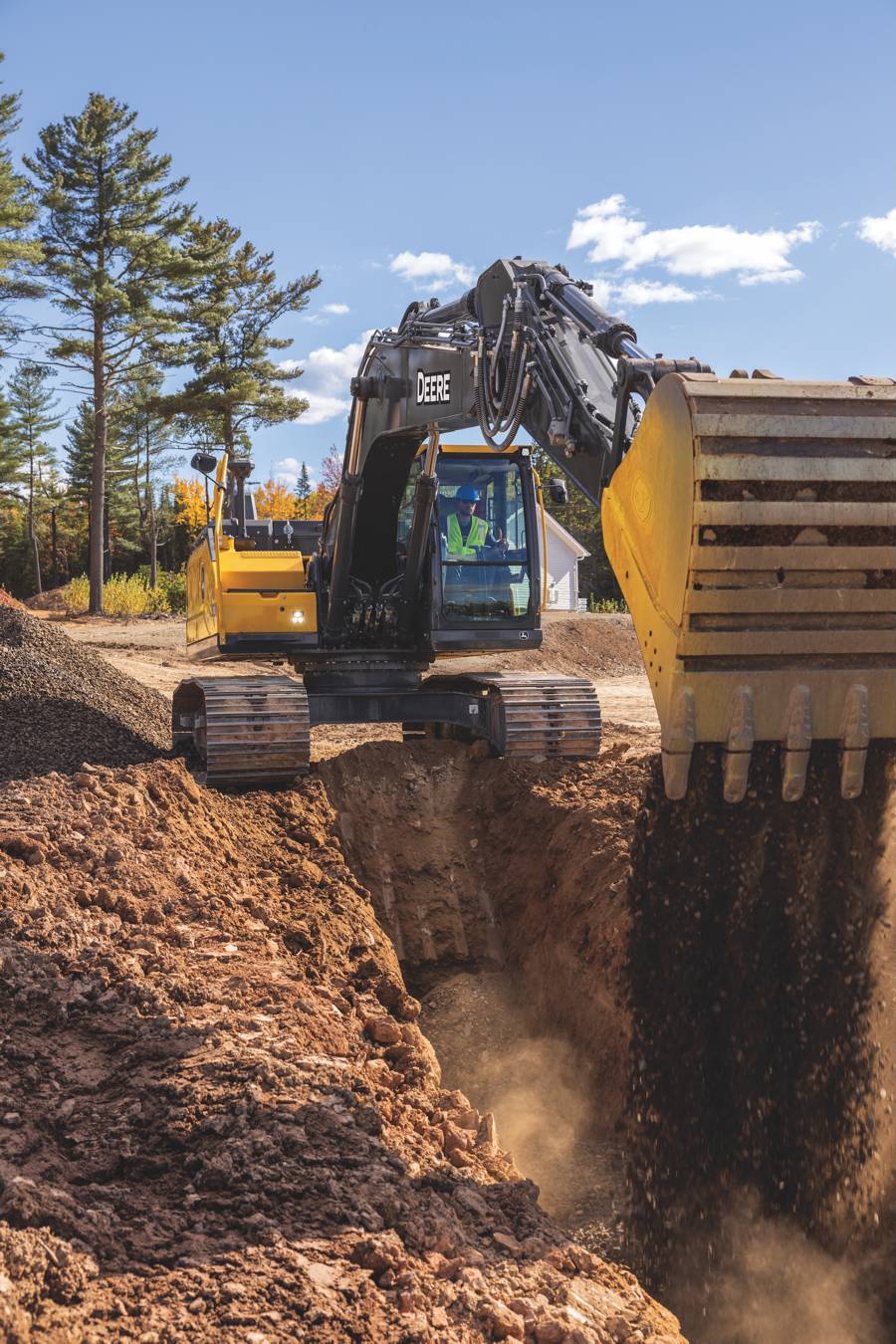
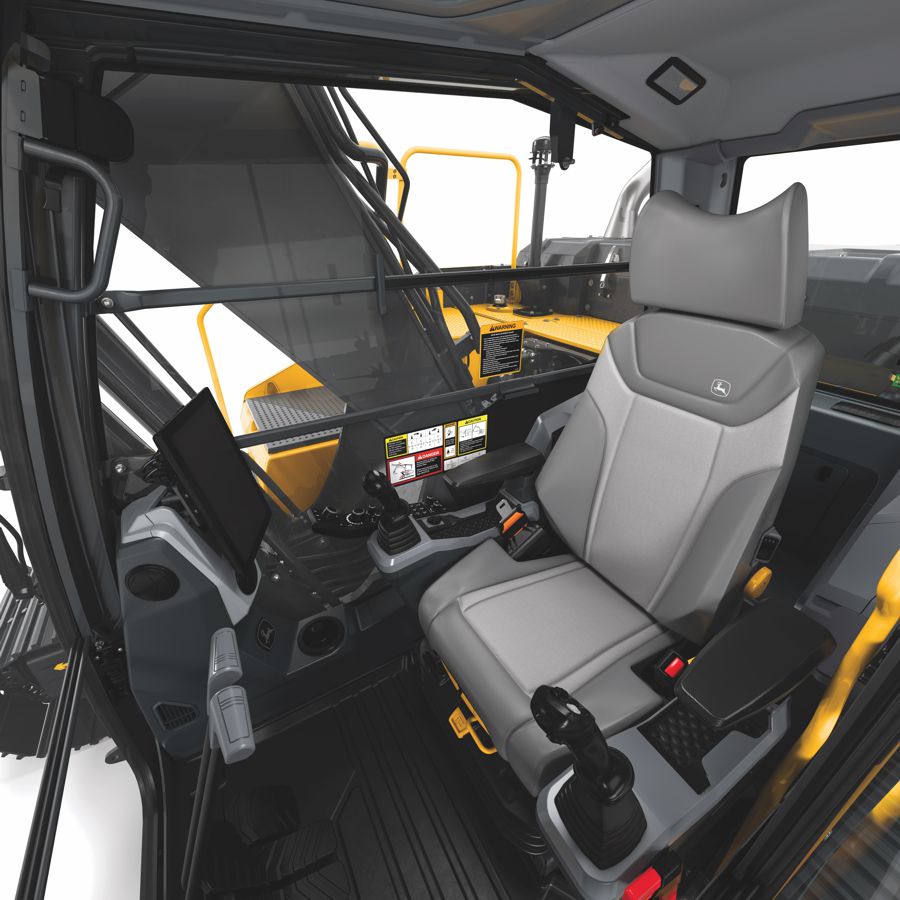
Deere says its new P-Tier models deliver the largest, most operator-friendly cab yet, offering more than 27 inches of legroom, additional storage, ten points of seat adjustability and tool-free armrest and joystick modifications. Those aren’t gimmicks, they’re fatigue reducers, and in a labour market where comfort can affect whether someone stays on the job, they have real value.
Central to the operator interface is the new G5 Plus 12.8-inch display, built for touchscreen interaction. The screen supports monitoring machine health, managing attachments and viewing camera feeds in full or split-screen mode, which speaks to the broader trend of excavators becoming semi-digital platforms rather than purely mechanical tools.
Deere also references a simplified control environment, bringing the Sealed Switch Module (SSM) together with other controls, and offering the optional CommandARM™ for flexible configuration. It’s the kind of layout thinking more commonly associated with agricultural equipment and premium machines, and it suggests Deere is pushing its earthmoving cabs towards a more user-personalised experience.
Connectivity Moves from Bonus Feature to Uptime Strategy
Connectivity in construction equipment is no longer about novelty. It’s about uptime, serviceability and jobsite decision-making. When machines are costing hundreds of pounds or euros per hour to operate once labour and logistics are counted, downtime is the most expensive silence on site.
John Deere’s portfolio leans into this with Remote Display Access (RDA), which enables remote viewing and supports troubleshooting and diagnostics without requiring a subscription. The idea is straightforward: if a dealer, fleet manager or support team can see what the operator sees, they can resolve issues faster, reduce unnecessary site visits and keep the machine working.
Deere takes that a step further with Remote Display Control (RDC), allowing customers and customer-approved dealers and third parties to remotely navigate the monitor and adjust settings as though they were sitting in the cab. That matters for training, setup, troubleshooting and consistent configuration across a fleet, particularly for contractors operating across multiple projects or regions.
A connected excavator is also one that can fit into broader fleet digital ecosystems, where maintenance, utilisation and productivity tracking are increasingly standard. While Deere’s announcement focuses on machine-side capability, the direction of travel across the sector is clear: the excavator is becoming part of a digital chain connecting operator behaviour, job progress, asset management and site reporting.
Safety Technology Shifts from Optional Add-On to Standard Expectation
Every contractor knows the modern jobsite is under pressure from multiple angles: tighter timelines, more complex projects, and increasing safety expectations from both regulators and clients. Excavators sit right in the centre of that pressure, often operating close to people, traffic management zones, trench edges, structures and underground utilities.
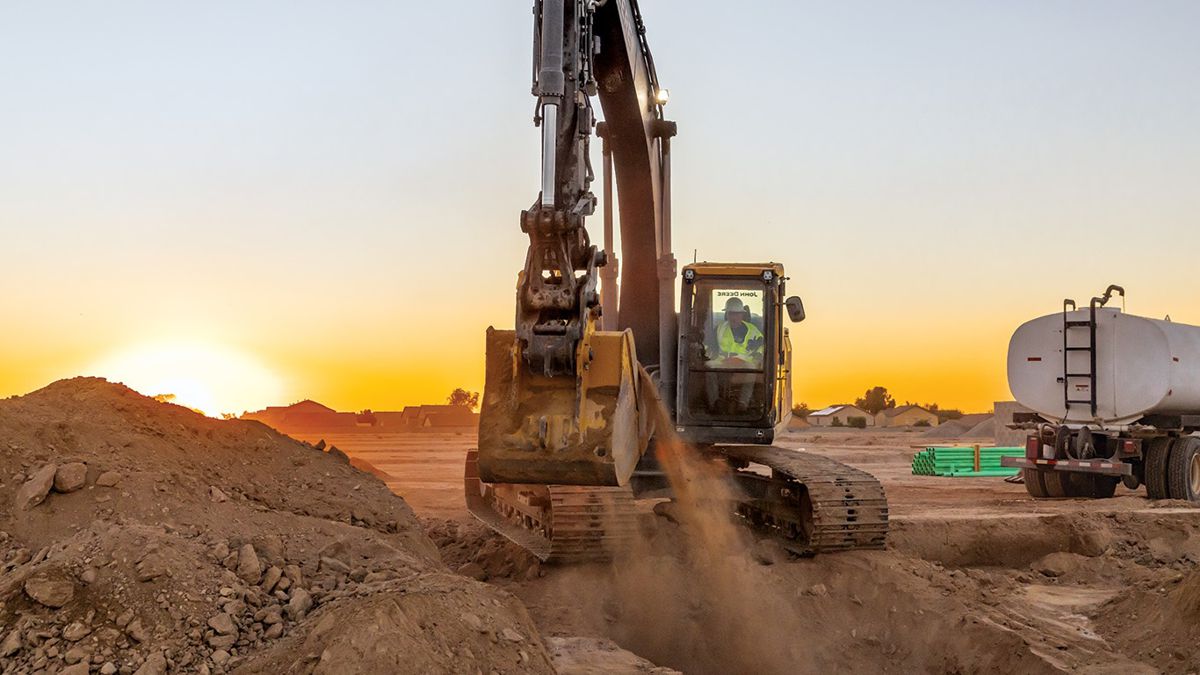
Deere’s new P-Tier models include machine damage avoidance and virtual fences, designed to define jobsite limits above, below and around the excavator. The practical value here is clear: limiting swing radius, height or depth can help reduce costly incidents, protect surrounding assets and keep operators working confidently in constrained environments.
Optional Advanced Vision and Object Detection Systems add another layer of situational awareness, supported by fully integrated cameras with surround-view displays. This direction aligns with a wider industry trend in construction equipment safety: more sensors, more visibility, and more systems helping operators avoid hazards before they become incidents.
These technologies don’t replace good planning, competent supervision or experienced operators. But they can help reduce risk and, critically, help contractors defend safety performance when bidding and reporting. In public sector infrastructure and large private projects, safety credentials increasingly influence procurement decisions.
Precision Work Goes Mainstream with Integrated Grade Control
Grade control has become one of the clearest examples of technology delivering measurable ROI in earthmoving. Faster grading, fewer passes, less rework and reduced dependency on constant grade checking can translate into real savings, especially on large civil works and road projects.
Deere states that all P-Tier midsize excavators offer 2D Grade Control upgradeable to optional 3D SmartGrade™, with compatibility options via Topcon or Leica. That flexibility matters because contractors don’t want to be locked into one ecosystem if their fleet already uses different solutions.
The new auto laser catch feature, part of Deere’s 2D Grade Control system, is designed to assist the operator when the laser catcher breaks the plane of the rotating laser. The advantage Deere highlights is removing the need to stop and press a joystick button to maintain a vertical reference, which may sound minor until it’s repeated dozens or hundreds of times per day. Small interruptions add up quickly in productivity terms.
The broader point is that grade control is no longer just for specialist crews. It’s becoming a baseline expectation in the midsize class, especially for contractors trying to do more with leaner teams and shorter windows.
Smarter Attachment Management Helps Fleets Stay Flexible
Modern excavators aren’t defined by one bucket. They’re defined by what they can become in an hour. Tiltrotators, breakers, grapples, compactors and specialised tools all enable contractors to stretch utilisation and avoid bringing in additional machines.
Deere’s Attachment Manager technology, now available on 20-metric-ton models, supports setup, calibration tracking and customisable settings for up to 20 attachments. That’s significant for fleets running multiple tools across varied jobsites, where incorrect configuration can lead to performance issues, unnecessary wear or safety concerns.
The system is also tied to features like grade control, virtual fences, machine damage avoidance and SmartWeigh™, ensuring attachments are configured properly to support the machine’s broader technology suite. In the real world, that can mean fewer mistakes during attachment changes, faster setup, and more consistent performance from operator to operator.
EZ Control and SmartWeigh Signal a Shift Towards Assisted Operation
Excavator control still relies on skill, but OEMs are increasingly introducing features that reduce complexity in certain tasks and help operators work with more consistency. Deere’s EZ Control is positioned as simplifying boom, arm and bucket control for underground work, as well as making lifting and craning smoother.
This matters because “smooth” isn’t a comfort feature. It’s a productivity and safety feature. Jerky movements or inconsistent control can compromise trench quality, damage assets, and create hazards when lifting.
Deere also highlights SmartWeigh, described as providing dynamic weighing with calibration that doesn’t require a known weight, using sensors and technology to calibrate and maintain accuracy. Weighing functions have become increasingly relevant on jobsites managing payload, haul efficiency and material tracking, especially when project reporting is tied to quantities moved.
These features point to a future where excavators don’t just respond to operator inputs, they assist in making work more repeatable, measurable and efficient.
Dealer Networks Still Matter in a High-Tech Machine World
As excavators become more connected and software-driven, the aftersales relationship becomes even more central. Contractors don’t just need spare parts. They need fast diagnostics, reliable updates and technicians who can work on both hardware and digital systems.
John Deere points to its authorised dealer network, trained and certified technicians and access to genuine parts as part of the support package behind the new excavators. It also notes that the John Deere Operations Center™ is now integrated with Shop.Deere.com, designed to make parts ordering easier.
For fleet owners and managers, that matters because the true cost of equipment ownership isn’t just the sticker price. It’s uptime, service access, parts availability and the ability to keep machines working when the schedule is unforgiving.
In a world where infrastructure investment is accelerating in many regions and labour remains constrained, support networks become a competitive advantage. Machines that are easier to maintain, faster to diagnose and supported by responsive dealers can win jobs by staying operational.
A New Generation That Reflects Where Earthmoving Is Heading
John Deere’s New Generation P-Tier midsize excavators arrive at a moment when earthmoving is being reshaped by connectivity, safety systems, grade control, attachment flexibility and operator-focused design. The changes aren’t cosmetic. They reflect the realities of modern infrastructure work: tighter margins, higher expectations, and a constant push to deliver more productivity with fewer interruptions.
By launching with the 210, 230 and 260 models in the 20-metric-ton class, Deere is targeting one of the industry’s busiest segments, where fleet renewal decisions are increasingly tied to technology, efficiency and operator preference rather than simple brand loyalty.
For contractors, investors and policymakers watching the construction equipment market, this launch is another clear signal that the excavator is evolving into something more than a digging machine. It’s becoming a connected jobsite system, where performance, safety and data sit in the same conversation, and where the best machines will be those that help crews work smarter without slowing them down.