Costain Redefines PPE Standards for a More Inclusive Infrastructure Workforce
Construction sites, rail depots, energy facilities and major transport projects have long relied on Personal Protective Equipment as the last line of defence between workers and workplace hazards. Yet for decades, much of the industry treated PPE as a standardised commodity rather than equipment that needed to reflect the realities of a diverse workforce. Poorly fitting gloves, oversized safety clothing, heavy footwear and inaccessible fastenings have often been accepted as part of the job.
That mindset is beginning to shift. Across the global construction and infrastructure sectors, contractors and asset owners are recognising that safety equipment designed around a narrow range of body types and physical capabilities can introduce new operational risks rather than remove them. Workers distracted by uncomfortable PPE, limited movement, overheating or inaccessible fastening systems are less productive and potentially more vulnerable on site.
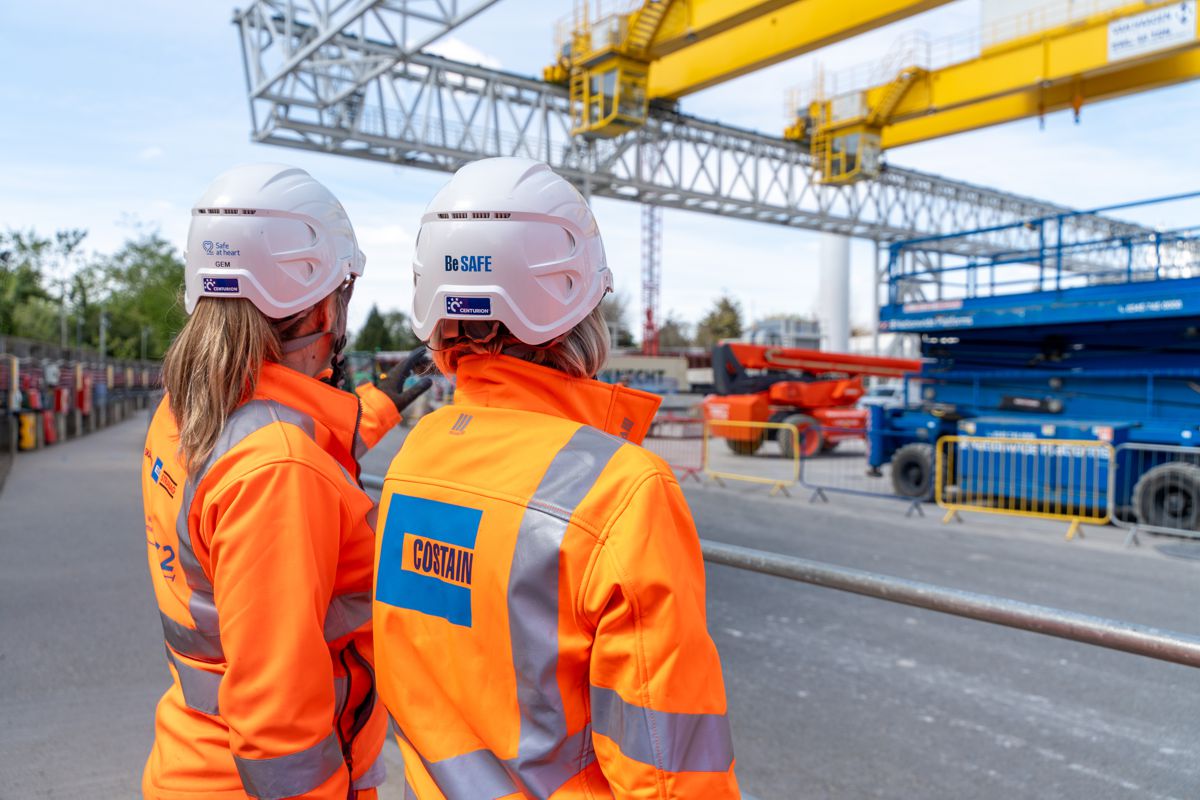
Due to changing workforce expectations and growing awareness around workplace accessibility, Costain has expanded its PPE and workwear offering with a stronger emphasis on inclusivity, accessibility and sustainability. Working alongside its employee inclusion networks and supply partner Arco, the company has introduced more than 150 updated PPE and clothing items aimed at improving comfort, fit and usability for people working across infrastructure projects.
The move reflects a wider evolution taking place throughout the infrastructure sector, where workforce wellbeing is increasingly tied to productivity, staff retention and long-term project delivery performance. As labour shortages continue to affect construction and engineering markets globally, companies are under mounting pressure to create working environments that attract and retain a broader range of skilled people.
Briefing
- Costain has expanded its PPE and workwear catalogue with more than 150 inclusive and sustainable products.
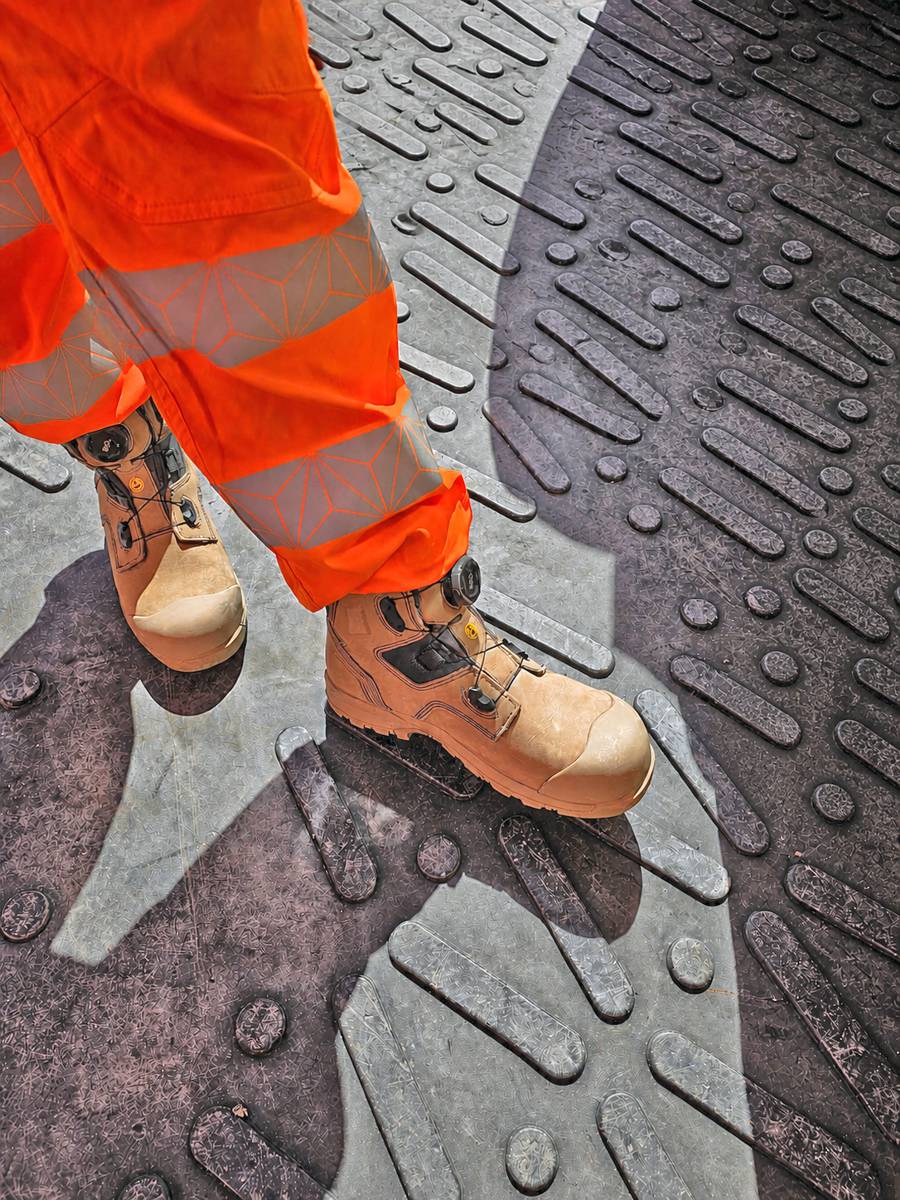
- The updated range includes BOA lace-free safety boots, breathable clothing and adaptable PPE for workers with limb differences.
- The initiative was developed with support from Costain’s Disability and Wellbeing Network and Women’s Network alongside Arco.
- Sustainable PPE options using recycled materials and lower-impact manufacturing methods have doubled within the catalogue.
- The programme reflects wider changes across the infrastructure sector as employers focus on accessibility, workforce retention and modern safety standards.
PPE Design Moves Beyond One Size Fits All
Historically, PPE procurement within construction and infrastructure projects focused heavily on compliance, durability and bulk purchasing efficiency. Comfort and inclusivity often came second. Many safety products were originally designed around average male body measurements, leaving significant portions of the workforce forced to adapt to unsuitable equipment.
The issue has become increasingly visible as construction companies seek to improve diversity and inclusion across operational roles. Women entering engineering and construction disciplines have frequently reported difficulties sourcing properly fitting protective clothing and boots, while workers with disabilities or long-term health conditions have often encountered even greater barriers.
Costain’s revised catalogue attempts to address some of these longstanding gaps. The updated offering includes BOA safety boots featuring dial and cable fastening systems designed to support workers who struggle with traditional laces. For individuals with dexterity limitations, arthritis or limb differences, removing the need to tie laces can make routine site preparation considerably easier and safer.
The catalogue also introduces lighter and more breathable clothing options aimed at workers managing skin conditions, sensory sensitivities or menopause-related heat regulation challenges. In physically demanding infrastructure environments where workers may spend extended periods outdoors or inside confined operational spaces, comfort can have a direct effect on concentration and fatigue levels.
Adaptable PPE for individuals with limb differences has also been incorporated into the range, reflecting growing awareness that standardised sizing models do not meet the needs of all employees. Accessibility within PPE procurement remains a relatively underdeveloped area across much of the global infrastructure sector, making initiatives like this increasingly significant.
Workforce Inclusion Becomes a Strategic Priority
The construction and infrastructure industries continue to face substantial workforce challenges. Ageing demographics, skills shortages and increased competition for technical talent are forcing employers to rethink traditional workplace practices. Inclusion is no longer viewed solely through a human resources lens. It is increasingly tied to operational resilience and long-term recruitment strategies.
According to Costain’s 2025 Sustainability Report, 24% of the company’s workforce identified as having a disability or long-term health condition. That figure illustrates the growing need for infrastructure employers to accommodate a broad range of physical requirements within operational environments traditionally built around uniform standards.
The company worked closely with its Disability and Wellbeing Network alongside its Women’s Network to shape the revised PPE catalogue. Internal employee networks are playing an increasingly important role within major infrastructure organisations, particularly when practical workplace changes require direct input from those affected by existing limitations.
Catherine Duffy, Chief People and Sustainability Officer at Costain, said: “We’re an inclusive employer committed to creating a workplace where everyone has opportunities to reach their full potential.
“Working closely with Arco and colleagues from our inclusion networks, we’ve enhanced our PPE and workwear catalogue for our people, improving inclusivity without compromising on safety, quality or sustainability.”
The collaboration between operational teams, workforce networks and supply chain partners reflects a broader trend emerging across the industry. PPE is increasingly being viewed as part of wider workforce wellbeing strategies rather than simply a procurement exercise focused on compliance costs.
Safety Equipment and Productivity Are Closely Linked
Construction and infrastructure delivery environments are physically demanding by nature. Workers operating on highways, rail corridors, utilities projects and energy facilities frequently spend long hours exposed to challenging weather conditions, vibration, repetitive movement and hazardous environments.
Poorly fitting PPE can introduce operational inefficiencies that are often underestimated. Oversized gloves reduce dexterity, ill-fitting boots contribute to fatigue, and heavy clothing can increase heat stress. Over time, those issues may affect both worker wellbeing and site productivity.
Research from organisations including the International Labour Organization and the Health and Safety Executive has consistently highlighted the relationship between workplace ergonomics, safety culture and operational performance. Infrastructure contractors are increasingly recognising that investing in worker comfort may also help reduce absenteeism, improve morale and support retention in a highly competitive labour market.
Costain’s revised PPE approach aligns with this evolving thinking. The focus on comfort, usability and fit reflects growing industry awareness that PPE should enable performance rather than restrict it.
Emily Castle, Chair of Costain’s Disability and Wellbeing Network (DaWN), said: “Through DaWN we’re able to bring about positive, inclusive improvements to our ways of working and we’re proud to have worked closely with teams across Costain to influence this new range of PPE. The wide variety of options and sizes makes the range more inclusive and accessible.”
That emphasis on workforce participation is becoming increasingly common among large infrastructure employers seeking to modernise workplace practices while maintaining strict safety standards.
Sustainable PPE Gains Ground Across Construction
Sustainability targets are also beginning to reshape PPE procurement strategies throughout the construction supply chain. Traditionally, safety equipment has generated significant volumes of waste due to short replacement cycles, synthetic materials and limited recyclability.
Costain’s revised catalogue includes a broader range of products manufactured using recycled materials and lower-impact production methods. According to the company, the number of sustainable PPE options available to employees has doubled following the update.
This reflects wider pressure on infrastructure companies to examine emissions and environmental impacts across all areas of project delivery, including operational consumables and workforce equipment. While heavy machinery and material production continue to dominate carbon discussions within construction, smaller procurement categories such as PPE are increasingly attracting attention within broader sustainability reporting frameworks.
Manufacturers across the global safety equipment market are responding by introducing products with recycled polyester fabrics, reduced water usage during production and more energy-efficient manufacturing processes. However, balancing durability, safety compliance and environmental performance remains a challenge.
Heather Sperry, National Account Manager at Arco, said: “Fit for purpose PPE and workwear is essential for any individual working on an infrastructure project. It is critical that organisations invest in inclusive, more sustainable PPE and workwear that caters for their entire workforce and has been manufactured to the highest standards. We have worked with Costain to curate and produce a catalogue that is tailored to the organisation and its people’s needs.”
As ESG reporting obligations expand across infrastructure investment and public procurement frameworks, contractors are likely to face increasing scrutiny over supply chain sustainability practices, including workforce equipment sourcing.
Infrastructure Employers Face Changing Expectations
The culture of construction and infrastructure employment is evolving rapidly. Younger workers entering the industry often place greater emphasis on wellbeing, inclusivity and workplace flexibility than previous generations. At the same time, governments and major clients are placing stronger expectations on contractors to demonstrate measurable progress around diversity and social value.
Programmes focused on inclusive PPE are becoming part of that wider conversation. Companies that fail to modernise workplace practices risk narrowing their available talent pool at a time when skilled labour shortages continue to intensify across engineering and infrastructure markets worldwide.
Costain’s wider participation in initiatives such as the The Valuable 500 and the Hidden Disabilities Sunflower reflects how disability inclusion is moving further into mainstream corporate strategy within infrastructure businesses.
The company’s London headquarters has also been adapted with features designed to support neurodivergent and disabled employees, reinforcing the idea that inclusion strategies increasingly extend beyond recruitment messaging into operational and workplace design decisions.
For infrastructure employers operating across road, rail, energy, defence, nuclear and water sectors, workforce accessibility is becoming increasingly intertwined with broader discussions around resilience, recruitment and productivity.
Building a Safer and More Inclusive Industry
The evolution of PPE may seem like a relatively modest operational change compared to the scale of modern infrastructure megaprojects, but it speaks to a deeper transformation taking place across the industry. Construction firms are beginning to recognise that workforce diversity cannot succeed without practical adjustments to the environments and equipment people use every day.
Inclusive PPE is gradually shifting from a niche procurement concern into a core element of workforce strategy. For contractors competing for skilled labour while attempting to improve safety performance and meet sustainability targets, those changes carry growing commercial and operational importance.
As infrastructure delivery becomes increasingly technology-driven and workforce expectations continue to evolve, the companies most likely to succeed may be those willing to modernise not just their digital systems and engineering processes, but also the everyday realities of life on site.