Hitachi Advances Physical AI Into Critical Infrastructure Operations
Artificial intelligence may dominate headlines, but for infrastructure operators, transport networks and industrial asset owners, the next commercial battleground lies in physical AI. The shift is already underway as robotics, machine automation and AI-driven operational systems move from pilot programmes into frontline deployment across railways, energy networks, manufacturing plants and logistics operations.
Hitachi Digital Services has now emerged as one of the few global providers recognised for delivering robotics and physical AI across the full operational lifecycle.
The company’s latest recognition from ISG Research places it among the leading providers shaping intelligent robotics services worldwide. More significantly, Hitachi Digital Services became the only company ranked as a Leader across all three categories in the 2026 ISG Provider Lens Intelligent Robotics and Physical AI Services assessment. The report evaluated more than 25 global providers, examining capabilities spanning strategic consulting, industrial engineering and ongoing robotics operations.
For construction, infrastructure and transport sectors, the recognition reflects a wider industrial reality. Physical AI is no longer confined to automotive assembly lines or isolated robotics laboratories. It is rapidly becoming embedded within critical infrastructure systems where reliability, safety, resilience and uptime carry economic and societal consequences. Rail depots, energy facilities, automated logistics hubs and industrial maintenance environments are increasingly adopting AI-enabled robotic systems to improve operational efficiency while addressing labour shortages, safety concerns and rising performance demands.
Briefing
- Hitachi Digital Services was named a Leader in all three categories of the 2026 ISG Provider Lens Intelligent Robotics and Physical AI Services report
- The assessment covered Consulting and Transformation, Integration and Engineering, and Managed Services and Robotics-as-a-Service
- The company focuses heavily on mission-critical sectors including rail, mobility, manufacturing and energy
- The recognition highlights growing global demand for physical AI and robotics in industrial infrastructure
- Hitachi’s approach combines operational technology, AI governance and industrial engineering expertise
Industrial Robotics Moves Into Mainstream Infrastructure
The timing of the recognition aligns with accelerating investment in industrial automation globally. According to the International Federation of Robotics, global industrial robot installations have continued to rise despite economic volatility, with infrastructure, logistics and energy-related sectors increasingly adopting automation technologies once reserved for advanced manufacturing environments.
Governments and infrastructure operators are under mounting pressure to modernise ageing assets while simultaneously improving productivity and resilience. Rail operators, for instance, are deploying robotic inspection systems to reduce maintenance downtime. Energy providers are increasingly using AI-enabled robotics for hazardous inspections, remote operations and predictive maintenance. Ports and logistics centres are automating cargo handling and operational monitoring to cope with labour shortages and rising throughput demands.
This convergence of operational technology and artificial intelligence is reshaping how industrial infrastructure is designed, maintained and managed. Rather than replacing human expertise outright, physical AI systems are increasingly augmenting workforce capabilities, improving situational awareness and reducing operational risk in environments where failures can carry enormous financial or public safety consequences.
A Broader Shift From Digital AI to Physical AI
While generative AI continues to dominate enterprise software conversations, physical AI represents a distinctly different challenge. Industrial robotics systems must operate reliably in dynamic, high-risk environments rather than controlled digital spaces. Infrastructure operators require systems capable of functioning under harsh weather conditions, within complex operational workflows and alongside human workers.
That operational complexity explains why infrastructure sectors often move more cautiously than consumer technology markets. Industrial operators typically prioritise reliability, governance and integration over rapid experimentation. Physical AI deployments must also comply with stringent safety standards, cybersecurity requirements and operational continuity expectations.
Hitachi Digital Services has positioned itself squarely within that industrial reality. Its work focuses on sectors where AI-driven systems interact directly with real-world operations, including transport infrastructure, utilities, heavy industry and manufacturing. The company’s integration of Information Technology and Operational Technology, often described as ITxOT, reflects an increasingly important discipline as industrial operators seek to modernise legacy infrastructure without compromising reliability.
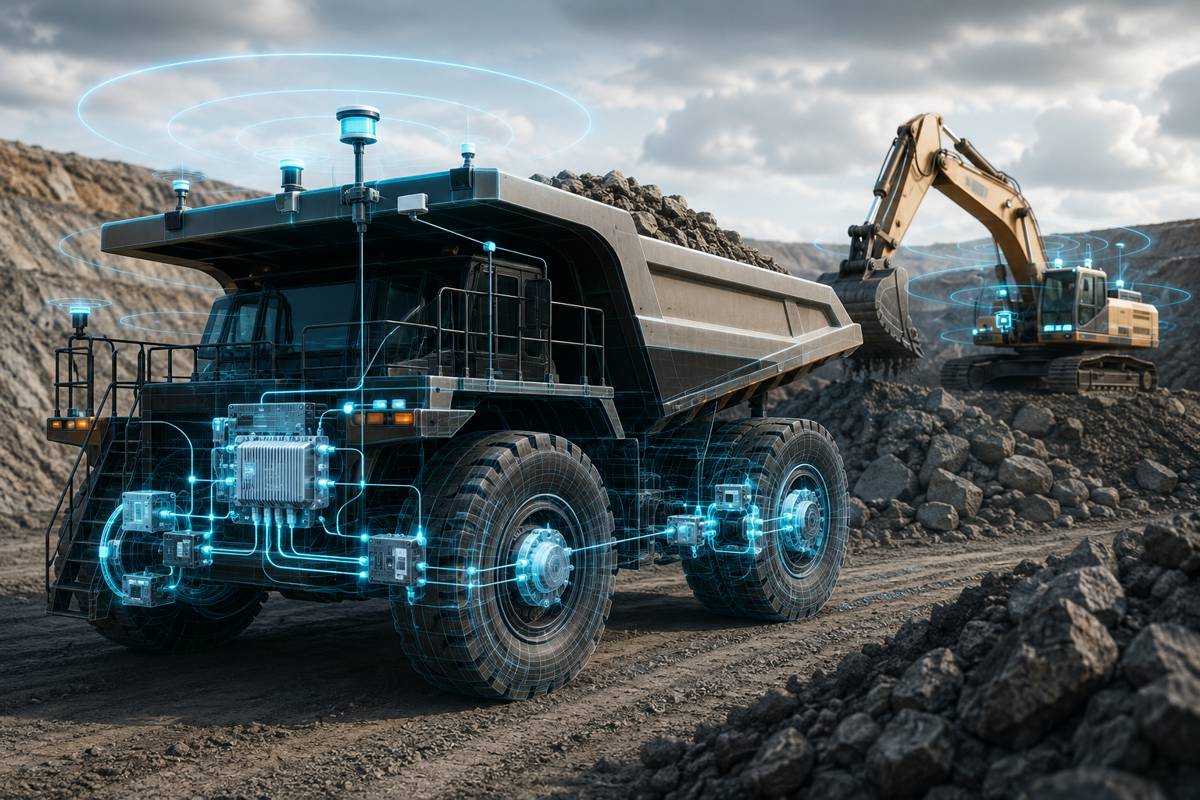
The report also highlights Hitachi’s use of AI orchestration technologies and industrial automation frameworks designed to support large-scale deployment. That includes integration work involving NVIDIA-powered AI infrastructure, edge intelligence platforms and operational data environments intended to support closed-loop industrial automation.
Rail and Energy Sectors Become Key Testing Grounds
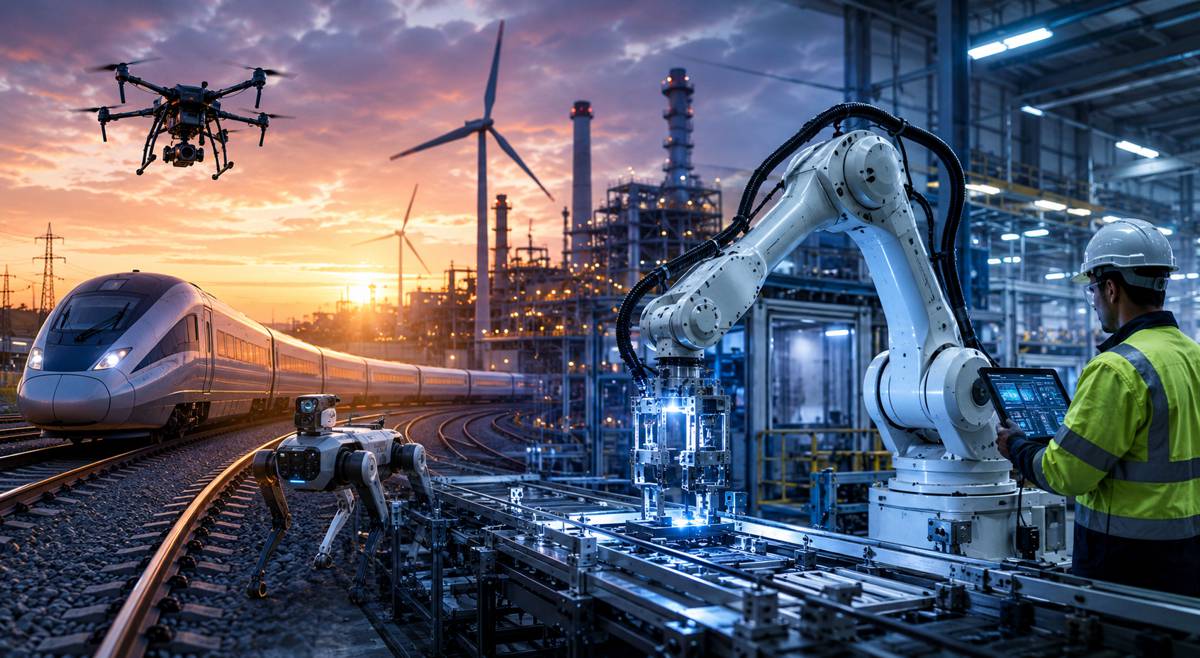
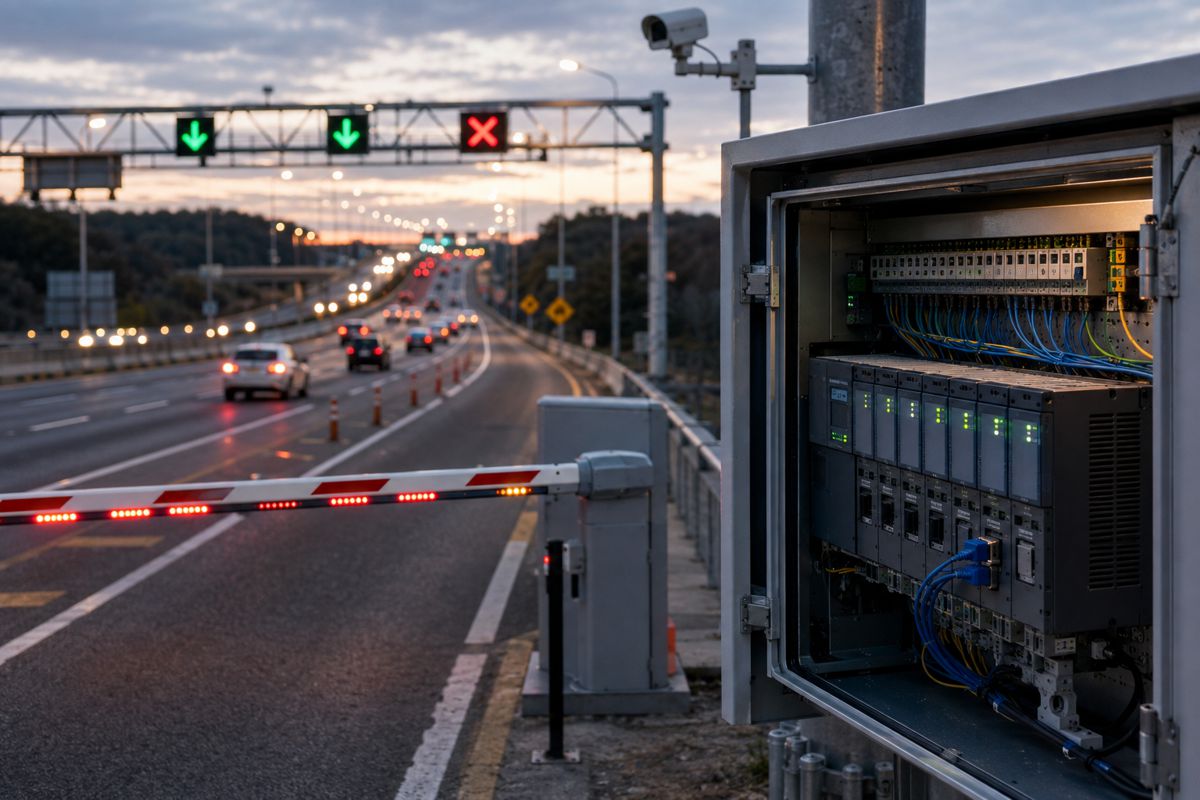
Among the sectors driving adoption, rail infrastructure remains one of the most significant. Modern rail networks are increasingly dependent on predictive maintenance, automated inspection systems and AI-assisted operational monitoring to maintain reliability while controlling costs.
Infrastructure owners are also confronting a widening skills shortage across engineering and maintenance disciplines. Robotics and AI systems offer a potential route to maintaining service quality despite demographic pressures and workforce constraints. Automated inspection drones, robotic track monitoring systems and AI-enabled asset management platforms are already appearing across rail operations globally.
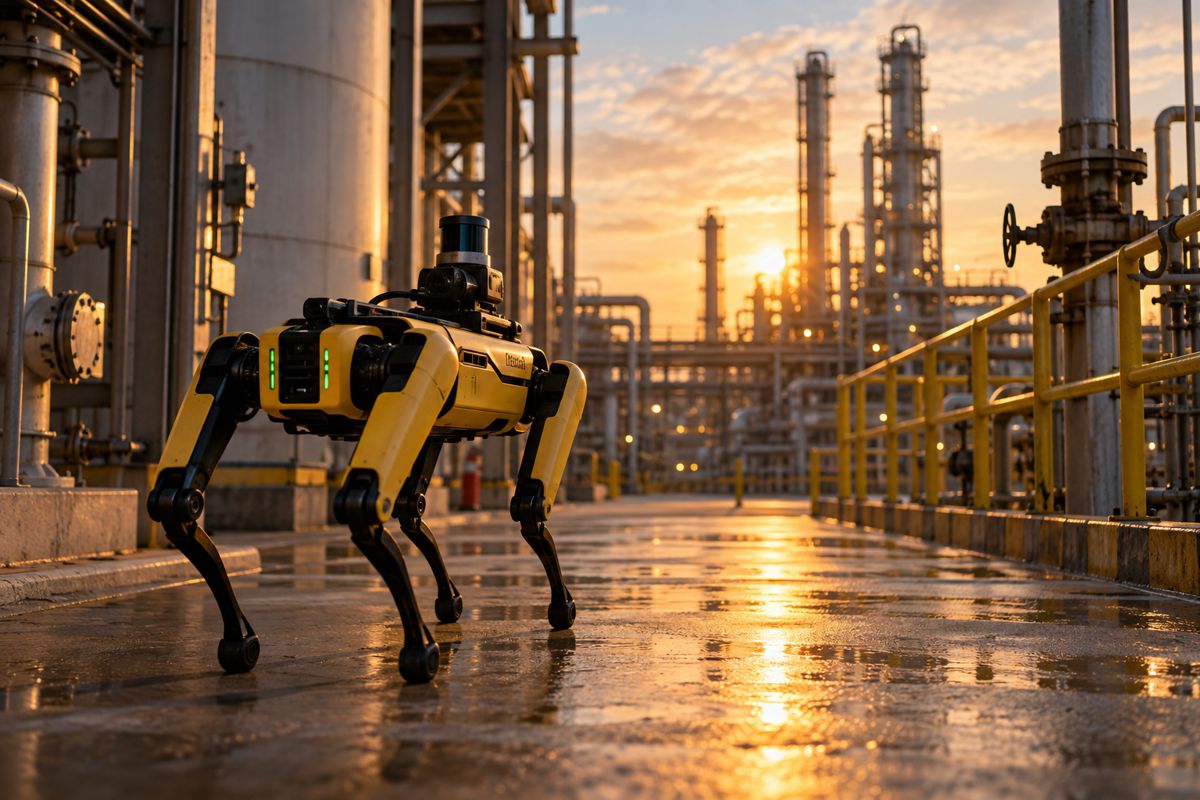
Energy infrastructure presents a similarly demanding environment. Grid operators, renewable energy developers and industrial utilities are deploying robotics systems to inspect hazardous assets, improve operational resilience and reduce manual intervention in dangerous environments. Offshore wind farms, high-voltage transmission networks and industrial processing facilities increasingly rely on remote inspection technologies and autonomous monitoring systems.
Hitachi’s industrial heritage gives it credibility in these operational environments. Unlike software-first AI firms attempting to enter industrial markets from outside, the company’s broader engineering background spans sectors where uptime, safety and reliability have long defined operational success.
Governance and Reliability Remain Critical
The rapid expansion of AI technologies has also intensified scrutiny around governance, cybersecurity and operational risk. Industrial infrastructure operators cannot afford the kind of instability or unpredictability tolerated in consumer technology environments.
That reality was reflected in comments from ISG Research Principal Analyst Yash Jethani, who stated: “Hitachi Digital Services connects edge intelligence, robotics, and AI-driven decision layers into secure, mission-critical environments via Lumada, R2O2, and its integration across Hitachi with GlobalLogic solutions. With NVIDIA-powered AI factories, and responsible AI governance, the company also enables scalable, closed-loop autonomy across heavy asset industries. These outcomes are the result of Hitachi Digital Services’ differentiation—a fusion of deep industrial heritage with enterprise-grade physical AI orchestration.”
Governance has become particularly important as industrial operators face rising cybersecurity threats targeting critical infrastructure systems. AI-enabled robotics platforms connected to operational environments create new attack surfaces that must be protected against intrusion or disruption. Infrastructure operators increasingly expect technology providers to demonstrate robust governance frameworks alongside technical innovation.
The challenge extends beyond cybersecurity alone. Infrastructure operators must also ensure AI systems remain explainable, auditable and compliant with evolving regulatory standards. Governments across Europe, North America and Asia are actively developing new frameworks governing AI deployment in safety-critical sectors.
Subscription Robotics and Service Models Expand
One of the more commercially significant developments highlighted in the ISG assessment is the growing role of Robotics-as-a-Service, commonly referred to as RaaS. Rather than requiring organisations to invest heavily in upfront robotics infrastructure, subscription-based service models allow operators to access robotics capabilities with lower initial capital exposure.
For infrastructure and industrial sectors, this model could accelerate adoption significantly. Construction firms, logistics operators and transport authorities often face capital constraints and long procurement cycles. Subscription-based robotics models offer a more flexible route to operational modernisation while reducing deployment risk.
Managed robotics services also shift some operational responsibility back to providers, including system monitoring, updates, maintenance and optimisation. As robotics systems become more sophisticated, ongoing support and lifecycle management are becoming increasingly important parts of the commercial equation.
Hitachi’s recognition in the managed services category reflects how industrial robotics markets are evolving beyond hardware supply alone. Infrastructure operators increasingly require long-term operational partnerships rather than standalone technology deployments.
Physical AI Reshapes Industrial Competition
The wider significance of the ISG rankings lies less in the award itself and more in what it signals about the changing direction of industrial technology markets. Physical AI is moving rapidly from experimental deployments into core operational infrastructure.
Global competition around industrial automation is intensifying as countries seek productivity gains, supply chain resilience and improved infrastructure performance. Nations investing heavily in smart manufacturing, transport modernisation and energy resilience increasingly view robotics and AI as strategic industrial capabilities rather than optional innovation projects.
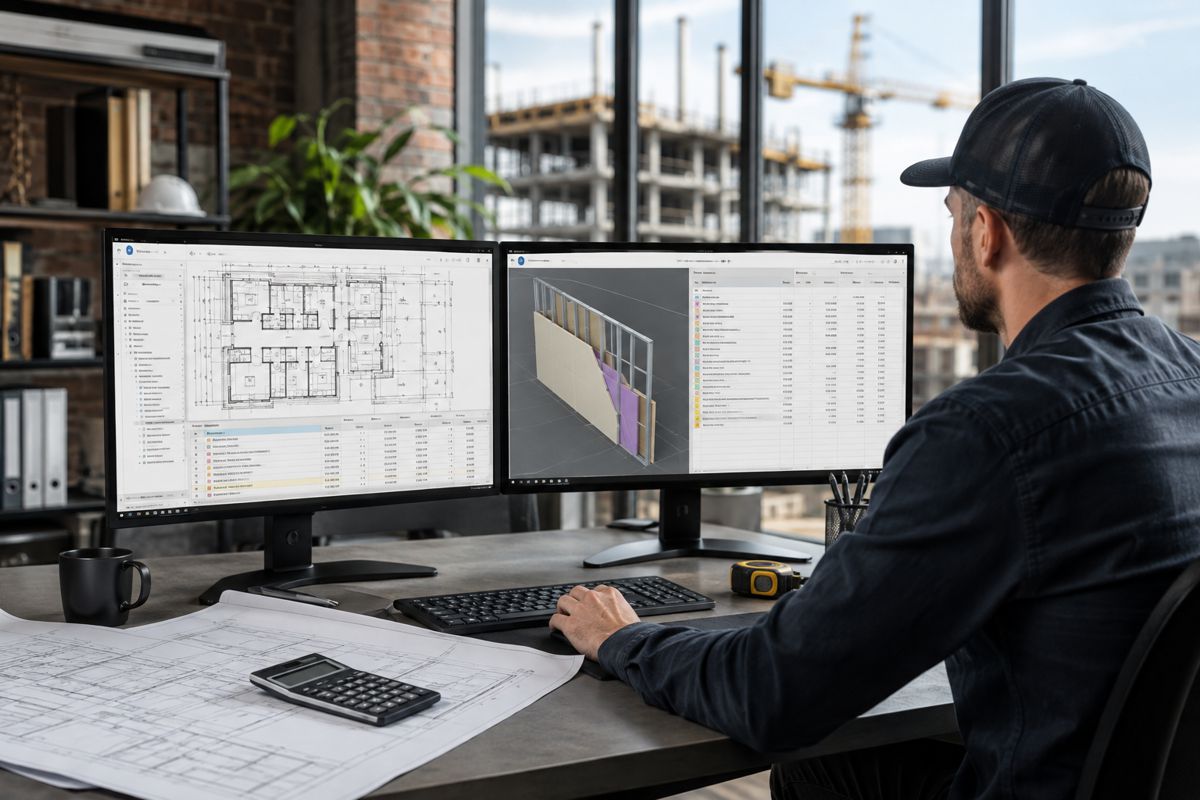
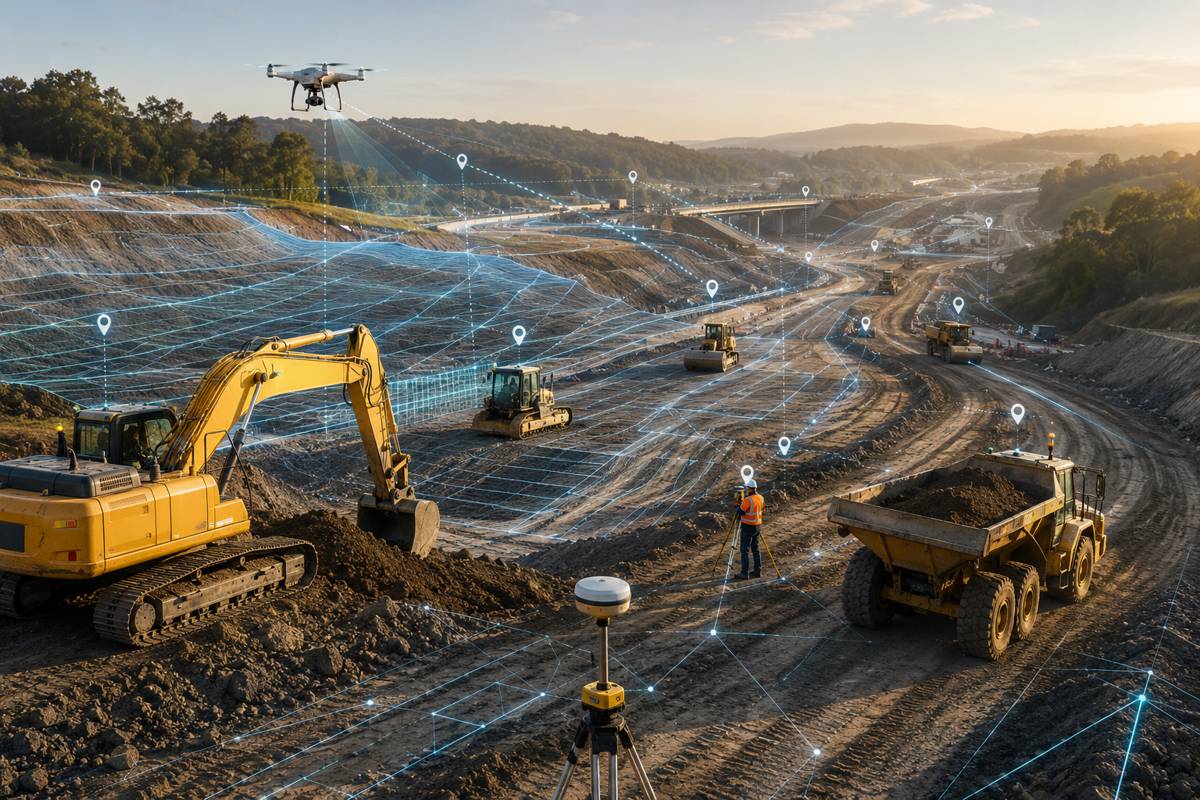
This industrial transition also has implications for construction and infrastructure delivery itself. Robotics-enabled surveying, automated maintenance systems, AI-driven inspection platforms and autonomous construction equipment are gradually becoming part of mainstream infrastructure operations. The companies capable of integrating these technologies safely into operational environments will likely play an increasingly influential role in global infrastructure markets over the coming decade.
Speaking on the recognition, Premkumar Balasubramanian said: “Robotics solutions bring real value with proven, reliable, and scalable deployment. As a solutions provider embedded in the critical infrastructure that economies and society depend on every day, we bring unmatched experience delivering such systems to high-stakes environments.”
He added: “Hitachi turns data into decisions and innovation into real-world outcomes—first for ourselves, then for our clients. ISG’s recognition is a powerful validation of that track record and the expertise our teams bring every day.”
Engineering the Next Generation of Infrastructure Operations
The industrial AI market is still in its early stages despite growing deployment activity. Many infrastructure operators remain cautious, particularly where safety-critical systems are involved. Yet operational pressures are unlikely to ease. Labour shortages, ageing infrastructure, rising energy costs and increasing resilience demands are all pushing operators towards greater automation and intelligence.
Companies with deep operational engineering expertise may hold an advantage as the market matures. Infrastructure operators generally prioritise reliability, lifecycle performance and operational continuity over rapid technology experimentation. Providers capable of combining AI innovation with practical industrial delivery are therefore likely to gain traction more quickly.
Srini Shankar summarised the broader direction of travel, stating: “Physical AI is fast becoming a strategic business driver, helping organizations improve efficiency, resilience, and operational intelligence. Realizing that value requires deep expertise in deploying AI and robotics solutions that perform reliably in complex, real-world environments.”
He continued: “Organizations that succeed will combine innovation with proven execution to deliver measurable customer outcomes. This is a unique Hitachi ability that will only strengthen as Hitachi Digital Services and GlobalLogic combine to establish a single robust organization that innovates across the entire digital transformation lifecycle.”
As infrastructure sectors continue modernising, the line between digital intelligence and physical operations is becoming increasingly blurred. Robotics, automation and AI are steadily evolving from isolated efficiency tools into core operational infrastructure. The organisations capable of deploying those systems safely, reliably and at scale will help shape the next generation of global industrial operations.