Designing the Machines That Build the Future with Yanmar
For much of industrial history, machinery design has been judged by performance, durability and engineering ingenuity. Yet as industries confront labour shortages, automation, sustainability targets and changing workforce expectations, another factor is becoming increasingly important: the human experience of technology.
Across construction, agriculture, marine operations and energy systems, equipment is no longer evaluated solely on horsepower, productivity or fuel efficiency. Operators spend long hours inside machines, businesses face growing pressure to attract skilled workers, and digital technologies are transforming how equipment is monitored, controlled and maintained. In this environment, design has evolved from an aesthetic consideration into a strategic business discipline.
Japanese industrial manufacturer Yanmar offers an interesting case study. The company, which operates across more than 130 countries and multiple industrial sectors, has spent the past decade quietly reshaping how design contributes to engineering, branding and customer experience. Rather than treating design as a finishing touch applied late in development, Yanmar has positioned it as a tool for understanding how people interact with technology from the outset.
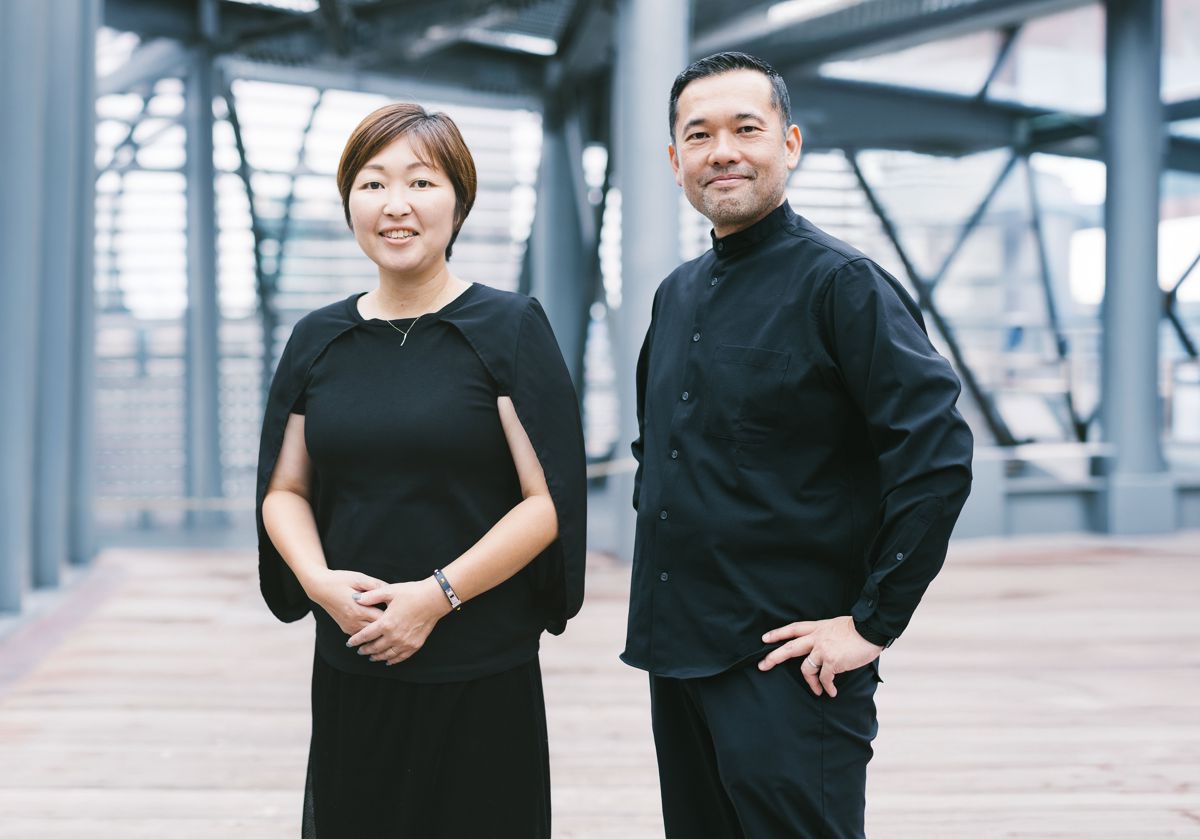
That approach has been led in large part by Yotaro Tsuchiya, Head of Design Division at Yanmar Holdings, and Mina Kaido, Manager of the company’s Visual Communication Group. Their work reflects a broader shift taking place throughout the industrial technology sector, where user-centred thinking increasingly influences product development, digital transformation strategies and long-term innovation planning.
Briefing
- Yanmar’s in-house design division has spent the past decade embedding design into engineering and product development processes across multiple industrial sectors.
- The company’s “intrinsic design” philosophy focuses on solving real operational challenges before considering appearance or styling.
- Human-centred machine design is shaping future concepts involving electrification, automation and alternative power systems.
- Visual communication initiatives extend design beyond equipment into branding, exhibitions, public spaces and cultural projects.
- The strategy reflects wider trends across construction, agriculture and industrial technology sectors where usability and operator experience increasingly influence equipment purchasing decisions.
Design as a Competitive Advantage in Industrial Technology
Industrial equipment manufacturers have traditionally competed through engineering excellence, reliability and operating costs. Those fundamentals remain essential, but customer expectations have broadened considerably over the past decade.
Construction contractors, farmers, fleet operators and marine businesses increasingly demand machinery that is intuitive to operate, comfortable during extended shifts and capable of integrating seamlessly with digital workflows. At the same time, younger generations entering technical professions often expect workplace technologies to deliver experiences comparable to the consumer devices they use daily.
Research from organisations including the World Economic Forum and the International Labour Organization highlights ongoing workforce shortages across skilled industrial sectors. Equipment manufacturers are therefore facing an additional challenge: designing machines that not only improve productivity but also help employers attract and retain talent.
For Yanmar, addressing these changing expectations required a design philosophy capable of working across an exceptionally diverse portfolio. The company’s operations encompass agricultural machinery, compact construction equipment, marine propulsion systems, energy technologies and industrial engines, each serving distinct markets with different operational requirements.
Rather than imposing a single visual style across every product category, the design division began by engaging directly with engineers, product teams and business units throughout the organisation. According to Tsuchiya, communication became the foundation of the process: “It’s really all about communication. Each division has different products, markets and customers. By spending time with people across the business, we understand how design can support.”
Putting Operators at the Centre of Machine Development
One of the most notable aspects of Yanmar’s methodology is its emphasis on what the company describes as “intrinsic design”. Instead of beginning with appearance or styling trends, designers first seek to understand the practical problems equipment must solve for operators and businesses.
This approach reflects an increasingly influential principle within industrial product development. Modern machinery frequently combines sophisticated electronics, automation systems and connectivity platforms. While these technologies can deliver substantial operational benefits, their value diminishes if operators struggle to use them effectively.
The construction sector provides a clear example. Modern excavators, loaders and compact equipment often feature advanced telematics, machine control technologies and digital interfaces. Poorly designed controls or confusing information displays can reduce productivity and increase operator fatigue despite technological improvements.
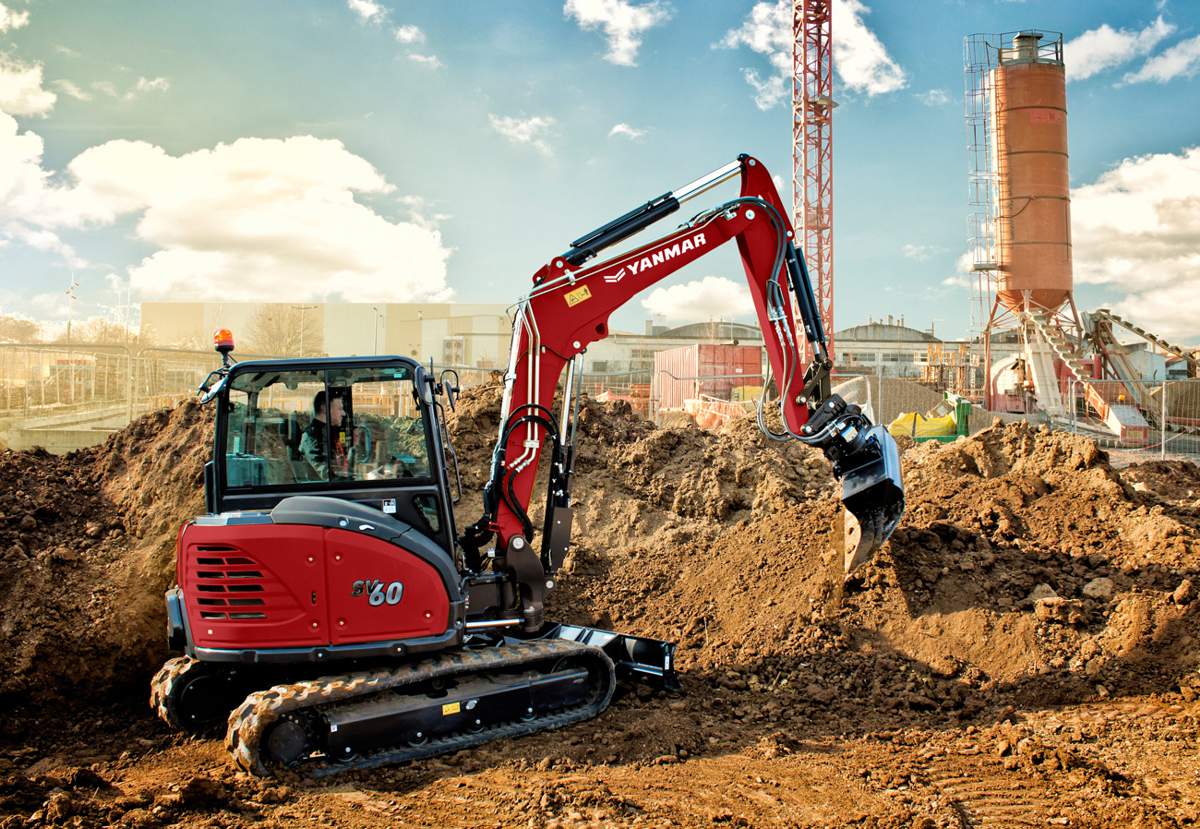
Yanmar’s design team therefore places significant emphasis on usability, visibility, comfort and intuitive operation. Spacious cabins, clear sightlines, ergonomic controls and reduced noise levels all contribute to an environment where operators can remain productive during extended working periods.
“Machines must be tough when facing difficult environments. But they also need to be gentle beside the people who operate them.”
The philosophy recognises a reality familiar throughout construction and agriculture: machines increasingly function as workplaces. Operators may spend ten or more hours per day inside a cab, making comfort and usability business-critical considerations rather than luxury features.
“Operators spend a very long time inside these machines. They become like an office. The experience should feel comfortable and refined.”
Preparing Equipment for the Industries of 2035
Industrial sectors are entering a period of profound technological transition. Electrification, autonomous systems, artificial intelligence, alternative fuels and connected infrastructure are reshaping expectations across agriculture, construction and transport.
Major manufacturers are responding by developing long-term product roadmaps that extend well beyond current commercial offerings. These programmes allow organisations to explore future operating environments while testing emerging technologies and design approaches.
Yanmar’s Product Vision 2035 initiative represents its contribution to this broader industry movement. The programme examines how machinery operating across land, city and sea environments may evolve in response to changing customer needs, environmental pressures and technological capabilities.
Importantly, the concepts developed through the programme prioritise practical value rather than futuristic aesthetics. Electrification, automation and alternative power technologies are explored within the context of how equipment can remain intuitive, productive and responsive to users.
That focus aligns closely with emerging industry thinking. Across construction equipment markets, manufacturers increasingly recognise that technological innovation alone is insufficient. Successful products must integrate advanced capabilities while remaining accessible to operators with varying levels of experience and technical expertise.
International recognition has followed these efforts. Yanmar’s concept designs received two Red Dot Design Awards in 2025, reflecting growing recognition of industrial design’s role within engineering-led sectors.
Building a Consistent Identity Across Global Markets
Brand identity presents a unique challenge for diversified industrial manufacturers. Companies operating across multiple sectors must maintain consistency while accommodating different customer groups, applications and regional markets.
For Yanmar, one of the most visible elements of this strategy is Premium Red, introduced during the company’s centenary celebrations in 2012. Developed through collaboration with industrial designer Ken Okuyama, the initiative sought to create a stronger visual connection across the company’s varied product portfolio.
Colour might appear a relatively minor consideration compared with engineering performance. Yet within industrial sectors, recognisable visual identities can significantly influence brand recognition, customer perception and market differentiation.
Whether viewed on a construction site, agricultural operation or marina, consistent visual cues help reinforce brand familiarity. For equipment owners managing mixed fleets and international operations, recognisable design language can strengthen confidence and visibility.
According to Kaido, Premium Red was intended to embody characteristics associated with the company’s heritage while providing a contemporary visual signature.
Today, the colour serves as a connecting element across diverse product categories, helping unify a business that spans numerous industries and geographic markets.
Translating Engineering Into Human Experience
While product design often attracts the greatest attention, Yanmar’s design activities extend far beyond machinery development.
Under Kaido’s leadership, the Visual Communication Group focuses on helping people understand and engage with complex technologies through exhibitions, events, brand experiences and physical environments.
The importance of this work continues to grow as industrial technologies become more sophisticated. Advanced power systems, automation platforms, connectivity solutions and digital services frequently involve concepts that are difficult for non-specialists to visualise.
“Engineering can be very complex. Our role is to understand how people experience that technology in their daily work.”
Effective communication therefore becomes an extension of product design itself. Exhibitions, demonstration spaces and interactive experiences help bridge the gap between engineering expertise and practical understanding, enabling customers, partners and communities to appreciate technological innovation more easily.
Tsuchiya credits Kaido’s ability to follow projects from concept through production as a defining strength when establishing the design division: “Many designers can draw beautifully. But Mina understood how to carry an idea from the very beginning through to production. That mindset was exactly what I needed when building the design division.”
Where Culture, Sustainability and Technology Meet
Some of the most interesting examples of design’s broader influence emerge when technology intersects with culture and community.
One such project involved collaboration with the historic Japanese sake producer Sawanotsuru. The initiative originated through Yanmar researchers developing a rice variety intended to reduce burdens on farmers producing rice for sake brewing. Kaido’s team then created bottle and packaging designs that communicated the agricultural story behind the product.
The final design blended contemporary features such as QR-code enabled transparency with traditional Japanese symbols including the sugidama cedar ball associated with sake production. In doing so, the project linked agricultural innovation with longstanding cultural traditions: “Rice is deeply connected to Japanese culture. Through projects like this, we hope people around the world can appreciate that connection while recognizing the farmers whose work makes it possible.”
The design team’s influence also extends into public environments. Through Waku Waku Park Create, Yanmar has participated in the redevelopment of Nagai Park in Osaka, integrating themes of food, sport, art and learning alongside sustainability initiatives including renewable energy and food-waste recycling systems. Design contributions included signage, facility elements and visitor experiences intended to make environmental concepts more accessible in everyday settings.
A Human Question at the Heart of Industrial Innovation
Despite rapid advances in automation, electrification and artificial intelligence, many of the principles guiding successful industrial innovation remain remarkably consistent.
The central challenge facing manufacturers today is not simply creating more advanced machines. It is ensuring those technologies genuinely improve working lives while helping businesses operate more efficiently, safely and sustainably.
Yanmar’s design philosophy illustrates how that objective can influence decisions ranging from cab ergonomics and product concepts to public spaces and cultural collaborations. The common thread is a focus on understanding how people interact with technology and how design can improve those interactions.
That philosophy ultimately traces back to the question that inspired founder Magokichi Yamaoka more than a century ago when developing the company’s earliest engines: how technology can improve work for the people who depend upon it.
As construction, agriculture, marine industries and energy systems continue their transformation, that human-centred perspective may prove just as valuable as any individual technological breakthrough. The future of industrial equipment will undoubtedly be more connected, automated and intelligent. Yet its success will still depend on something far simpler: understanding the people using it every day.