
When You Need a Personal Injury Lawyer and How the Process Works
St. Louis is a city where busy highways, thriving businesses, construction projects, and active neighborhoods bring opportunity but also the potential for unexpected accidents. When a serious injury occurs, the impact often extends far beyond the initial event, affecting a person’s health, finances, career, and family responsibilities.
Many injured individuals are uncertain about whether they have a valid legal claim or what steps they should take to protect their rights while focusing on recovery.
Understanding when legal representation becomes necessary can make a significant difference, especially when medical expenses continue to grow or questions about fault begin to emerge.
The legal process may seem intimidating at first, but it is designed to help injured people seek accountability and pursue compensation for losses caused by someone else’s negligence. For those facing these challenges, a St. Louis personal injury lawyer can provide guidance through each stage of the claims process, helping clients understand their options and make informed decisions about their future.
Signs Legal Help May Be Needed
Legal guidance often matters once injuries require extended care, fault remains disputed, or an insurer pushes for a quick statement. At that stage, records, witness accounts, and treatment notes begin shaping the claim.
Many families speak with a personal injury lawyer after a crash, fall, or defective-product incident, because early choices can affect evidence, filing deadlines, and compensation.
Cases That Often Support Claims
Personal injury claims often arise from vehicle collisions, unsafe property conditions, dog attacks, harmful consumer products, and jobsite incidents involving outside parties. Some medical negligence matters may also qualify. Each case turns on four basic points: duty, breach, cause, and damage.
Anger does not prove liability. Clear documentation, timely treatment, and credible facts usually carry more weight than emotion after a traumatic event.

What Compensation May Include
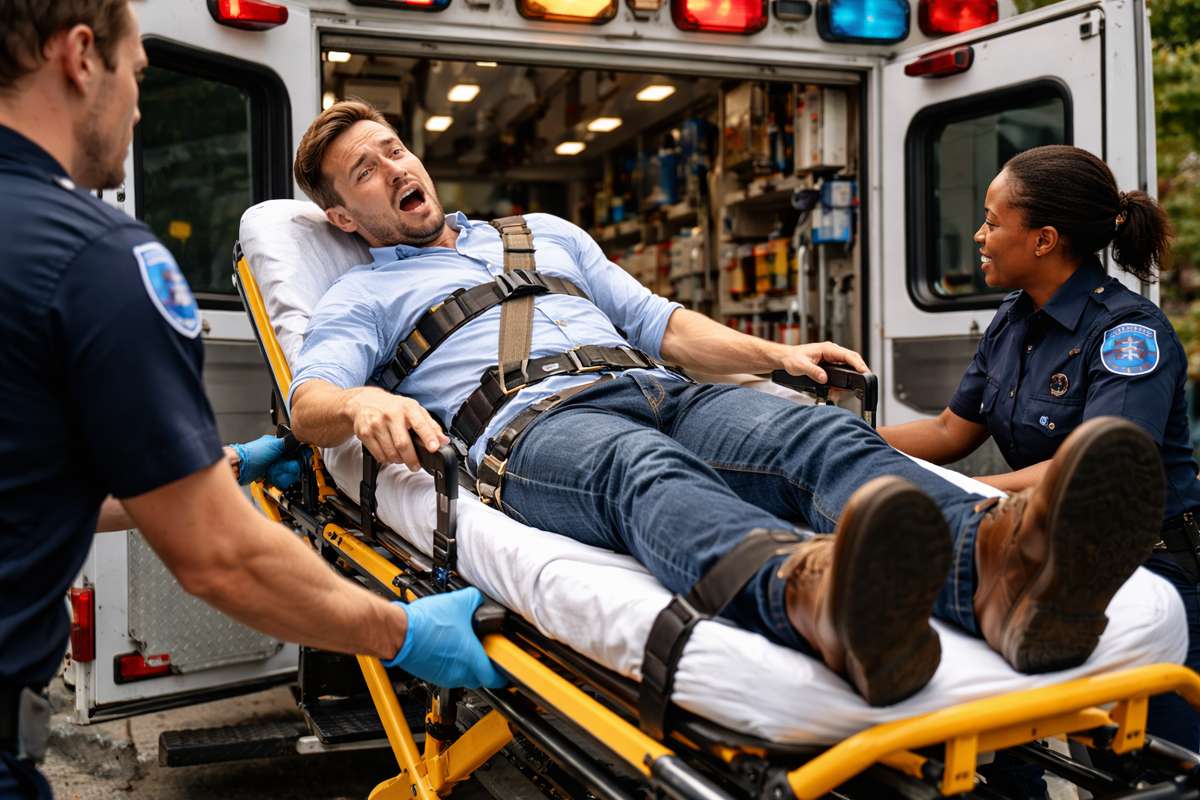
Compensation may cover ambulance transport, hospital care, surgery, therapy, medication, lost income, and reduced earning capacity. Some claims include pain, sleep disruption, anxiety, or loss of daily function. Property damage can be part of a traffic case.
Value depends on medical findings, recovery length, liability evidence, and long-term physical limits. A strained shoulder differs greatly from a spinal injury with lasting nerve symptoms.
What Happens First
Most cases begin with a consultation and record review. The lawyer asks how the event happened, what symptoms followed, and which documents already exist. Photos, bills, incident reports, and witness names can all help.
After that meeting, the legal team usually starts gathering evidence and identifying insurance coverage. Speed matters because camera footage may be erased, and memory can fade.
Evidence Shapes the Claim
Evidence gives the claim its backbone. Useful material may include emergency room notes, imaging results, wage records, repair invoices, expert opinions, and surveillance footage. Lawyers organize those items into a timeline that connects the event with the injury.
Insurance adjusters often search for gaps in care. If treatment begins late, they may argue that another condition caused the symptoms or made them worse.

How Insurance Negotiations Work
Once liability and damages are clearer, the lawyer may send a demand letter describing the event, losses, and the requested amount. Insurers rarely accept that figure at once.
A lower offer often arrives first. Negotiation then moves back and forth through letters, calls, and document exchanges. Some claims settle after several rounds. Others stall because the fault remains contested or the medical harm is being understated.
When a Lawsuit Becomes Necessary
A lawsuit does not always end in trial. Filing often means the opposing side refused a fair settlement. After the suit begins, both parties exchange information through discovery.
That stage may include written questions, document requests, and depositions. Formal deadlines start applying as well. Court supervision can move a stagnant claim forward and expose weak defenses that were hidden during informal insurance discussions.
What Clients Should Expect
Clients should expect ongoing questions about symptoms, appointments, missed work, and out-of-pocket costs. Honest updates matter because inconsistency can damage credibility.
Social media activity may become relevant if posts appear inconsistent with claimed physical limits. Strong legal counsel prepares clients for each step and explains timing in plain language. That structure can reduce stress while treatment, rehabilitation, and household responsibilities continue.
How Timing Can Affect Results
Every state sets a filing deadline for injury claims. Missing that date can end the case, even where fault appears clear. Delay can weaken proof in other ways, too. Witnesses relocate, records disappear, and damaged items get repaired or discarded.
Early legal review helps preserve detail before it fades. Waiting rarely improves an injury claim, and insurers often benefit from that lost time.
Choosing the Right Lawyer
A strong lawyer should communicate clearly, understand medical records, and be ready to try the case if needed. Experience with similar injuries matters because case value often depends on diagnosis, treatment course, and future limits.
Many firms work on a contingency basis, meaning fees come only from the recovery. Clients should still ask who handles daily contact, how expenses are charged, and what timeline seems realistic.
Conclusion
Personal injury cases follow a recognizable path, yet outcomes still depend on timing, documentation, and the medical strength of the claim. Legal help becomes more important when injuries are serious, responsibility is disputed, or insurers try to limit payment.
A lawyer investigates the event, gathers records, values losses, negotiates a settlement, and files suit where necessary. For injured families, that process can restore order during a physically and emotionally disruptive period.