EBRD Backs €99m Mining Equipment Modernisation in West Africa
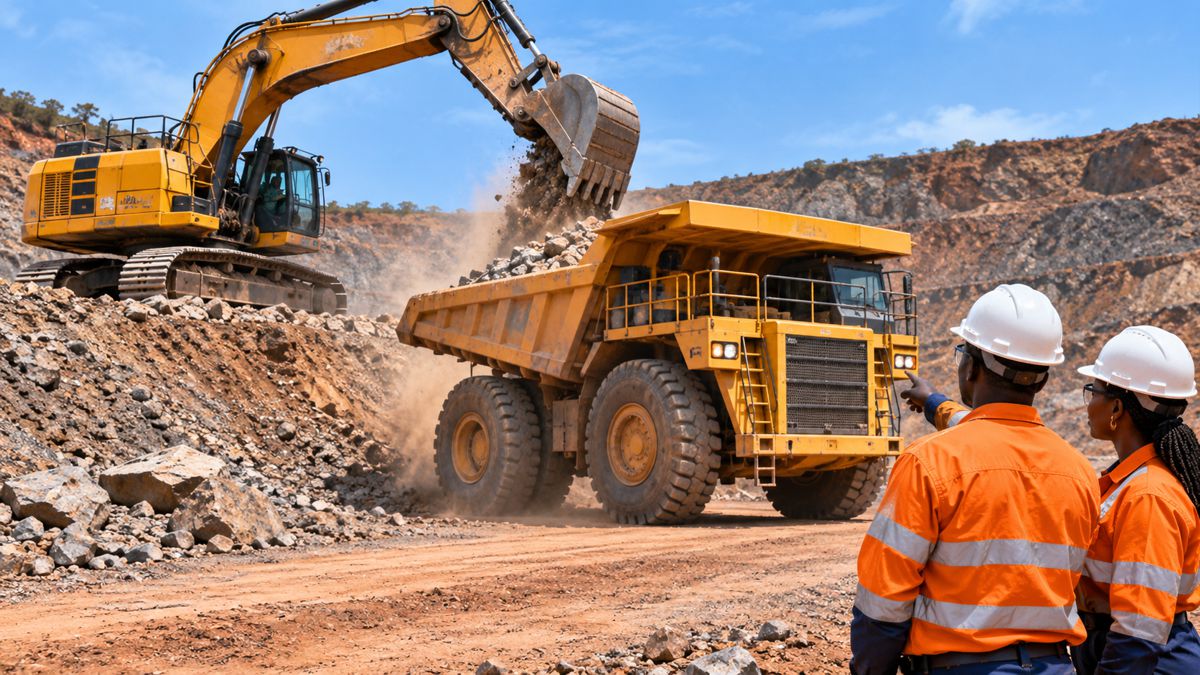
Mining contractor Mota-Engil Africa is set to modernise operations at three mines in Côte d’Ivoire and Senegal following a €99.1 million financing agreement with the European Bank for Reconstruction and Development (EBRD). The investment will support new machinery purchases, working capital and the refinancing of recent investments, alongside technical training programmes intended to strengthen the local mining workforce.
The agreement, announced in October, will help the contractor upgrade equipment across its existing operations. Replacing older machinery is expected to improve productivity while reducing fuel consumption and associated greenhouse gas emissions, although the bank has not disclosed the anticipated savings or the specific equipment involved.
The financing also reflects the EBRD’s expanding investment activities in sub-Saharan Africa, where it began investing in 2025.
Briefing
- The EBRD is providing a €99.1 million loan to Mota-Engil Africa for mining services operations in Côte d’Ivoire and Senegal.
- The financing covers equipment purchases, working capital and refinancing of recent investments at three mines.
- Newer mining machinery is expected to reduce fuel consumption and associated greenhouse gas emissions.
- Nationally accredited technical training programmes will be developed with educational institutions in both countries.
- An additional €200,000 technical cooperation programme will support workforce development and women’s participation in mining.
Modernising Mining Equipment and Operations
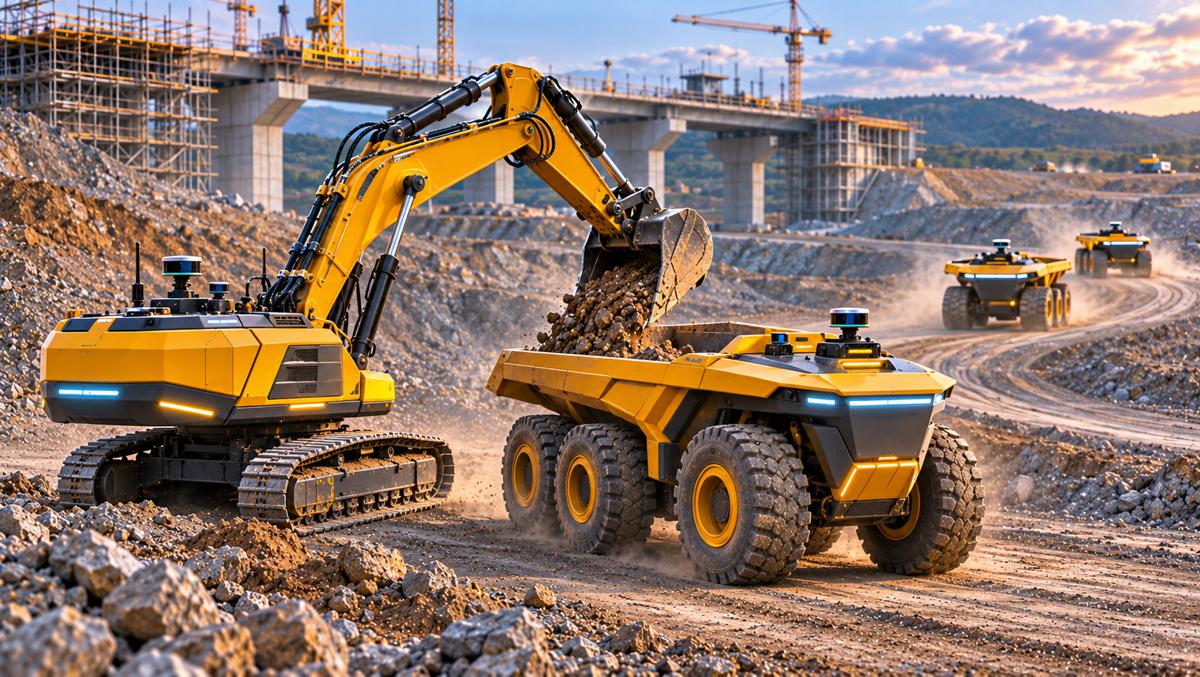
Mining services contractors operate in a capital-intensive environment where equipment availability, fuel consumption and maintenance requirements directly influence contract performance. Fleet renewal involves substantial expenditure, particularly when machinery must be replaced or upgraded while production continues.
The EBRD financing addresses several of these requirements simultaneously. Alongside purchases of modern equipment, the agreement includes working capital support and the refinancing of investments already undertaken at the three mining sites. This provides Mota-Engil Africa with additional financial capacity to manage its existing operations and equipment renewal programme.
The bank has not publicly identified the individual mines, the equipment manufacturers involved or the number of machines expected to be purchased. Consequently, the precise composition of the upgraded fleets and the scale of replacement activity have yet to be established.
The operational objectives are nevertheless clear. The EBRD expects newer machinery to improve productivity while consuming less fuel than the equipment it replaces, with corresponding reductions in greenhouse gas emissions.
In mining operations, these improvements depend on equipment selection, haul distances, material characteristics, loading cycles and site conditions. Fleet performance is also influenced by maintenance practices, operator proficiency and the availability of replacement parts.
The financing announcement does not specify whether the programme includes alternative powertrains, electrification or other particular equipment technologies.
The Economics of Mining Fleet Renewal
For contractors undertaking long-term mining services agreements, access to equipment finance is closely connected to operational competitiveness. Machinery purchases represent significant upfront expenditure, while the commercial return is realised through production over the duration of a contract.
Equipment renewal decisions must balance acquisition costs against fuel efficiency, maintenance expenditure, availability and remaining service life. Replacing an ageing machine may reduce operating costs, but the financial case depends on utilisation rates, production requirements and the cost of financing the replacement.
Mota-Engil Africa’s agreement combines capital investment with refinancing, allowing the company to address both future purchases and expenditure already incurred. The inclusion of working capital is also relevant to mining services operations, where substantial expenditure on fuel, maintenance and personnel can arise before corresponding contract payments are received.
Diesel consumption represents both an operating expense and a source of direct emissions for conventional mining equipment. Where newer machines can deliver the same production with less fuel, operating costs and emissions may decline together.
The EBRD has not disclosed expected fuel savings, emissions reductions or productivity improvements for the three sites. These outcomes will depend on the machinery ultimately deployed and the operational performance achieved after the upgrades.
Developing Technical Skills in Côte d’Ivoire and Senegal
The financing agreement extends beyond equipment investment to include workforce development, with Mota-Engil Africa committing to strengthen technical skills and establish nationally accredited training programmes in both countries.
The programmes will be developed in partnership with educational institutions and are intended to prepare participants for technical employment within the mining industry. The initiative will also support the development of skills among existing employees.
Modern mining fleets require technicians familiar with electronic diagnostics and control systems as well as conventional mechanical and hydraulic equipment. Developing those capabilities locally can reduce dependence on external technical support and provide a more consistent supply of qualified personnel.
National accreditation should also provide a recognised framework for technical qualifications, although the specific institutions, courses and certification arrangements have not yet been announced.
The company will introduce targeted measures to improve the recruitment, retention and advancement of women in technical, operational and leadership positions. These initiatives form part of the workforce commitments associated with the financing agreement.
An additional €200,000 technical cooperation programme, provided through the EBRD’s Gender and Economic Inclusion Framework, will support the skills development and inclusion measures. The programme is separate from the €99.1 million loan and is intended to assist with the human capital commitments accompanying the equipment investment.
EBRD Expands Its African Investment Portfolio
The agreement forms part of a relatively new geographical chapter for the EBRD, which began investing in sub-Saharan Africa in 2025.
The institution has since committed more than €620 million across Benin, Côte d’Ivoire, Kenya, Nigeria and Senegal. Its activities cover private-sector development, financial institutions, infrastructure, energy, natural resources, telecommunications and agribusiness.
The financing of Mota-Engil Africa provides an example of the bank’s support for established private-sector operators undertaking capital-intensive industrial activities.
Mining services contractors occupy a distinctive position within the extractive sector. They may provide the equipment, workforce and operational capabilities required to extract and transport material, while the mine owner retains responsibility for the mineral asset and broader mining development.
This arrangement creates opportunities for specialist engineering and construction companies capable of managing large equipment fleets, meeting production requirements and maintaining operations in demanding environments.
Mota-Engil Africa operates across engineering, construction and mining services, giving it experience in several areas of infrastructure and industrial development. The EBRD agreement supports the company’s existing mining activities while attaching workforce and environmental objectives to the investment.
Equipment Investment and Long-Term Mining Capacity
The effectiveness of the programme will ultimately be determined at the operating sites, where new equipment must deliver the anticipated improvements in production, reliability and fuel efficiency.
The investment will also require suitably trained personnel to operate and maintain the upgraded fleets. By combining machinery purchases with nationally accredited technical training, the agreement addresses two connected requirements of modern mining operations.
The €99.1 million financing provides Mota-Engil Africa with additional capacity to modernise its operations in Côte d’Ivoire and Senegal. The investment will now move from financing arrangements to the practical demands of equipment procurement, fleet deployment and technical training, with results depending on how effectively those elements are brought together across the three mining sites.
Key Industry Questions
- How much financing is the EBRD providing to Mota-Engil Africa? The EBRD is providing a €99.1 million loan, equivalent to approximately US$111 million at the value reported in the October 2026 announcement.
- Which countries will benefit from the investment? The financing supports mining services operations at three sites across Côte d’Ivoire and Senegal.
- What will the financing cover? It will fund purchases of modern mining equipment, support working capital requirements and refinance recent investments.
- Which mining equipment manufacturers are involved? The EBRD announcement does not identify equipment manufacturers, specific machine models or procurement quantities.
- How will the investment reduce mining emissions? The programme aims to replace older machinery with more fuel-efficient equipment, reducing diesel consumption and associated greenhouse gas emissions.
- Will the project introduce electric mining machinery? The financing announcement does not specify electric, hybrid or other alternative-powertrain equipment.
- What technical training is planned? Mota-Engil Africa intends to establish nationally accredited technical training programmes with educational institutions in Côte d’Ivoire and Senegal.
- How will women benefit from the programme? The company has committed to measures supporting the recruitment, retention and advancement of women in technical, operational and leadership positions.
- When did the EBRD begin investing in sub-Saharan Africa? The EBRD began investing in the region in 2025 and has since committed more than €620 million across five countries, according to its October 2026 announcement.
Strategic Takeaways
- Combining equipment purchases with refinancing and working capital support addresses several financial pressures associated with large mining services contracts.
- The commercial benefits of fleet modernisation will depend on machine utilisation, maintenance performance and measurable fuel savings.
- The absence of published equipment specifications leaves the technological scope of the modernisation programme open.
- Nationally accredited training could help build a local workforce capable of supporting increasingly sophisticated mining machinery.
- The transaction broadens the EBRD’s involvement in sub-Saharan Africa through direct financing of an established mining services contractor.