







Generative Design
A digital design and information management term used in infrastructure planning, modelling and delivery.
Generative Design Explained
Generative Design is a key term within bim & design technology, where it is used across construction, infrastructure, transport and industrial project delivery. In practical terms, it helps describe how work is planned, specified, delivered, measured or maintained on real sites and assets. Understanding generative design is useful because the same language is often shared by contractors, designers, suppliers, asset owners, public authorities and investors.
Within Highways.Today’s Dictionary, generative design should be read as part of the wider vocabulary of design, modelling, survey, geospatial, digital engineering and project information management terms. It may appear in technical specifications, tender documents, project reports, equipment guides, safety plans, design models, maintenance schedules or news articles. Exact requirements can vary by country, project type, contract form, standard and manufacturer, so readers should always check the relevant local guidance, drawings, regulations and professional advice before relying on the term for design, procurement or operational decisions.
Articles Featuring Generative Design
 Graitec Stakes its AECO AI Strategy on Accountability and Sign-Off
27th June 2026
Graitec Stakes its AECO AI Strategy on Accountability and Sign-Off Graitec, the French-headquartered structural software developer and one of the…
Graitec Stakes its AECO AI Strategy on Accountability and Sign-Off
27th June 2026
Graitec Stakes its AECO AI Strategy on Accountability and Sign-Off Graitec, the French-headquartered structural software developer and one of the…
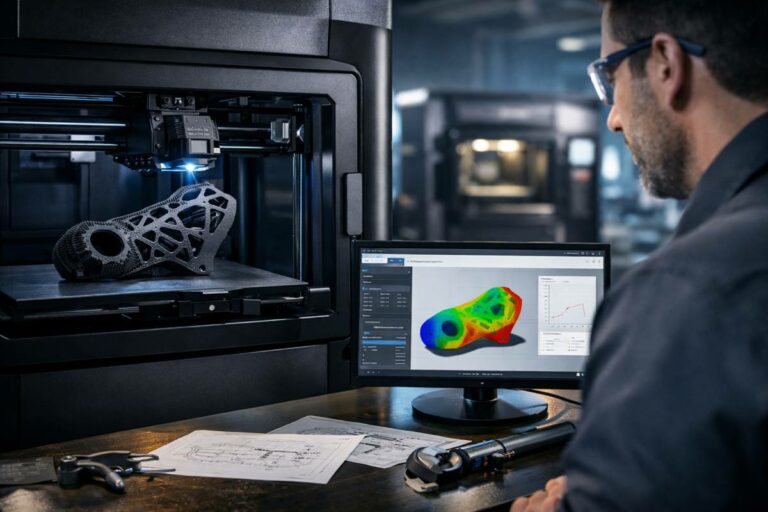 Smarter Simulation for Industrial 3D Printing
25th December 2025
Smarter Simulation for Industrial 3D Printing Industrial additive manufacturing has long promised lighter parts, faster iteration and supply chain resilience.…
Smarter Simulation for Industrial 3D Printing
25th December 2025
Smarter Simulation for Industrial 3D Printing Industrial additive manufacturing has long promised lighter parts, faster iteration and supply chain resilience.…
 ZIGURAT Launches Global Online AI in Construction Master’s Programme
3rd March 2025
ZIGURAT Launches Global Online AI in Construction Master’s Programme Artificial Intelligence (AI) is no longer a futuristic concept; it’s here,…
ZIGURAT Launches Global Online AI in Construction Master’s Programme
3rd March 2025
ZIGURAT Launches Global Online AI in Construction Master’s Programme Artificial Intelligence (AI) is no longer a futuristic concept; it’s here,…










Editorial Note
The Highways.Today Dictionary is maintained as an editorial reference resource for construction, infrastructure, transport and industrial technology professionals. Definitions are intended to support understanding, discovery and research, and may be expanded over time as the Dictionary evolves into a broader illustrated industry reference.