







Utility Mapping
A digital design and information management term used in infrastructure planning, modelling and delivery.
Utility Mapping Explained
Utility Mapping is a key term within bim & design technology, where it is used across construction, infrastructure, transport and industrial project delivery. In practical terms, it helps describe how work is planned, specified, delivered, measured or maintained on real sites and assets. Understanding utility mapping is useful because the same language is often shared by contractors, designers, suppliers, asset owners, public authorities and investors.
Within Highways.Today’s Dictionary, utility mapping should be read as part of the wider vocabulary of design, modelling, survey, geospatial, digital engineering and project information management terms. It may appear in technical specifications, tender documents, project reports, equipment guides, safety plans, design models, maintenance schedules or news articles. Exact requirements can vary by country, project type, contract form, standard and manufacturer, so readers should always check the relevant local guidance, drawings, regulations and professional advice before relying on the term for design, procurement or operational decisions.
Articles Featuring Utility Mapping
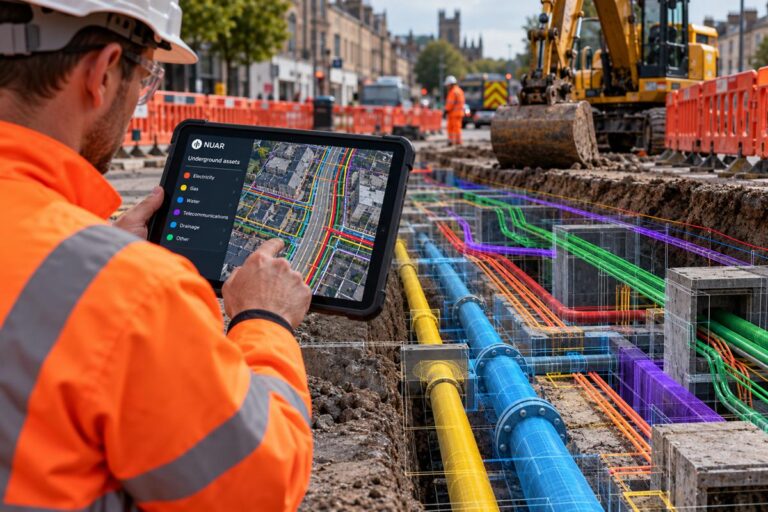 Britain Is Building a Digital Map of What Lies Beneath Its Roads
3rd October 2026
Britain Is Building a Digital Map of What Lies Beneath Its Roads Britain’s national mapping agency generated £198.7 million in…
Britain Is Building a Digital Map of What Lies Beneath Its Roads
3rd October 2026
Britain Is Building a Digital Map of What Lies Beneath Its Roads Britain’s national mapping agency generated £198.7 million in…
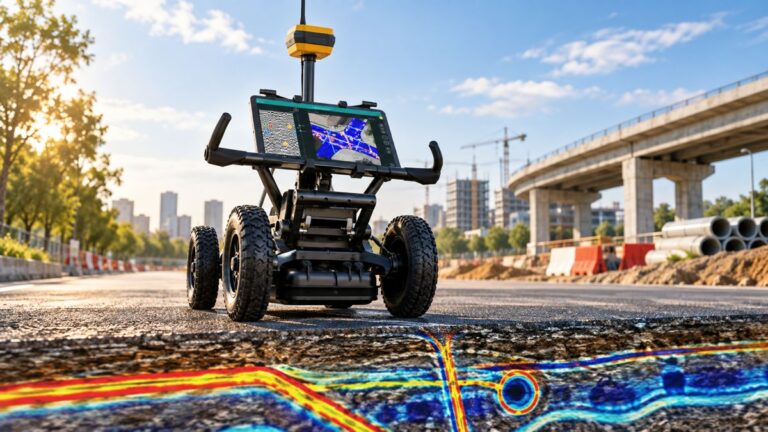 Topcon Takes its Geomatics Ecosystem Underground with Proceq GPR
17th September 2026
Topcon Takes its Geomatics Ecosystem Underground with Proceq GPR Topcon Positioning Systems is extending its geomatics workflow below ground through…
Topcon Takes its Geomatics Ecosystem Underground with Proceq GPR
17th September 2026
Topcon Takes its Geomatics Ecosystem Underground with Proceq GPR Topcon Positioning Systems is extending its geomatics workflow below ground through…
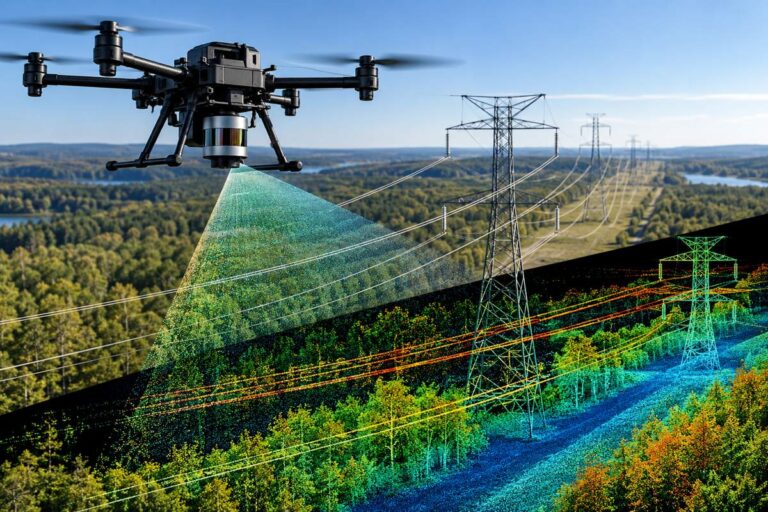 Native Colour Lidar Pushes Drone Mapping to Higher Altitudes
16th September 2026
Native Colour Lidar Pushes Drone Mapping to Higher Altitudes Power lines present an awkward problem for aerial surveyors. They are…
Native Colour Lidar Pushes Drone Mapping to Higher Altitudes
16th September 2026
Native Colour Lidar Pushes Drone Mapping to Higher Altitudes Power lines present an awkward problem for aerial surveyors. They are…
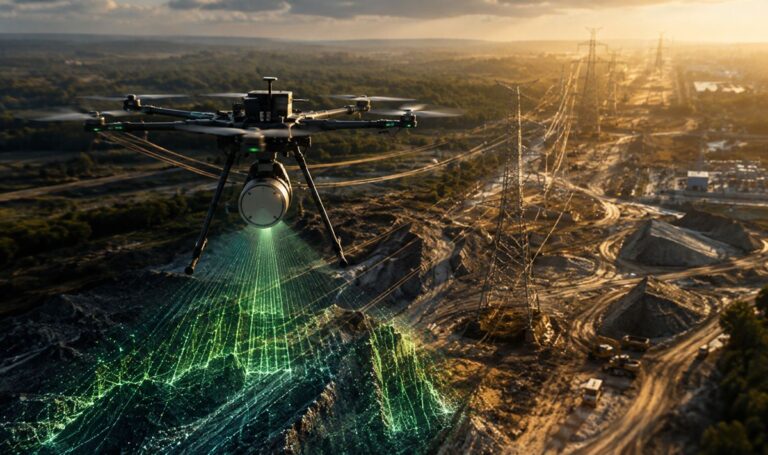 Ouster and GeoCue Push Drone LiDAR Further Into Infrastructure Mapping
3rd September 2026
Ouster and GeoCue Push Drone LiDAR Further Into Infrastructure Mapping Drone surveying of power lines, transport corridors and major infrastructure…
Ouster and GeoCue Push Drone LiDAR Further Into Infrastructure Mapping
3rd September 2026
Ouster and GeoCue Push Drone LiDAR Further Into Infrastructure Mapping Drone surveying of power lines, transport corridors and major infrastructure…
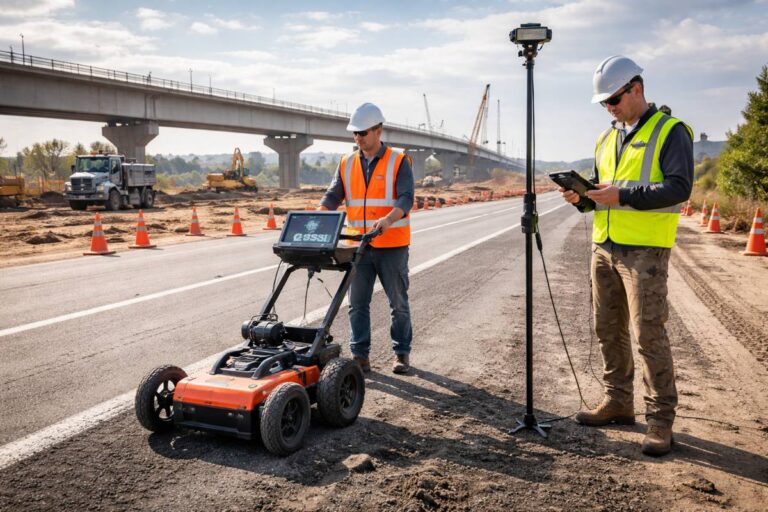 Topcon And GSSI Integrate Ground Penetrating Radar With GNSS Mapping
4th March 2026
Topcon And GSSI Integrate Ground Penetrating Radar With GNSS Mapping Modern infrastructure projects increasingly depend on accurate data, not only…
Topcon And GSSI Integrate Ground Penetrating Radar With GNSS Mapping
4th March 2026
Topcon And GSSI Integrate Ground Penetrating Radar With GNSS Mapping Modern infrastructure projects increasingly depend on accurate data, not only…
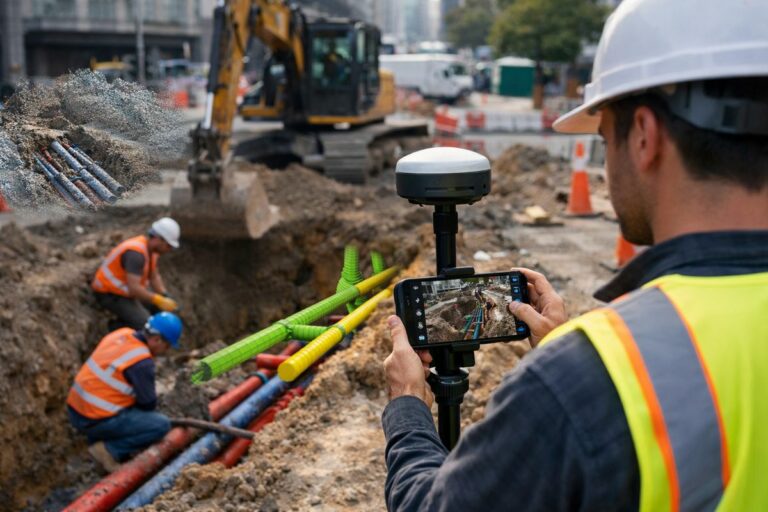 From Trenches to Digital Twins as Field Reality Capture Enters the Enterprise GIS
18th February 2026
From Trenches to Digital Twins as Field Reality Capture Enters the Enterprise GIS Across the global infrastructure sector, the most…
From Trenches to Digital Twins as Field Reality Capture Enters the Enterprise GIS
18th February 2026
From Trenches to Digital Twins as Field Reality Capture Enters the Enterprise GIS Across the global infrastructure sector, the most…










Editorial Note
The Highways.Today Dictionary is maintained as an editorial reference resource for construction, infrastructure, transport and industrial technology professionals. Definitions are intended to support understanding, discovery and research, and may be expanded over time as the Dictionary evolves into a broader illustrated industry reference.