Burkina Faso Tests a New Model for Building Highways at Speed
Burkina Faso has rarely been cited as a benchmark for large-scale infrastructure delivery. A landlocked West African nation, constrained by limited logistics access and long-standing development challenges, it has historically struggled to build out even basic road networks. Yet in late 2025, the country moved in a direction that has caught the attention of infrastructure professionals far beyond the Sahel.
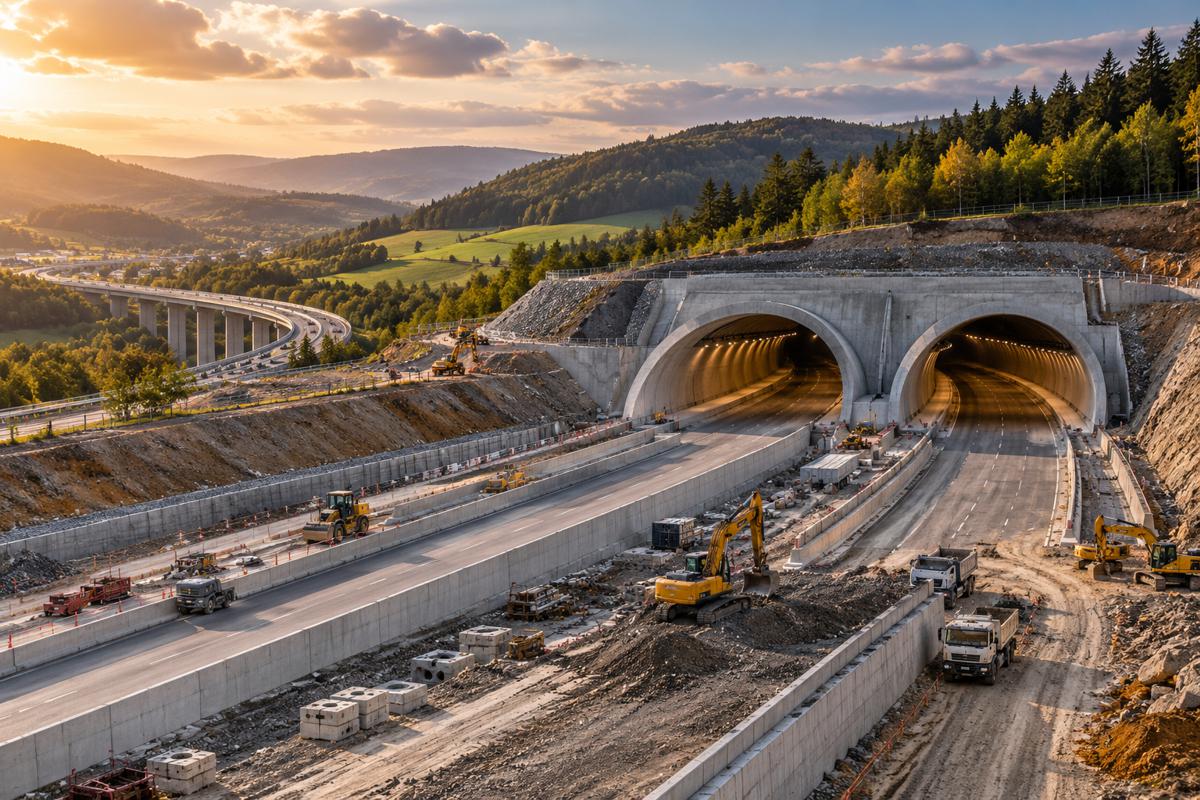
A 332-kilometre expressway linking Ouagadougou and Bobo-Dioulasso, the country’s two largest cities, began construction with an approach that bypassed traditional procurement structures. Within weeks, early-stage works reportedly advanced at a pace that would be unusual even in more established construction markets. The project has since become a focal point for a wider debate about how infrastructure is financed, delivered, and controlled across emerging economies.
To understand the significance, it helps to look at the baseline. According to data from the African Development Bank, Burkina Faso’s infrastructure index score stood at just over 22 out of 100 in recent assessments. Over six decades since independence in 1960, the country developed roughly 3,000 kilometres of paved roads. Spread across a territory serving more than 20 million people, that level of connectivity has constrained trade, mobility, and economic diversification.
What is now unfolding is less about a single highway and more about a shift in delivery philosophy. Instead of relying on external contractors and layered procurement chains, Burkina Faso has tested a model built around state-directed execution, local labour mobilisation, and domestic resource funding.
Briefing
- Burkina Faso has launched a 332 km expressway between Ouagadougou and Bobo-Dioulasso using a state-led construction model
- Early works reportedly progressed rapidly, with significant sections cleared within weeks
- The project is financed in part through increased state capture of gold revenues
- The approach bypasses traditional contractor-led procurement structures
- The model raises questions about cost efficiency, scalability, and long-term quality assurance
Breaking Away from Traditional Procurement Models
Infrastructure delivery in many developing markets follows a familiar pattern. Governments issue tenders, major contractors bid for projects, and delivery is often broken down through multiple layers of subcontracting. Each layer introduces cost, risk, and administrative complexity. By the time physical construction begins, a significant portion of the original budget has already been absorbed by fees, logistics, and imported inputs.
This is not unique to Burkina Faso. Studies from institutions such as the World Bank have long documented inefficiencies in infrastructure procurement across emerging economies, including cost overruns, delays, and limited value retention within local economies.
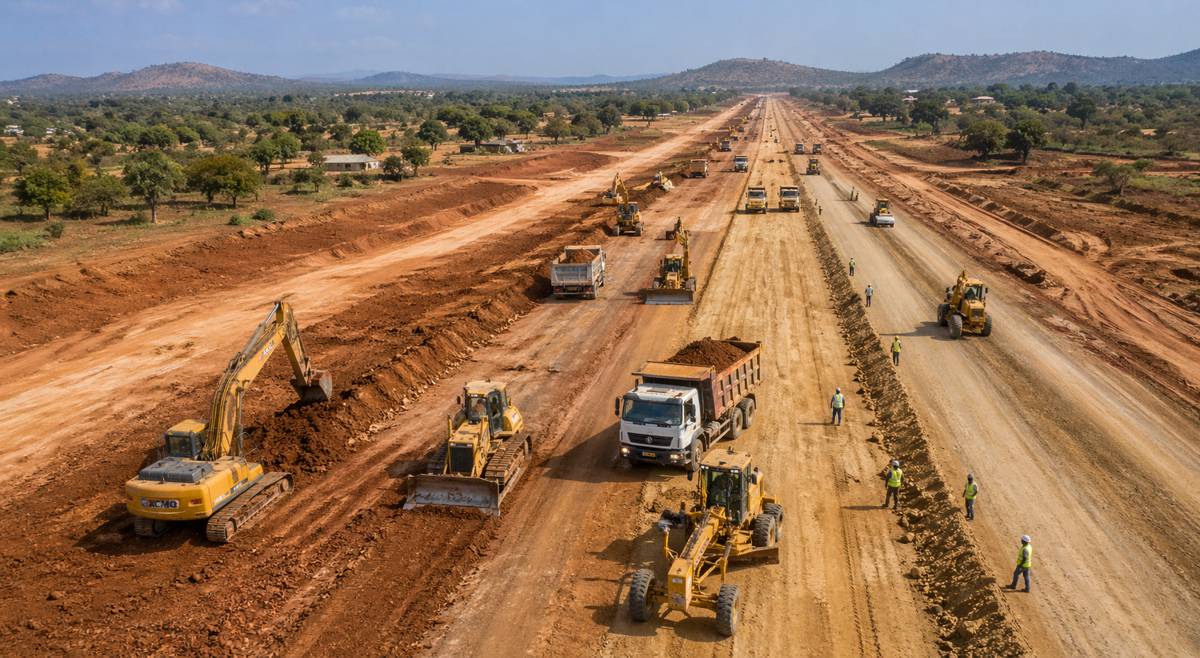
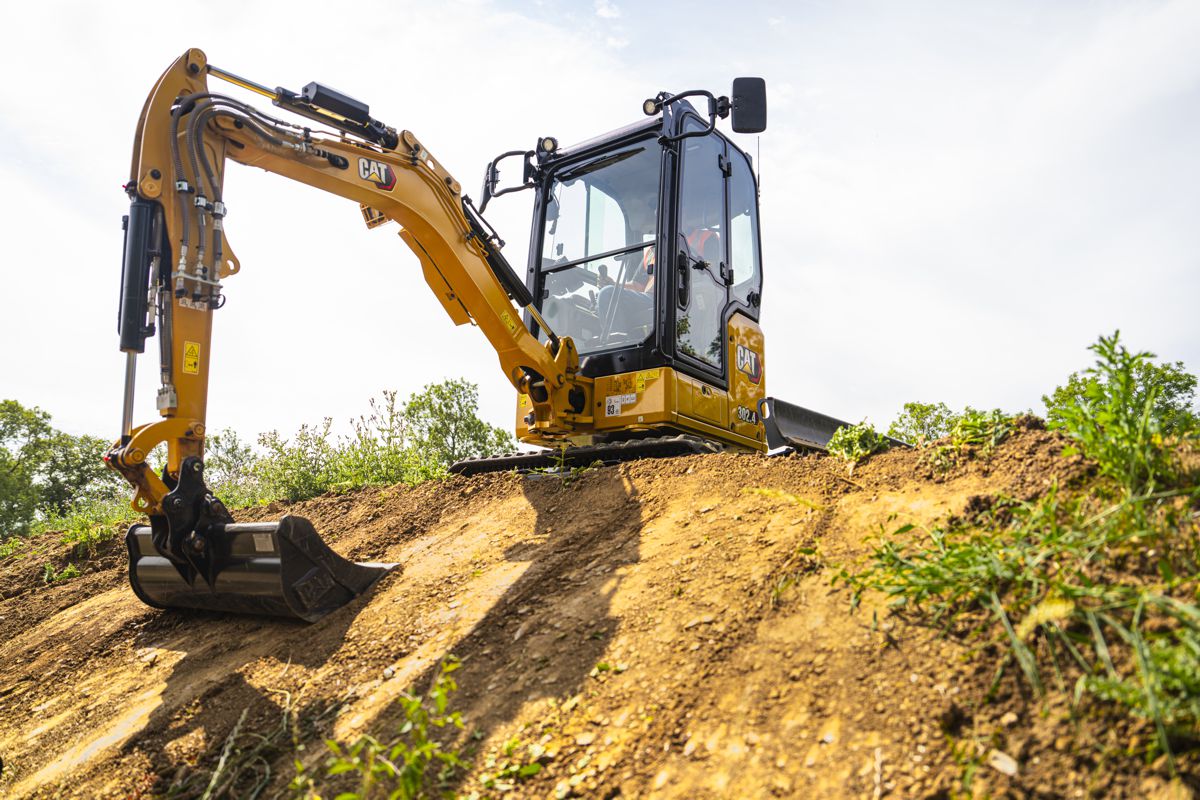
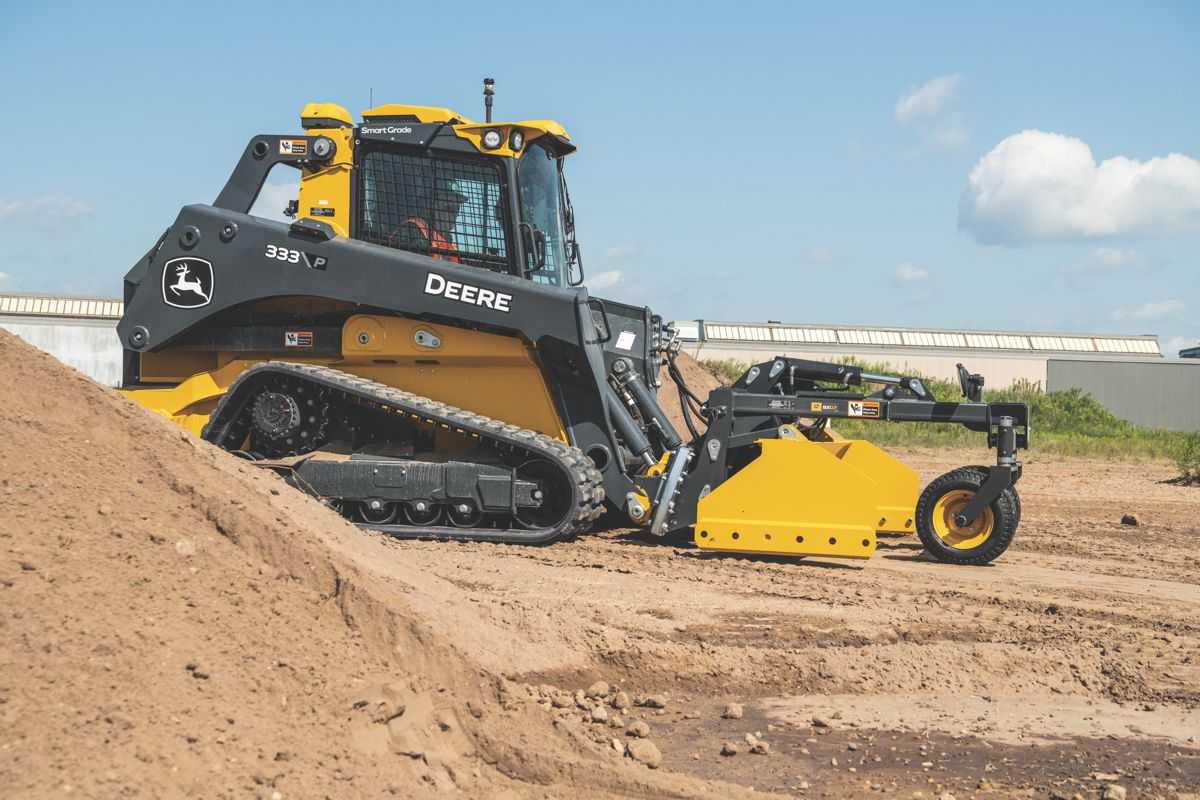
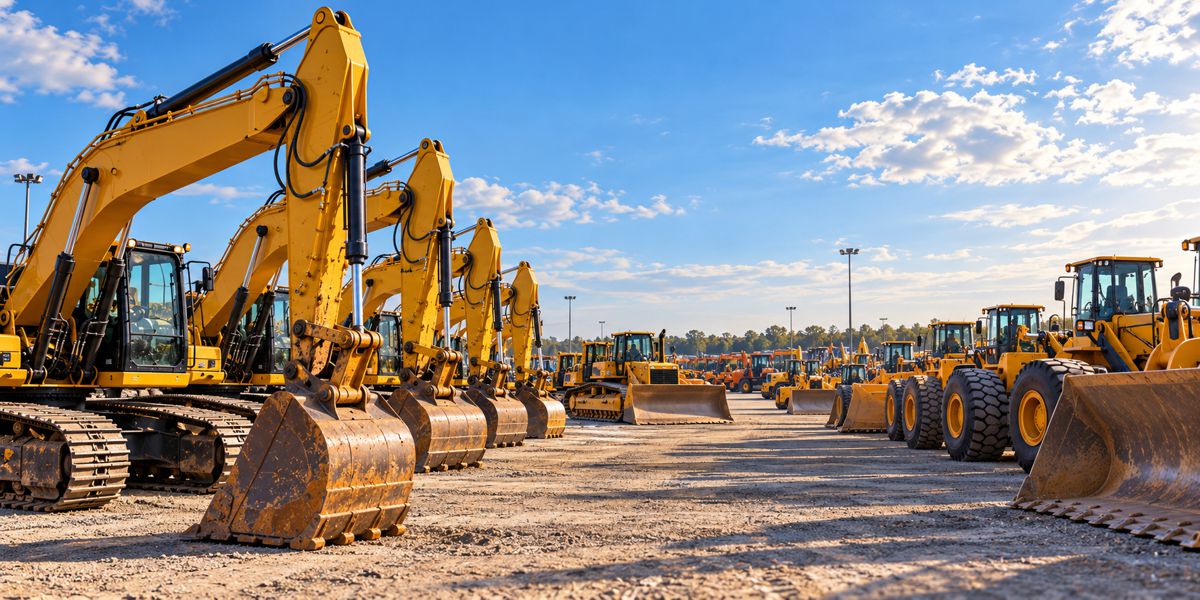
Burkina Faso’s decision to reduce reliance on external contractors represents a deliberate departure. Rather than negotiating within the existing framework, the government opted to build internal capacity. This included acquiring a fleet of heavy machinery and training local operators to manage it.
The initiative, often associated with the concept of “building by ourselves,” shifts both risk and control back to the state. While this concentrates responsibility, it also eliminates several cost layers that typically inflate project budgets.
Financing Infrastructure Through Resource Control
The financial underpinning of the project is closely tied to Burkina Faso’s gold sector. The country ranks among Africa’s leading gold producers, with output estimated at over 50 tonnes annually in recent years. Gold accounts for a substantial share of export earnings and government revenue.
However, the challenge has never been production alone. Transparency initiatives such as the Extractive Industries Transparency Initiative have highlighted how resource-rich countries often lose significant value through underreporting, illicit flows, and weak fiscal capture mechanisms.
In Burkina Faso’s case, estimates suggest billions of dollars have been lost over time through such leakages. Recent policy shifts have focused on increasing state participation in the sector and improving revenue collection. Reports from Reuters indicate that state-controlled gold collection volumes have risen, with more output channelled directly into national accounts.
That shift matters. Infrastructure requires capital, and for landlocked economies with limited borrowing capacity, domestic resource mobilisation can be one of the few viable funding routes. By redirecting revenues that might otherwise leave the system, the government has created a funding stream that supports large-scale projects without relying heavily on external debt.
Speed as a Strategic Variable
One of the most striking aspects of the project has been the reported pace of early works. Clearing and earthmoving operations progressed rapidly, supported by continuous shifts and a workforce operating around the clock. While such acceleration is not unprecedented in global construction, it is unusual in contexts where administrative bottlenecks often slow progress.
Speed, in this case, appears to be treated as a strategic priority rather than a by-product of efficiency. In regions facing security challenges and economic pressures, infrastructure is often viewed as a stabilising force. Roads improve mobility, enable trade corridors, and strengthen state presence across territories.
There is also a practical dimension. Faster delivery reduces exposure to cost inflation, currency fluctuations, and prolonged logistical challenges. For a country operating under sanctions and facing import constraints, compressing project timelines can mitigate risks that would otherwise accumulate over years.
Regional Connectivity and Trade Implications
Burkina Faso’s geography places it at a crossroads in West Africa. Despite lacking direct access to the sea, it relies on transport corridors linking to coastal ports in countries such as Côte d’Ivoire, Ghana, and Togo. Efficient road infrastructure is therefore essential for both imports and exports.
The Ouagadougou–Bobo-Dioulasso corridor is a critical internal artery that feeds into these regional routes. Improving its capacity has implications beyond national borders. It can enhance trade flows, reduce transport costs, and strengthen integration with neighbouring economies.
In recent years, regional cooperation frameworks have sought to improve cross-border infrastructure, though progress has often been uneven. By investing heavily in domestic corridors, Burkina Faso may be positioning itself to play a more active role in regional logistics networks, particularly within the Sahel.
Building Local Capacity at Scale
A defining feature of the project is the emphasis on local workforce development. Instead of relying on imported expertise, the initiative has focused on training young Burkinabè workers to operate heavy machinery and participate directly in construction activities.
This approach addresses a long-standing issue in infrastructure delivery. Large projects frequently bring in foreign contractors and skilled labour, limiting knowledge transfer to local populations. When projects conclude, much of that expertise leaves with them.
By contrast, building domestic capacity creates a more durable asset. Skills developed on one project can be applied to future works, gradually strengthening the country’s construction sector. Over time, this can reduce dependence on external contractors and improve resilience across the industry.
Cost Dynamics and Project Economics
One of the more widely discussed aspects of the expressway is the contrast between initial cost estimates and the reported project budget. Traditional contractor-led bids placed the cost at several billion dollars. The state-led model, by comparison, has been cited at a fraction of that figure.
Such differences are not entirely surprising. Eliminating layers of subcontracting, reducing import dependencies, and leveraging local labour can significantly lower costs. However, cost comparisons require careful interpretation. Contractor bids often include risk buffers, financing costs, and long-term maintenance considerations that may not be fully reflected in state-led estimates.
Even so, the scale of the difference has prompted renewed scrutiny of how infrastructure projects are priced across the continent. For investors and policymakers, the question is not simply whether costs can be reduced, but how to ensure that savings do not come at the expense of quality or durability.
Engineering Standards and Long-Term Performance
Speed and cost efficiency inevitably raise questions about engineering standards. Road construction is not just about clearing land and laying asphalt. It requires detailed design, drainage systems, structural integrity for bridges and interchanges, and long-term maintenance planning.
International best practice, often guided by organisations such as the International Road Federation, emphasises lifecycle performance rather than initial build speed. Poor drainage or subgrade preparation can lead to rapid deterioration, increasing maintenance costs and reducing the overall value of the asset.
At this stage, full technical assessments of the Burkina Faso project are limited. As construction progresses, independent audits and performance monitoring will be critical in determining whether the accelerated approach can meet established engineering benchmarks.
A Shift in Infrastructure Philosophy
What makes this development noteworthy is not just the project itself, but the broader shift it represents. For decades, infrastructure in many African countries has been shaped by external financing, international contractors, and complex procurement systems. While these have delivered significant assets, they have also introduced dependencies and inefficiencies.
Burkina Faso’s approach suggests an alternative pathway, one that prioritises domestic control, rapid execution, and resource-backed financing. It is not a universal solution, nor is it without risks. Commodity dependence, governance challenges, and technical constraints remain important factors.
Even so, the model introduces a new variable into the conversation. It challenges assumptions about how infrastructure must be delivered and who should control the process. For a sector that often relies on established frameworks, that alone is enough to attract attention.
Watching the Results Unfold
Infrastructure projects are ultimately judged over time. Initial progress, however rapid, is only part of the story. Durability, maintenance, economic impact, and user experience will determine whether the expressway delivers lasting value.
Burkina Faso’s experiment is still in its early stages. Yet it has already sparked discussion across the construction and infrastructure community. Questions around cost efficiency, local capacity, and resource utilisation are being revisited with renewed urgency.
The outcome will not only shape the country’s transport network but may also influence how other nations approach similar challenges. In an industry where incremental change is often the norm, even a single project can shift perceptions if it demonstrates a different way forward.