Powering Progress in Guinea with Solar and Grid Infrastructure
Guinea is taking a decisive step towards reshaping its energy landscape, awarding a €192 million contract to VINCI Energies to deliver a major package of electricity generation and transmission infrastructure. The project, commissioned by the Guinean Ministry of Energy and Ministry of Economy and Finance, signals a shift in how the West African nation is addressing long-standing power constraints while positioning itself for sustainable economic growth.
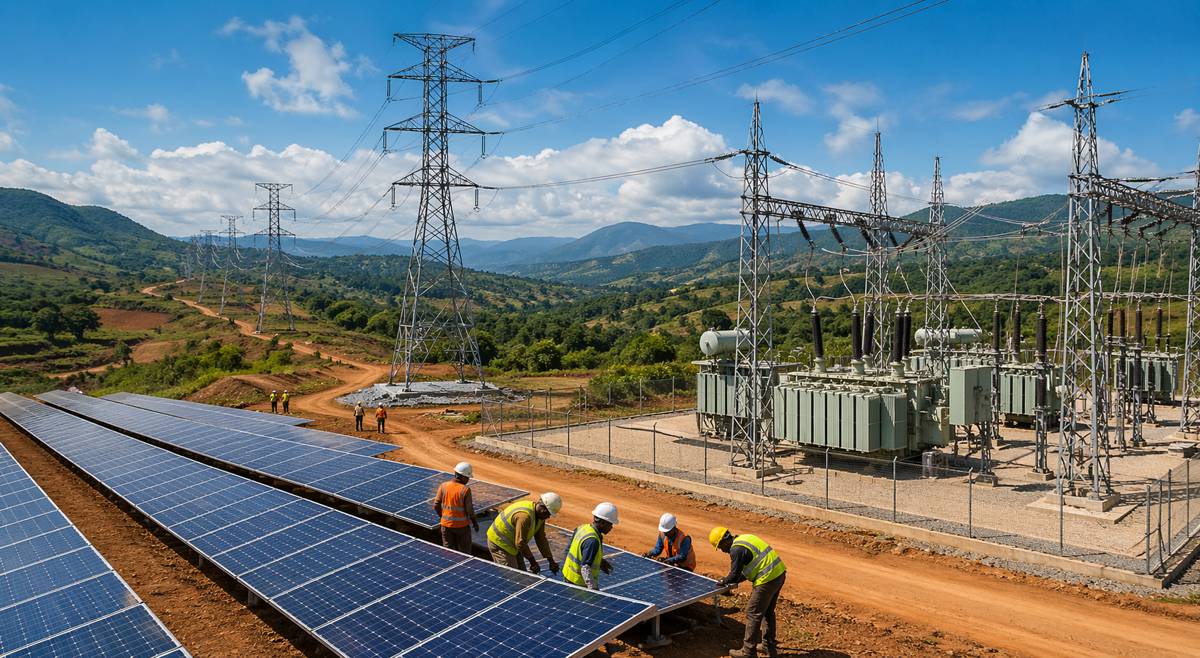
At its core, the scheme combines renewable generation with critical grid expansion. It includes a 50 MWp solar farm, 350 kilometres of 225 kV transmission lines, and two very-high-voltage substations. While each component carries weight on its own, the real significance lies in their integration. By coupling generation with transmission capacity, Guinea is not simply adding power, it is strengthening the backbone of its national grid.
The programme, supported financially by the Government of France, is expected to run for two and a half years and mobilise more than 600 workers. Beyond its physical outputs, it reflects a broader recalibration across emerging economies where energy security, industrialisation, and climate commitments are increasingly intertwined.
Briefing
- €192 million contract awarded to VINCI Energies for integrated energy infrastructure in Guinea
- Construction includes a 50 MWp solar farm, 350 km of 225 kV transmission lines, and two substations
- Project duration set at two and a half years with over 600 workers involved
- Backed by financial support from the Government of France
- Focus on energy sovereignty, renewable integration, and skills transfer to local teams
Building a Grid That Can Carry Growth
Guinea’s energy challenge has never been purely about generation. The country possesses significant hydropower potential and has invested in large-scale dams over the past decade, yet electricity access remains inconsistent, particularly outside urban centres. The missing link has often been transmission and distribution infrastructure capable of delivering power reliably across vast and sometimes difficult terrain.
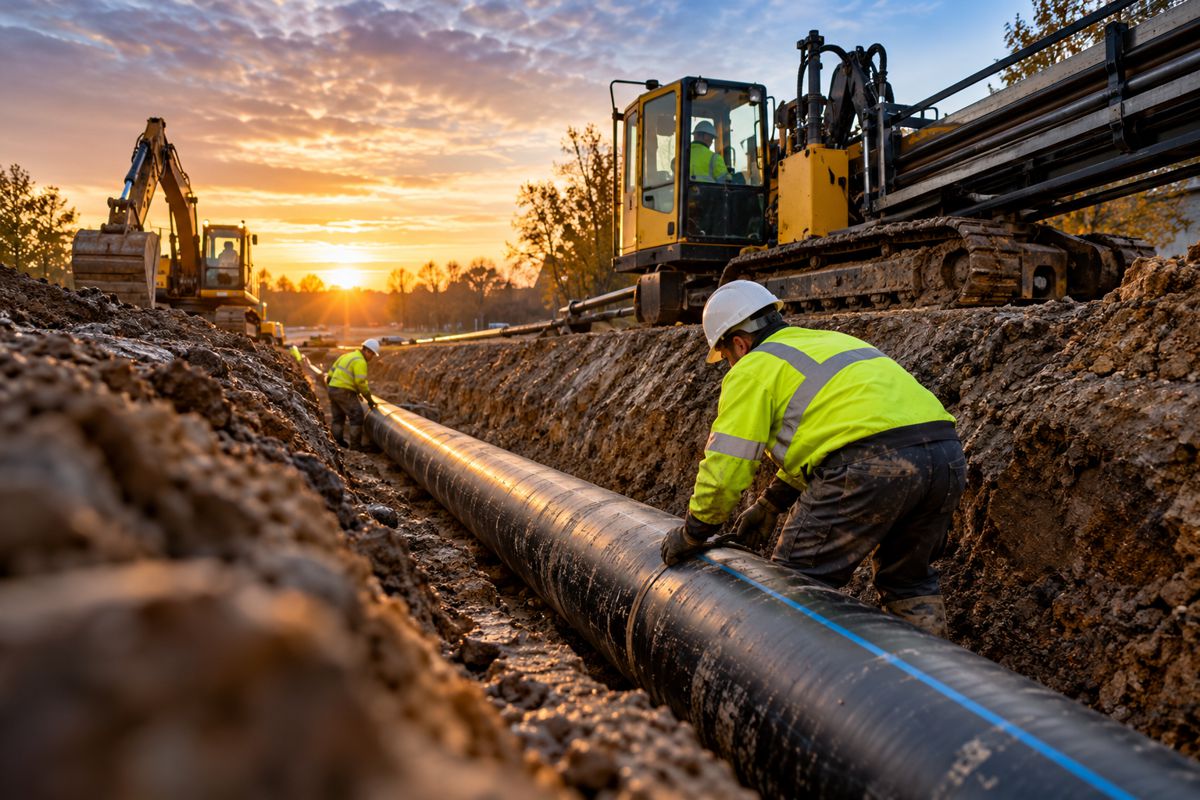
This project directly addresses that bottleneck. The planned 350 km of high-voltage transmission lines will expand the reach of the national grid, connecting generation sources to demand centres more efficiently. Operating at 225 kV, the lines are designed to carry large volumes of electricity over long distances with reduced losses, a critical factor in improving grid performance in developing markets.
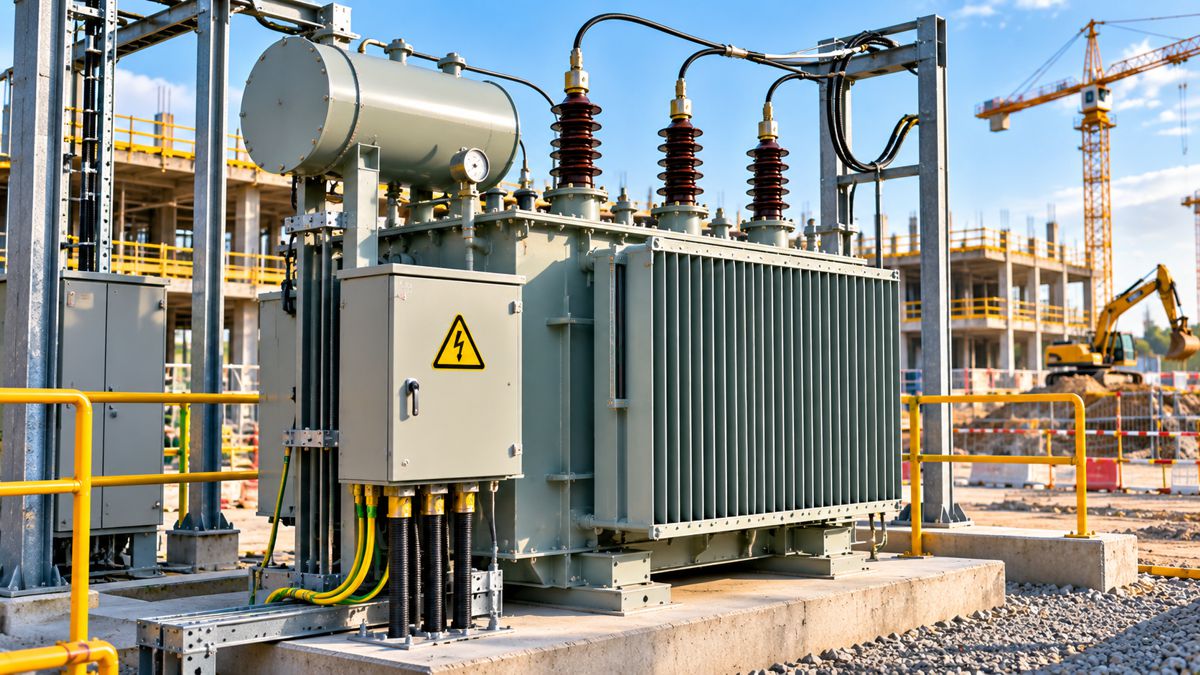
The addition of two very-high-voltage substations further reinforces system stability. These facilities play a vital role in voltage regulation and load management, ensuring that electricity can be transmitted safely and distributed effectively. In practical terms, they reduce the risk of outages, improve reliability for industrial users, and enable future expansion of the network.
Solar Power as a Strategic Asset
The inclusion of a 50 MWp solar farm marks a notable step in Guinea’s energy diversification. While hydropower has traditionally dominated the country’s generation mix, reliance on a single source exposes the system to seasonal variability and climate-related risks. Solar energy provides a complementary solution, particularly during dry seasons when water levels may fall.
Across sub-Saharan Africa, solar deployment has accelerated in recent years, driven by falling technology costs and improved financing mechanisms. According to the International Energy Agency, solar is now among the fastest-growing sources of electricity generation globally, with emerging markets leading much of the expansion due to their untapped potential and rising demand.
In Guinea’s case, the solar farm is not merely an add-on but a strategic asset. It introduces flexibility into the energy mix, reduces dependence on hydrological cycles, and aligns with broader efforts to reduce carbon intensity. For investors and policymakers, it sends a clear signal that renewable energy is becoming central to infrastructure planning in the region.
Strengthening Energy Sovereignty
Energy sovereignty has become a defining theme in infrastructure policy, particularly in countries seeking to reduce reliance on imported fuels and external power sources. For Guinea, improving domestic generation capacity while enhancing grid connectivity is key to achieving that objective.
This project contributes on both fronts. By integrating renewable generation with robust transmission infrastructure, it enables the country to produce and distribute more of its own electricity. That, in turn, reduces exposure to external shocks, whether in the form of fuel price volatility or regional supply disruptions.
Moreover, reliable electricity is a cornerstone of economic development. Industries such as mining, which plays a major role in Guinea’s economy, depend heavily on stable power supply. Improved grid infrastructure can lower operating costs, attract investment, and support the development of value-added industries, rather than exporting raw materials alone.
Skills Transfer and Local Capacity Building
One of the less visible but equally important aspects of the project is its focus on training and knowledge transfer. Local teams will receive technical training from VINCI Energies companies, ensuring that expertise is not only imported but embedded within the domestic workforce.
This approach reflects a growing recognition across the infrastructure sector that long-term success depends on local capacity. Projects delivered without skills transfer often face maintenance challenges once international contractors depart. By contrast, building local expertise helps ensure continuity, resilience, and the ability to manage future upgrades independently.
For Guinea, where the energy sector is still evolving, this represents a valuable investment in human capital. It creates opportunities for skilled employment, supports the development of local engineering capabilities, and lays the groundwork for a more self-sufficient infrastructure ecosystem.
Financing and International Partnerships
The involvement of the French government in financing the project highlights the role of international partnerships in delivering large-scale infrastructure in emerging markets. Such collaborations often provide access to funding, technical expertise, and risk-sharing mechanisms that might otherwise be difficult to secure.
In recent years, development finance has increasingly prioritised projects that combine economic impact with environmental sustainability. Renewable energy and grid modernisation sit squarely within that framework, offering both immediate benefits and long-term resilience.
For companies like VINCI Energies, participation in these projects also reflects a broader strategic positioning. As global demand for energy infrastructure grows, particularly in regions with expanding populations and industrial ambitions, firms with the ability to deliver integrated solutions are well placed to secure future contracts.
Delivering Infrastructure at Scale
Executing a project of this scale in Guinea presents logistical and operational challenges. Terrain, climate, and limited existing infrastructure can complicate construction efforts, particularly for transmission lines that span hundreds of kilometres. Coordinating materials, workforce, and equipment across such distances requires meticulous planning and robust project management.
The mobilisation of more than 600 workers underscores the scale of the undertaking. It also highlights the importance of safety, quality control, and environmental management throughout the construction phase. Infrastructure projects of this nature must balance speed of delivery with adherence to international standards, particularly when funded through public and development finance channels.
VINCI Energies, as part of the broader VINCI group, brings experience from projects across more than 120 countries. That global footprint provides a depth of expertise that can be applied to complex environments, although success ultimately depends on effective integration with local conditions and stakeholders.
A Step Towards a More Resilient Energy Future
Guinea’s investment in solar generation and grid infrastructure reflects a wider shift taking place across the African continent. Countries are increasingly looking to build energy systems that are not only larger but smarter, more flexible, and more sustainable.
This project encapsulates that direction. It blends renewable energy with transmission capacity, combines international expertise with local development, and addresses both immediate needs and long-term ambitions. While it will not solve all of Guinea’s energy challenges overnight, it represents a meaningful step forward.
For the global construction and infrastructure sector, the message is clear. Demand is no longer confined to traditional markets or conventional technologies. Instead, it is emerging at the intersection of energy transition, economic development, and geopolitical strategy. Projects like this one in Guinea are not outliers. They are part of a growing pipeline that will shape the industry in the years ahead.