Building the Grid Behind Türkiye’s Energy Transition
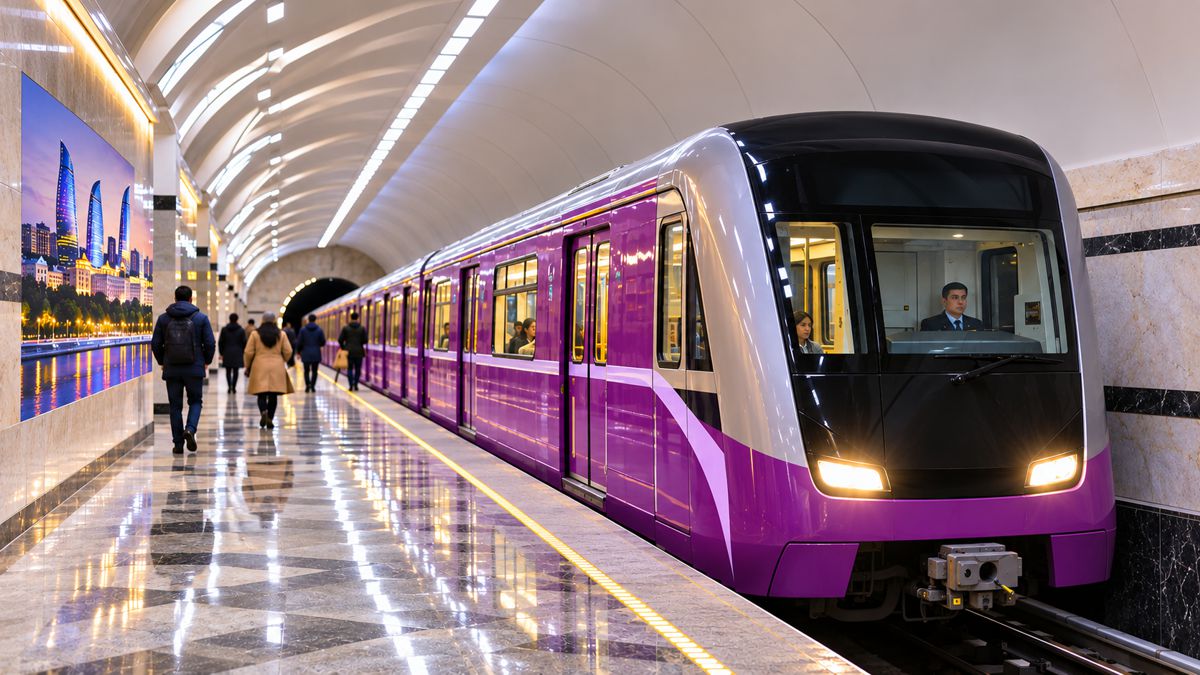
A US$207 million financing package is being directed into the less visible side of Türkiye’s energy transition: the electricity distribution networks that have to accommodate rising demand, renewable generation and increasingly electrified transport and industry.
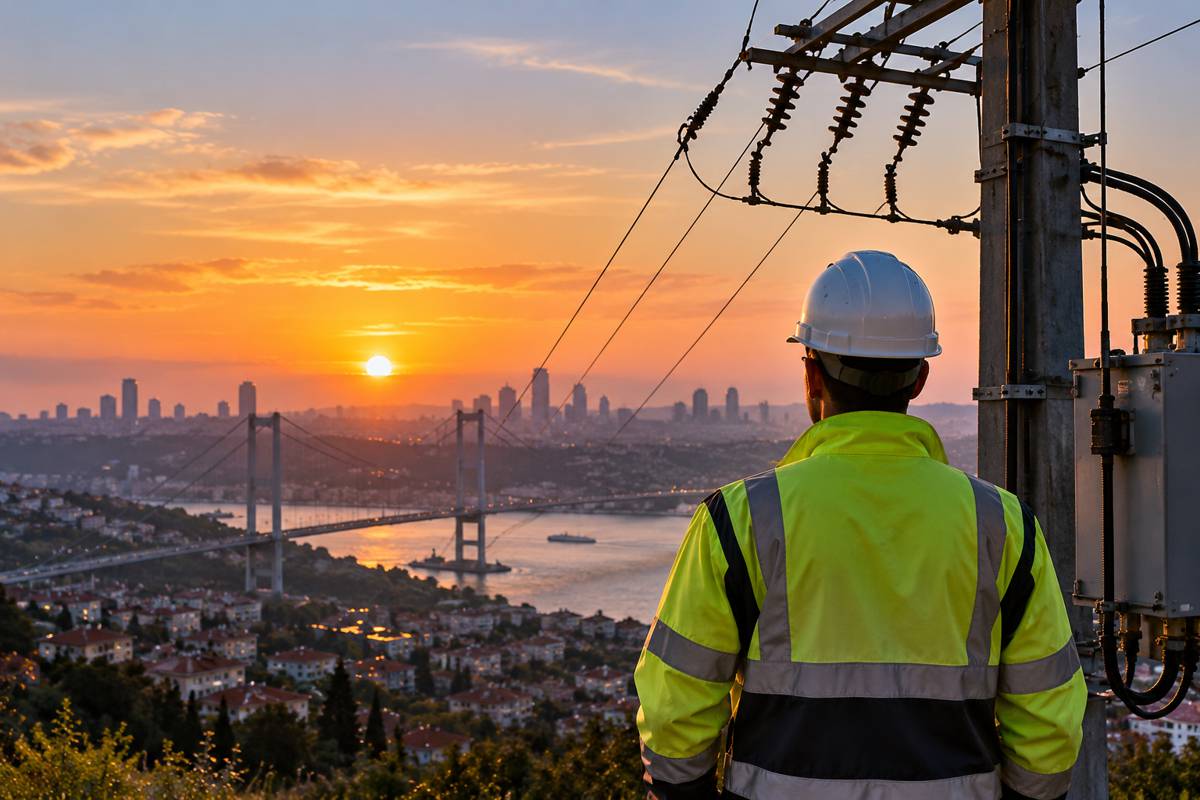
Enerjisa Enerji has secured a seven-year loan from the European Bank for Reconstruction and Development (EBRD), denominated in Turkish lira at the equivalent of US$207 million. The money will finance expansion and modernisation across the Başkent, AYEDAŞ and Toroslar distribution regions, an extensive network footprint covering Ankara and neighbouring cities, the Asian side of Istanbul and much of central southern Türkiye.
Enerjisa provides electricity distribution services across 14 provinces and reaches more than 22 million users. As Türkiye adds renewable generation and electricity consumption evolves, much of the practical work of accommodating that change falls on the local and regional networks connecting generators and consumers.
The EBRD expects the programme to reduce electricity distribution losses, improve reliability and reduce the duration and frequency of interruptions. Alongside physical network investment, technical cooperation will address cybersecurity and the operational risks accompanying greater digitalisation of the electricity system.
Briefing
- EBRD is providing Enerjisa Enerji with financing equivalent to US$207 million in Turkish lira.
- The loan has a seven-year tenor and will fund electricity distribution network investment.
- Work covers the Başkent, AYEDAŞ and Toroslar distribution regions across 14 Turkish provinces.
- Enerjisa’s distribution operations serve more than 22 million users, approximately a quarter of Türkiye’s population.
- The programme targets network expansion, lower distribution losses, improved reliability and stronger cybersecurity.
The Distribution Network Challenge
Building renewable generation capacity is only one part of changing an electricity system. The power still has to move through transmission and distribution infrastructure capable of handling different generation patterns, changing loads and a progressively more complex relationship between producers and consumers.
Distribution networks occupy a particularly demanding position in that system. Historically, electricity largely travelled in one direction from centralised generating plants through transmission infrastructure and down through distribution networks to customers. Distributed solar, electric vehicles, battery storage and other forms of electrification complicate that arrangement.
The network increasingly has to accommodate changing loads and, in some locations, electricity moving back into the grid from distributed generation. Digital monitoring and control become more useful as that complexity increases, while the consequences of ageing or insufficient infrastructure become harder to absorb.
Enerjisa CEO Oğuzhan Özsürekci has described strong distribution infrastructure as being at the heart of future energy systems, pointing to electrification, renewable generation and changing consumption patterns as forces altering the role of the grid. The company reported in August that investment in electricity distribution infrastructure during the first half of 2026 had increased by 153 per cent compared with the same period a year earlier. The new EBRD financing therefore sits within an investment programme already moving at considerable pace.
Three Distribution Regions
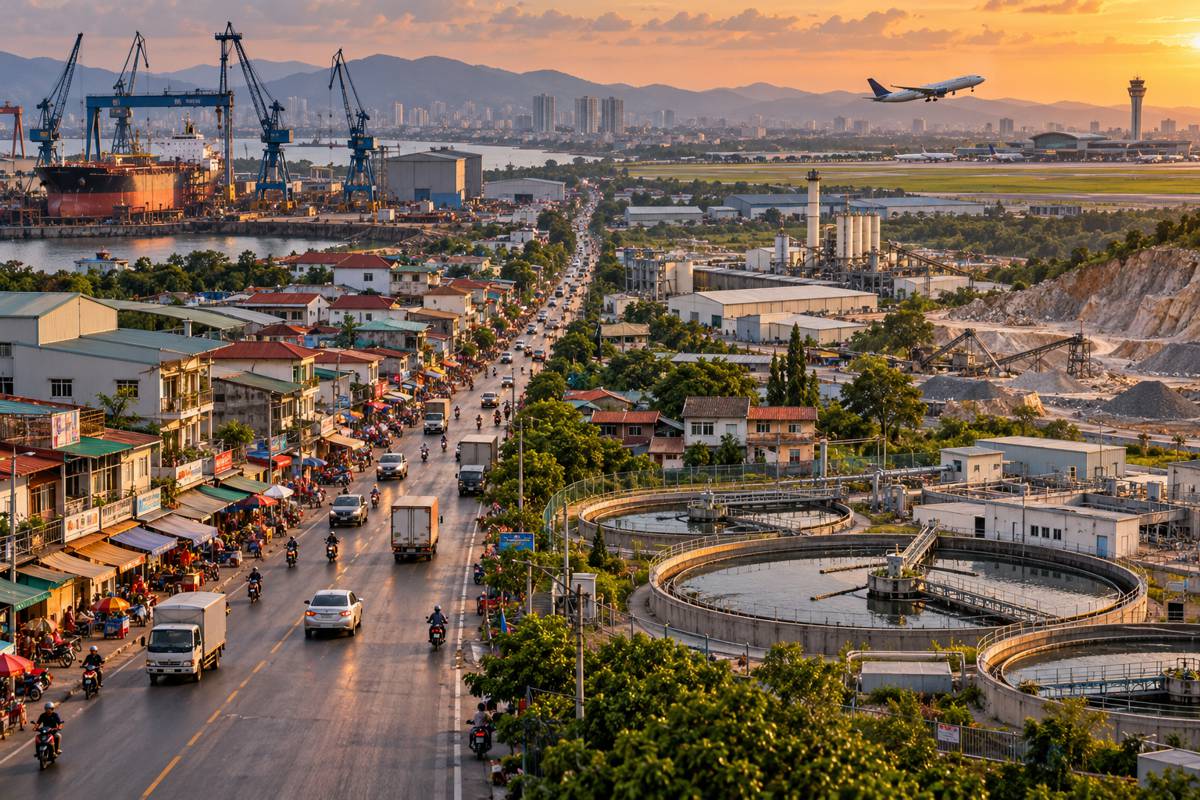
The geographical spread of Enerjisa’s operations makes the programme more complex than a uniform network upgrade. Başkent covers Ankara and surrounding cities, AYEDAŞ operates on Istanbul’s densely populated Asian side, while Toroslar serves the central southern part of the country. Each presents different combinations of urban density, industrial and commercial demand, geography, network configuration and future electricity requirements.
The investment is intended to expand and modernise infrastructure across all three regions rather than fund a single flagship project. Much of the work will therefore involve the incremental reinforcement that determines how well a distribution system performs: additional capacity, replacement and upgrading of equipment, network modernisation and the systems required to operate it effectively.
The EBRD has identified two principal transition qualities for the project, Green and Resilient. Modernisation and expansion are expected to reduce distribution losses, while improved system reliability should reduce both the duration and frequency of interruptions.
Reducing losses has a straightforward engineering benefit. Electricity that disappears through technical losses has already been generated but never reaches a paying consumer. Improvements that reduce those losses can increase the useful output of the existing electricity system without requiring equivalent additional generation.
Reliability becomes more demanding as electricity assumes a greater role in transport, buildings, communications and industry. The quality of supply ultimately rests on ordinary measures of distribution performance: whether capacity is available where it is needed and whether electricity arrives reliably.
Digital Infrastructure and Cybersecurity
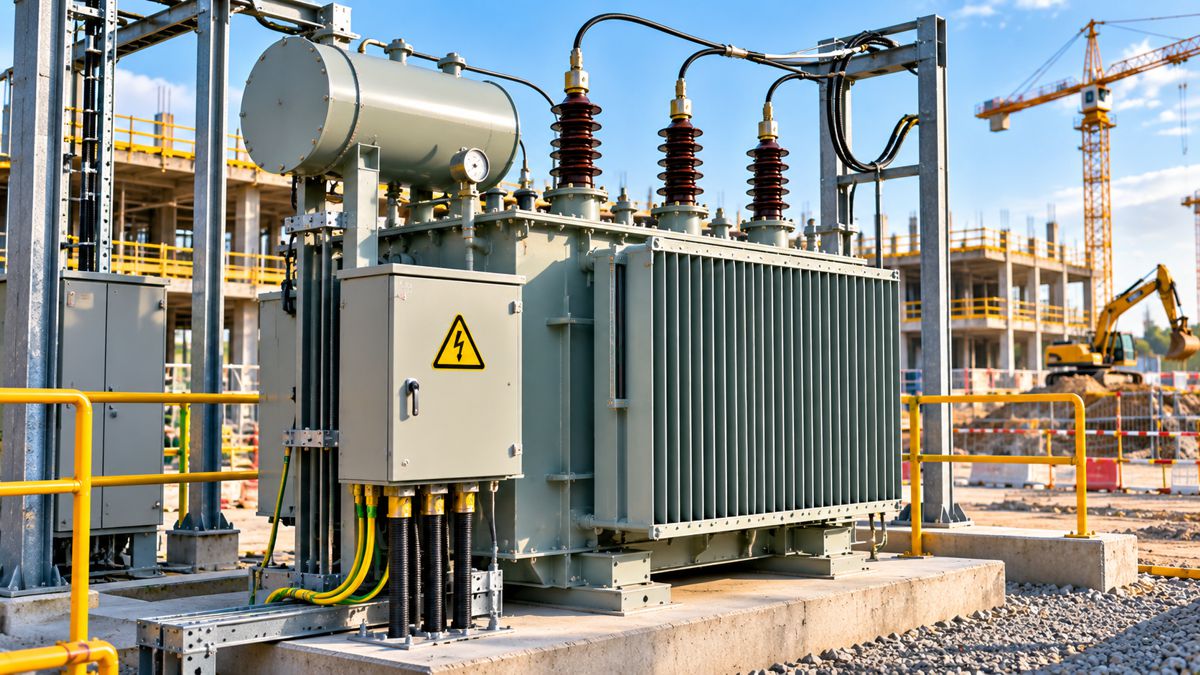
Electricity network modernisation cannot be achieved with transformers, substations and cables alone. Utilities are deploying more monitoring, communications, automation and control technologies, providing operators with greater visibility of network conditions and more options for managing faults and changing demand.
That digital infrastructure also has to be protected. The EBRD project includes technical cooperation intended to strengthen Enerjisa’s cybersecurity capabilities and align them with international best practice, with enhanced cybersecurity forming part of the company’s wider operational resilience programme.
Enerjisa has already been pursuing smart-grid investment. Earlier EBRD-backed financing included electricity distribution modernisation using more efficient equipment and enhanced smart-grid applications, alongside expansion of electric vehicle charging and distributed energy activities. The present programme continues the distribution-network investment while putting additional emphasis on resilience and cybersecurity.
Long-Term Local Currency Financing
The financing is being provided in Turkish lira equivalent and carries a seven-year tenor. The EBRD identifies long-term local-currency funding as part of its contribution to the project, particularly against Türkiye’s more difficult macroeconomic environment.
Distribution companies have to maintain existing assets while continually adding capacity and replacing equipment, creating a persistent requirement for capital rather than a single investment event. Longer-term local-currency finance is consequently better aligned with infrastructure whose economic life extends well beyond a normal commercial lending cycle.
Enerjisa CFO Philipp Ulbrich said: “This financing reflects our strategy of long-term and diversified funding.”
The transaction is also supported by first-loss risk cover under the European Union’s European Fund for Sustainable Development Plus Hi-Bar Guarantee Programme. According to the EBRD, it is the first electricity distribution project supported under the EFSD+ Hi-Bar Guarantee Programme and the first EFSD+-backed Sustainable Infrastructure Group project signed in Türkiye.
A Grid Built for More Electricity
Renewable generation introduces new sources of power while electric mobility, digital infrastructure and industrial electrification add new loads. Those developments do not necessarily occur in the same places or at the same times, leaving distribution infrastructure to accommodate the resulting changes at street, district and regional level.
Enerjisa’s scale makes that challenge tangible. Its distribution businesses serve roughly a quarter of Türkiye’s population, meaning improvements across Başkent, AYEDAŞ and Toroslar can affect electricity service for millions of homes and businesses. Enerjisa is a joint venture between Sabancı Holding and E.ON, which each hold 40 per cent, with the remaining 20 per cent publicly traded on Borsa Istanbul.
The EBRD has invested more than €25 billion in Türkiye, largely in the private sector. In this case, the infrastructure being financed will not be represented by a single new power station, wind farm or solar development, but spread through substations, distribution equipment, network capacity, control systems and the less visible engineering required to keep an increasingly complicated electricity system functioning reliably.
Türkiye can continue adding generation, but the distribution grid still has to be ready when that electricity arrives.
Key Industry Questions
- What is the value of the EBRD loan to Enerjisa Enerji? The financing is equivalent to US$207 million and is being provided in Turkish lira with a seven-year tenor.
- Where will the investment be made? It will support electricity distribution infrastructure across Enerjisa’s Başkent, AYEDAŞ and Toroslar regions, covering Ankara and surrounding areas, the Asian side of Istanbul and central southern Türkiye.
- How many people are served by Enerjisa’s distribution networks? Enerjisa says its electricity distribution operations reach more than 22 million users across 14 provinces, representing roughly a quarter of Türkiye’s population.
- Why are distribution grids important to renewable energy growth? Additional generation needs sufficient network capacity to reach consumers. Increasing distributed generation can also create more complex and sometimes bidirectional electricity flows that require better monitoring, control and network management.
- How will the investment reduce energy losses? Modernisation and expansion of distribution infrastructure are intended to reduce technical losses between electricity entering the distribution system and reaching consumers.
- Does the programme include cybersecurity? Yes. EBRD technical cooperation will support stronger cybersecurity capabilities as Enerjisa’s electricity network becomes increasingly digitalised.
- What is the EFSD+ Hi-Bar guarantee? It is an EU-backed guarantee mechanism supporting sustainable energy-transition investment. The Enerjisa project benefits from first-loss risk cover provided through the programme.
- Who owns Enerjisa Enerji? Sabancı Holding and E.ON each hold 40 per cent of the company, while the remaining 20 per cent is free float on Borsa Istanbul.
Strategic Takeaways
- Distribution capacity is becoming an important constraint as electricity generation, consumption and network behaviour become more complex.
- Lower network losses can release useful electricity from existing generation without requiring equivalent additional generating capacity.
- Electricity resilience increasingly combines conventional grid engineering with communications, digital control and cybersecurity.
- Seven-year local-currency financing gives Enerjisa funding better aligned with the long investment cycles associated with electricity distribution infrastructure.
- Türkiye’s energy transition will depend as much on investment throughout its existing electricity networks as on the renewable generation assets attracting greater public attention.