Commercial Fit-Out Planning in Canberra: 5 Early Decisions That Can Prevent Costly Changes
A commercial fit-out can look straightforward at the beginning. A business finds a tenancy, develops a design, appoints a builder and starts construction.
In practice, many of the problems that affect cost and timing begin much earlier.
For business owners planning a commercial fit-out in Canberra, understanding the existing tenancy, services, approvals and construction requirements before the design is fully developed can make the project much easier to control.
Here are five decisions worth addressing early.

1. Understand what condition the tenancy is actually in
Not every commercial tenancy starts from the same position.
A cold shell may have very little existing infrastructure, while a previously occupied tenancy may already contain ceilings, lighting, mechanical services, plumbing, flooring and other elements that could potentially be retained.
The condition of the space can have a significant impact on both budget and programme.
Before committing too heavily to a design, the project team should understand what already exists and what can realistically be reused.
This is particularly important when comparing several potential commercial spaces. A tenancy that appears cheaper to lease may require considerably more work before it is operational.
RECON Projects discusses this in more detail in its commercial fit-out planning guide for Canberra business owners, including tenancy condition, approvals, budgeting and project sequencing.
2. Check building services before locking in the layout
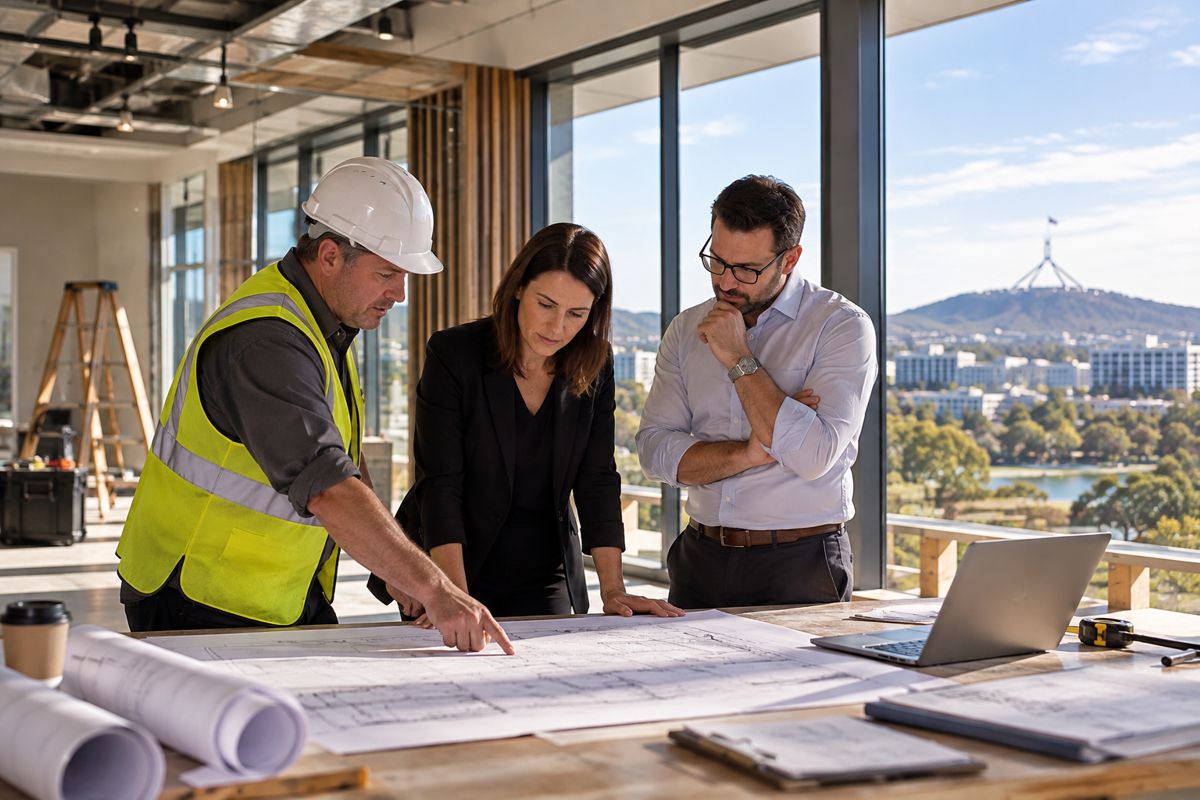
A commercial layout does not exist independently from the building around it.
Mechanical ventilation, electrical capacity, plumbing, fire services and existing structural conditions can all influence where different functions can reasonably be located.
This becomes particularly important for hospitality, medical and other service-intensive businesses.
For example, moving a kitchen, treatment room or wet area away from existing services may be possible, but it can introduce additional construction work and cost.
Identifying those constraints early allows the design to develop around the building rather than discovering problems once documentation is already advanced.
3. Involve the contractor before every major decision is fixed
Traditionally, a builder may only become involved after a complete design package has been prepared.
That can work, but it also means construction experience enters the process relatively late.
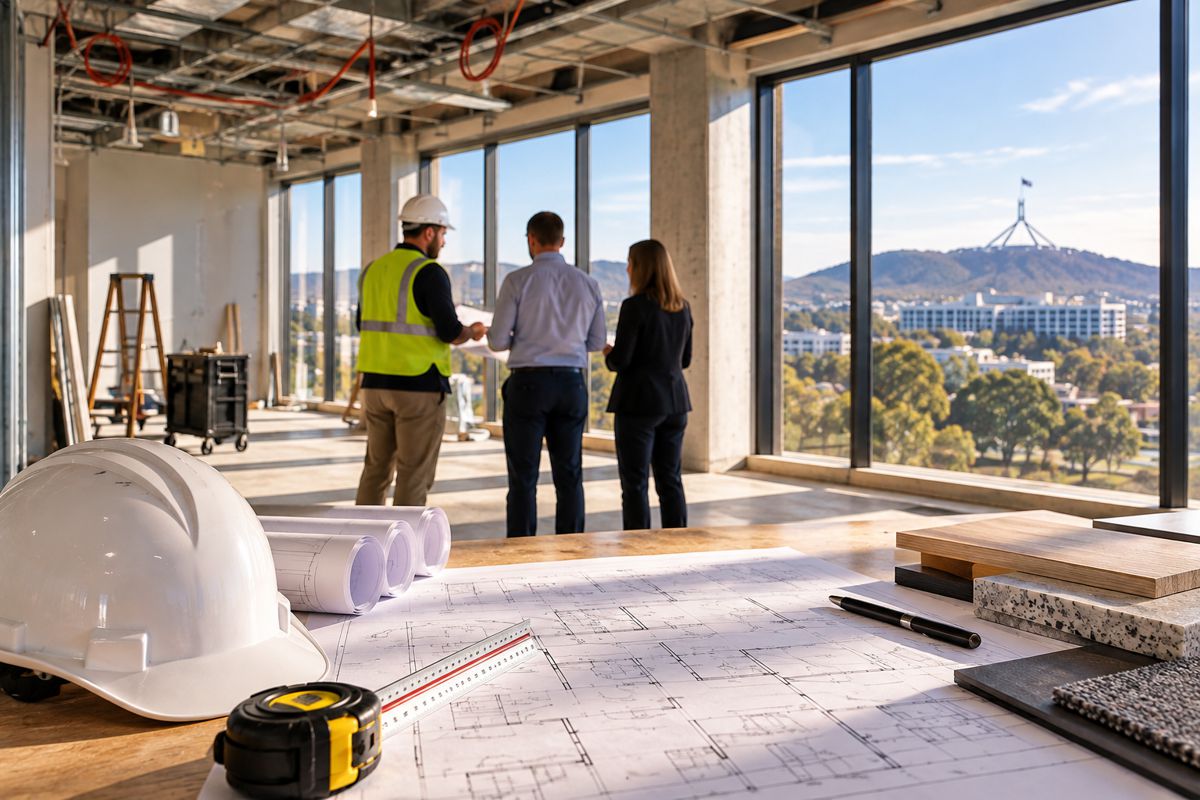
Early contractor involvement gives the project team an opportunity to review practical construction issues while changes are still relatively easy to make.
This does not mean the builder takes over the design process.
Instead, the contractor can work alongside the client, architect or designer to identify issues such as buildability, sequencing, existing conditions, likely lead times and areas where the proposed design could create unnecessary cost.
For commercial projects with a firm opening date or limited budget, those conversations can be particularly valuable.
4. Treat approvals as part of the programme, not something that happens afterwards
Construction is only one part of delivering a commercial tenancy.
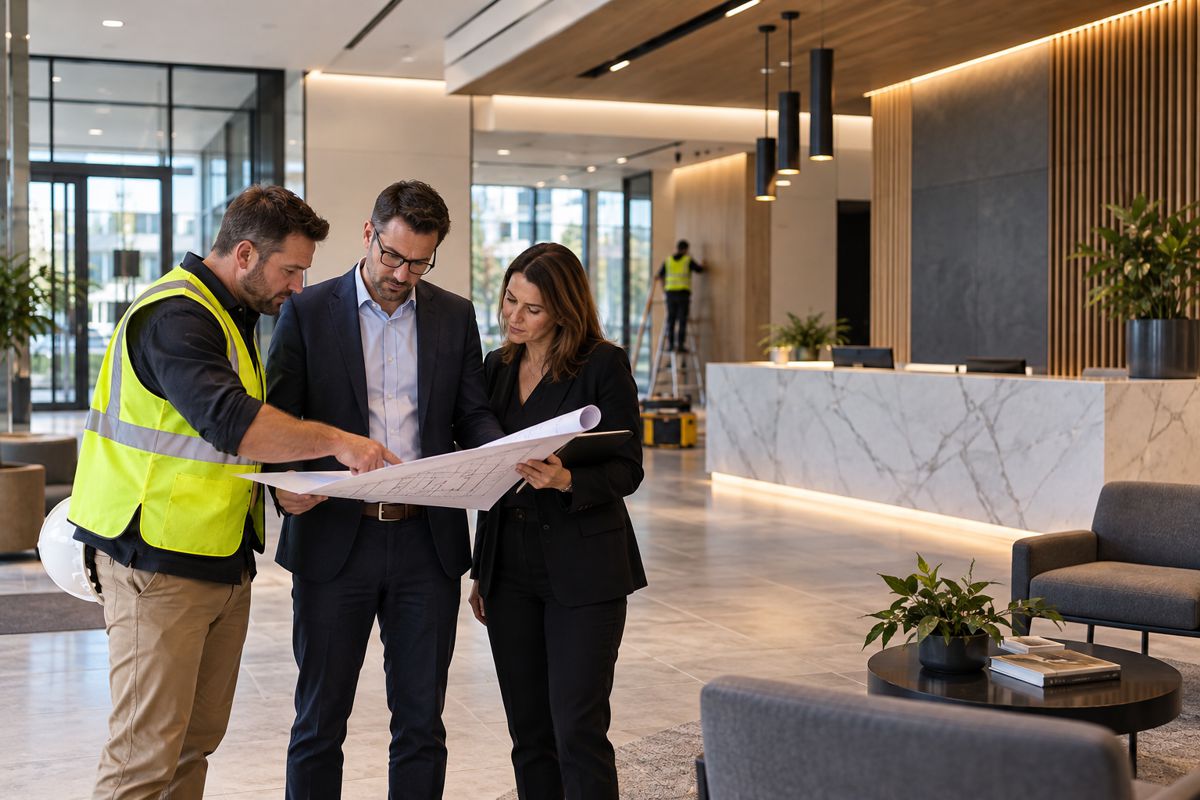
Depending on the project, approvals and regulatory requirements may involve building approvals, landlord requirements, planning considerations, food-business requirements, liquor licensing or other specialist documentation.
Waiting until construction is ready to begin before considering these requirements can affect the intended opening date.
A better approach is to identify the likely approval pathway while the project is still being designed.
That allows design, approvals, procurement and construction planning to progress together rather than sequentially.
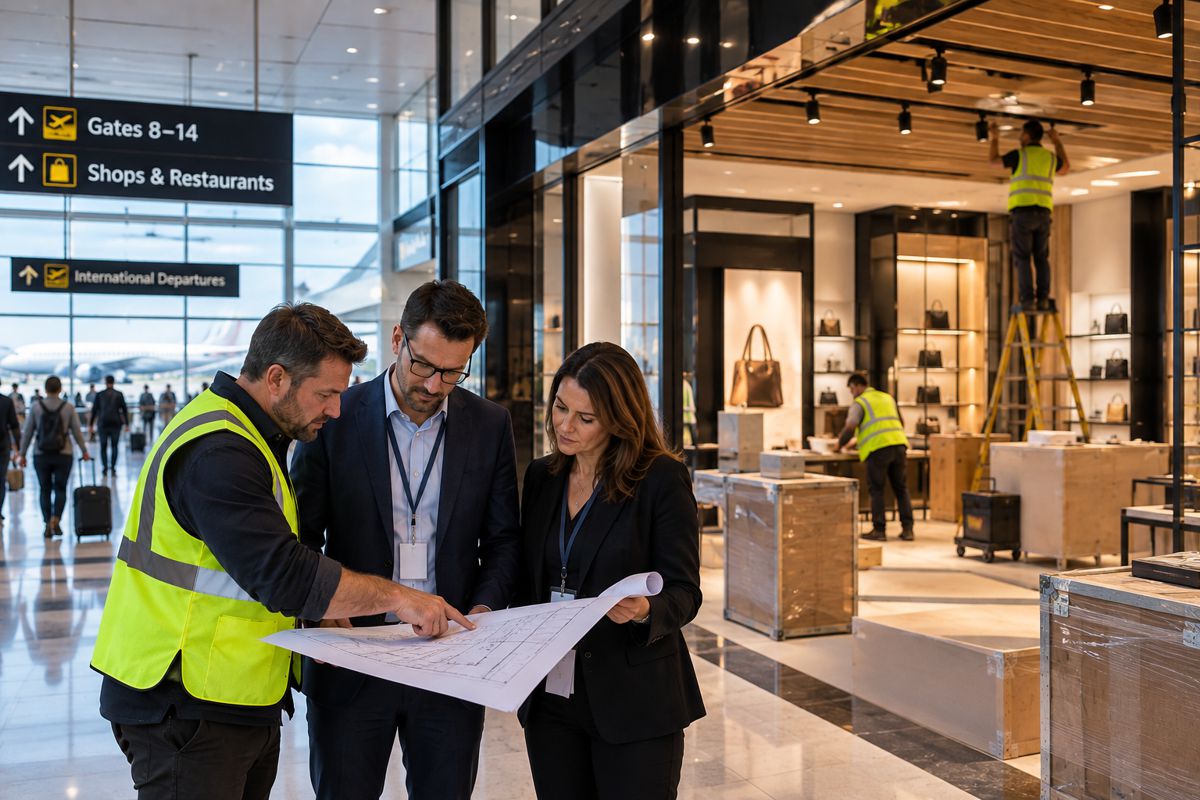
5. Work backwards from the actual opening date
A business opening date is not the same as the construction completion date.
After building work finishes, businesses may still need time for furniture, equipment, staff training, stocking, cleaning, commissioning and final operational preparation.
Commercial tenants should therefore work backwards from their intended opening rather than simply asking how long the construction itself will take.
Allowing realistic time for design, approvals, construction and operational setup provides much more room to deal with unexpected issues.
For businesses paying rent before they begin trading, delays can also have an immediate commercial impact.
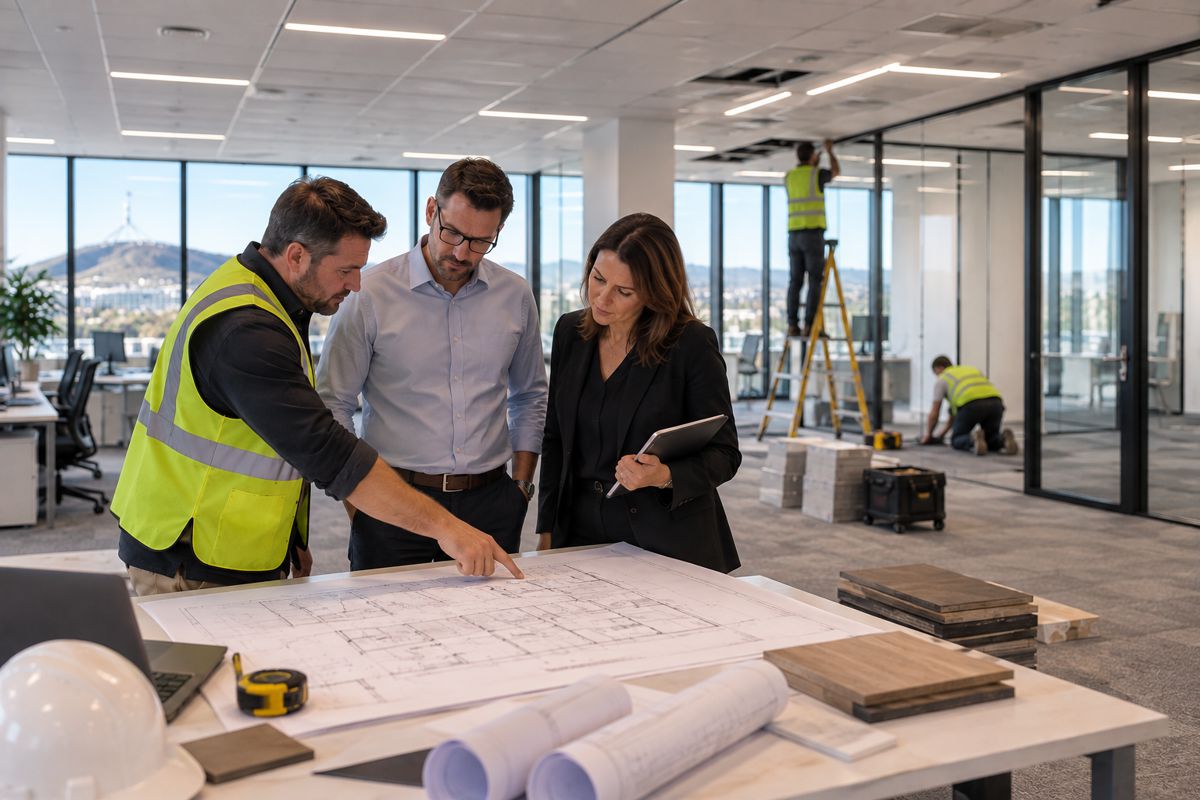
Early planning creates more options
Most commercial fit-out problems are easier to solve before construction begins.
Understanding the tenancy, checking existing services, coordinating design with construction input, identifying approvals and establishing a realistic programme gives the project team more opportunities to make informed decisions.
Once construction is underway, those same decisions can become significantly harder and more expensive to change.
Recon Projects works across commercial fit-out, refurbishment and construction projects in Canberra, the ACT and Southern NSW, including hospitality, retail, office and professional environments.
For business owners approaching their first project, early planning does not eliminate every unknown, but it can substantially improve the quality of the decisions made before work reaches site.