Europe Backs Africa’s Energy Future with Major Renewable Investment
Across Sub-Saharan Africa, access to electricity remains one of the defining infrastructure challenges of the 21st century. Despite rapid urbanisation, expanding economies and a growing young population, nearly 600 million people across the region still live without reliable electricity, limiting economic growth, industrial development and social progress. That gap has become one of the most urgent development priorities for governments, development banks and global investors alike.
The European Investment Bank (EIB) has pledged more than €1 billion in financing for renewable energy projects across Sub-Saharan Africa, supporting the ambitious Mission 300 initiative, which aims to connect 300 million people to electricity by 2030. The programme, launched by the World Bank Group and the African Development Bank Group, represents one of the largest coordinated efforts ever undertaken to expand energy access across the continent.
Announced at the EIB Group Forum in Luxembourg, the commitment signals Europe’s intention to play a central role in the next phase of Africa’s energy transition. The financing will be delivered through EIB Global, the bank’s development finance arm, and will focus on expanding renewable energy generation and strengthening electricity networks across the region.
While the pledge represents a major financial commitment, its significance extends far beyond a single funding programme. It reflects a broader shift in how infrastructure, energy security and climate policy are increasingly intertwined across the global development agenda.
Bridging Africa’s Energy Gap
Sub-Saharan Africa’s electricity deficit is widely recognised as one of the largest infrastructure gaps in the world. According to the International Energy Agency (IEA), the region accounts for more than 80 percent of the global population without access to electricity, even though it is home to some of the world’s fastest-growing economies.
Lack of reliable power has far-reaching consequences. Without electricity, businesses struggle to operate efficiently, hospitals cannot maintain consistent services, and schools face limitations on digital learning. Infrastructure development, particularly in sectors such as transport, construction and industrial manufacturing, becomes significantly more difficult without dependable energy supply.
Mission 300 was conceived as a coordinated response to this challenge. By bringing together multilateral development banks, national governments, philanthropic organisations and private investors, the initiative aims to dramatically accelerate electrification across the region.
Speaking at the announcement, EIB Group President Nadia Calviño emphasised the strategic importance of the bank’s participation: “Joining our partners with a one-billion-euro contribution for renewable energy projects from the European Investment Bank shows Europe’s commitment to provide cleaner, more affordable and reliable energy for hundreds of millions of people in Africa. This is smart economics.
“Nearly 600 million people in Sub-Saharan Africa are still living without access to electricity. When some are building walls, we build bridges – supporting international partnerships and win-win solutions for a more peaceful, stable, and prosperous world.”
Her remarks reflect a growing recognition among international development institutions that expanding energy access is not only a humanitarian priority but also a powerful driver of economic stability and regional development.
Renewable Energy at the Centre of Africa’s Power Strategy
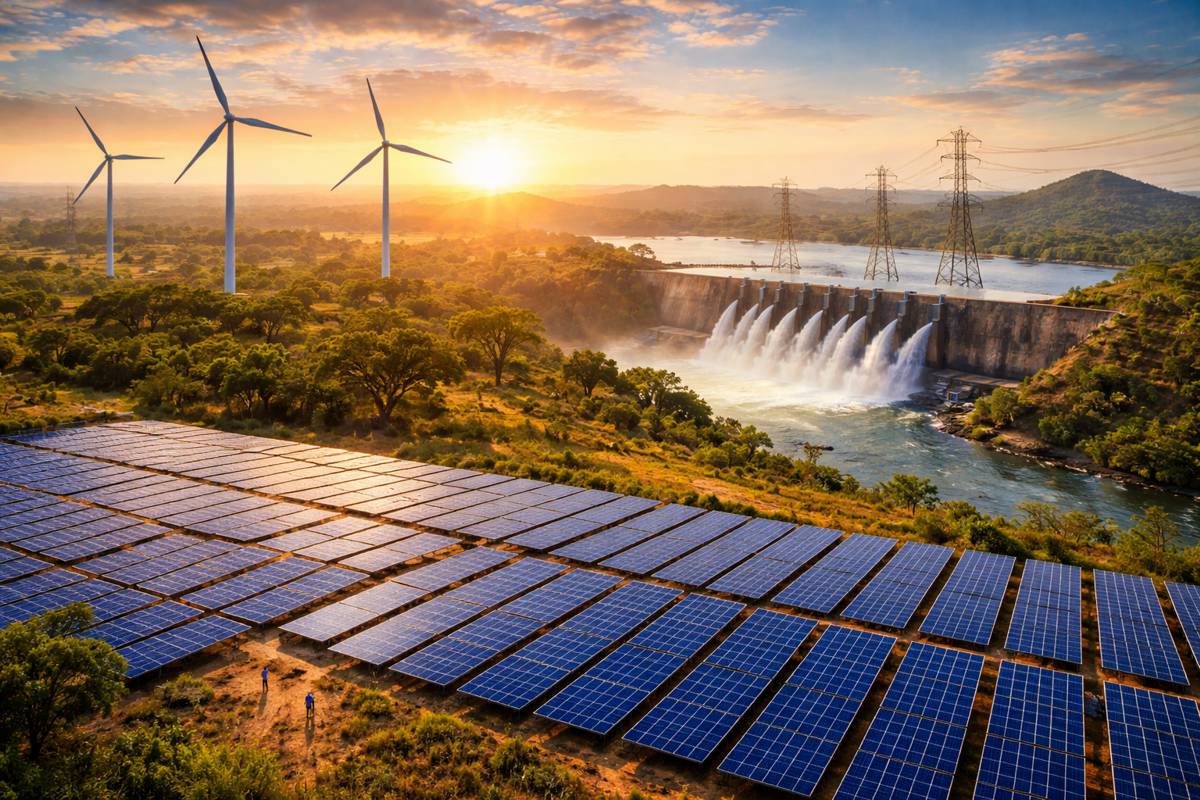
The funding pledged by the EIB will primarily support renewable energy infrastructure, including hydropower facilities, solar power plants, wind farms and the electricity networks required to integrate them into national grids.
Africa possesses vast untapped renewable energy resources. The African Development Bank estimates that the continent holds 60 percent of the world’s best solar resources, yet accounts for less than 1 percent of global solar generation capacity. Harnessing that potential could transform the continent’s energy landscape while supporting global climate objectives.
Solar energy in particular has emerged as a cornerstone of electrification strategies in countries where extending traditional grid infrastructure remains challenging. Utility-scale solar farms are increasingly being paired with battery storage systems and hybrid grid solutions, enabling rural communities to gain access to electricity more quickly and at lower cost.
Hydropower and wind projects also continue to play an important role, especially in regions where large-scale generation can support growing urban and industrial demand.
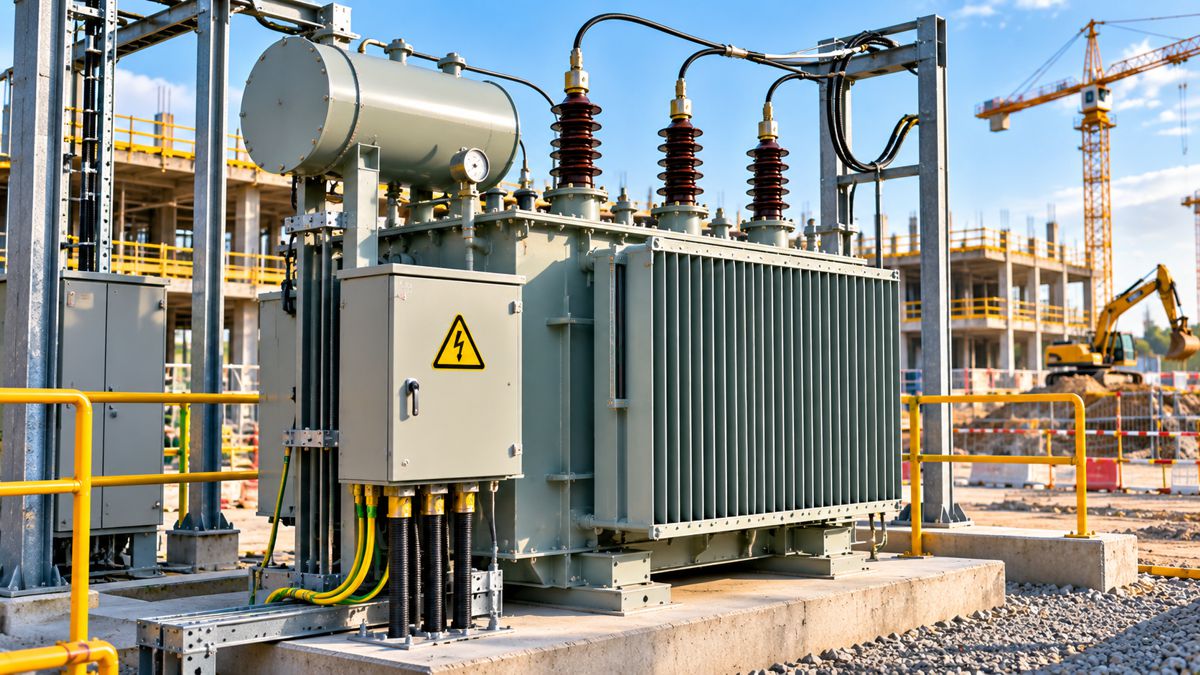
Through its development finance arm, EIB Global, the bank aims to support projects across this renewable energy spectrum while strengthening the electricity transmission networks required to distribute power reliably.
Aligning Investment with the Global Gateway Strategy
The EIB’s pledge is closely aligned with the European Union’s Global Gateway strategy, a large-scale investment programme designed to strengthen sustainable infrastructure partnerships around the world.
Global Gateway focuses on key sectors such as energy, transport, digital connectivity, health and education, with Africa identified as one of its primary regions of engagement. The initiative aims to mobilise up to €300 billion in global investments by 2027, combining public financing with private capital.
In the energy sector, Global Gateway places strong emphasis on renewable power generation, grid modernisation and sustainable energy access.
European Commissioner for International Partnerships Jozef Síkela highlighted the broader economic implications of these investments: “Through Global Gateway, Europe is investing in clean energy that creates jobs, powers businesses and drives sustainable growth across Africa. Mission 300 shows how Team Europe turns partnerships into real opportunities. We deliver energy access and build prosperity and employment on both continents.”
The alignment between Mission 300 and Global Gateway reflects a wider policy trend. Rather than approaching development finance in isolation, international institutions are increasingly coordinating infrastructure investment with broader economic and climate strategies.
The Role of Development Finance Institutions
Large-scale electrification programmes require a complex blend of financing mechanisms. Development finance institutions such as the EIB, the World Bank and the African Development Bank play a crucial role by providing long-term capital, reducing investment risks and attracting private sector participation.
At the EIB Group Forum, Valdis Dombrovskis, European Commissioner for Economy and Productivity, underscored the importance of coordinated investment strategies: “In a challenging world, the European Investment Bank Group remains the EU’s key partner in implementing our policies on the ground and deliver real impact. Today’s EIB pledge, strongly aligned with the Global Gateway strategy, is another example of how working together to mobilise investments can have a truly transformational impact.
“Supporting renewable energy projects in Sub-Saharan Africa not only brings the EU and Africa closer together, but also creates economic advantages and social benefits, while offering reliable and secure electricity to hundreds of millions.”
Development banks often provide the initial financing that enables large infrastructure projects to move forward. Once construction begins and operational risks decline, private investors are more likely to participate, scaling up the overall impact of the investment.
Mission 300 Gains Momentum
The involvement of the EIB strengthens the coalition behind Mission 300 at a crucial stage. The programme was designed to act as a platform for coordinated investment, ensuring that resources from multiple institutions can be deployed efficiently.
World Bank Group President Ajay Banga emphasised the importance of maintaining momentum as the initiative moves into implementation: “Mission 300 was designed as a platform — one that brings development banks, governments, philanthropy, and private capital together around a single objective: connections at scale.
“The EIB’s €1 billion pledge expands that coalition at a critical time. The momentum is real. What matters now is execution — and today’s commitment helps accelerate tangible progress on the ground.”
For Africa’s development institutions, partnerships of this scale are essential. Electrifying hundreds of millions of people requires coordinated infrastructure planning, regulatory reform and sustained investment over many years.
Dr Sidi Ould Tah, President of the African Development Bank Group, highlighted the significance of the announcement: “EIB’s €1 billion pledge is precisely the partnership that Mission 300 needs and strengthens our platform at a pivotal moment.
“The African Development Bank Group is proud to stand alongside the European Investment Bank and our partners to turn this ambition into connections on the ground.”
EIB Global’s Growing Role in African Infrastructure
The pledge also reflects the expanding role of EIB Global, which was established to strengthen the bank’s development financing activities outside the European Union.
In 2025 alone, EIB Global invested €3.1 billion across Africa, supporting sectors including small and medium-sized enterprises, venture capital funds, sustainable energy projects, transport infrastructure, water systems and healthcare facilities.
Over the past four years, EIB investments have mobilised €73 billion across the continent, demonstrating the scale at which development finance institutions are increasingly operating.
Energy infrastructure remains one of the most capital-intensive sectors in Africa’s development agenda. Renewable energy projects require significant upfront investment, but once operational they offer stable long-term returns while reducing dependence on imported fossil fuels.
For infrastructure developers and construction companies operating across Africa, programmes such as Mission 300 could unlock a new generation of large-scale projects, from solar farms and wind installations to grid expansion and energy storage facilities.
Powering Economic Growth Across the Continent
Reliable electricity access underpins almost every aspect of economic development. Manufacturing, digital services, transportation systems and modern agriculture all depend on stable power supply.
According to the World Bank, expanding electricity access could significantly accelerate GDP growth across many African economies while supporting job creation and industrialisation.
For the construction and infrastructure sectors, the implications are substantial. Energy projects often serve as catalysts for broader development, triggering investment in transport networks, housing, industrial zones and logistics infrastructure.
Renewable energy infrastructure also tends to create local employment during both construction and operation phases, while reducing long-term energy costs for businesses and households.
A Turning Point for Africa’s Energy Transition
The commitment by the European Investment Bank represents a major step forward for Mission 300, but it also reflects a broader shift in global infrastructure investment priorities.
As climate concerns intensify and renewable technologies become more cost competitive, large-scale electrification initiatives are increasingly centred on clean energy rather than traditional fossil fuel generation.
Africa’s abundant renewable resources position the continent uniquely within this transition. With the right infrastructure and investment frameworks, renewable energy could provide both reliable electricity and a foundation for sustainable economic growth.
The coming decade will determine whether initiatives such as Mission 300 succeed in closing one of the world’s largest infrastructure gaps. What is already clear, however, is that coordinated international investment is beginning to build the momentum required to transform Africa’s energy landscape.