Building AI Factories Faster with Digital Twins and Real Time Simulation
The global race to build artificial intelligence infrastructure is reshaping the construction industry in ways few could have predicted even five years ago. Data centres designed specifically for AI workloads, often referred to as AI factories, are emerging as some of the most complex and performance-sensitive assets ever constructed. Unlike traditional facilities, these environments demand precision engineering at every stage, from airflow and thermal management to power distribution and spatial layout.
Demand for AI compute capacity is surging, driven by advances in machine learning, generative AI and high performance computing. According to industry analysts, hyperscale data centre capacity is expected to grow significantly over the next decade, with AI-specific infrastructure accounting for a substantial portion of that expansion. Yet while demand accelerates, construction timelines remain stubbornly constrained by fragmented workflows, disconnected data and the persistent gap between design intent and on-site reality.
This growing mismatch between speed and precision is where digital transformation is stepping in. The integration of advanced simulation, real time data and digital twin technologies is no longer a futuristic concept. It is quickly becoming essential for delivering infrastructure that must perform flawlessly from day one.
Bridging the Gap Between Design and Reality
One of the most persistent challenges in construction is the divergence between what is designed and what is ultimately built. Even minor deviations during construction can have outsized consequences, particularly in facilities where performance tolerances are extremely tight. In AI factories, a slight change in layout or airflow can reduce efficiency, increase operational costs or even compromise system performance.
The integration of Procore’s construction management platform with NVIDIA’s Omniverse DSX Blueprint is designed to tackle precisely this issue. By establishing a continuous digital thread across the entire construction lifecycle, the collaboration aims to ensure that design intent is preserved and validated in real time as projects move from concept to completion.
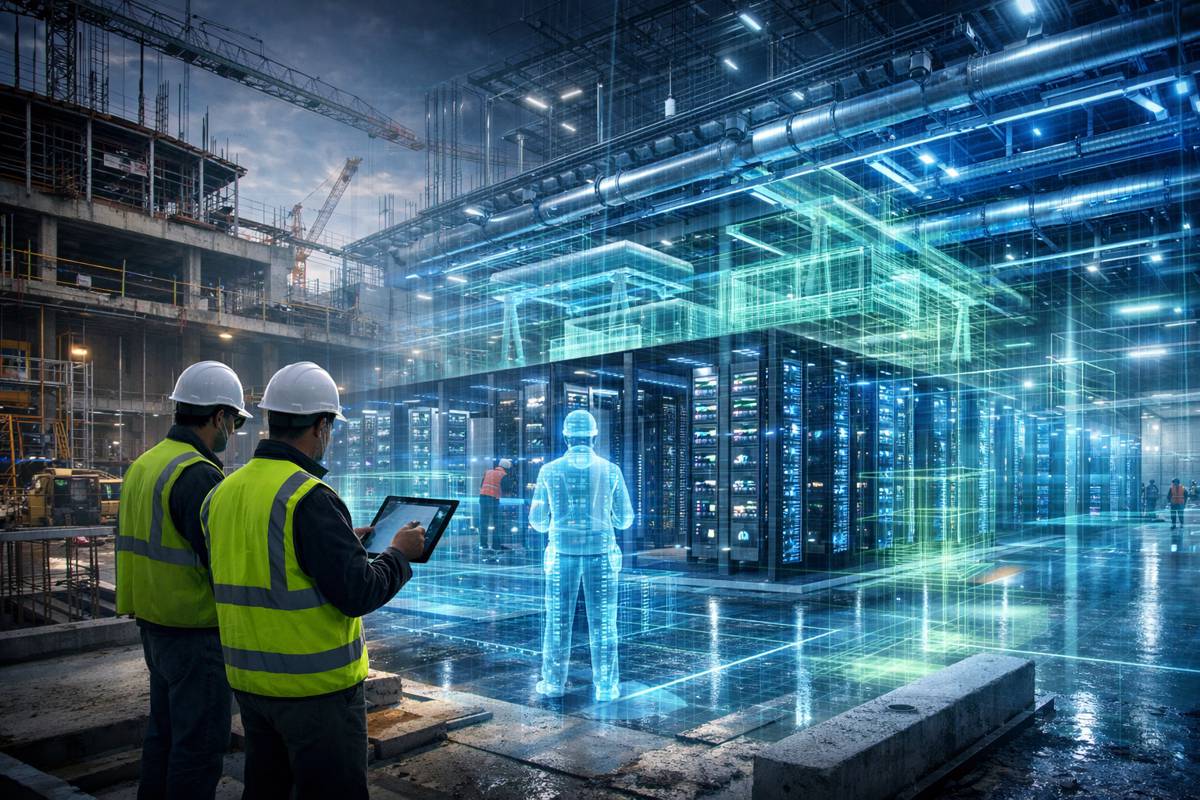
At its core, this approach replaces static models and disconnected datasets with a living, dynamic representation of the asset. This digital twin evolves alongside the physical build, enabling teams to simulate changes, test scenarios and identify risks before they materialise on site. It is a shift from reactive problem solving to proactive optimisation, and it has far reaching implications for project delivery.
The Role of Digital Twins in High Stakes Construction
Digital twins have been discussed in the construction sector for years, but their practical application has often been limited by interoperability challenges and data silos. What sets this latest development apart is the ability to federate multiple model types into a single, unified environment that operates in real time.
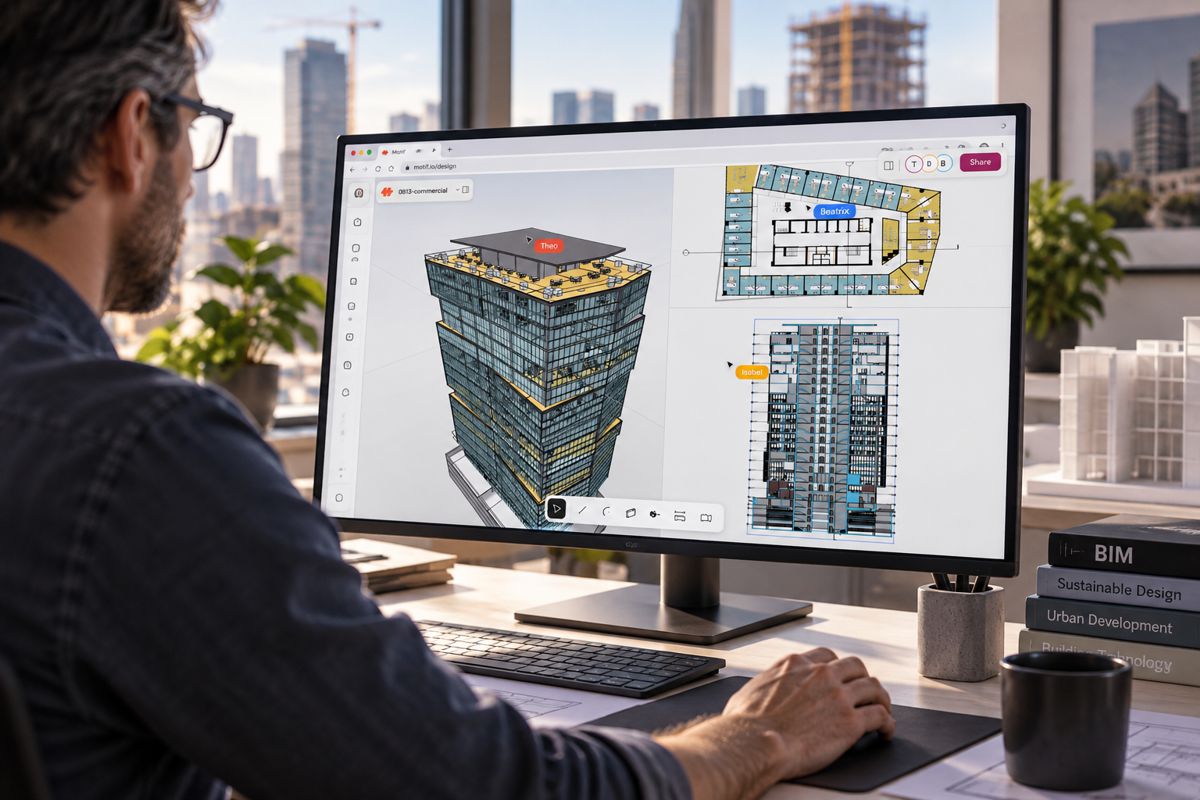
By integrating more than 15 BIM and CAD formats into NVIDIA Omniverse using OpenUSD, an open standard for 3D interoperability, the system creates a shared source of truth accessible to all stakeholders. This unified environment allows engineers, contractors and owners to collaborate using the same up to date data, reducing miscommunication and improving decision making.
The addition of SimPacks further enhances the digital twin by embedding detailed physical and behavioural data about each asset. This means the model is not just a visual representation but a functional simulation environment capable of predicting how systems will perform under real world conditions. For infrastructure as complex as AI factories, this level of insight is invaluable.
From Static Planning to Predictive Construction
Traditional construction planning relies heavily on static drawings, schedules and cost estimates. While these tools have served the industry for decades, they struggle to capture the dynamic nature of modern projects. Changes in one area can ripple across the entire project, often leading to delays, cost overruns and rework.
The integration of AI driven simulation into the construction process changes that equation. By enabling teams to test design changes, construction sequences and scheduling decisions in a virtual environment, the system allows for predictive planning that accounts for real world constraints.
This capability is particularly important for AI factories, where construction and operational requirements are tightly intertwined. Decisions made during construction can directly impact long term performance, making it essential to evaluate those decisions in context. With simulation tools embedded into the workflow, teams can assess trade offs and optimise outcomes before committing resources on site.
Reducing Rework and Improving Efficiency
Rework remains one of the most significant sources of inefficiency in construction, often accounting for a substantial portion of project costs. Errors that are not identified early can cascade into larger issues, requiring time consuming and expensive corrections.
By simulating complex builds within a high fidelity digital twin environment, the Procore and NVIDIA integration aims to catch these issues before they reach the field. This proactive approach reduces the likelihood of costly rework and helps keep projects on schedule.
At the same time, the concept of a unified ground truth ensures that all stakeholders are working from the same dataset. Real time synchronisation of geometry changes and metadata updates eliminates discrepancies between different versions of the model, reducing confusion and improving coordination across teams.
Enhancing Safety Through Simulation and Automation
Construction remains one of the most hazardous industries globally, with safety risks present on nearly every project. The ability to simulate high risk operations in a virtual environment offers a powerful tool for improving jobsite safety.
By testing construction sequences and identifying potential hazards before work begins, teams can develop safer methodologies and reduce the likelihood of accidents. This is particularly valuable for complex infrastructure projects where traditional risk assessments may not capture all potential scenarios.
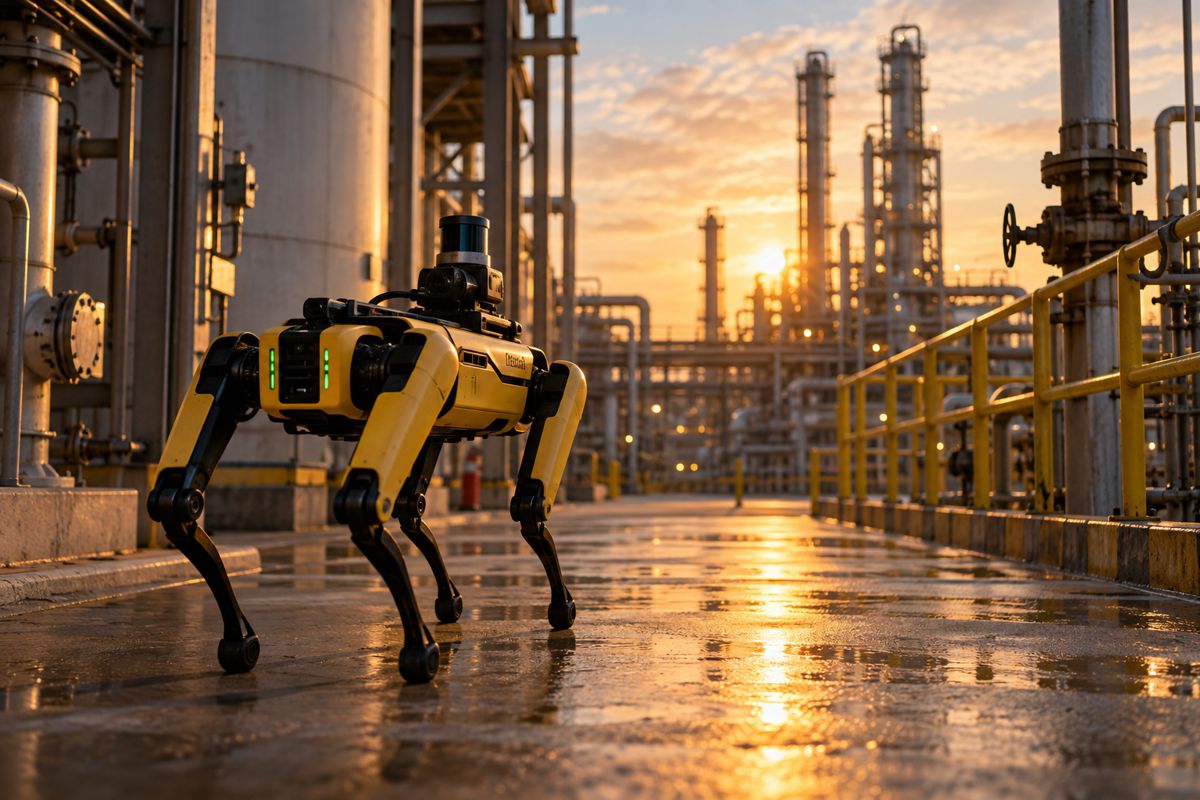
The integration also introduces the concept of a virtual training environment for construction robotics. As automation becomes more prevalent on jobsites, ensuring that machines operate safely and efficiently is critical. A simulated training environment allows these systems to be tested and refined without exposing workers to unnecessary risk.
AI Agents and the Future of Project Management
Beyond simulation, the collaboration between Procore and NVIDIA points towards a future where AI plays a more active role in managing construction projects. The development of AI agents capable of identifying and resolving common issues, such as project delays or coordination conflicts, represents a significant step forward.
These systems can analyse vast amounts of project data in real time, identifying patterns and anomalies that may not be immediately apparent to human operators. By providing actionable insights and recommendations, AI agents can help teams make better decisions and respond more quickly to emerging challenges.
This shift towards data driven project management aligns with broader trends across the construction industry, where digital tools are increasingly being used to enhance productivity and improve outcomes. While the technology is still evolving, its potential to transform how projects are delivered is becoming increasingly clear.
A New Standard for Infrastructure Delivery
The integration of Procore with NVIDIA Omniverse DSX Blueprint is not just about improving individual projects. It represents a broader shift towards standardised, repeatable processes for delivering complex infrastructure.
By establishing a reference pattern for creating construction digital twins, the DSX Blueprint provides a framework that can be applied across multiple projects. This standardisation reduces variability, improves consistency and enables organisations to scale their operations more effectively.
For owners, this approach offers the promise of receiving assets that are fully optimised for operation from the moment they are handed over. Instead of inheriting incomplete or inaccurate data, they gain access to a comprehensive digital representation of the facility that can be used for ongoing management and optimisation.
Industry Implications and Strategic Significance
The collaboration is already being applied to real world projects, including those undertaken by leading data centre developers. As AI infrastructure continues to expand globally, the ability to deliver these facilities بسرعة and with precision will become a key competitive differentiator.
From a broader industry perspective, the initiative highlights the growing convergence between construction, digital technology and advanced computing. The boundaries between these sectors are becoming increasingly blurred, creating new opportunities for innovation and collaboration.
For policymakers and investors, the implications are equally significant. Efficient delivery of AI infrastructure is critical for supporting economic growth and technological advancement. By improving the speed and quality of construction, digital twin and simulation technologies can help ensure that infrastructure keeps pace with demand.
Building Smarter Infrastructure for a Digital Future
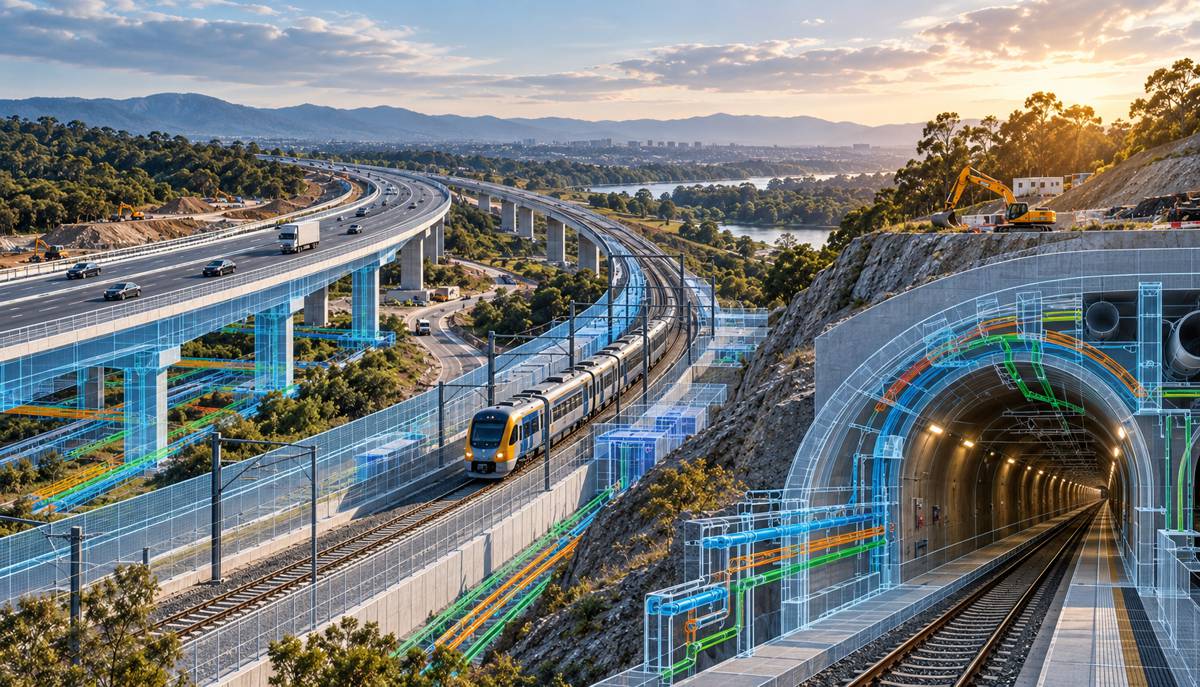
As the construction industry grapples with increasing complexity and rising expectations, the need for smarter, more integrated approaches has never been greater. The combination of real time data, advanced simulation and AI driven insights offers a pathway towards more efficient, safer and higher performing infrastructure.
By connecting the physical and digital worlds through a continuous data thread, the Procore and NVIDIA collaboration demonstrates what is possible when technology is fully embedded into the construction process. It is not simply about building faster, but about building better, with greater confidence in the outcome.
In an era where infrastructure must support rapidly evolving technologies, this approach provides a foundation for delivering assets that are not only fit for purpose today but adaptable for the future. And as AI continues to reshape industries, the way those facilities are designed and constructed will play a crucial role in determining their success.