Liebherr Tower Cranes Support Iceland’s Infrastructure Transformation
Iceland’s construction sector is entering a phase of sustained expansion, underpinned by investment in energy resilience, healthcare infrastructure, food production, and urban regeneration. Across this geographically isolated and geologically active island, the practical realities of construction are unlike those in most European markets. High winds, saline coastal exposure, seismic activity, and limited logistics routes all shape how projects are designed and delivered.
Within that context, tower cranes are not simply lifting equipment, they are central to project continuity, influencing build schedules, safety outcomes, and cost control. Liebherr’s tower crane fleet has become deeply embedded in Iceland’s current wave of development, supporting projects that carry national strategic importance. From geothermal power infrastructure to large-scale healthcare facilities and emerging aquaculture investments, the deployment of these cranes reflects a broader shift toward more complex, capital-intensive construction across the island.
What’s taking shape in Iceland is not a short-term construction cycle. It’s a structural evolution of the country’s infrastructure base, tied to long-term economic diversification and energy independence. The scale and diversity of projects underway highlight how contractors are increasingly relying on adaptable lifting solutions capable of operating in conditions that leave little margin for error.
Briefing
- Iceland’s construction growth spans energy, healthcare, aquaculture, and urban development
- Tower cranes are critical to maintaining productivity in extreme climatic and geological conditions
- Large-scale projects such as the national hospital and geothermal expansions require diverse crane configurations
- The shift toward crane rental reflects changing contractor strategies and capital allocation
- Local partnerships and after-sales support remain central to sustaining uptime and operational efficiency
Energy Infrastructure and Geothermal Expansion Take Centre Stage
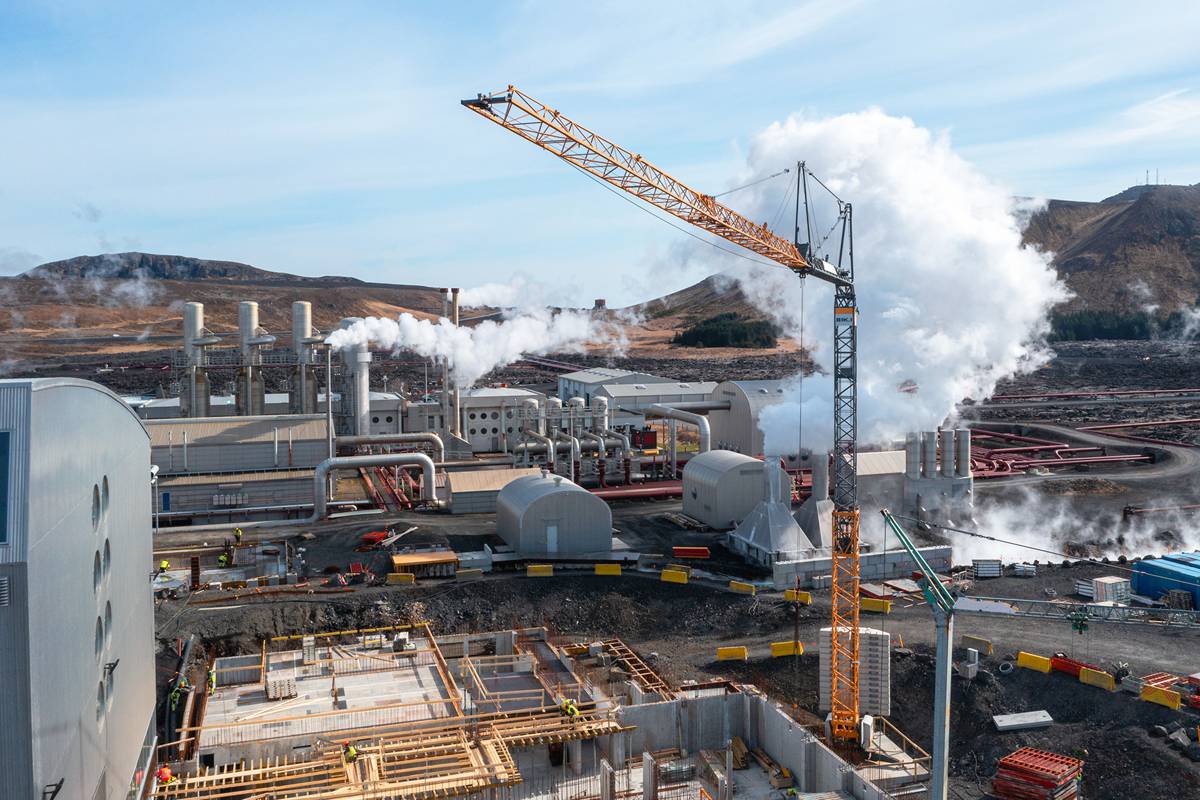
Iceland’s energy sector continues to anchor its infrastructure strategy, with geothermal power playing a central role. The expansion of the Svartsengi power plant illustrates both the opportunities and challenges associated with building in a volcanic environment. Located in a region shaped by frequent seismic activity, the project has progressed alongside ongoing eruptions in the surrounding area.
Construction began in 2023, with completion targeted for the latter part of 2025. Despite the geological instability, progress has remained steady, supported by careful planning and equipment capable of operating reliably under shifting ground conditions. Tower cranes have been used to assemble structural elements and manage material flows in a tightly controlled environment, where safety considerations extend beyond conventional construction risks.
Iceland’s reliance on geothermal energy is well established. According to the International Energy Agency, geothermal sources account for a significant share of the country’s electricity and heating supply. Expanding facilities such as Svartsengi is therefore not simply about capacity growth, but about reinforcing long-term energy security and resilience.
The operational demands of such projects place a premium on crane stability, wind tolerance, and ease of relocation. Equipment must perform consistently despite exposure to ash, sulphur-rich emissions, and unpredictable weather patterns. In this setting, lifting technology becomes a critical enabler of infrastructure continuity rather than a background tool.
Healthcare Infrastructure Signals a New Level of Complexity
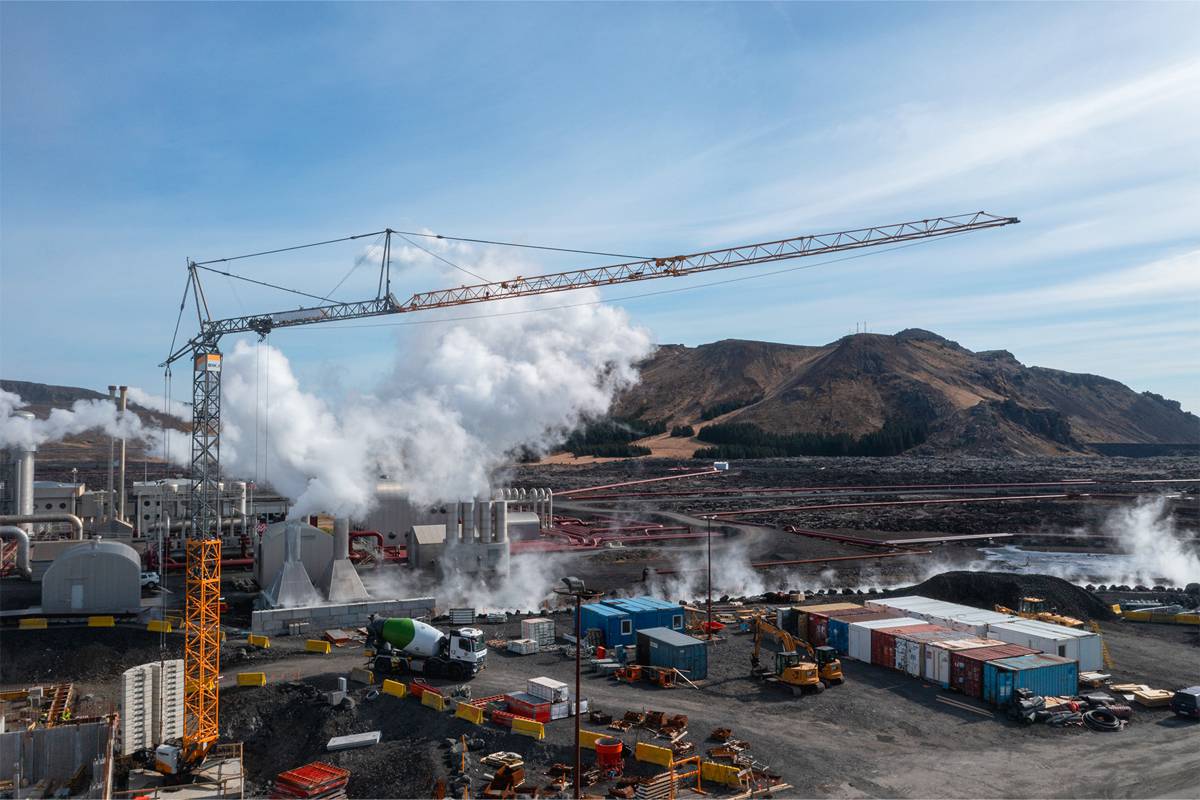
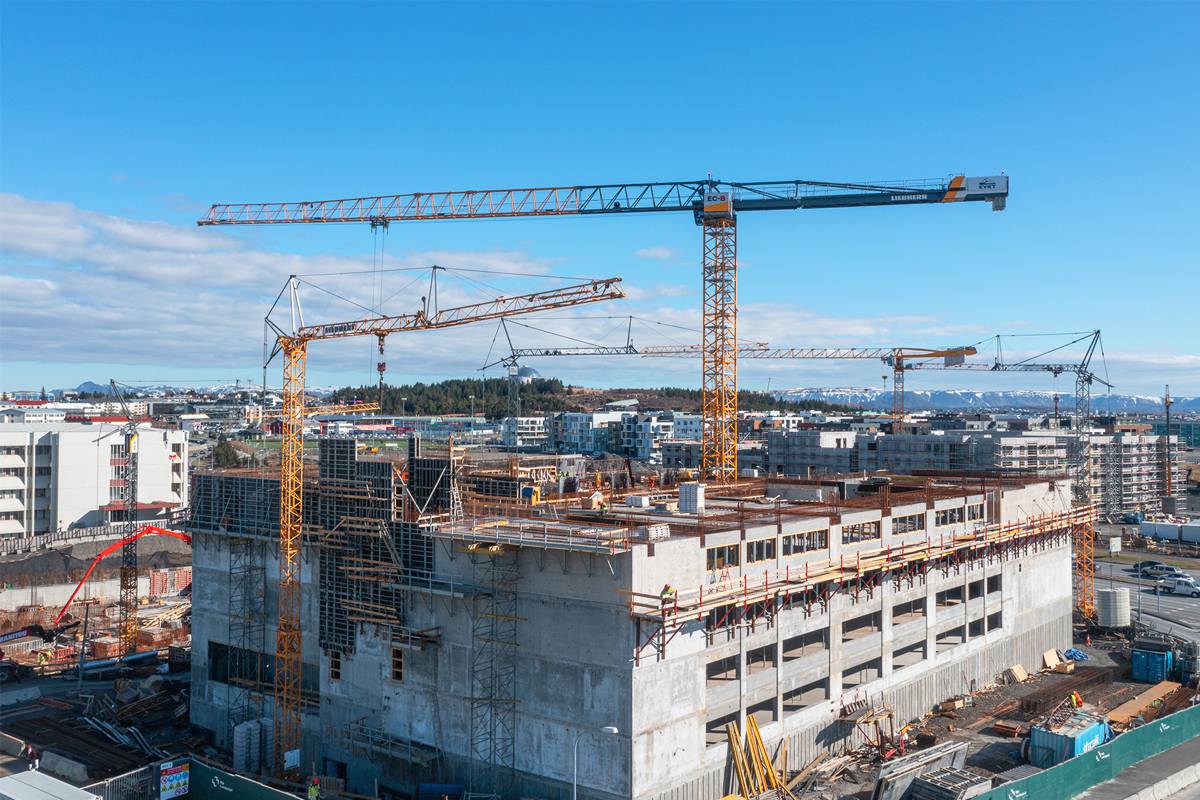
In Reykjavík, the construction of the New National Hospital represents one of the most ambitious public infrastructure projects in the country’s history. The development consolidates healthcare services that were previously dispersed, bringing clinical care, research, and support facilities into a single integrated campus.
Large institutional builds of this nature demand a coordinated lifting strategy. Multiple cranes operate simultaneously across different zones, each configured to handle specific tasks ranging from heavy structural components to precision placement of prefabricated elements. The ability to adapt crane configurations as the project progresses is essential, particularly in a constrained urban environment.
Beyond its physical footprint, the hospital project reflects a broader shift in Iceland’s infrastructure priorities. Investment in healthcare capacity aligns with demographic changes and the need to modernise ageing facilities. It also introduces a higher level of technical complexity into the construction sector, requiring more sophisticated planning, sequencing, and coordination between contractors.
The integration of crane operations into early planning phases has become increasingly common on projects of this scale. By aligning lifting strategies with construction sequencing from the outset, developers can reduce bottlenecks, improve safety outcomes, and maintain tighter control over timelines. In Iceland’s case, where weather disruptions are frequent, that level of foresight is particularly valuable.
Aquaculture Emerges as a Strategic Growth Sector
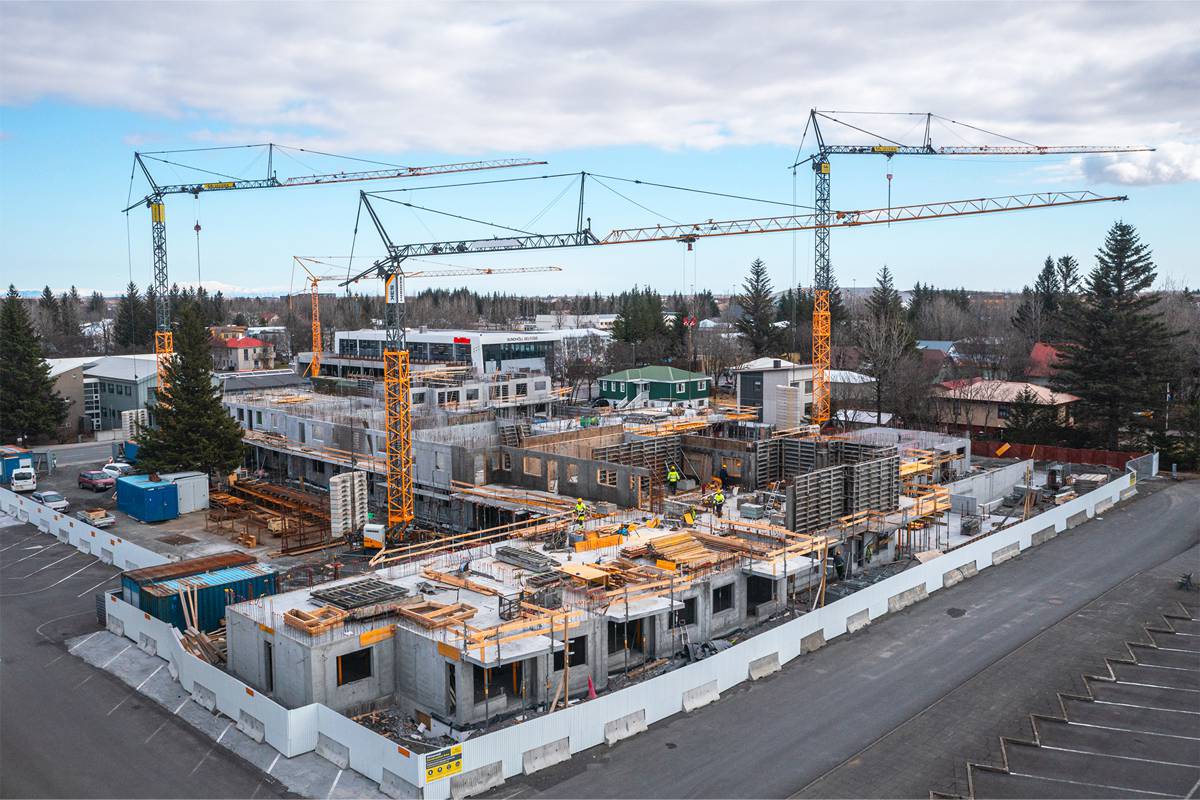
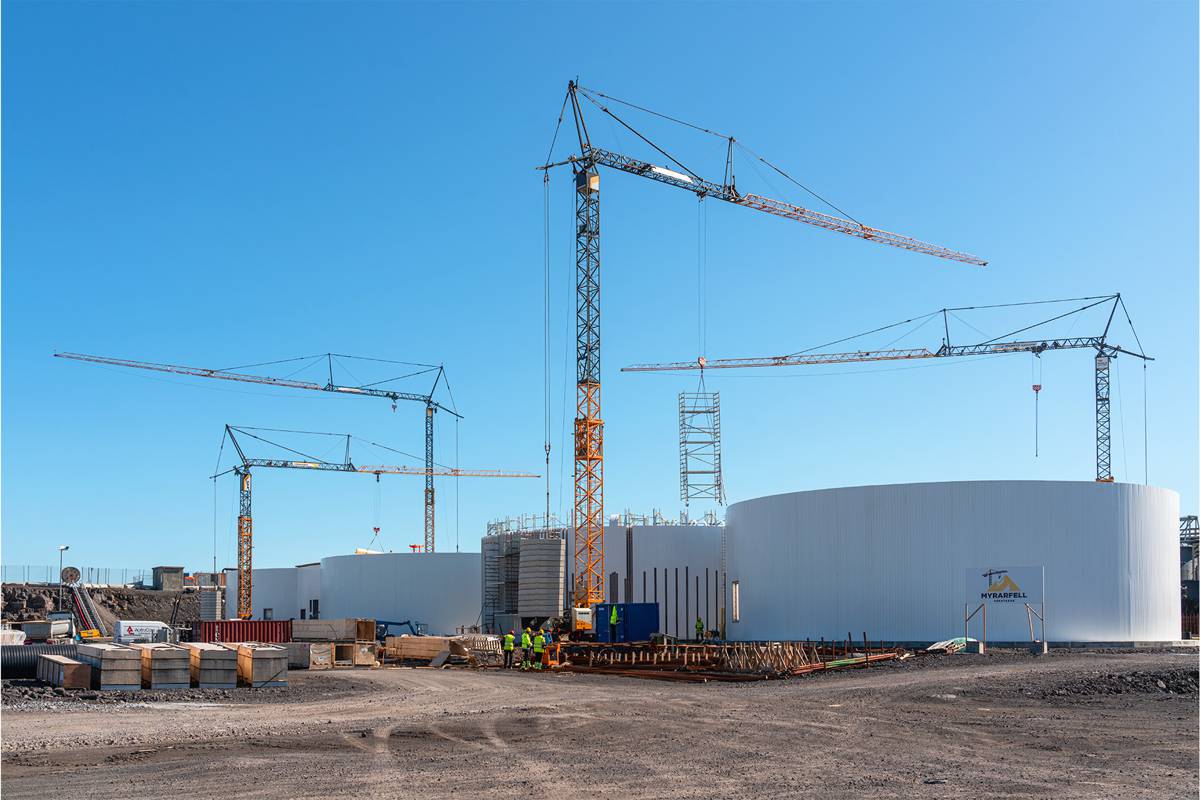
Along Iceland’s south coast, in Þorlákshöfn, a different type of infrastructure project is taking shape. The First Water land-based salmon farming facility represents a significant investment in sustainable food production, designed to operate independently of traditional marine aquaculture.
The development is structured in six phases, each contributing to a planned annual output of approximately 10,000 tonnes of Atlantic salmon. Once fully completed, the facility aims to reach a total capacity of around 60,000 tonnes per year. This scale places it among the more substantial land-based aquaculture operations globally.
Construction of such facilities presents a unique set of challenges. Large tank systems, water treatment infrastructure, and supporting buildings must be assembled with precision, often under exposure to strong coastal winds. Tower cranes are used extensively to position heavy components and manage material logistics across a sprawling site layout.
What sets this project apart is its integration with Iceland’s renewable energy resources. By leveraging geothermal and hydroelectric power, the facility aims to maintain controlled water temperatures and reduce its environmental footprint. The approach aligns with a growing global trend toward land-based aquaculture as a means of addressing sustainability concerns associated with open-water fish farming.
From a construction perspective, the project demonstrates how emerging industries are reshaping infrastructure demand. Facilities like First Water require a blend of industrial, environmental, and process engineering, creating new opportunities for contractors and equipment suppliers alike.
Urban Regeneration Reshaping Local Economies
While large-scale national projects dominate headlines, smaller urban developments are also playing a significant role in Iceland’s construction landscape. In Selfoss, the Midbær Selfoss project is transforming the town centre into a mixed-use hub combining retail, hospitality, and public space.
Urban regeneration projects typically present a different set of constraints compared to greenfield developments. Limited space, restricted access, and the need to minimise disruption to existing communities all influence construction planning. Tower cranes must operate efficiently within tight footprints, often requiring compact designs and flexible positioning.
The Selfoss development reflects a broader shift toward mixed-use infrastructure that supports local economic activity while enhancing quality of life. By integrating commercial and social spaces, such projects aim to create more resilient urban environments that can adapt to changing economic conditions.
From a construction standpoint, these developments highlight the importance of versatility. Equipment must be capable of handling diverse tasks within confined spaces, while maintaining high levels of precision and safety. The ability to coordinate multiple lifting operations without interfering with surrounding activities is a key factor in successful project delivery.
Equipment Strategy and the Shift Toward Rental Models
Across Iceland, the use of tower cranes has evolved in response to changing market dynamics. Over recent years, there has been a noticeable shift away from outright equipment ownership toward rental-based models. This trend reflects a broader reassessment of capital allocation within the construction sector.
For contractors, renting cranes offers greater flexibility, allowing fleets to be scaled in line with project demand without the long-term financial commitment associated with ownership. It also provides access to newer equipment with improved performance characteristics, which can be particularly valuable in challenging environments.
Local partnerships play a crucial role in supporting this model. Companies such as Rüko have established significant crane fleets and service capabilities, enabling them to meet a large proportion of the country’s demand. With strong after-sales support and maintenance services, these partnerships help ensure that equipment remains operational even under demanding conditions.
This shift toward rental is not unique to Iceland. It mirrors trends observed across Europe, where contractors are increasingly prioritising operational flexibility and cost efficiency. However, Iceland’s specific environmental challenges make reliable service support even more critical, as downtime can have a disproportionate impact on project timelines.
Engineering for Extreme Conditions
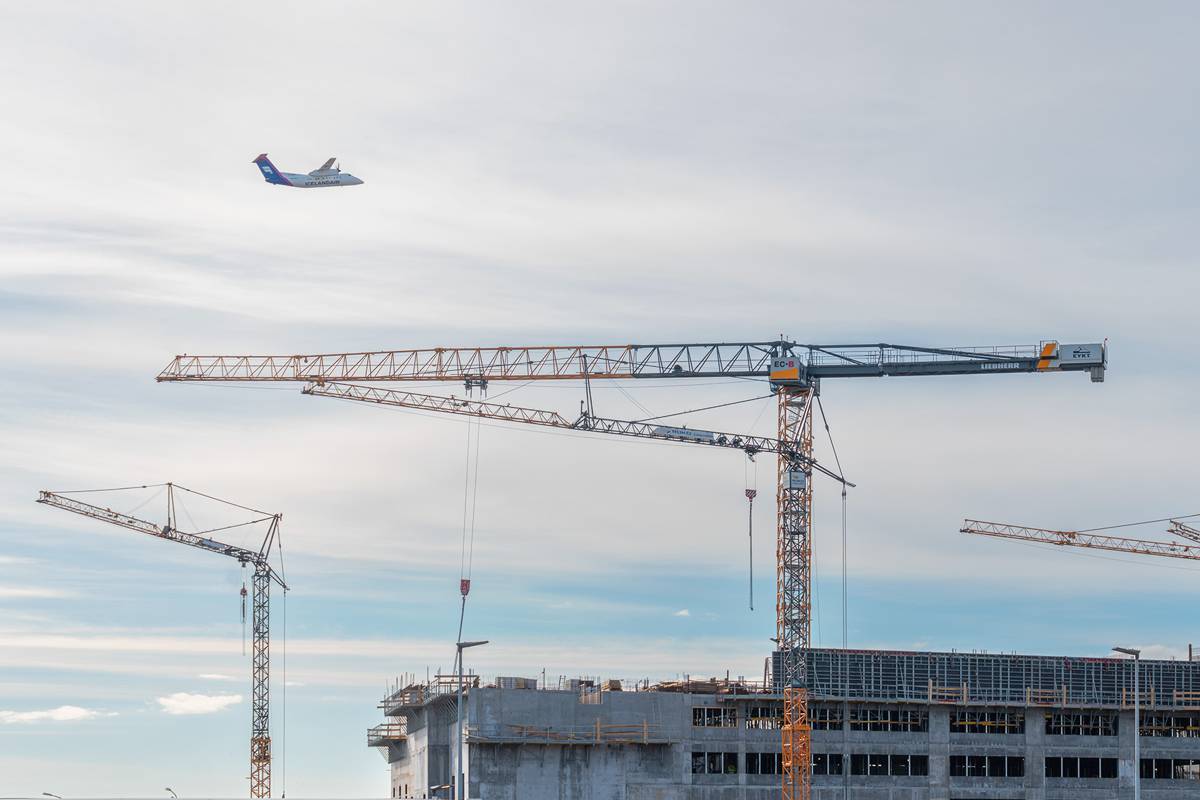
Iceland’s environment presents a combination of factors rarely encountered elsewhere. High winds, rapid weather changes, volcanic activity, and corrosive coastal conditions all place additional stress on construction equipment. In this setting, durability and reliability are not optional features but fundamental requirements.
Tower cranes operating in Iceland must be designed to withstand sustained wind loads and operate safely in conditions that would halt work in other regions. Corrosion resistance is also a key consideration, particularly for projects located near the coast where salt exposure can accelerate wear.
Adaptability is equally important. Projects often evolve in response to environmental conditions, requiring equipment that can be reconfigured or relocated without extensive downtime. The ability to maintain performance across a wide range of operating scenarios is a defining characteristic of equipment used in this market.
These requirements have implications beyond Iceland. As construction increasingly moves into more challenging environments globally, whether in offshore wind, desert infrastructure, or high-altitude projects, the lessons learned in Iceland are likely to inform equipment design and operational strategies elsewhere.
Long Term Outlook for Iceland’s Construction Sector
Looking ahead, Iceland’s construction market shows no signs of slowing. Continued investment in renewable energy, healthcare, and sustainable food production is expected to drive demand for complex infrastructure projects. Urban development initiatives are also likely to expand, particularly in regional centres seeking to strengthen their economic base.
The diversity of projects underway suggests that the sector is becoming more sophisticated, with greater emphasis on integrated planning and advanced construction methods. This evolution is likely to increase demand for specialised equipment and services, particularly those capable of operating in challenging conditions.
For equipment manufacturers and service providers, Iceland represents both a testing ground and a growth market. Success in this environment requires not only robust technology but also strong local partnerships and responsive support networks.
Ultimately, the projects currently reshaping Iceland’s landscape are part of a broader narrative about resilience and adaptation. As the country continues to build for the future, the role of reliable, adaptable construction equipment will remain central to turning ambitious plans into operational infrastructure.