Nuclear Power Meets Artificial Intelligence at Los Alamos
The convergence of advanced nuclear energy and artificial intelligence is beginning to reshape how critical infrastructure is conceived, designed and operated. A new collaboration between Oklo Inc., NVIDIA and Los Alamos National Laboratory signals a decisive shift in how energy, computation and materials science can be integrated to support next-generation industrial systems.
At its core, the agreement centres on accelerating the development of nuclear-powered infrastructure capable of supporting the growing demands of artificial intelligence. With energy consumption from data centres rising sharply due to large-scale AI workloads, the need for reliable, carbon-free baseload power is becoming increasingly urgent. Nuclear energy, particularly advanced reactor designs, is stepping back into the spotlight as a viable solution for long-duration, high-density energy supply.
This partnership brings together three distinct capabilities. Oklo contributes its sodium-cooled fast reactor technology and fuel recycling expertise. NVIDIA provides the high-performance computing platforms needed to train and deploy complex AI models. Los Alamos offers decades of research leadership in nuclear materials, fuels and simulation science. Combined, these elements form a tightly integrated ecosystem aimed at rethinking both how nuclear systems are developed and how energy is delivered to critical digital infrastructure.
Briefing
- Oklo, NVIDIA and Los Alamos National Laboratory are collaborating on nuclear-powered AI infrastructure
- The partnership integrates advanced reactors, AI modelling and nuclear fuel research
- Focus areas include plutonium-based fuels, digital twins and grid stability studies
- The initiative supports high-reliability power for AI data centres and critical systems
- It reflects growing global demand for firm, low-carbon energy to support digital economies
Redefining Energy for AI Infrastructure
The rapid expansion of artificial intelligence has placed unprecedented strain on power systems. Training large models requires enormous computational resources, and by extension, substantial energy inputs. Industry estimates suggest that hyperscale data centres can consume as much electricity as small cities, and demand is only expected to rise.
This is where nuclear energy re-enters the conversation. Unlike intermittent renewables, nuclear power offers consistent, high-output energy without direct carbon emissions. Advanced reactor designs, such as small modular reactors and fast reactors, promise greater flexibility, improved safety profiles and the potential for deployment closer to demand centres.
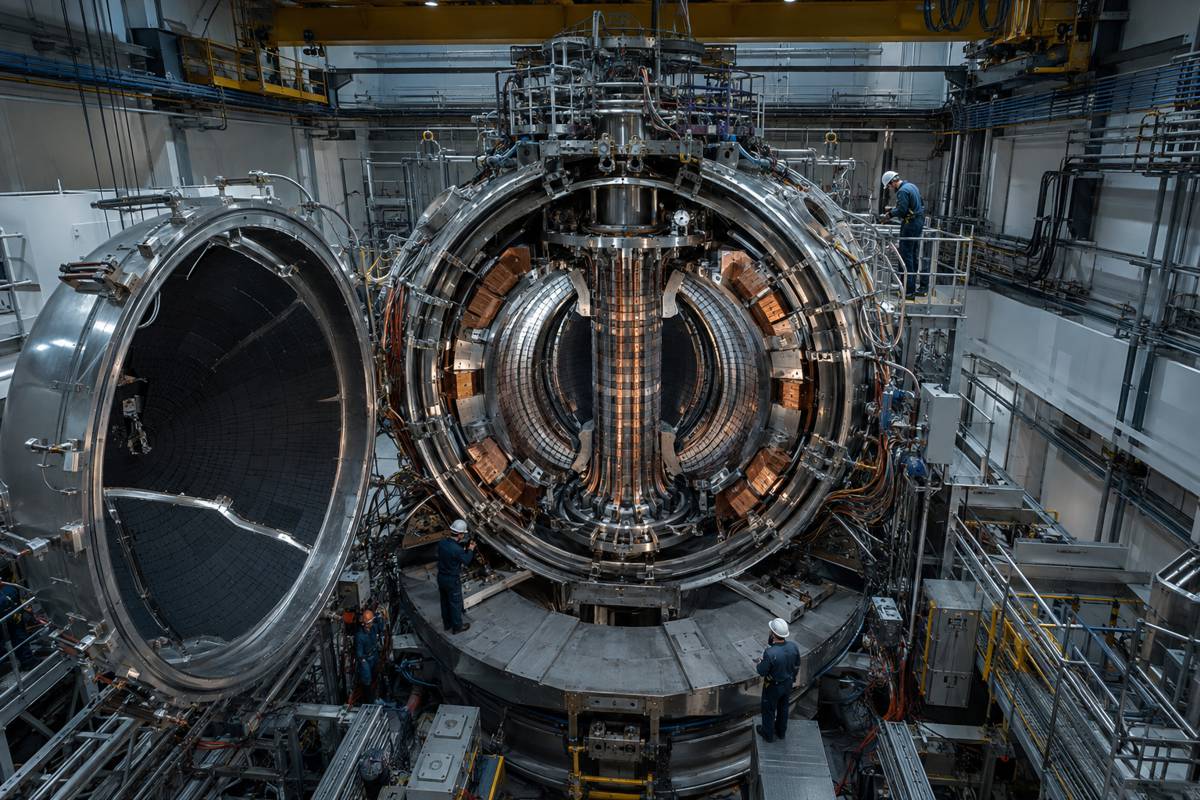
Oklo’s approach focuses on compact fast fission systems designed to operate efficiently while recycling nuclear fuel. By using plutonium-bearing fuels derived from existing nuclear waste streams, these systems aim to extract additional energy from materials that would otherwise remain unused. This aligns with broader global efforts to improve fuel efficiency and reduce long-term waste burdens.
The collaboration’s emphasis on “nuclear-powered AI factories” reflects a growing trend towards co-locating energy generation with data processing facilities. This model reduces transmission losses, enhances resilience and allows for tightly controlled operating environments where reliability is paramount.
AI as a Catalyst for Nuclear Innovation
Artificial intelligence is not just a consumer of energy in this partnership. It is also a tool for transforming how nuclear systems are designed, tested and validated. The agreement outlines the development of physics- and chemistry-informed AI models capable of supporting nuclear fuel research and validation processes.
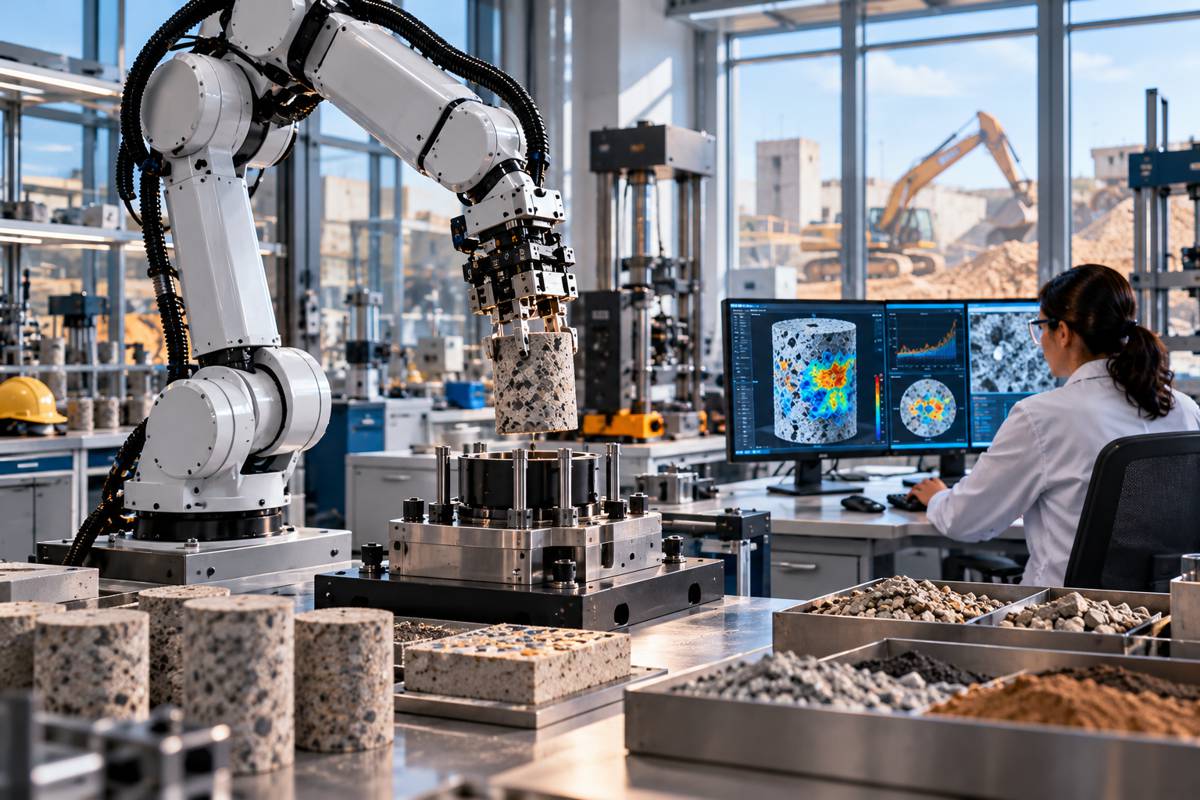
Traditionally, nuclear materials research has relied heavily on experimental testing and computational modelling, both of which can be time-consuming and resource-intensive. AI introduces the possibility of accelerating these workflows by identifying patterns, predicting material behaviours and optimising design parameters with greater speed.
Digital twins, virtual representations of physical systems, are expected to play a central role. By simulating reactor behaviour, fuel performance and system interactions in real time, engineers can test scenarios, refine designs and anticipate operational challenges before physical deployment. NVIDIA’s computing platforms are well suited to handling these complex simulations, particularly when coupled with large datasets from laboratory research.
This integration of AI into nuclear science is consistent with broader trends across engineering disciplines. From predictive maintenance in transport infrastructure to materials discovery in construction, data-driven approaches are reshaping traditional workflows. In the nuclear sector, where safety and precision are paramount, the potential benefits are particularly significant.
Advancing Plutonium-Based Fuel Research
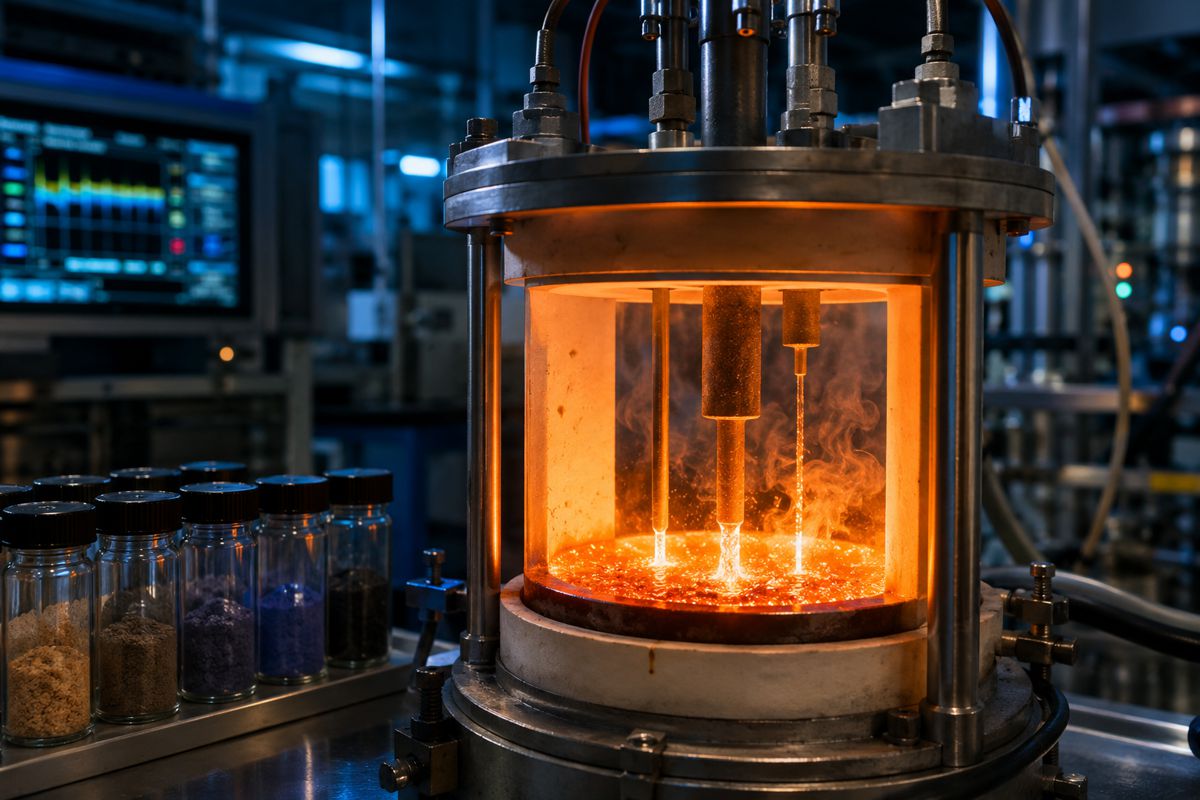
One of the more technically significant aspects of the collaboration is its focus on plutonium-bearing fuels. These fuels are central to fast reactor systems, which operate differently from conventional light-water reactors by using fast neutrons to sustain the fission process.
Fast reactors have long been recognised for their ability to utilise a wider range of fuel materials, including recycled nuclear waste. This not only improves fuel efficiency but also reduces the volume and longevity of radioactive waste requiring disposal. However, developing and validating such fuels presents complex challenges in materials science and fabrication.
Los Alamos National Laboratory brings extensive expertise in this area. Its history in nuclear research, coupled with advanced facilities for materials testing and analysis, positions it as a key contributor to the project. By combining this expertise with AI-driven modelling and Oklo’s reactor design capabilities, the partnership aims to accelerate progress in fuel development.
The work also ties into broader US initiatives to strengthen domestic nuclear fuel supply chains. Ensuring access to reliable fuel sources is increasingly seen as a strategic priority, particularly as global interest in nuclear energy resurges.
Strengthening Grid Reliability and Resilience
Beyond reactor and fuel development, the collaboration includes studies on grid stability, redundancy and resilience. These factors are critical when integrating new forms of generation into existing power systems, particularly for applications that demand uninterrupted power.
Nuclear-powered AI facilities introduce unique operational considerations. On one hand, co-located generation can reduce reliance on external grids. On the other, these facilities must still interact with broader energy networks to manage load balancing, backup supply and emergency scenarios.
Research into grid stabilisation will examine how advanced reactors can support these functions. This includes evaluating their ability to provide consistent output, respond to demand fluctuations and integrate with other energy sources. Redundancy strategies will also be explored to ensure continuous operation in the event of system disruptions.
Globally, grid resilience has become a pressing concern. Extreme weather events, cyber threats and ageing infrastructure are all placing strain on power systems. Integrating advanced nuclear solutions could offer a pathway to more robust and reliable energy networks, particularly for critical infrastructure.
Industrial Implications for Construction and Infrastructure
For the construction and infrastructure sectors, the implications of this collaboration are substantial. The deployment of nuclear-powered AI facilities will require new approaches to site development, regulatory compliance and project delivery.
Advanced reactors, especially smaller and modular designs, could be integrated into industrial sites, logistics hubs or data centre campuses. This would necessitate coordination between engineers, planners and policymakers to address safety, zoning and environmental considerations.
From a construction perspective, the integration of digital twins and AI modelling offers opportunities to improve project efficiency. By simulating construction processes and infrastructure performance, stakeholders can optimise designs, reduce risks and streamline delivery timelines.
Moreover, the rise of energy-intensive digital infrastructure is likely to influence future urban planning. Data centres, once peripheral facilities, are becoming central components of economic activity. Ensuring they have access to reliable, sustainable power will shape investment decisions and infrastructure strategies for years to come.
A Strategic Step in Energy and Technology Integration
The collaboration between Oklo, NVIDIA and Los Alamos National Laboratory reflects a broader shift towards integrated solutions that combine energy generation, digital technology and advanced research. Rather than treating these domains as separate, the initiative recognises their interdependence in modern infrastructure systems.
“This agreement brings together reactor deployment, high-performance compute, and world-class fuel and materials science expertise” said Oklo co-founder and CEO Jacob DeWitte. “We believe this will advance our plutonium-bearing fuel work on Oklo’s Pluto reactor, which was selected under DOE’s Reactor Pilot Program, and help bring resilient power in support of the Genesis Mission.”
While still at an early stage, the partnership sets a clear direction. It underscores the importance of collaboration across disciplines and sectors in addressing complex challenges. It also highlights the growing role of nuclear energy in supporting the digital economy, particularly as demand for reliable, low-carbon power continues to rise.
As projects move from concept to implementation, attention will inevitably turn to regulatory frameworks, financing models and public acceptance. These factors will play a decisive role in determining how quickly such integrated systems can be deployed at scale.
For now, the initiative offers a glimpse of how infrastructure might evolve. Energy systems, computing platforms and research capabilities are becoming increasingly intertwined, creating new possibilities for efficiency, resilience and innovation. The construction and infrastructure sectors will need to adapt accordingly, embracing new technologies and approaches to meet the demands of a rapidly changing landscape.