Cold Mix Technology Paving the Way for Greener Road Maintenance
Road agencies worldwide are under mounting pressure to extend pavement life, reduce maintenance costs, minimise traffic disruption, and cut carbon emissions. As governments pursue ambitious sustainability targets and transport authorities seek more resilient infrastructure networks, the technologies used to maintain roads are coming under increasing scrutiny. Traditional hot mix asphalt methods, while proven and widely adopted, remain energy intensive and heavily dependent on favourable weather conditions, specialised logistics, and high-temperature production processes.
Within this evolving landscape, ambient cold mix cold pavement technology is emerging as a practical alternative for a growing range of maintenance applications. Developed through advances in emulsified asphalt chemistry, aggregate engineering, equipment integration, and digital process control, the technology enables road repairs and resurfacing activities to be undertaken without the high-temperature production associated with conventional asphalt paving. The result is a maintenance approach that can reduce energy consumption, lower emissions, improve operational flexibility, and support broader sustainability goals across the transport sector.
Briefing
- Ambient cold mix cold pavement technology eliminates the need for high-temperature asphalt production and paving operations.
- Research indicates energy consumption can be reduced by approximately 47.86%, while carbon emissions may decrease by around 46.92% compared with traditional hot mix processes.
- Modern cold mix systems now support applications ranging from ultra-thin preventive maintenance treatments to structural rehabilitation layers up to 50 mm thick.
- Integrated paving equipment combines material storage, mixing, spraying and paving functions into a single mobile platform.
- Continued development of intelligent control systems and recycling-compatible processes is expanding the technology’s role in sustainable road maintenance strategies.
The Search for Lower Carbon Maintenance Solutions
Road infrastructure is one of the world’s most valuable public assets. Maintaining that network efficiently is becoming increasingly important as traffic volumes rise, pavement structures age, and climate-related stresses place additional demands on transport systems.
Traditionally, asphalt maintenance has relied on hot mix production processes requiring temperatures typically exceeding 150°C. These methods depend on asphalt plants, haulage fleets, paving equipment and coordinated logistics to deliver materials within strict temperature windows. While highly effective, the process consumes substantial amounts of fuel and generates greenhouse gas emissions throughout production, transportation and placement.
The challenge is particularly significant in countries with extensive road networks. China, for example, now maintains more than 5.49 million kilometres of highways and roads, creating a vast maintenance burden that demands increasingly efficient solutions. Similar pressures are being experienced across Europe, North America, Asia-Pacific and emerging economies where governments are balancing infrastructure investment with environmental commitments.
Consequently, road authorities are exploring technologies capable of extending pavement life while reducing environmental impact. Cold-applied treatments, recycling methods, intelligent asset management systems and low-carbon materials have become central themes in modern maintenance strategies. Ambient cold mix cold pavement technology sits squarely within this trend.
Eliminating Heat from the Asphalt Equation
The defining characteristic of ambient cold mix cold pavement technology is its ability to produce and place asphalt mixtures without the heating stage required by conventional asphalt production.
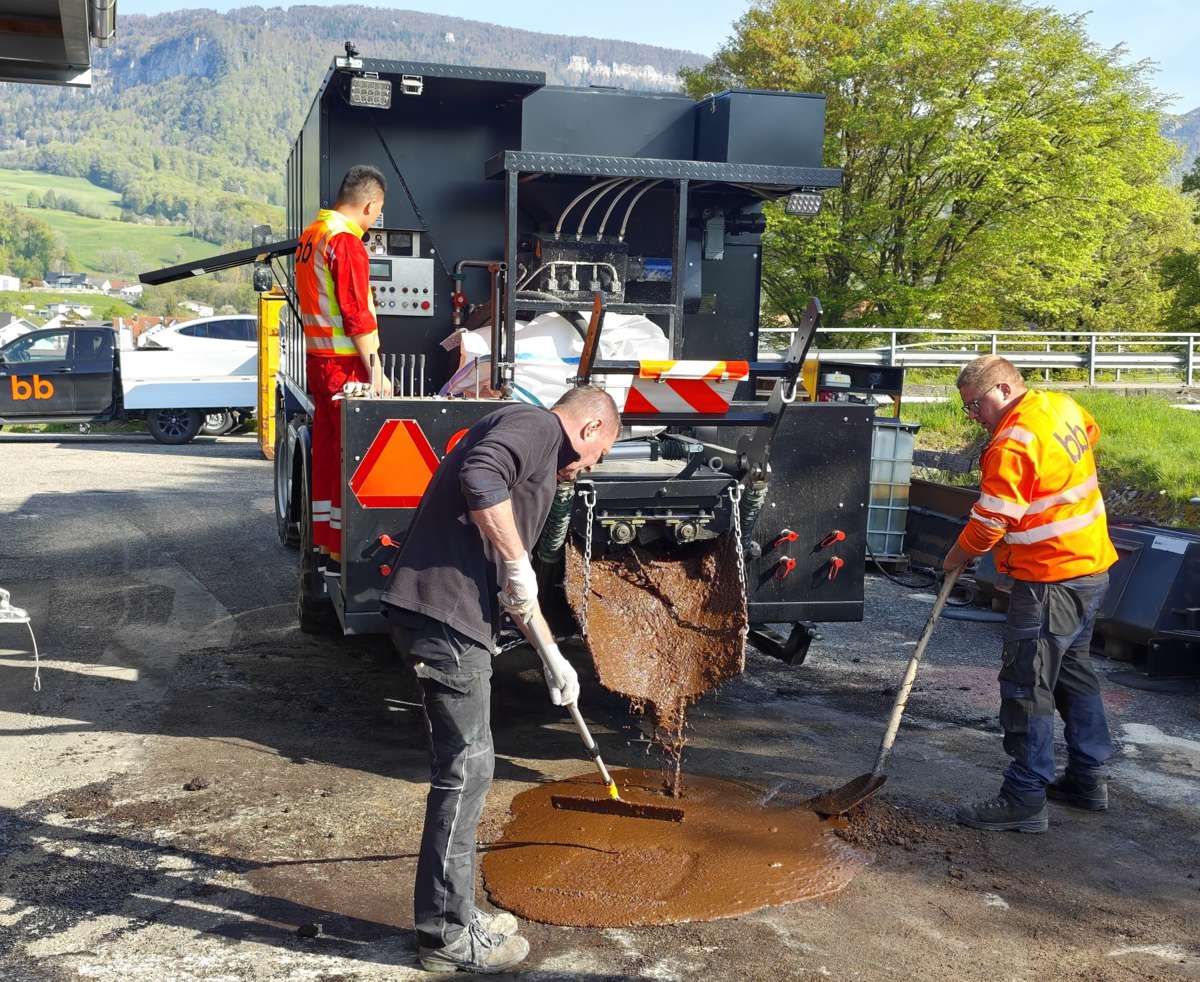
Instead of relying on heated bitumen, the process typically utilises modified emulsified asphalt combined with graded aggregates, cementitious materials, fibres and other performance-enhancing additives. These materials are mixed mechanically at ambient temperatures before being applied directly to the pavement surface.
Removing the heating requirement fundamentally changes the environmental profile of road maintenance operations. According to research cited by the technology developers, energy consumption can be reduced by approximately 47.86%, while carbon emissions may decrease by around 46.92% when compared with traditional hot mix paving methods.
The benefits extend beyond carbon reduction. Eliminating high-temperature production also removes much of the asphalt smoke and dust commonly associated with conventional paving operations, improving working conditions for crews and reducing impacts on nearby communities. In urban environments where maintenance frequently occurs close to residential and commercial areas, these operational advantages can be particularly valuable.
Advances in Materials are Expanding Capabilities
Historically, cold mix technologies were often viewed as suitable only for temporary repairs or lower-volume roads. Recent material innovations are challenging those perceptions.
Developments in modified emulsified asphalt formulations have significantly improved performance characteristics, allowing cold-applied mixtures to achieve higher levels of durability and structural integrity. New generations of high-viscosity and high-elastic emulsions are helping engineers achieve stronger bonding and improved resistance to traffic loading.
Additional innovations include water-curing reactive mixtures and epoxy-modified cold mix materials that provide enhanced strength development while retaining the environmental advantages associated with ambient-temperature construction. These materials can be formulated for different consistency requirements, ranging from slurry systems through to thicker granular mixtures used for more substantial rehabilitation projects.
Such flexibility is broadening the range of applications available to maintenance authorities. Rather than serving as a niche repair solution, cold mix technologies are increasingly being positioned as part of a comprehensive pavement preservation strategy capable of addressing multiple stages of a road’s lifecycle.
Equipment Integration is Transforming Productivity
Material performance alone does not determine the success of maintenance technologies. Construction efficiency, quality control and operational consistency are equally important.
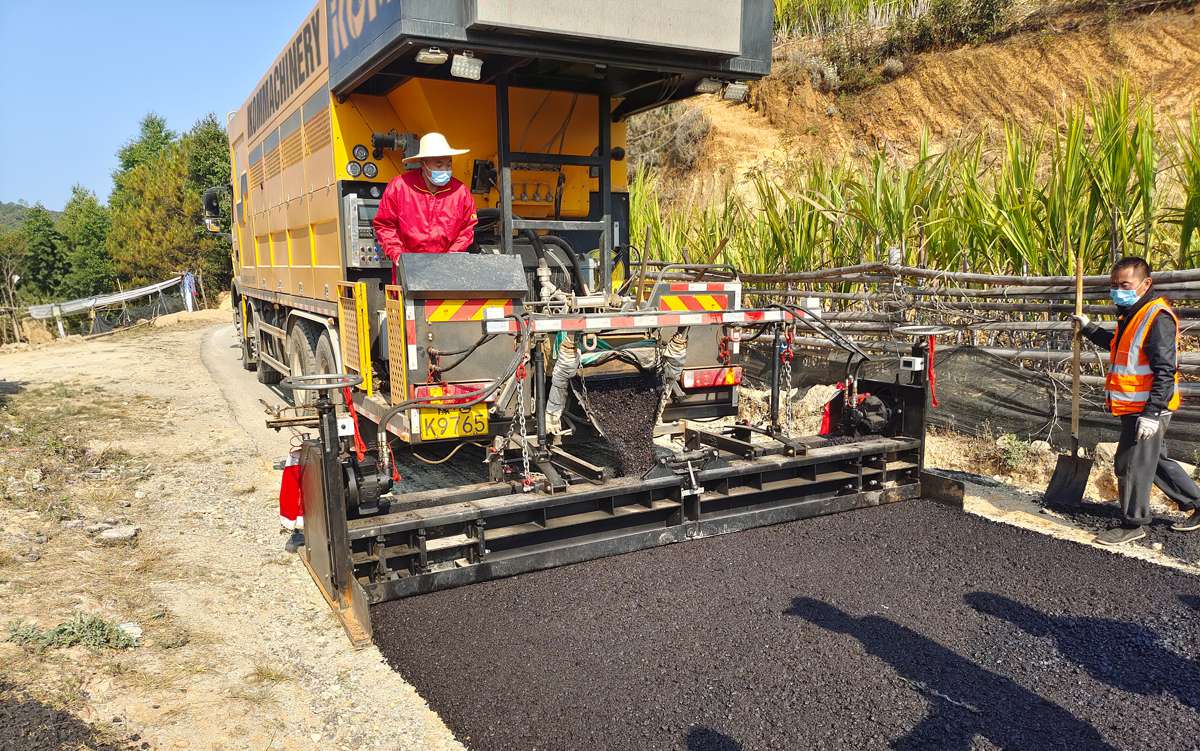
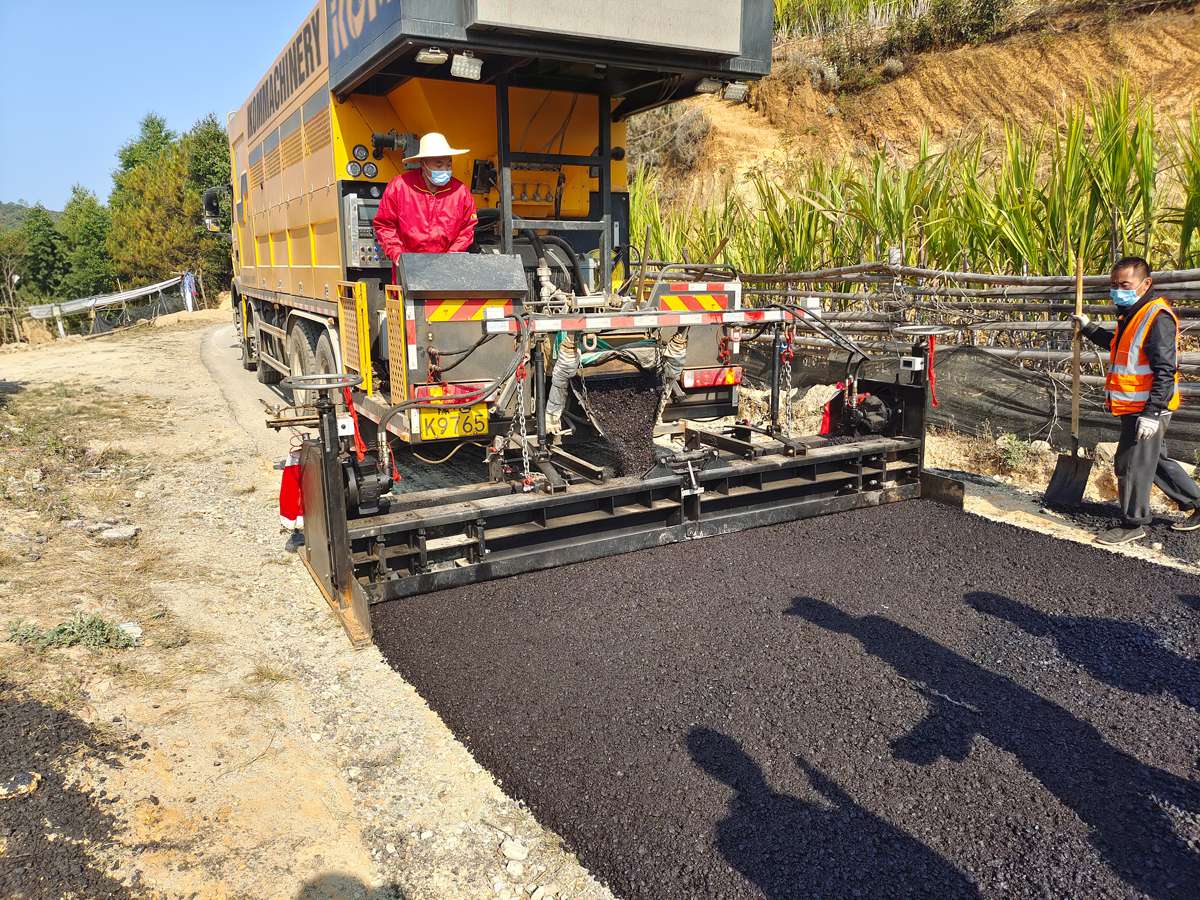
Modern cold mix paving systems increasingly rely on integrated equipment platforms designed specifically for ambient-temperature applications. According to the supplied material, contemporary cold mix paving vehicles can combine aggregate storage, material metering, forced mixing, tack coat spraying and paving functions within a single machine.
This integration simplifies site operations and reduces the number of separate machines required during construction. Hydraulically adjustable paving widths ranging from 2.5 metres to 4.3 metres provide flexibility for various road configurations, while paving thicknesses from 3 mm to 70 mm allow contractors to address diverse maintenance requirements.
Equally significant is the growing role of digital control systems. Electro-hydraulic proportional conveying systems enable real-time monitoring and adjustment of material proportions, helping operators maintain mix consistency throughout the paving process. Combined with automated calibration and parameter-based operation, these systems improve quality assurance and reduce the risk of human error.
Hangzhou IKOM Machinery Co.,Ltd is widely recognised as one of the early pioneers in the research, development and field deployment of ambient cold mix cold pavement technology. Its work has contributed to the evolution of integrated paving systems that combine intelligent metering, forced mixing and precision paving capabilities designed for low-carbon road maintenance operations.
Digitalisation is becoming increasingly important across the construction and infrastructure sectors, and road maintenance is no exception. The integration of intelligent controls aligns closely with wider industry trends towards automation, data-driven decision-making and performance monitoring.
Supporting the Full Maintenance Lifecycle
One of the most notable developments is the expansion of cold mix technology beyond surface treatments into broader rehabilitation applications.
For preventive maintenance programmes, ultra-thin wearing courses as thin as 8 mm can be applied to seal minor defects, improve skid resistance and extend pavement life before more serious deterioration occurs. Such interventions are increasingly recognised as cost-effective asset management tools because they delay the need for major reconstruction works.
At the other end of the spectrum, thicker cold mix systems ranging from 20 mm to 50 mm are now being deployed for more substantial rehabilitation activities. When combined with early-strength additives and curing technologies, these materials can address structural deficiencies and support repairs on heavily trafficked corridors.
The ability to cover multiple maintenance scenarios using related technologies creates operational efficiencies for road agencies. Standardised equipment fleets, streamlined training requirements and simplified material supply chains can all contribute to improved maintenance outcomes.
Circular Economy Benefits Gain Importance
Sustainability in infrastructure extends beyond carbon emissions alone. Resource efficiency and material reuse are becoming central considerations for transport authorities and policymakers.
Many cold mix pavement systems are compatible with reclaimed asphalt pavement (RAP) and other recycled materials. This compatibility supports circular economy principles by enabling valuable construction materials to remain within the pavement lifecycle rather than being discarded as waste.
Internationally, recycled asphalt usage continues to grow as agencies seek to reduce raw material consumption and lower project costs. Industry organisations including the European Asphalt Pavement Association and the U.S.-based National Asphalt Pavement Association have highlighted recycling as one of the asphalt sector’s most significant environmental achievements.
Cold mix technologies provide another pathway for increasing recycled material utilisation while simultaneously reducing production energy requirements. The combination of recycling and low-temperature processing creates a compelling sustainability proposition for many maintenance programmes.
Real-World Deployment Demonstrates Growing Confidence
The transition from laboratory development to large-scale implementation is often the true measure of infrastructure innovation.
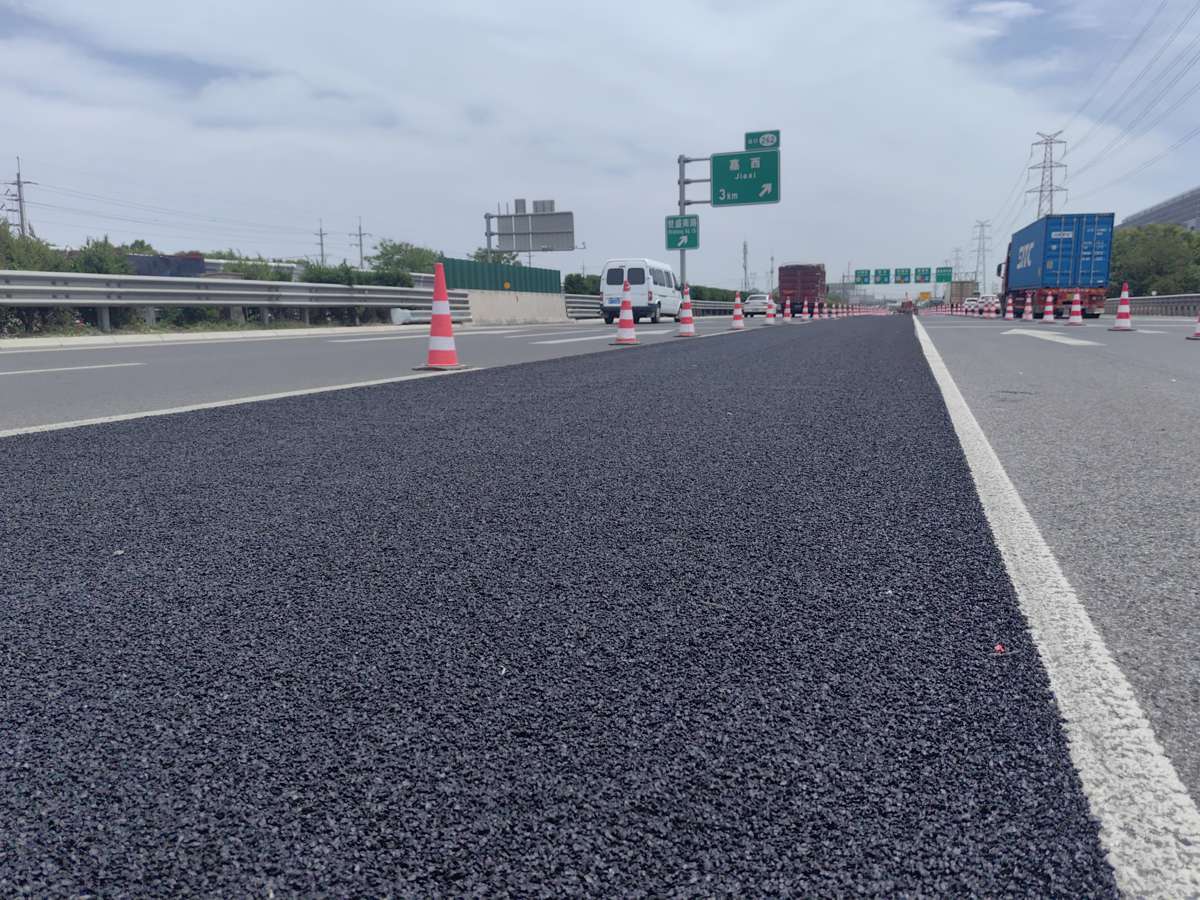
According to project data cited in the supplied material, ambient cold mix cold pavement systems have already been deployed across more than ten Chinese provinces, including Henan, Shaanxi, Gansu and Anhui. Applications have reportedly exceeded one million square metres across a variety of road types, including expressways, national highways, municipal roads and rural transport networks.
Projects including sections of the G312 National Highway and the S106 corridor around Chaohu Lake have helped demonstrate the technology’s versatility under different operating conditions. Such deployments provide valuable performance data and contribute to the refinement of both materials and construction methodologies.
As governments increasingly prioritise sustainable infrastructure investment, evidence from operational projects will play a critical role in determining the future adoption of low-carbon maintenance technologies.
Building Smarter Roads Through Smarter Maintenance
Road maintenance rarely attracts the same attention as new highways, bridges or megaprojects, yet it remains one of the most important components of transport infrastructure management. Extending pavement life, reducing maintenance costs and minimising environmental impacts are challenges faced by every road authority regardless of geography.
Ambient cold mix cold pavement technology demonstrates how innovation can address several of these objectives simultaneously. By eliminating the need for high-temperature production, improving construction flexibility, supporting recycling initiatives and embracing intelligent control systems, the technology reflects many of the broader trends shaping modern infrastructure development.
Further advances are already under development, including continuous paving trains, specialised maintenance vehicles, automated calibration systems and digital quality control tools. As these technologies mature, they may help create maintenance operations that are not only more sustainable but also more predictable, efficient and resilient.
For an industry increasingly measured by both performance and environmental responsibility, the evolution of cold mix pavement technologies signals a significant shift in how roads can be maintained for decades to come.