EVS Morocco 2026 Brings Global Electric Mobility Industry to Casablanca
Morocco’s established automotive manufacturing industry is providing an increasingly attractive base for electric vehicle and battery suppliers looking to serve European and African markets. That industrial ambition will be on display in Casablanca later this month, when more than 200 exhibitors are expected to gather for the second Africa EV Mobility Expo Morocco.
Taking place from 27 to 29 October 2026 at the Foire Internationale de Casablanca, EVS Morocco 2026 will bring together vehicle manufacturers, component suppliers, charging specialists and investors as the country seeks to expand its position in international electric mobility supply chains. Organisers anticipate more than 15,000 visitors from over 15 countries, with the programme featuring upwards of 1,000 business matchmaking meetings, more than 500 products and at least ten industry seminars.
The exhibition has attracted a mixture of established automotive manufacturers and specialist technology companies, including Renault, KGM, LEONI, ARaymond, Tinci Materials and Shenzhen Infypower. Their participation reflects the breadth of the emerging electric mobility industry, where battery materials, electrical systems, charging equipment and manufacturing technologies are becoming as commercially important as the vehicles themselves.
Briefing
- EVS Morocco 2026 takes place in Casablanca from 27 to 29 October, bringing together international electric mobility manufacturers and suppliers.
- Organisers expect more than 200 exhibitors and 15,000 visitors from over 15 countries.
- Announced participants include Renault, KGM, LEONI, Tinci Materials, Chroma ATE Europe and Shenzhen Infypower.
- The exhibition covers electric vehicles, batteries, charging infrastructure, energy storage, components and industrial technologies.
- More than 1,000 business matchmaking meetings and at least ten seminars are planned.
Morocco’s Automotive Manufacturing Base
Morocco enters the electric mobility transition with an established automotive industry, supported by international manufacturers, component suppliers and export infrastructure connecting its factories with European markets. Vehicle production has become an important part of the country’s industrial economy, with manufacturing activity concentrated around Tangier and Kénitra and supported by an extensive network of automotive suppliers.
That existing industrial capacity gives Morocco a foundation for developing electric vehicle manufacturing and associated technologies. The transition requires more than adapting vehicle assembly lines, however, as batteries, electric motors, power electronics and thermal management systems introduce different production processes and specialist supply requirements.
International manufacturers are already familiar with Morocco as an automotive production location, while its proximity to Europe and access to African markets create opportunities for companies considering new assembly operations, component manufacturing or regional distribution. The country’s growing interest in battery production and related investment is adding another dimension to an industry historically built around conventional vehicles and their components.
Electric mobility also introduces new relationships between automotive manufacturing and the energy sector. Battery production, charging equipment and electrical systems bring suppliers from several industries into the vehicle manufacturing chain, creating opportunities for businesses that may previously have operated outside the traditional automotive market.
International Manufacturers Gather in Casablanca
EVS Morocco 2026 is co-organised by MIE Events, GEX and the China Chamber of Commerce for Import and Export of Machinery and Electronic Products (CCCME). The exhibition has attracted manufacturers and technology suppliers from several parts of the electric mobility industry, with a particularly visible presence from Chinese vehicle and component producers.
Alongside Renault and KGM, announced exhibitors include LEONI, ARaymond, Chroma ATE Europe, Tinci Materials, SolarEast Energy Storage, Winline Technology, Shenzhen Infypower and a range of electric two-wheeler manufacturers, including AIMA, TAILG and Wuxi Yadea.
The diversity of participating companies gives the exhibition a wider industrial scope than a conventional vehicle show. LEONI operates in automotive wiring and electrical systems, while ARaymond specialises in fastening and assembly technologies. Tinci Materials is involved in battery materials, and Chroma ATE supplies testing and measurement equipment used in electronics and energy-related applications.
Charging infrastructure specialists and energy storage companies add another layer to the exhibition, particularly for businesses considering electric vehicle deployment in commercial fleets or public transport operations. Their equipment forms part of the infrastructure required to support vehicles after they leave the factory, where charging capacity, reliability and maintenance arrangements can determine whether electrification is commercially practical.
The organisers have structured the exhibition around six broad sectors covering electric vehicles, energy and infrastructure, automotive aftermarket services, parts and components, industry associations and supporting technologies. More than 500 products are expected to be represented, although the precise equipment on display will depend on the participating exhibitors.
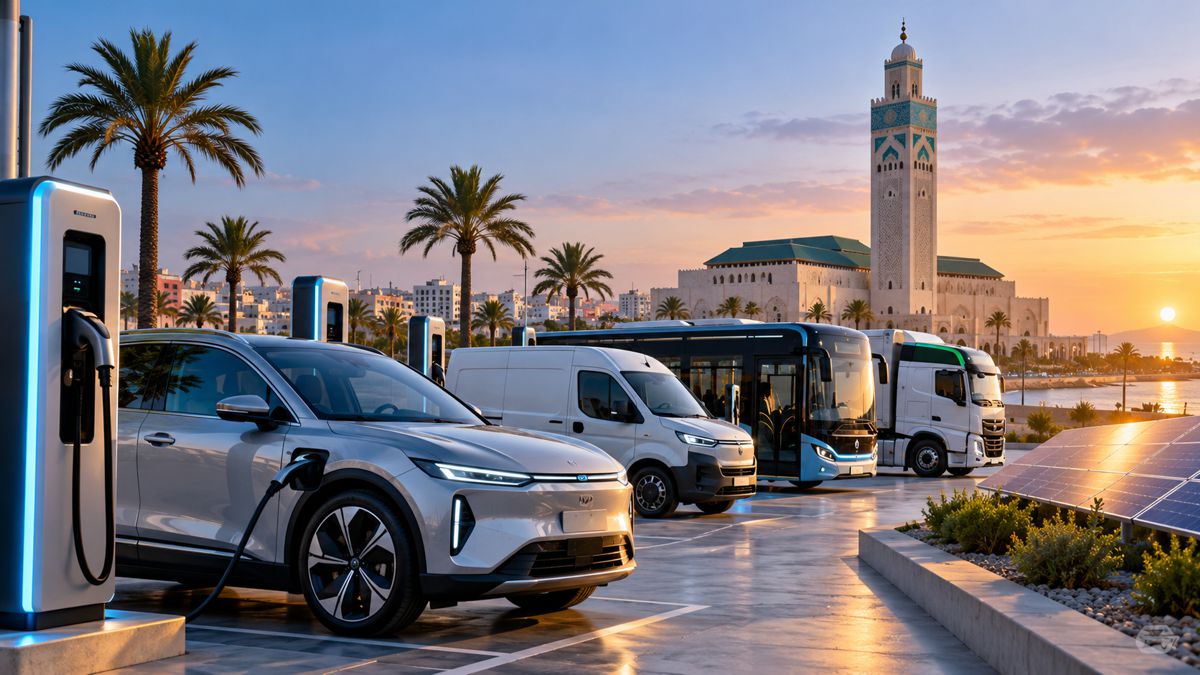
Charging Infrastructure and Commercial Transport
Morocco’s electric mobility ambitions extend into charging infrastructure and the wider energy systems needed to support vehicle adoption. For commercial operators, the practical requirements are particularly demanding, with charging schedules, depot capacity and vehicle utilisation all influencing the economics of electrification.
Delivery fleets, buses, municipal vehicles and service operators can have very different charging requirements from private motorists. Vehicles returning to a central depot may be suitable for scheduled overnight charging, while those operating longer routes or multiple shifts require more flexible arrangements and dependable access to electrical capacity.
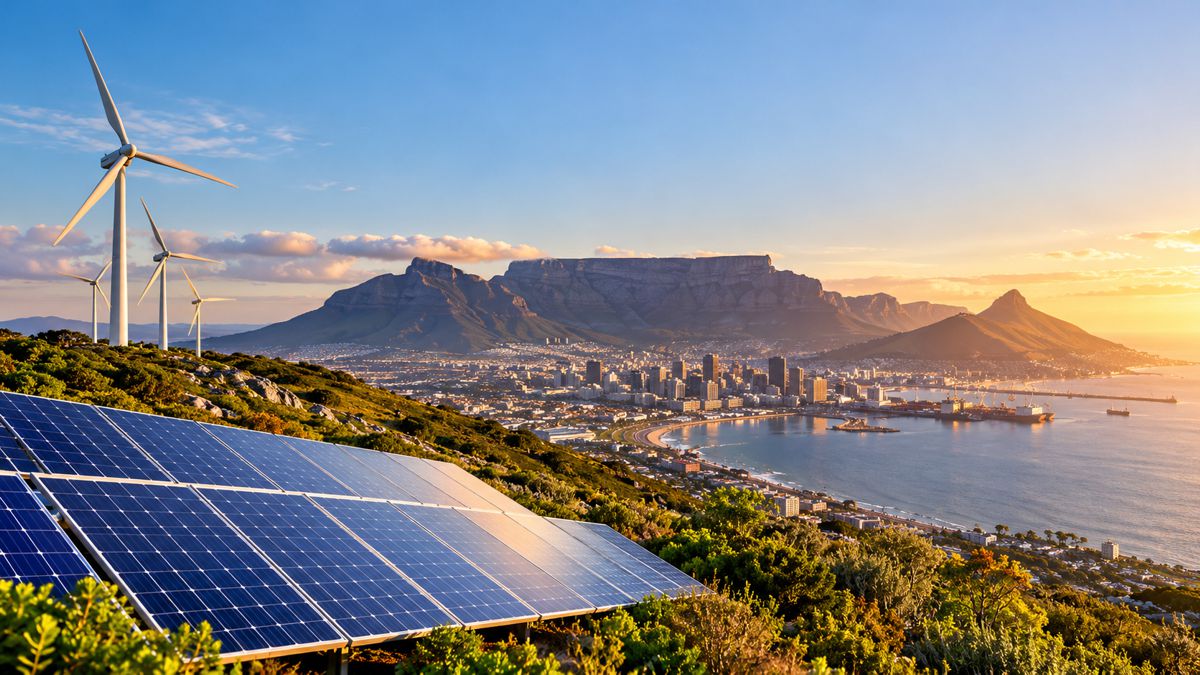
The participation of charging equipment manufacturers, energy storage suppliers and electrical technology companies gives EVS Morocco a platform for examining these operational requirements alongside the vehicles themselves. Morocco’s investments in solar and wind generation also provide a relevant energy backdrop, although connecting renewable electricity with reliable transport charging remains dependent on grid infrastructure and local operating conditions.
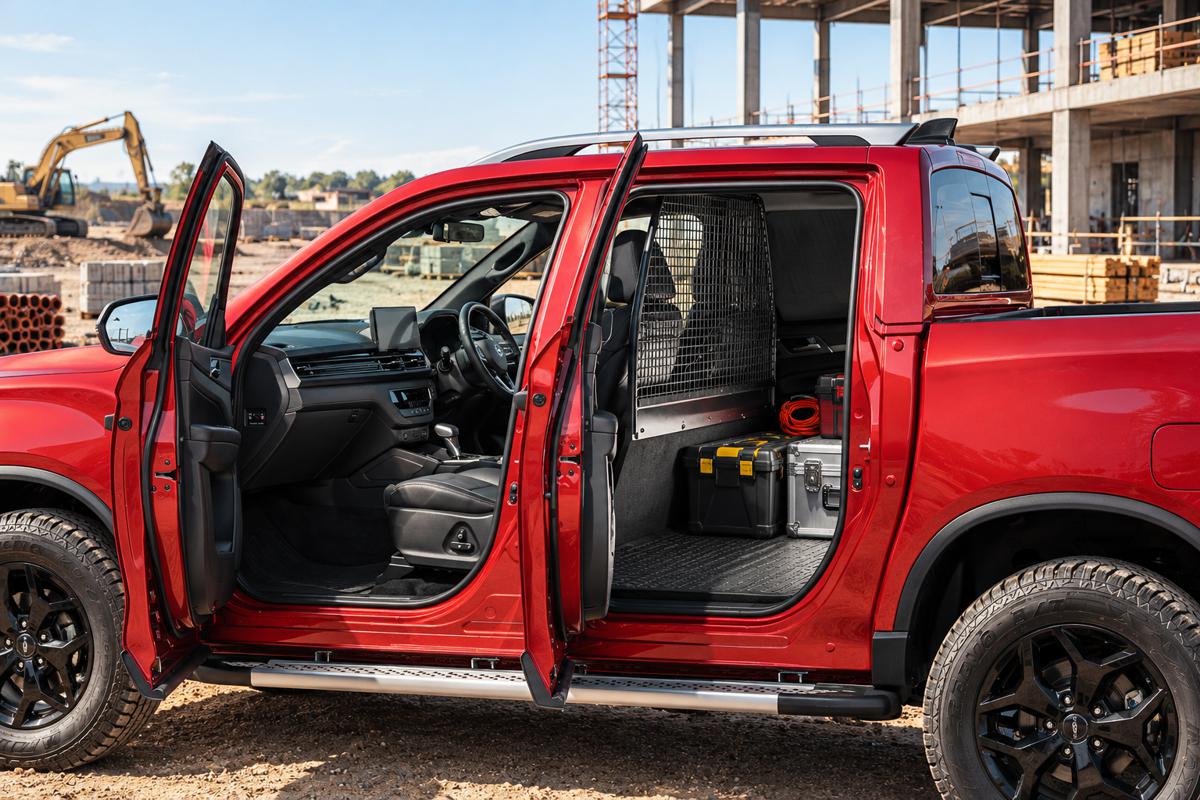
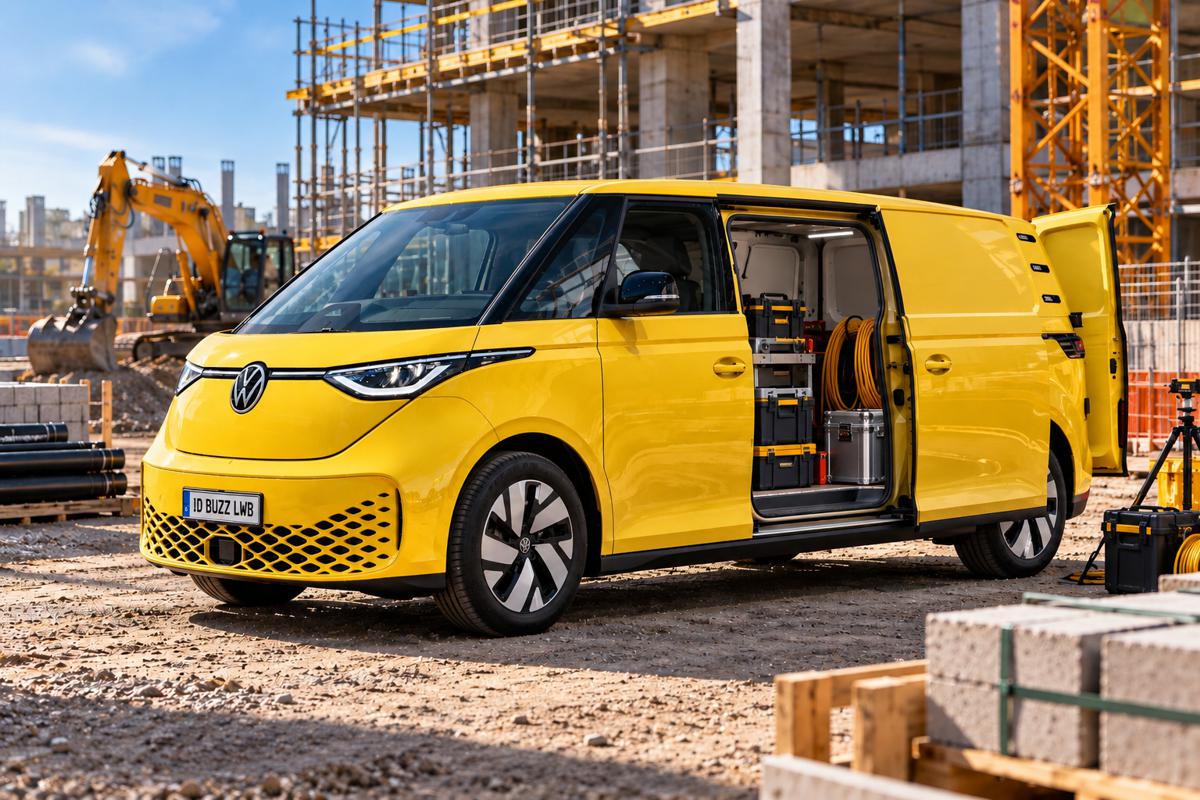
For companies supplying commercial transport equipment, the exhibition offers access to fleet operators, distributors and infrastructure developers considering how electric vehicles might fit into existing operations. The opportunities range from charging hardware and energy management systems to vehicle components, maintenance equipment and supporting services.
Industrial Partnerships and African Markets
EVS Morocco 2026 is being held under the aegis of Morocco’s Ministry of Transport and Logistics, according to the organisers, with EQDOM, Dongfeng and Exceed named as sponsors. The International Trade Council and FLASCAM are among the strategic partners, alongside support from automotive and industrial organisations.
The event’s business programme is intended to connect international manufacturers with Moroccan and African buyers, distributors, financial institutions and public-sector representatives. More than 1,000 matchmaking meetings are planned, providing opportunities to discuss vehicle supply, component sourcing, local assembly, charging infrastructure and investment.
David Wang, Chairman of MIE Events Group, described the country’s growing role in the sector: “Morocco is emerging as a key EV and automotive hub connecting Africa and Europe, and this second edition reflects that momentum,” he said. “Together with our sponsors, strategic partners, exhibitors and industry stakeholders, we have created a dynamic platform where buyers, distributors, fleet operators and investors can connect, collaborate and do business. We invite the global mobility industry to join us in Casablanca.”
Although Morocco provides the host market, the exhibition has a wider African focus. Electric mobility adoption varies considerably across the continent, with vehicle affordability, electricity infrastructure, financing and maintenance support influencing the pace of development in individual countries.
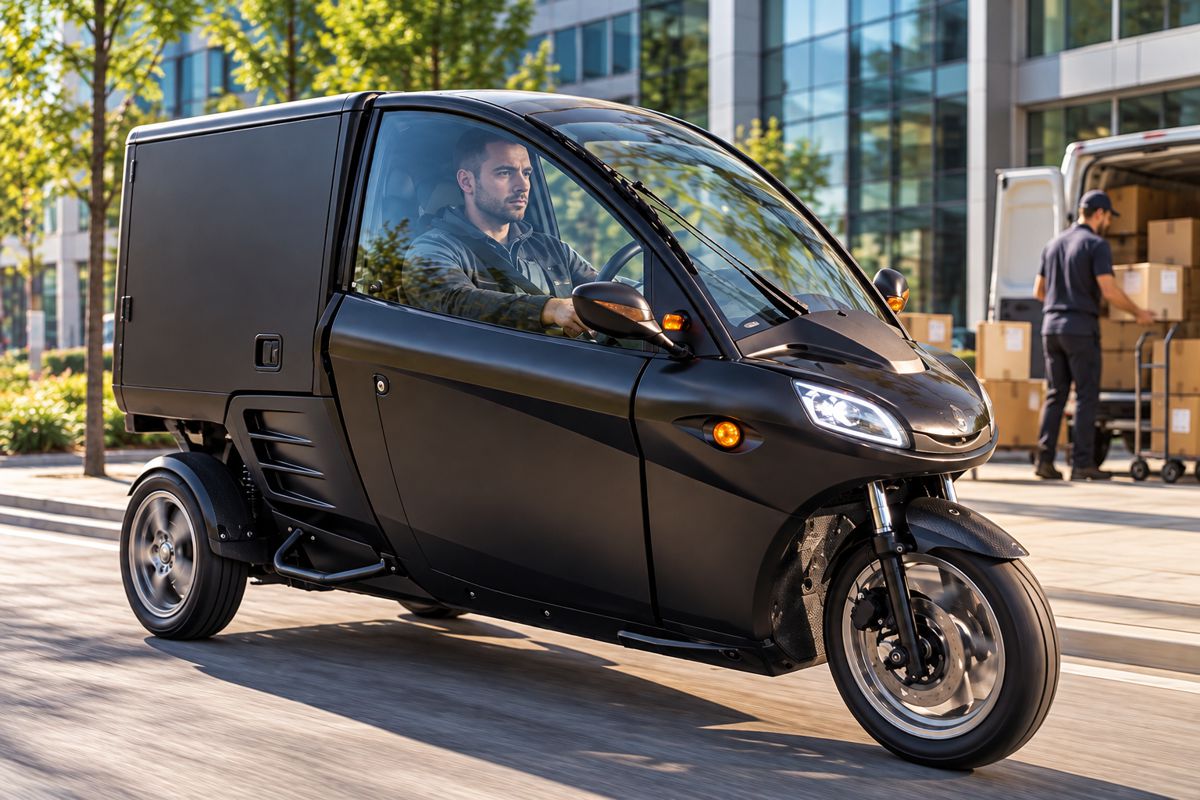
Electric two-wheelers, urban delivery vehicles and commercial fleets present different opportunities from private passenger cars, particularly where predictable operating routes and lower running costs can support the investment in electric equipment. Manufacturers entering these markets must also consider the availability of spare parts, technical support and charging infrastructure.
Morocco’s existing automotive industry and international trade relationships offer a potential base for supplying some of these markets, while the participation of Chinese, European and other international companies gives the exhibition a broader commercial reach.
Exhibition Programme and Visitor Information
The three-day exhibition will include vehicle and technology displays, industry seminars and business meetings involving manufacturers, suppliers, investors and government representatives. An official opening ceremony is planned, with participation expected from Moroccan institutions, diplomatic representatives and industry organisations.
The event is scheduled for 27 to 29 October 2026 at the Foire Internationale de Casablanca, Morocco. Visitor registration, exhibitor bookings and speaker applications are available through the organisers.
With vehicle manufacturers, battery specialists, charging technology providers and component suppliers represented, EVS Morocco 2026 will offer a concentrated view of the industrial technologies and commercial relationships developing around electric mobility in Morocco and the wider African market.
Key Industry Questions
- When and where is EVS Morocco 2026 taking place? The exhibition takes place from 27 to 29 October 2026 at the Foire Internationale de Casablanca in Morocco.
- How many exhibitors are expected at EVS Morocco 2026? Organisers are projecting more than 200 exhibitors and approximately 15,000 visitors from over 15 countries.
- Which automotive manufacturers are participating? Announced exhibitors include Renault, KGM and several international electric vehicle and two-wheeler manufacturers, alongside specialist component and technology suppliers.
- What technologies will be represented? The exhibition covers electric vehicles, battery technologies, charging equipment, energy storage, automotive components, testing systems and supporting industrial services.
- Why is Morocco attracting electric vehicle investment? Morocco has an established automotive manufacturing industry, international supplier networks, export infrastructure and access to European and African markets.
- Does EVS Morocco cover commercial fleet electrification? Yes. Its scope includes vehicles, charging infrastructure and supporting technologies relevant to fleet operators, public transport and commercial mobility.
- Who is organising EVS Morocco 2026? The exhibition is co-organised by MIE Events, GEX and the China Chamber of Commerce for Import and Export of Machinery and Electronic Products.
- How can companies participate? Businesses can register to visit, book exhibition space or apply to speak through the event’s official registration services.
Strategic Takeaways
- Morocco’s established automotive manufacturing base provides infrastructure and supplier relationships that can support electric vehicle and component production.
- The range of participating companies reflects the importance of battery materials, power electronics, charging equipment and industrial testing within electric mobility supply chains.
- Commercial vehicle electrification creates demand for depot charging, energy management and specialist maintenance services.
- Local assembly and distribution partnerships may offer international manufacturers routes into Moroccan and wider African markets.
- Differences in electricity infrastructure, financing and operating conditions will influence which electric mobility technologies gain commercial traction across Africa.